
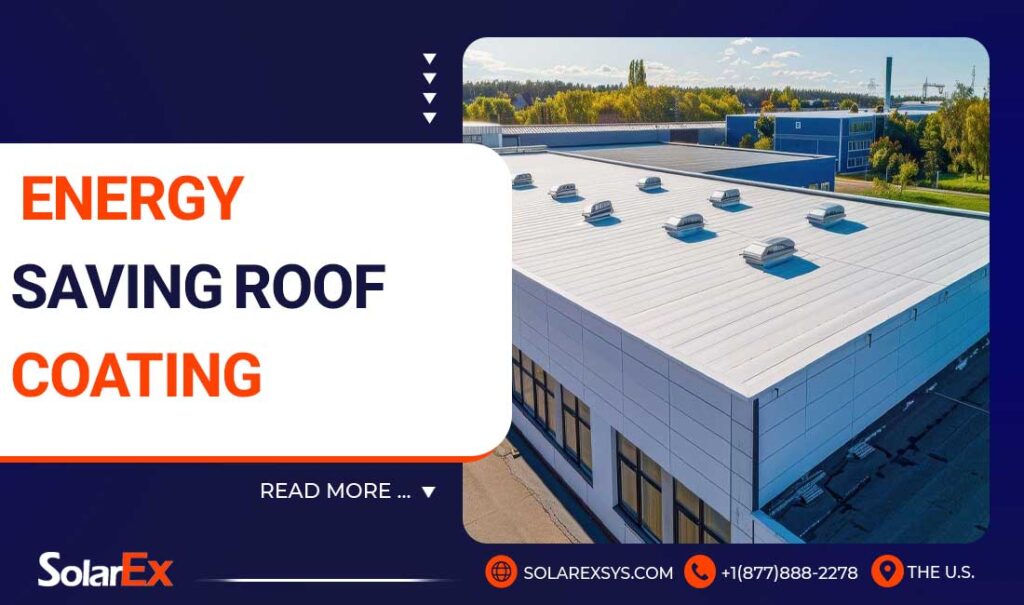
High energy consumption is often linked to how well a building manages heat, and the roof plays a major role in this process. When a roof absorbs too much solar heat, cooling systems may need to work harder to maintain a comfortable indoor environment. An energy saving roof coating can help reduce heat absorption, improve roof protection, and support better energy efficiency without requiring a complete roof replacement. In this guide, we explain how these coatings work, the available types, factors affecting cost, and what property owners should consider before selecting the right solution. For complete information, stay with SolarEx.
What is energy saving roof coatings?
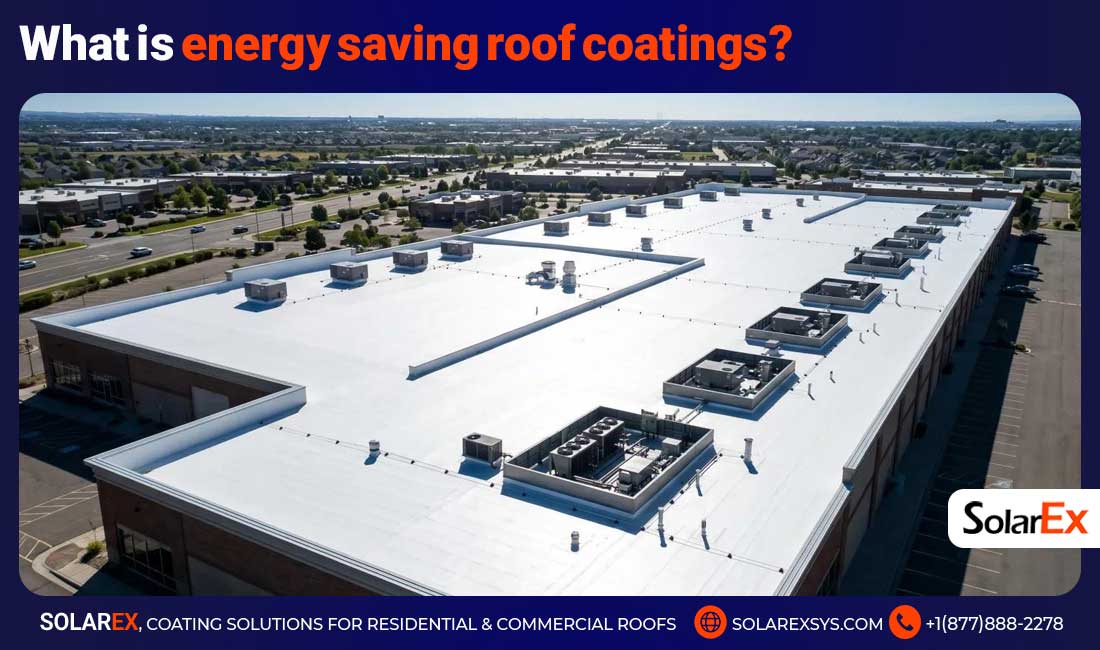
Understanding what is energy saving roof coating starts with knowing how these systems improve the performance of a building’s roof. An energy-saving roof coating is a reflective protective layer applied over existing roofing surfaces to reduce heat absorption. Instead of allowing sunlight to turn into trapped heat, these coatings reflect a higher amount of solar energy and help maintain a more stable roof temperature.
During hot weather, traditional roofs can absorb significant heat and transfer it into the interior space, increasing the workload of cooling systems. A properly selected energy saving roof coating creates a thermal barrier that helps reduce heat transfer, improve indoor comfort, and support more efficient energy use.
These coatings are available in different formulations depending on the roof structure and project requirements. For example, elastomeric roof coating is commonly selected for areas exposed to moisture because of its resistance to water and weather conditions, while acrylic roof coating is often used when strong solar reflectivity and cost efficiency are priorities.
For building owners, choosing the right coating is not only about reducing energy consumption but also protecting the existing roof from UV exposure and environmental damage. Reviewing Energy saving roof coating reviews and comparing factors such as durability, application method, and expected performance can help make a more informed decision.
How Do Roof Coatings Reduce Energy Consumption?
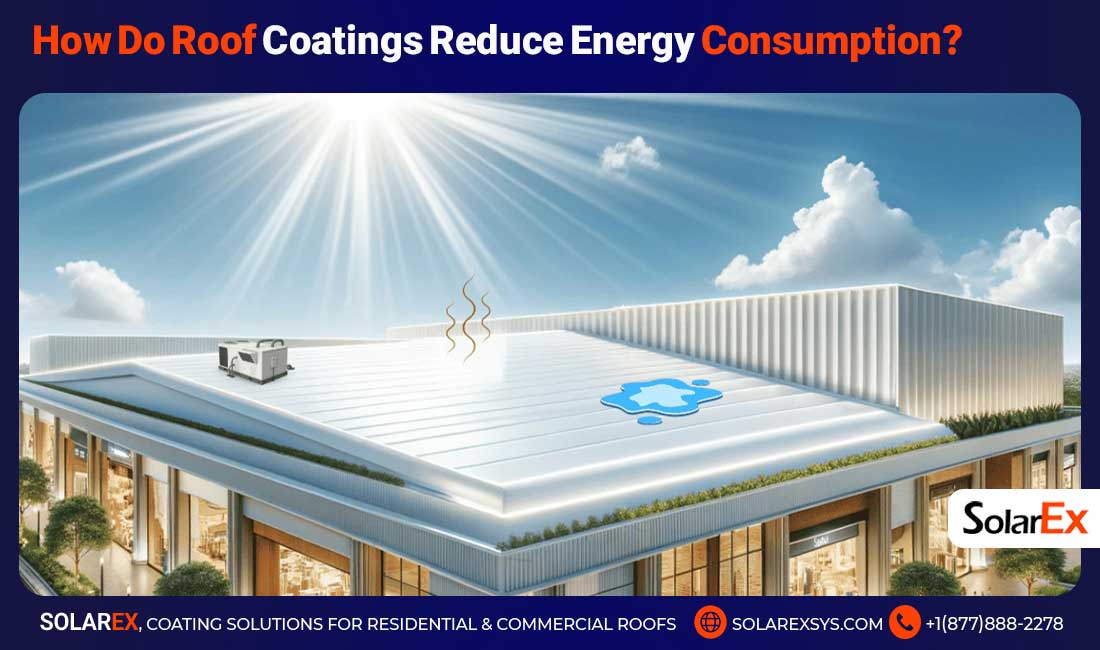
Roof coatings reduce energy consumption by controlling how much heat reaches the building interior. A reflective coating can minimize solar heat absorption by sending a larger portion of sunlight back into the atmosphere instead of allowing it to warm the roof surface. This helps keep the roof cooler, especially during periods of high outdoor temperatures.
When less heat passes through the roof, cooling systems do not need to work as hard to maintain a comfortable indoor temperature. This can reduce the demand on air conditioning units and support more efficient energy usage throughout the building.
The performance of a coating depends on factors such as the roof material, climate conditions, coating thickness, and installation quality. For commercial properties, selecting the right commercial roof coating can help improve roof durability while supporting long-term energy management goals.
Some coatings also create an additional protective layer that helps reduce damage caused by sunlight, temperature changes, and moisture. A well-maintained roof with the right coating system can perform more efficiently over time compared with an unprotected surface.
When comparing Energy saving roof coating cost, it is important to consider not only the initial installation price but also the potential impact on maintenance needs, roof lifespan, and energy efficiency over the years.
Types of Roof Coatings: Silicone, Acrylic, and Polyurethane
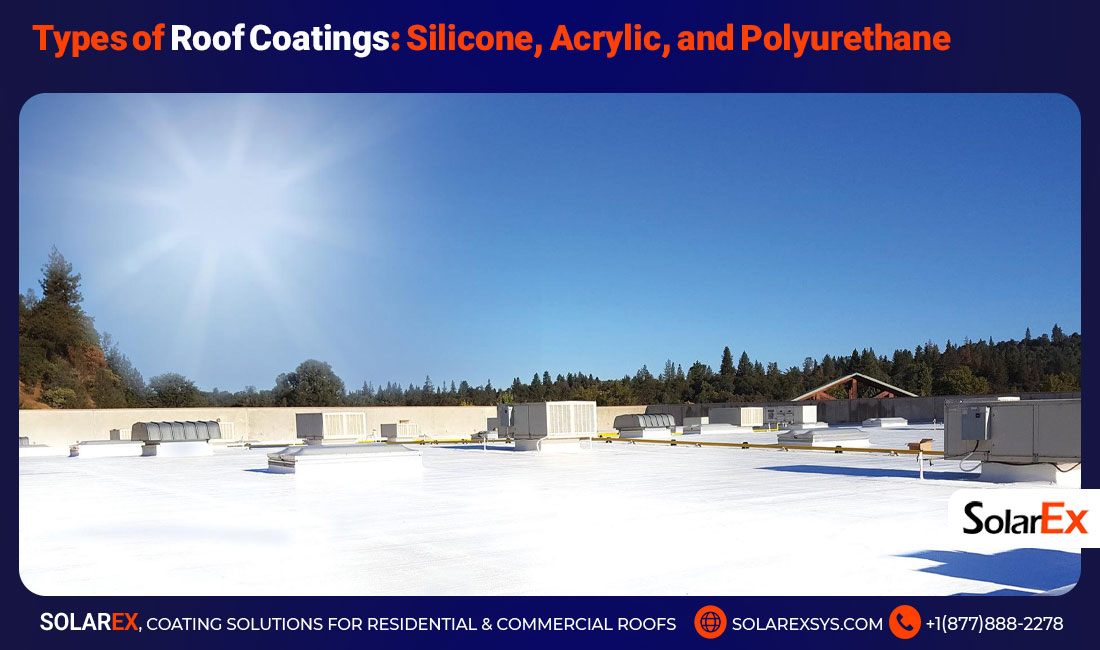
Roof coatings are not all designed for the same purpose. The best option depends on the roof structure, local weather conditions, water exposure, maintenance requirements, and the level of protection a building needs. Among the available systems, silicone, acrylic, and polyurethane are three of the most common choices for commercial and industrial roofing projects.
Each coating type has its own advantages. Some systems perform better against moisture, while others are preferred for affordability, reflectivity, or resistance against heavy use. The comparison below can help you understand the differences before selecting the right solution for your building.
|
Roof Coating Type |
Best For | Main Benefits | Key Considerations |
| Silicone Roof Coating | Flat and low-slope roofs exposed to moisture and ponding water | Excellent resistance to standing water, strong UV performance, and long-term flexibility |
Higher upfront cost and possible dirt accumulation that can affect reflectivity over time |
|
Acrylic Roof Coating |
Sloped roofs and projects focused on affordability with proper drainage | Good solar reflectivity, easy application, color retention, and cost efficiency | Not recommended for areas with continuous standing water |
| Polyurethane Roof Coating | High-traffic roofs and surfaces requiring stronger durability | High impact resistance, strong adhesion, and better protection against wear and movement |
More expensive and requires careful installation conditions |
Silicone Roof Coating
silicone roof coating is often selected for flat and low-slope roofs where exposure to moisture is a major concern. Its ability to maintain performance in wet conditions makes it a practical choice for buildings that experience heavy rainfall or areas where water may remain on the roof surface.
This coating also provides strong protection against UV rays and temperature changes. By helping reduce heat absorption, silicone systems can support the performance goals of an energy saving roof coating while protecting the existing roof structure.
|
Advantages |
Considerations |
|
• Excellent resistance to ponding water and maintains performance in wet conditions |
• Higher upfront cost compared with acrylic coatings |
Acrylic Roof Coating
Acrylic roof coating is a popular option for projects where energy efficiency and budget considerations need to be balanced. These coatings reflect sunlight effectively and help reduce the amount of heat absorbed by the roof surface.
Acrylic systems are commonly used on roofs with proper drainage and can be refreshed with additional layers when maintenance is needed. They are also a suitable choice for property owners looking for a practical coating solution without a complete roof replacement.
|
Advantages |
Considerations |
|
• Cost-effective option for many roofing projects • Good solar reflectivity and color retention • Water-based formula with easier application • Can be recoated to extend roof protection |
• Not suitable for areas with continuous standing water • Requires suitable temperature and dry conditions during installation • May require more frequent maintenance compared with silicone systems |
Polyurethane Roof Coating
Polyurethane roof coating is designed for roofs that require higher resistance against physical stress. It is commonly used in areas where the roof surface experiences frequent maintenance traffic, equipment movement, or higher impact risks.
Due to its strong adhesion and durability, polyurethane can protect different roofing materials while handling expansion and contraction caused by temperature changes. It is often considered for demanding commercial applications where long-term surface protection is important.
|
Advantages |
Considerations |
|
• High resistance against impact and abrasion • Strong adhesion to various roofing materials • Handles movement caused by thermal expansion and contraction • Suitable for high-traffic roofing areas |
• Higher installation cost compared with acrylic alternatives • Requires professional application for better performance • Moisture conditions must be controlled during installation |
Selecting the right coating requires looking beyond the initial price. Factors such as roof condition, climate, expected maintenance, and performance goals should all be considered before choosing a system. For example, buildings with frequent water exposure may need a different solution compared with roofs where affordability and easy maintenance are the main priorities.
For property owners comparing different options, reviewing Energy saving roof coating reviews can provide useful insight into durability, application quality, and real-world performance.
How Much Energy Can a Reflective Roof Coating Save?
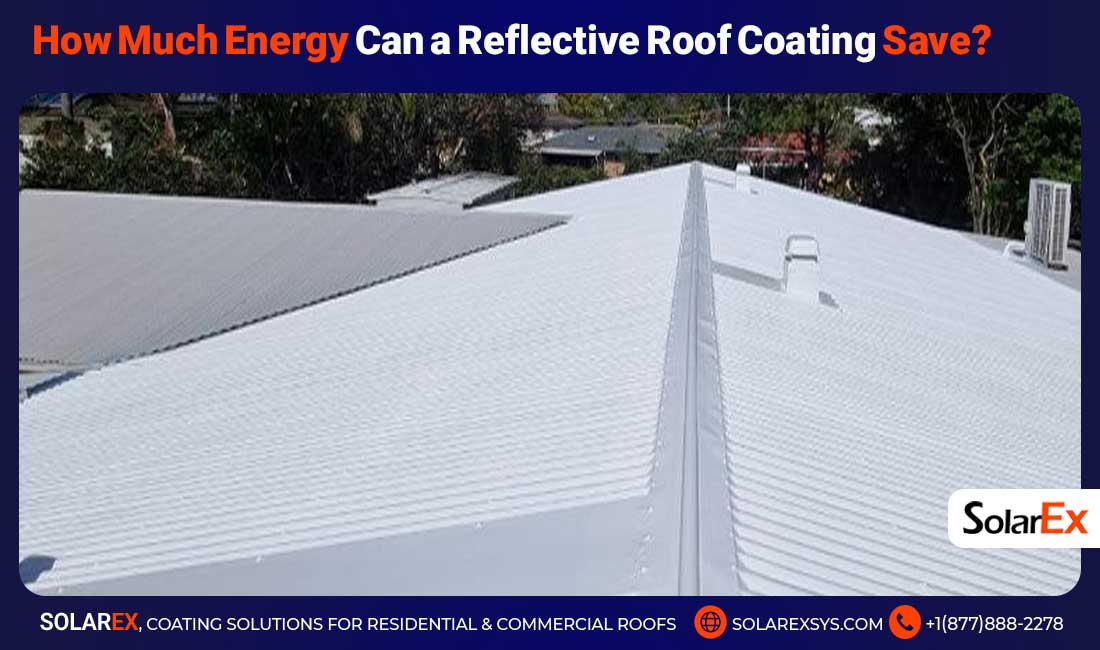
The amount of energy a reflective roof coating can save depends on several factors, including the building location, roof material, insulation quality, climate conditions, and the type of coating applied. Instead of allowing sunlight to turn into trapped heat, reflective coatings help send more solar energy away from the roof surface and reduce heat transfer into the building.
During hot seasons, roofs with dark surfaces can absorb a large amount of heat, increasing the workload of cooling systems. A properly installed energy saving roof coating helps maintain a lower roof temperature, which can support more efficient HVAC operation and improve indoor comfort.
Energy savings are usually more noticeable in buildings with large roof areas or high cooling demands, such as commercial facilities, warehouses, and industrial properties. However, the actual results vary depending on the condition and requirements of each project.
Several factors influence the final energy performance of a reflective roof coating:
- Climate and sunlight exposure: Buildings located in warmer and sunnier regions usually have greater potential for energy savings because roofs receive more solar heat throughout the year.
- Roof material and condition: The existing roof surface affects how well the coating performs. Proper preparation and selecting the right system are essential for achieving consistent results.
- Coating reflectivity: Higher reflective properties help reduce heat absorption and keep the roof surface cooler during periods of intense sunlight.
- Building energy usage: Properties that rely heavily on air conditioning may notice a greater difference because reducing heat transfer can lower cooling demand.
- Installation quality: Even a high-performance coating may not deliver expected results if it is not applied correctly or the roof surface is not properly prepared.
Beyond energy efficiency, reflective coatings can also help reduce thermal stress on roofing materials caused by repeated expansion and contraction. Solutions such as shingle roof coating can provide additional protection for suitable roof surfaces, while waterproof roof coating can help improve resistance against moisture-related damage.
Before choosing a coating system, reviewing Energy saving roof coating reviews and comparing different products based on durability, maintenance needs, and application requirements can help property owners make a more informed choice.
Energy saving roof coating cost
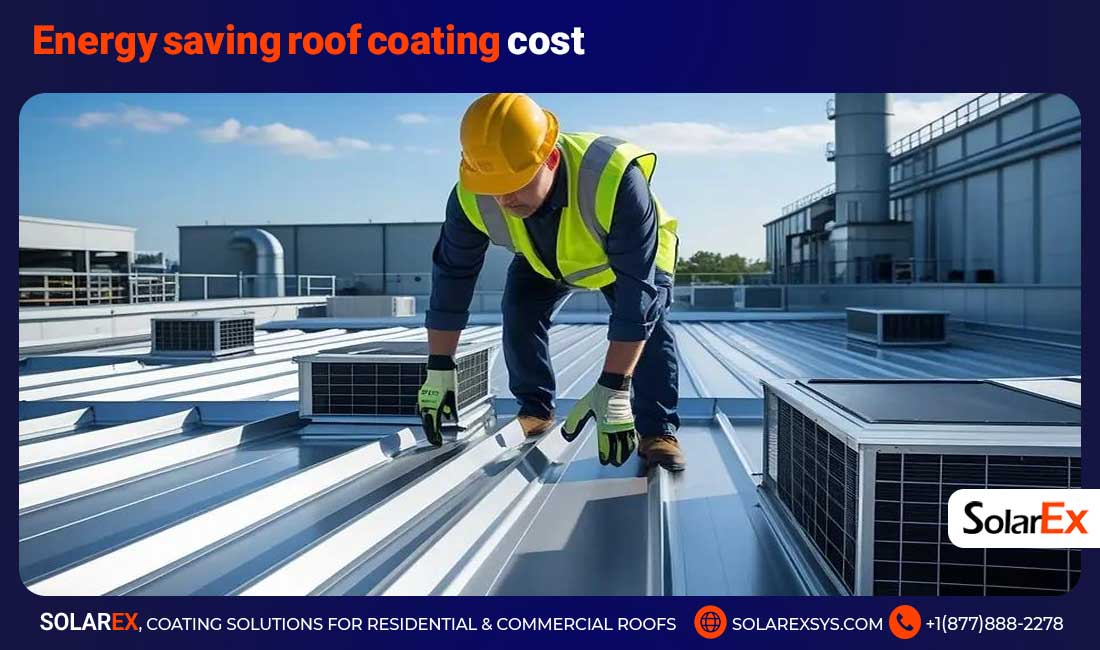
The cost of an energy saving roof coating depends on several factors, and there is no fixed price that applies to every building. The final investment is influenced by the roof size, existing surface condition, coating material, preparation work, and application requirements.
Understanding these factors helps property owners estimate the project budget more accurately and choose a solution that matches their roof performance goals.
The main factors that affect Energy saving roof coating cost include:
- Roof size and project area: Larger roof surfaces usually require more material and labor, which directly affects the total project cost.
- Roof condition before application: Roofs with cracks, damage, dirt buildup, or previous coating layers may need additional preparation before the new system is installed.
- Type of coating selected: Different materials such as silicone, acrylic, and polyurethane have different price ranges based on durability, performance, and application requirements.
- Surface preparation requirements: Cleaning, repairs, and priming can increase the overall cost but help improve coating performance and lifespan.
- Installation quality and expertise: Professional application ensures the coating is applied correctly and helps prevent performance issues caused by improper installation.
While the initial cost is an important consideration, property owners should also evaluate the long-term value of the coating system. A well-selected energy saving roof coating can help reduce heat absorption, support better cooling efficiency, and protect the existing roof from weather-related damage.
For businesses looking for a durable roofing solution, comparing Energy saving roof coating cost with factors such as expected lifespan, maintenance needs, and energy performance can provide a clearer view of the overall value rather than focusing only on the upfront price.
At SolarEx, roof coating solutions are selected based on project requirements to help businesses improve roof performance with high-quality materials and professional application standards. The right system depends on the building structure, climate conditions, and long-term goals of each property.
SolarEx Energy-Efficient Roof Coating Solutions
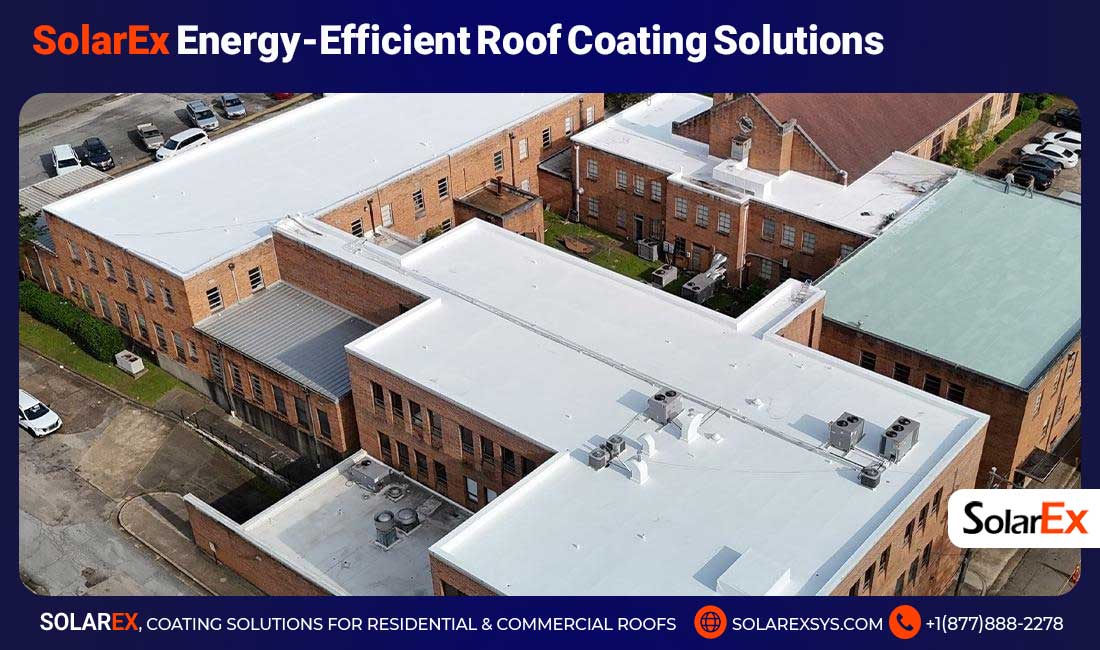
At SolarEx, we help property owners improve roof performance with energy-efficient coating solutions designed to reduce heat absorption, protect existing roofing systems, and support better building efficiency. Our approach focuses on understanding the condition of each roof and selecting a coating system that matches the project requirements.
Choosing the right energy saving roof coating is not only about applying a reflective layer to the roof. The quality of preparation, product selection, and installation process all influence the final performance of the system.
Why Choose SolarEx Roof Coating Services?
Working with an experienced team helps ensure that your roof coating project is planned correctly from the beginning. At SolarEx, our solutions are focused on long-term roof protection and improved energy performance.
Key benefits of choosing SolarEx include:
- Project-based coating selection: We evaluate roof conditions and recommend a suitable coating system based on the building structure, surface type, and performance goals.
- Improved energy efficiency: Our roof coating solutions help reduce heat absorption and support better temperature control inside the building.
- Protection against weather exposure: High-quality coatings create an additional protective layer against UV rays, temperature changes, and environmental factors.
- Extended roof performance: Applying the right coating system can help maintain the existing roof condition and reduce the need for premature replacement.
- Professional application process: Careful surface preparation and proper installation help the coating perform effectively over time.
- Solutions for different building needs: From commercial properties to industrial facilities, SolarEx provides coating options based on the specific requirements of each project.
If you are looking for a reliable solution to improve your roof’s efficiency and protection, SolarEx can help you choose the right coating system for your building. Contact our team today to discuss your project requirements and find the most suitable roof coating solution.
Contact SolarEx:
- Address: 700 Allston Way Berkeley, CA 94710, USA
- Phone: +1 (877) 888-2278
- Email: info@solarexsys.com
Conclusion; How Can energy saving roof coating Help You Improve Roof Performance and Reduce Energy Costs?
Choosing the right roof coating can make a meaningful difference in how efficiently a building manages heat, energy use, and long-term roof protection. An energy saving roof coating helps reduce solar heat absorption, supports better cooling performance, and protects roofing surfaces from weather-related damage when it is properly selected and installed. Understanding coating types, application requirements, and cost factors allows property owners to choose a solution that fits their building’s needs. SolarEx helps businesses find suitable roof coating solutions focused on improving efficiency, extending roof performance, and creating long-term value.
FAQs Energy Saving Roof Coating
What is energy saving roof coating and how does it work?
An energy saving roof coating is a protective layer applied to roofing surfaces to reduce heat absorption from sunlight. These coatings reflect solar energy and help keep the roof temperature lower, which can reduce heat transfer into the building and support more efficient cooling performance.
How much does energy saving roof coating cost?
The Energy saving roof coating cost depends on factors such as roof size, coating material, surface preparation, installation requirements, and the condition of the existing roof. A professional assessment helps determine the most suitable system and provides a more accurate estimate based on the specific project.
How long does an energy-efficient roof coating last?
The lifespan of a roof coating depends on the coating type, installation quality, weather conditions, and regular maintenance. High-quality coatings that are properly applied can provide long-term protection while helping maintain roof performance and reduce the need for frequent repairs.