

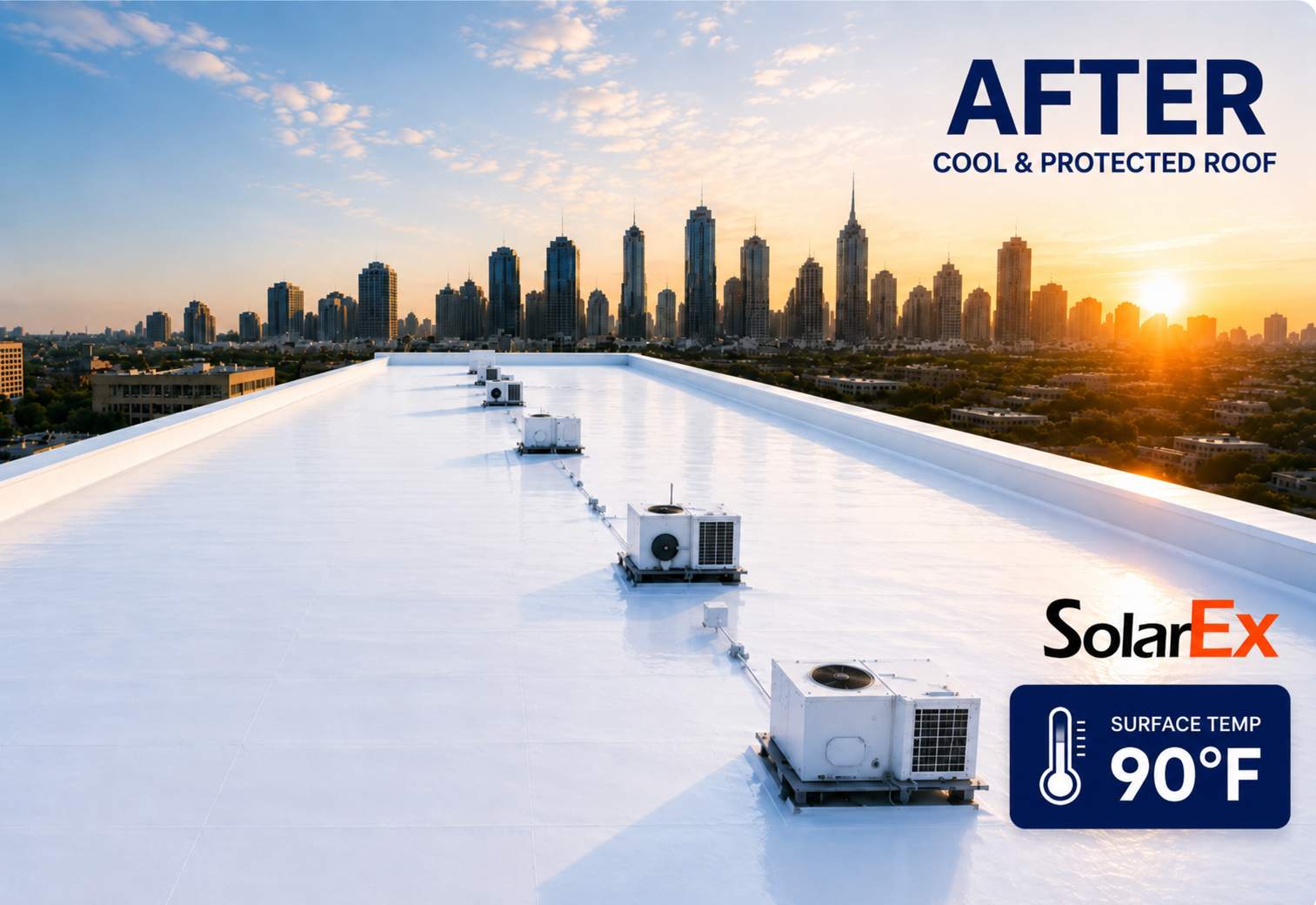
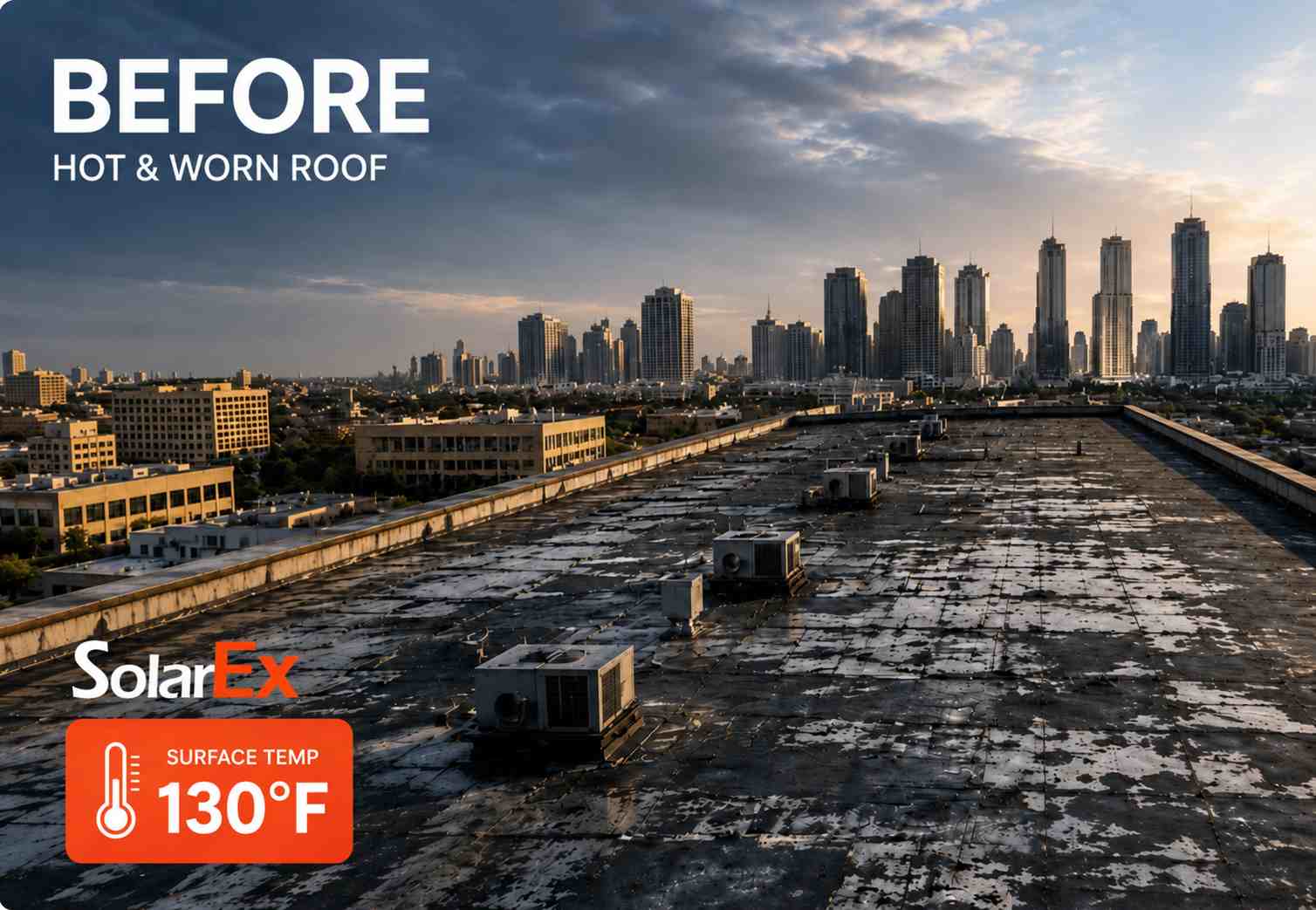

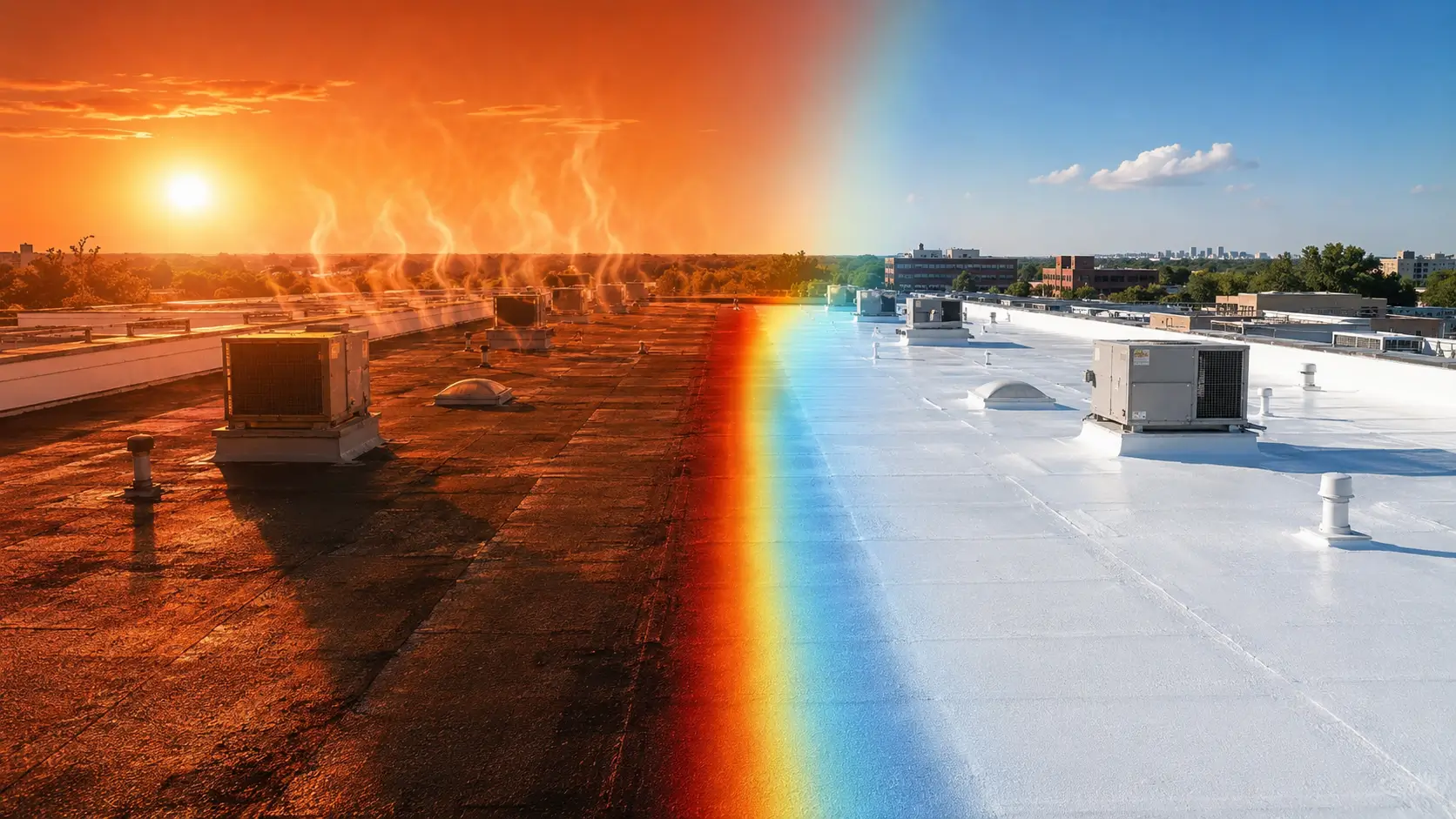
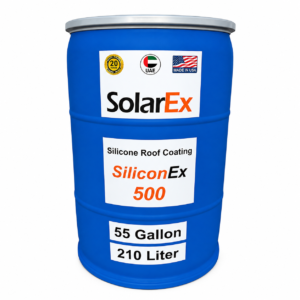

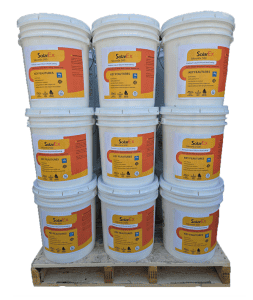
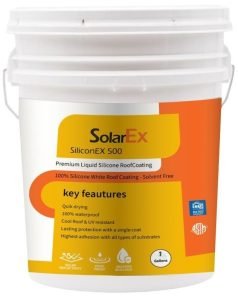

If you are looking for a reliable way to extend the life of a commercial roof without the cost and disruption of full replacement, silicone roof coating may be the right solution. Choosing the right coating system, however, depends on roof type, surface condition, drainage, preparation, primer requirements, and warranty goals. This guide explains how silicone roof coatings work, where they perform best, their limitations, and how to decide whether they are the right fit for your project. Stay with us at SolarEx for a complete overview and expert insights.
What Is Silicone Roof Coating?
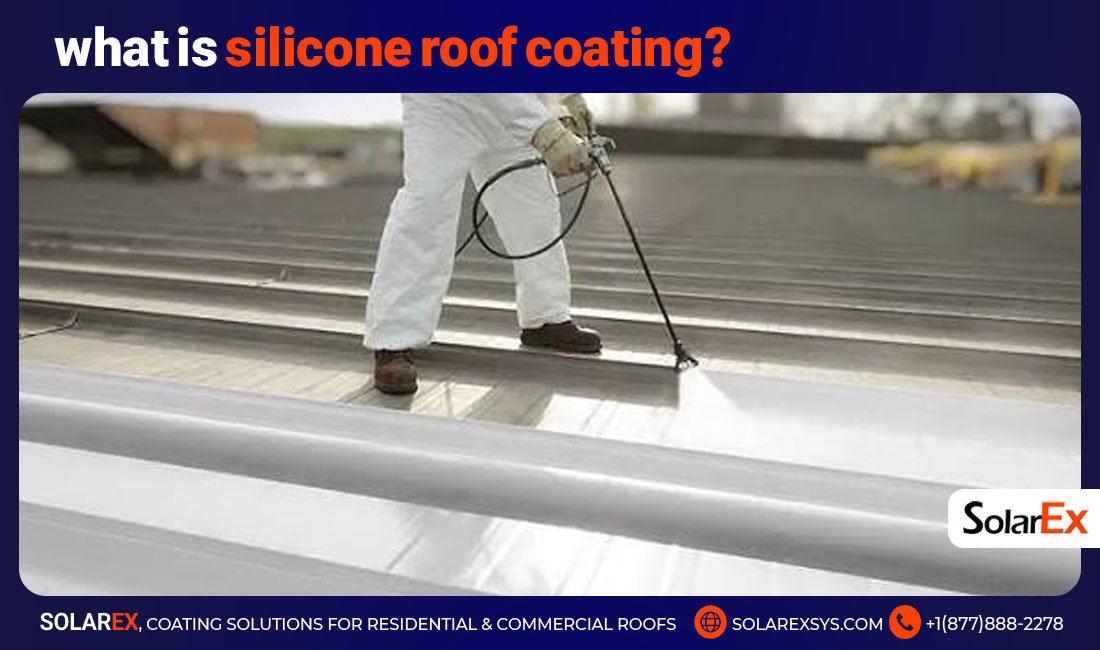
A silicone roof coating is a high-performance protective layer designed to restore aging roofs and provide long-lasting resistance against water, UV exposure, and harsh weather conditions. Thanks to its excellent waterproofing properties, it has become one of the most widely used solutions for extending the service life of commercial roofing systems without the need for a complete roof replacement.
One of the biggest advantages of silicone roof coating is its versatility. It can be applied to a wide range of roofing substrates, including metal roofs, EPDM, TPO, PVC, modified bitumen, built-up roofing (BUR), concrete roof decks, and spray polyurethane foam (SPF). This broad compatibility makes it a practical option for many commercial and industrial buildings.
Before selecting the Best silicone roof coating for your project, it is important to understand how this system performs in real-world applications. In the following section, we will explore the Silicone roof coating pros and cons to help you determine whether it is the right solution for your roofing needs.
Silicone Roof Coating Pros and Cons
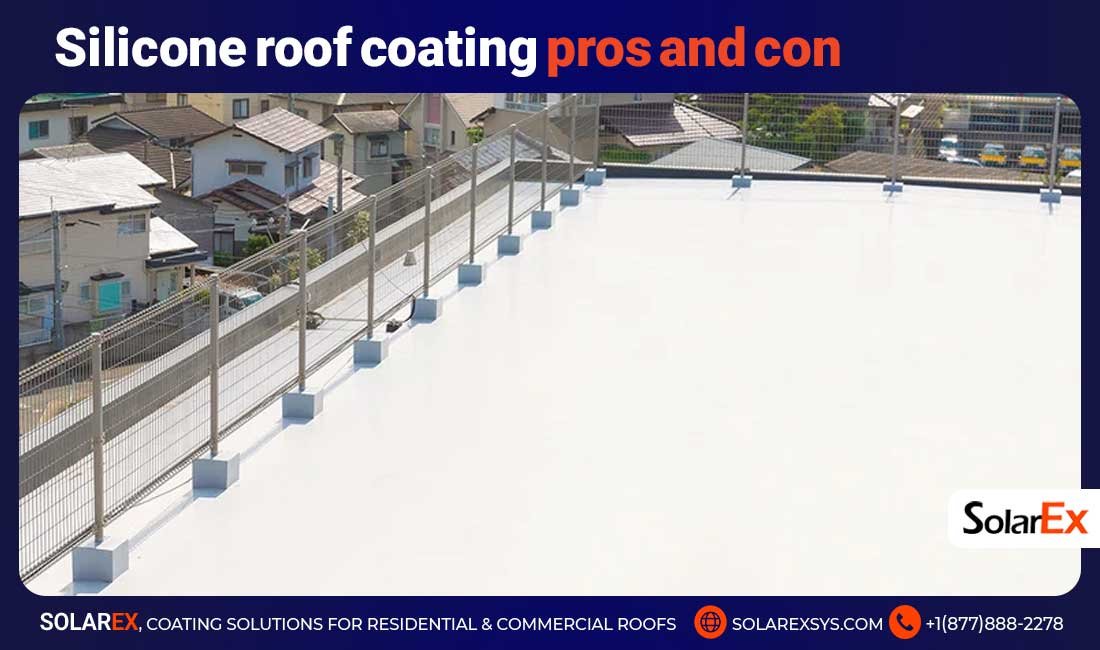
Before investing in a silicone roof coating, it is important to evaluate both its strengths and its limitations. While this roofing solution is widely recognized for its exceptional waterproofing performance and durability, understanding its practical advantages and maintenance requirements will help you determine whether it is the right fit for your building. The table below provides a side-by-side comparison of the most important Silicone roof coating pros and cons.
Advantages | Disadvantages |
Outstanding Ponding Water ResistanceUnlike many other coatings, silicone does not absorb water after curing. This allows it to withstand long-term ponding water without breaking down or losing performance. | Prone to Dirt AccumulationThe coating surface naturally attracts airborne dust and dirt. Over time, this layer can reduce solar reflectivity if regular cleaning is neglected. |
Excellent UV ReflectivityReflects approximately 80–90% of harmful UV rays, helping lower roof temperatures, reduce cooling costs, and decrease HVAC energy demand during hot seasons. | Reflectivity Can Decline Over TimeAs dirt accumulates, the roof may absorb more heat, making periodic maintenance essential to preserve energy efficiency. |
Long-Term Resistance to SunlightSilicone remains stable under continuous UV exposure and is far less likely to crack, chalk, or become brittle compared with many elastomeric coatings. | Requires Routine MaintenanceA professional pressure wash every 6–12 months is generally sufficient to restore reflectivity and maintain peak performance. |
Highly Flexible MembraneCreates a seamless waterproof barrier capable of accommodating thermal expansion, resisting oxidation, and tolerating extreme weather conditions. | More Demanding InstallationIts solvent-based formulation requires clean, well-maintained spray equipment and experienced applicators to achieve the best results. |
High Solids FormulaMost 100% Silicone Roof Coating products contain more than 90% solids, allowing greater dry-film thickness with fewer application passes and reduced labor time. | Professional Application RecommendedProper surface preparation and installation techniques are essential to maximize coating performance and longevity. |
Environmentally ResponsibleModern silicone coatings are typically low in VOCs, solvent-free, and compliant with strict environmental and safety regulations. | — |
Overall, the benefits of silicone roof coating significantly outweigh its drawbacks in most commercial roofing applications. When installed correctly and maintained with periodic cleaning, it provides reliable waterproofing, outstanding UV protection, and a service life that can extend for decades. Understanding these Silicone roof coating pros and cons allows you to make a more informed investment and choose a roofing solution that delivers lasting value.
Silicone Coating vs. Total Roof Replacement
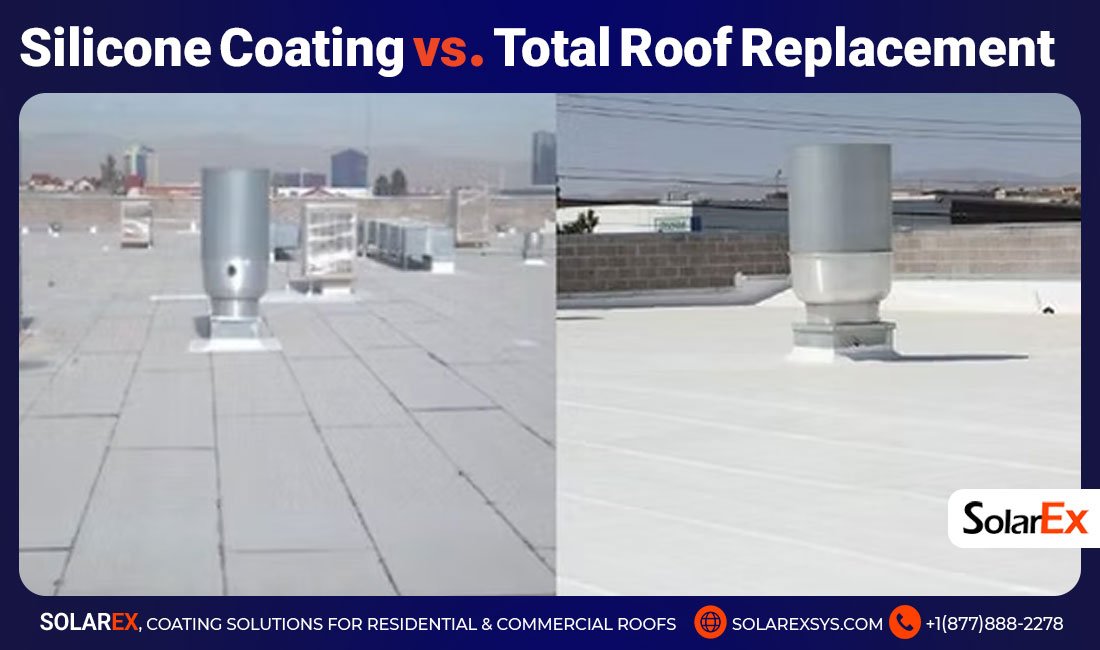
When a commercial roof begins to show signs of aging, many property owners assume that a complete roof replacement is the only solution. In reality, that is not always the case. If the existing roofing system is still structurally sound and free from extensive moisture damage, applying a silicone roof coating can restore its waterproof performance and significantly extend its service life without the expense and disruption of a full replacement. Industry experts generally recommend restoration when the roof is still in good structural condition, while replacement is reserved for roofs with severe deterioration or widespread substrate failure.
Comparison Factor | Silicone Roof Coating | Total Roof Replacement |
Purpose | Restores and protects the existing roof by creating a seamless waterproof membrane. | Removes the entire roofing system and installs a completely new roof. |
Cost | Significantly lower upfront investment, making it a cost-effective restoration option. | Considerably higher due to demolition, disposal, new materials, and labor. |
Installation Time | Usually completed within a few days, depending on roof size and weather conditions. | May require several days or even weeks for large commercial buildings. |
Business Disruption | Minimal interruption to daily operations since the existing roof remains in place. | Greater disruption because of tear-off, debris removal, and construction activities. |
Roof Lifespan | Can extend the roof’s service life by 10–20 years, with future recoating options available. | Provides a completely new roofing system with the longest expected lifespan. |
Waste Generation | Environmentally friendly with little construction waste because no tear-off is required. | Produces a significant amount of roofing waste that must be transported and disposed of. |
Best Application | Ideal for roofs that remain structurally sound but require renewed waterproofing and UV protection. | Recommended when the roof has severe structural damage, saturated insulation, or widespread membrane failure. |
For many commercial buildings, restoring the existing roof with a silicone roof coating delivers an excellent balance between performance, longevity, and cost. However, if inspections reveal structural deterioration, trapped moisture, or extensive damage beneath the roofing membrane, a complete replacement becomes the more reliable long-term investment. Choosing the right solution starts with a professional roof assessment that evaluates the actual condition of the existing system rather than relying solely on its age.
Compatible Substrates: Can It Be Applied to Your Roof?
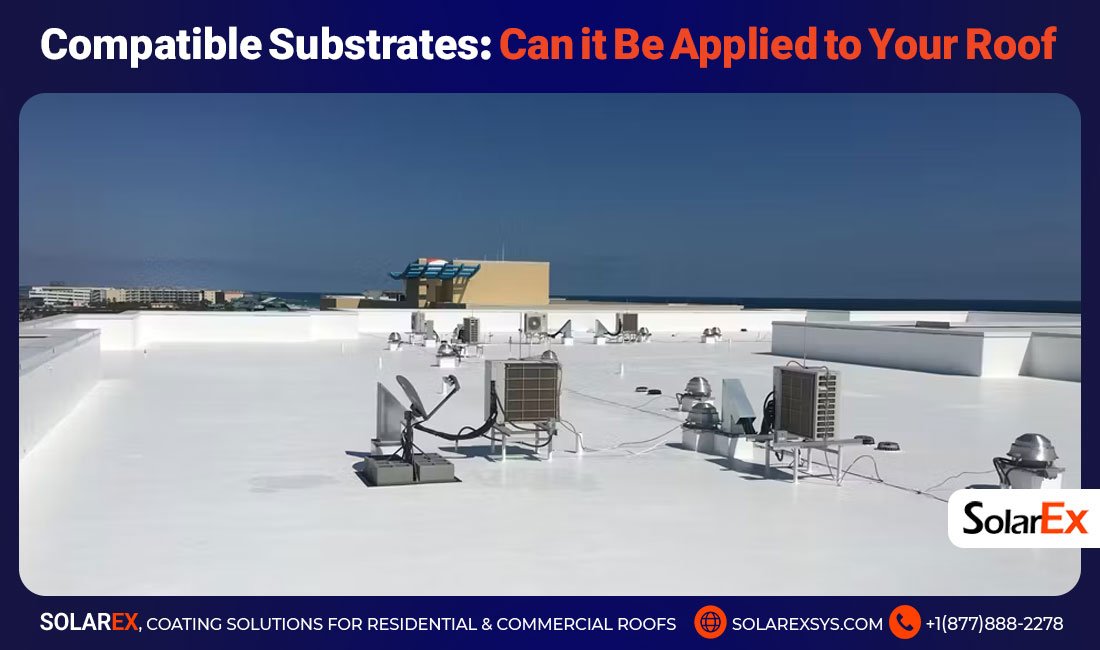
One of the reasons silicone roof coating is widely used in commercial roofing is its compatibility with a broad range of roofing systems. When the existing roof is clean, dry, and structurally sound, a silicone coating can create a seamless waterproof membrane that enhances weather resistance, reflects UV radiation, and extends roof life without requiring a complete replacement. However, proper surface preparation and adhesion testing are always recommended before installation to ensure long-term performance.
EPDM Roofs
EPDM roofing membranes are among the most common substrates for silicone roof coating restoration. After thorough cleaning and the appropriate primer—when required—a silicone coating forms a durable waterproof barrier that helps protect the membrane from UV degradation and environmental aging.
TPO Roofs
TPO roofing systems are excellent candidates for silicone restoration. A properly installed coating improves weather resistance, minimizes heat absorption, and can significantly extend the service life of the existing roof while avoiding the expense of replacement.
PVC Roofs
PVC membranes can also benefit from 100% Silicone Roof Coating when the surface is properly prepared. The coating reinforces waterproofing performance and provides long-term protection against harsh weather conditions and prolonged sunlight exposure.
Metal Roofs
Metal roofs are one of the most popular applications for silicone roof coating. The coating seals fasteners, overlaps, and minor surface imperfections while protecting the roof against corrosion, moisture intrusion, and UV damage. It also helps reduce roof surface temperatures, improving overall energy efficiency.
Concrete Roof Decks
Concrete roofs naturally develop hairline cracks over time due to thermal movement. Silicone coatings provide a flexible, seamless membrane that bridges minor cracks, prevents water penetration, and protects the concrete from further weather-related deterioration.
Asphalt Built-Up Roofs (BUR)
Built-Up Roofing (BUR) systems can be successfully restored using silicone coatings when the roof remains structurally sound. Instead of removing the existing roof, the coating renews its waterproofing capabilities and extends its operational lifespan.
Modified Bitumen Roofs
Modified bitumen roofs are highly compatible with silicone roof coating because of their durable surface and excellent adhesion characteristics. Once applied, the coating enhances UV resistance, improves waterproofing, and reduces the effects of thermal expansion and contraction.
Selecting the Best silicone roof coating is only part of a successful roofing project. Equally important is confirming that the existing roofing substrate is suitable for restoration. A professional roof inspection ensures proper adhesion, maximizes long-term performance, and helps you achieve the full Silicone roof coating coverage and service life expected from a high-quality silicone roofing system.
Silicone Roof Coating Coverage
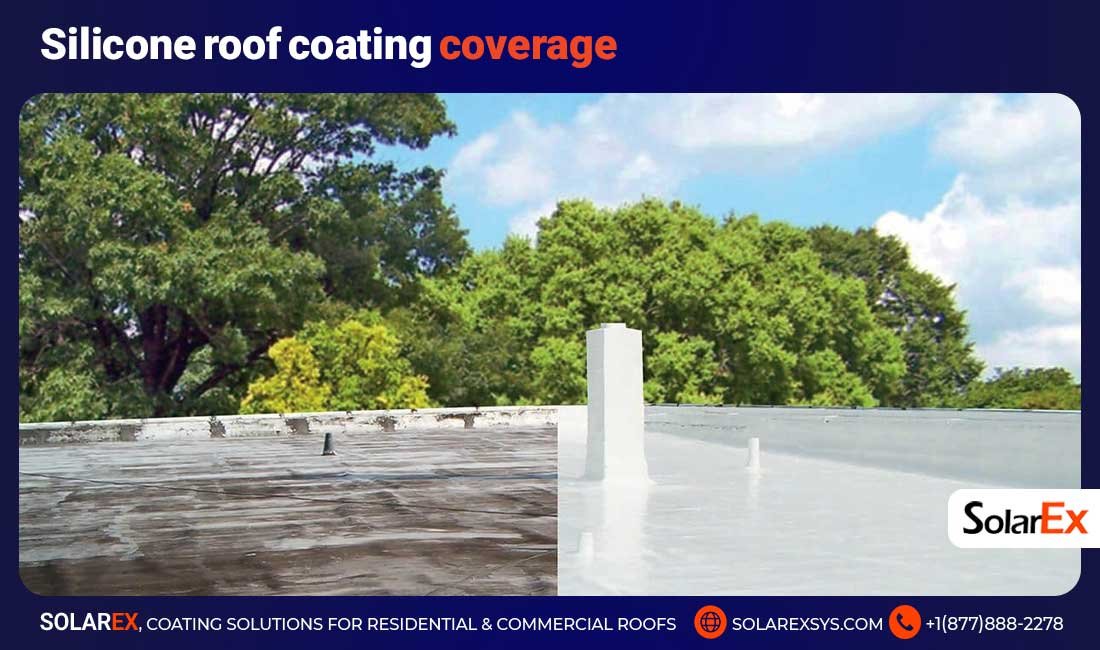
One of the most common questions before starting a roofing project is how much area a silicone roof coating can cover. The answer depends on several factors, including the coating’s solids content, the condition of the existing roof, the required dry film thickness, and the manufacturer’s specifications. Applying the correct amount of material is essential to achieve the expected waterproofing performance, durability, and warranty coverage.
In general, the Silicone roof coating coverage of a high-quality product ranges between 2 and 3.5 gallons per 100 square feet. Smooth roof surfaces usually require less material, while rough or weathered substrates may need additional coating to achieve the recommended film thickness.
Roof Condition | Typical Application Rate | Expected Coverage |
Smooth, well-maintained surface | 2.0 gallons per 100 sq. ft. | Approximately 50 sq. ft. per gallon |
Moderately weathered roof | 2.5 gallons per 100 sq. ft. | Approximately 40 sq. ft. per gallon |
Rough or heavily textured surface | 3.0–3.5 gallons per 100 sq. ft. | Approximately 28–33 sq. ft. per gallon |
It is important to remember that Silicone roof coating coverage should never be estimated based solely on roof size. Surface texture, existing repairs, seams, penetrations, and substrate porosity all influence the final material consumption. For this reason, professional contractors typically perform an on-site roof inspection before calculating the required coating quantity.
Using a premium 100% Silicone Roof Coating at the manufacturer’s recommended coverage rate ensures consistent membrane thickness, better UV protection, reliable waterproofing, and maximum long-term performance. Although applying less material may reduce the initial cost, it can compromise durability and shorten the expected lifespan of the roofing system.
Long-Term Protection: Warranties and Lifespan
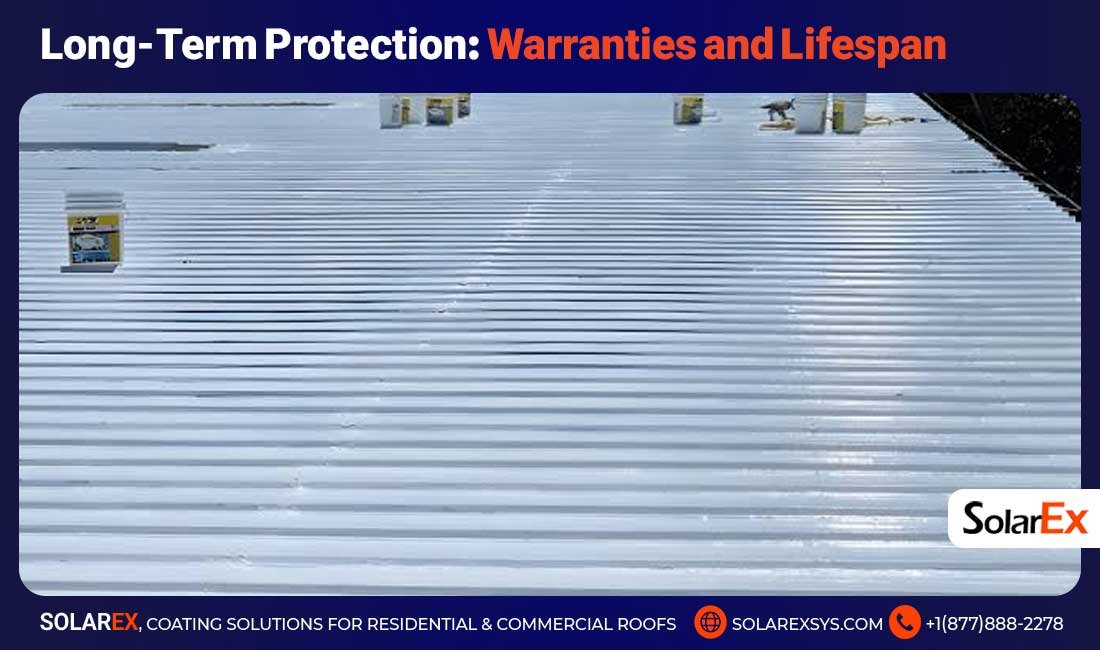
One of the biggest advantages of a silicone roof coating is its long-term performance. When installed according to the manufacturer’s specifications and applied at the correct Silicone roof coating coverage, a high-quality silicone roofing system can provide 10 to 20 years of reliable protection against water intrusion, UV radiation, and weather-related deterioration. The exact lifespan depends on factors such as roof condition, coating thickness, climate, and routine maintenance.
Unlike traditional roofing systems, reaching the end of the warranty period does not necessarily mean the roof must be removed or replaced. In many cases, the existing silicone membrane remains firmly bonded to the substrate and continues to perform well. Instead of investing in a costly roof replacement, the system can be restored through a recoat process.
Recoat to Restore
One of the most valuable features of silicone roof coating is its ability to be renewed. After the original warranty expires, the roof is typically inspected, cleaned, and repaired where necessary before applying a new, thin layer of silicone over the existing coating. This process, commonly known as Recoat to Restore, restores the waterproof membrane, renews UV protection, and often qualifies the roof for an additional warranty period.
Compared with complete roof replacement, recoating offers several important benefits:
- Extends the roof’s service life without removing the existing roofing system.
- Reduces project costs and minimizes construction waste.
- Requires less downtime and causes minimal disruption to building operations.
- Restores waterproofing performance and solar reflectivity.
- Provides an opportunity to renew the manufacturer’s warranty when installed according to specification.
For building owners looking for a sustainable, long-term roofing solution, a premium 100% Silicone Roof Coating offers more than immediate protection—it provides a renewable roofing system that can continue performing for decades with proper maintenance and timely recoating. This makes silicone roof coating one of the most cost-effective restoration solutions available for commercial and industrial roofs.
According to one of our customers’ experience: “After applying a silicone roof coating to our 45,000 sq. ft. warehouse roof, recurring leaks during heavy rainfall were eliminated, and summer roof surface temperatures noticeably decreased. Within the first year, our maintenance requirements were significantly reduced, making the coating a far more cost-effective solution than a complete roof replacement.”
This experience is far from an isolated case. Across independent silicone roof coating reviews, commercial property owners consistently point to the same results: fewer leaks, lower cooling costs, and years of maintenance-free performance. Reading through verified customer feedback before choosing a supplier is one of the simplest ways to confirm you are investing in a system that performs as promised.
Silicone Roof Coating Price
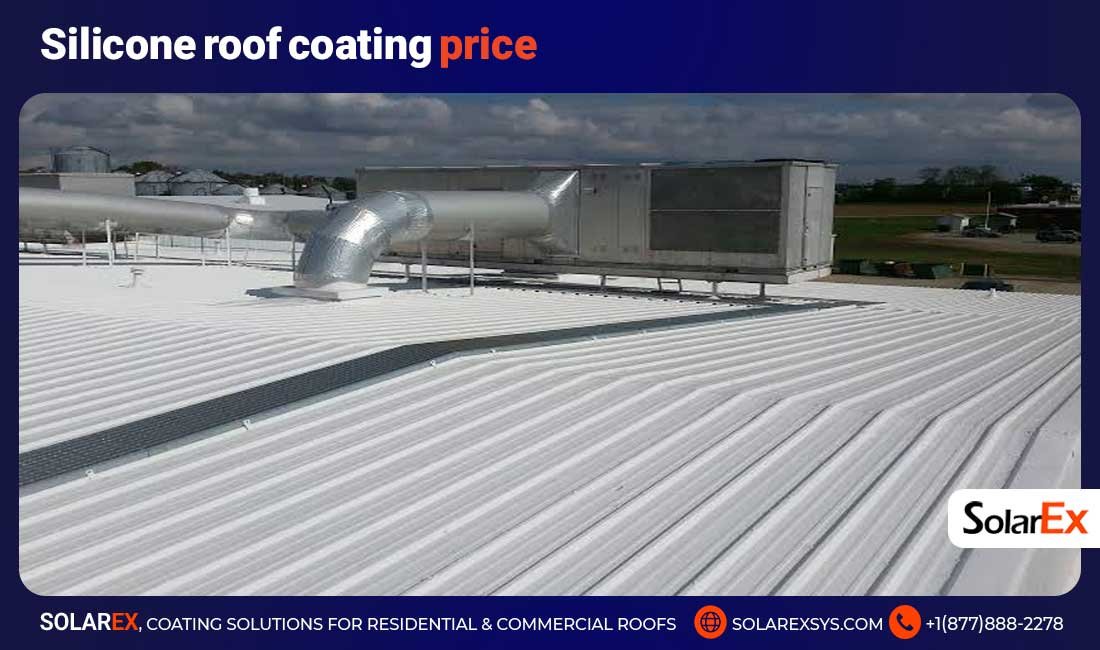
The Silicone roof coating price can vary significantly from one project to another because every roof has different conditions and performance requirements. Rather than focusing only on the initial installation cost, it is important to consider the long-term value. A professionally installed silicone roof coating can reduce maintenance expenses, improve energy efficiency, and postpone the need for a full roof replacement, making it a cost-effective investment over time.
Several factors influence the final Silicone roof coating price:
- Roof size – Larger roofs require more coating material and labor.
- Roof condition – Damaged areas, cracks, or existing leaks may require repairs before the coating is applied.
- Roof type – Metal, EPDM, TPO, PVC, BUR, and modified bitumen roofs may have different preparation requirements.
- Coating thickness – Higher dry-film thickness increases material usage and affects the overall Silicone roof coating coverage.
- Product quality – Premium 100% Silicone Roof Coating products generally cost more but deliver superior durability, UV resistance, and waterproofing.
- Application method – Spray or roller application, project complexity, and roof accessibility all impact labor costs.
- Warranty period – Longer warranty systems usually require additional coating thickness and stricter installation standards.
Many customers also search for the Silicone roof coating price per square foot when comparing roofing solutions. While pricing is commonly calculated on a square-foot basis, the actual cost should always be based on a professional roof inspection rather than a standard rate. This ensures the correct coating system, application thickness, and warranty requirements are considered.
At SolarEx, we believe that quality and value should go hand in hand. We offer high-performance silicone roofing solutions that combine competitive pricing with premium materials and professional technical support. Whether your goal is to restore an aging commercial roof or improve long-term weather protection, our team can help you select the most suitable system for your project while delivering excellent value for your investment.
[Suggested image: finished commercial roof with a bright reflective silicone coating on a sunny day, no watermark]
Best Silicone Roof Coating
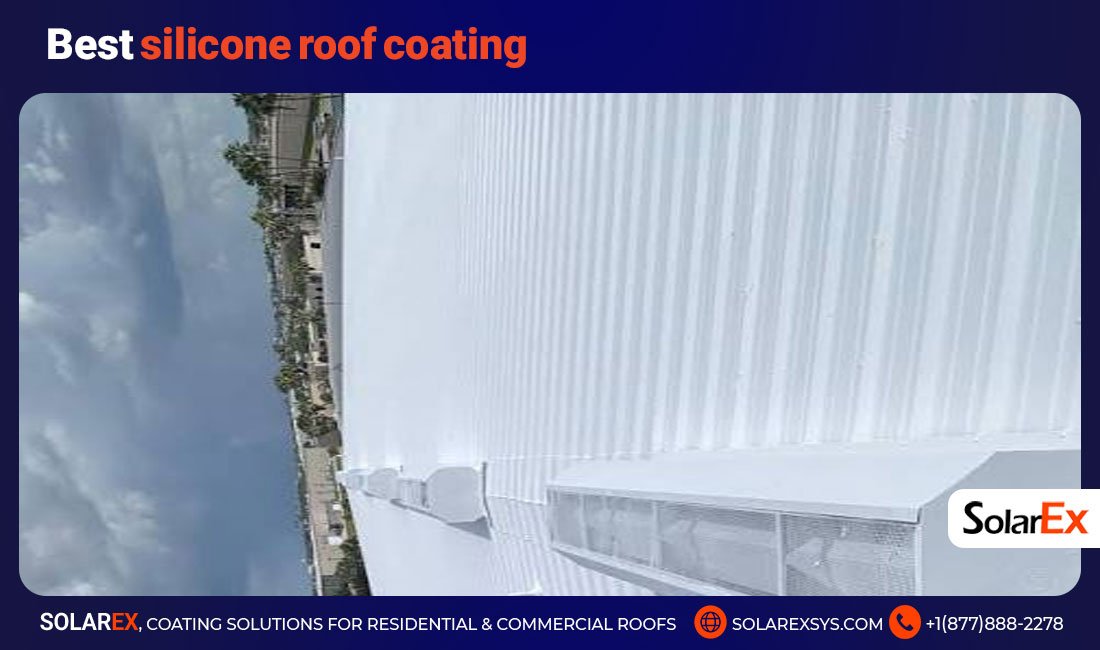
Choosing the Best silicone roof coating goes beyond selecting a popular brand. The right product should be compatible with your roofing system, withstand harsh weather conditions, and provide long-term waterproofing with minimal maintenance. A premium silicone roof coating should also offer excellent UV resistance, superior flexibility, and reliable adhesion to maximize the lifespan of your roof.
At SolarEx, we provide high-performance silicone roofing solutions for commercial and industrial buildings. Our products are carefully selected to deliver long-lasting protection, exceptional weather resistance, and consistent performance across a wide range of roofing substrates. Whether your project involves metal roofing, EPDM, TPO, PVC, BUR, or modified bitumen, our team can help you choose the most suitable coating system for maximum durability and value.
Why Choose SolarEx?
- Premium 100% Silicone Roof Coating solutions engineered for long-term performance.
- Outstanding resistance to ponding water, UV exposure, and extreme weather conditions.
- Excellent adhesion to multiple commercial roofing systems.
- High solar reflectivity that helps improve energy efficiency and reduce cooling costs.
- Cost-effective restoration without the need for a complete roof replacement.
- Professional product consultation and technical support tailored to your project.
- High-quality products at competitive prices backed by reliable customer service.
If you are searching for the Best silicone roof coating, SolarEx is committed to helping you find the right solution for your roofing project. Our team combines premium products with technical expertise to ensure your roof receives long-lasting protection and outstanding performance.
Contact SolarEx today for expert guidance, personalized product recommendations, and a customized quotation.
- Address: 700 Allston Way Berkeley, CA 94710, USA
- Phone: +1 (877) 888-2278
- Email: info@solarexsys.com
Final Verdict: Is Silicone Roof Coating Worth the Investment?
A high-quality silicone roof coating offers far more than a protective surface layer—it provides a practical way to improve waterproofing, enhance energy efficiency, and extend the life of an existing roof without the cost and disruption of a complete replacement. When the coating is properly selected, professionally applied, and maintained through periodic recoating, it continues to deliver reliable performance for many years. For commercial property owners seeking a durable, cost-effective, and sustainable roofing solution, silicone roof coating remains one of the most dependable investments for long-term roof protection.
Frequently Asked Questions Silicone Roof Coating
Are silicone roofs good?
Yes, they are. If your roof is structurally sound, applying a silicone roof coating can be an excellent way to improve waterproofing, reflect UV rays, and extend the roof’s lifespan without the cost of a complete replacement.
Is silicone roof coating paintable?
In most cases, you should avoid painting over a silicone roof coating because standard paints do not bond well to cured silicone. If changing the color or renewing the surface is necessary, use a compatible silicone-based coating recommended by the manufacturer.
Can silicone roof coating be used on wood?
Generally, silicone roof coating is not designed for wood surfaces. It performs best on commercial roofing substrates such as metal, EPDM, TPO, PVC, concrete, BUR, and modified bitumen. If you need to coat a wooden surface, first confirm that the product is approved for that application.
Can you put silicone roof coating over acrylic?
Yes, but only if the existing acrylic coating is clean, firmly adhered, and in good condition. Before applying silicone over acrylic, inspect the roof carefully and prepare the surface according to the coating manufacturer’s guidelines to ensure proper adhesion.
What does silicone roof coating do?
A silicone roof coating creates a seamless waterproof membrane that helps protect the roof from standing water, UV exposure, weathering, and temperature fluctuations. It also improves energy efficiency by reflecting sunlight and reducing heat absorption.
How do you apply silicone roof coating?
To achieve the best results, first clean and inspect the roof, repair any damaged areas, and make sure the surface is completely dry. The silicone roof coating can then be applied using professional spray equipment or rollers at the manufacturer’s recommended coverage rate to ensure long-lasting protection and consistent performance.