


Operations Manager, GreenTech Industries
Operations Manager, GreenTech Industries
Operations Manager, GreenTech Industries
Operations Manager, GreenTech Industries
costs, and leave the building more exposed to seasonal weather. If you are comparing cool roof coating Washington options, the right system depends on more than reflectivity. Roof condition, drainage, membrane type, rainfall, and freezing temperatures all affect long-term performance. This guide covers suitable coating materials, installation costs, and the conditions in which restoration makes more sense than roof replacement. Read on for practical guidance from SolarEx.
What Is a Cool Roof Coating?
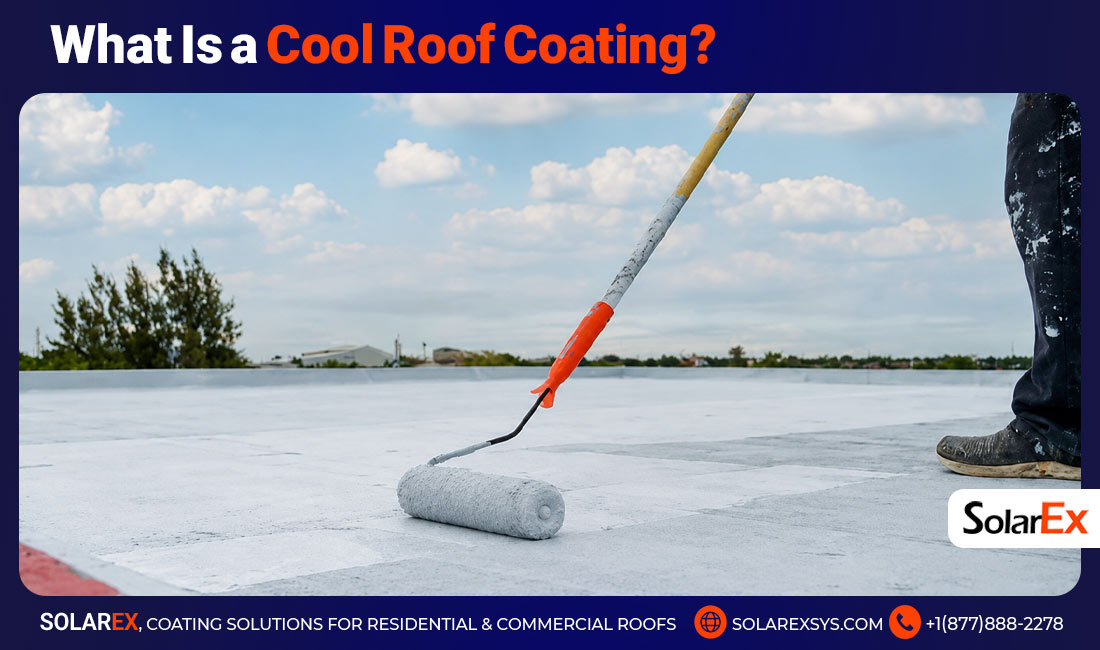
A cool roof coating is a fluid-applied roofing material that cures into a continuous, highly reflective surface over an existing roof. Usually white or light-colored, it is formulated to meet specific solar reflectance and thermal emittance ratings rather than simply serving as ordinary roof paint.
How Does Cool Roof Coating Work?
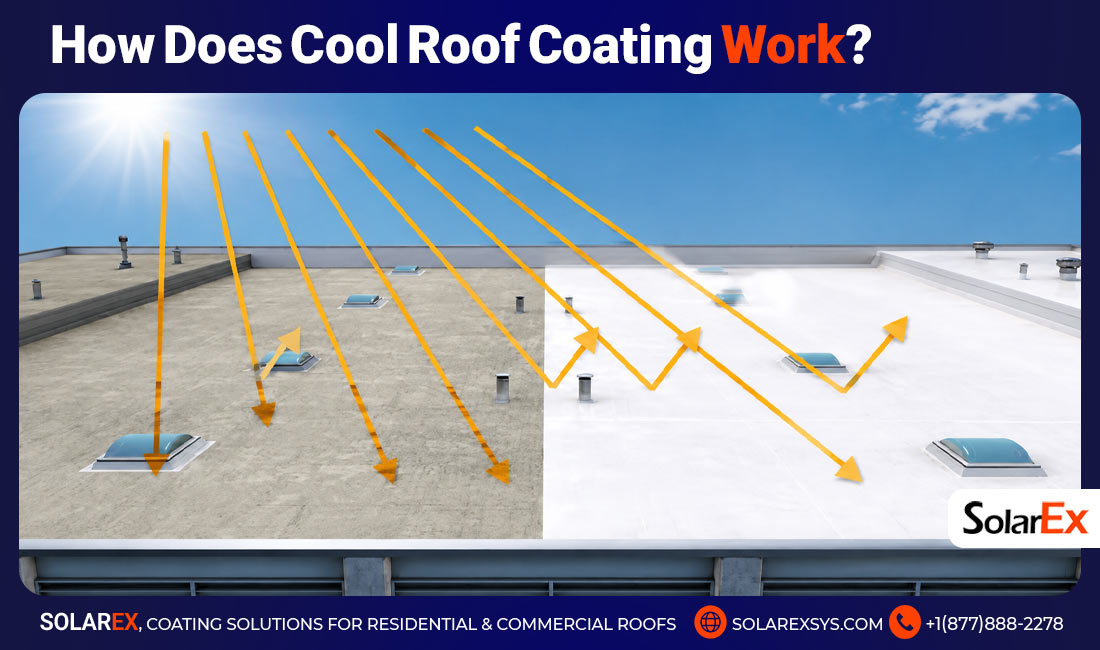
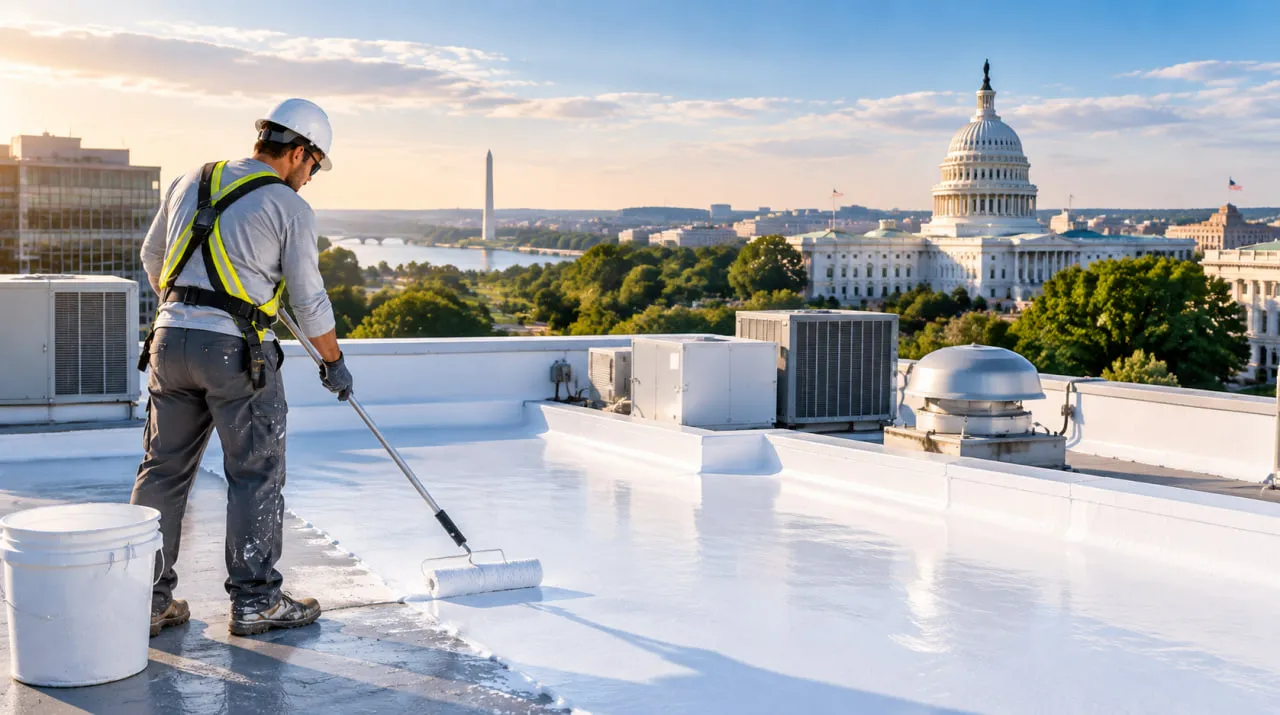
Cool roof coating reflects a large share of incoming sunlight and releases much of the heat it does absorb. This keeps the roof surface cooler and limits heat transfer into the building. Once cured, a reflective waterproof roof coating also creates a continuous layer that helps protect the roof from rain and standing water, provided the product is designed for those conditions.
Benefits of Installing Cool Roof Coating in Washington
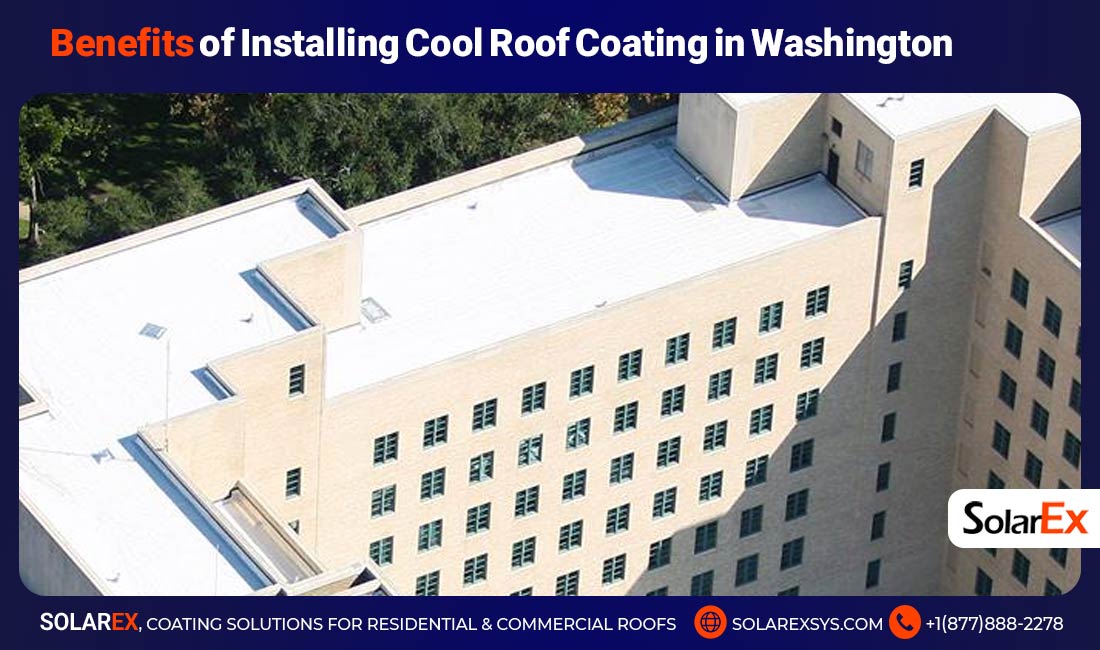
For property owners considering cool roof coating in washington, DC, the main advantages appear during hot, sunny weather. Below, we look at how a reflective coating can affect operating costs, roof condition, occupant comfort, and a building’s environmental footprint.
Lower Energy Costs
A cooler roof transfers less heat into the building, reducing the load on air-conditioning equipment. Actual savings depend on roof insulation, HVAC efficiency, building use, and the amount of roof exposed to direct sun.
Extending Roof Lifespan
Reflective coatings shield the existing membrane from UV exposure and limit extreme surface-temperature swings. On a dry, structurally sound roof, this added layer may slow cracking and weathering, helping postpone a full tear-off.
Improving Indoor Comfort
Less heat entering through the roof can make top-floor rooms and non-air-conditioned spaces more comfortable during Washington’s summer heat. The effect is often most noticeable in buildings with dark roofs or limited insulation.
Supporting Sustainable Buildings
Restoring a usable roof with an acrylic roof coating can keep old roofing material out of the landfill and reduce demand for replacement materials. Lower cooling loads can also cut peak electricity use and help limit urban heat buildup.
Is Cool Roof Coating Suitable for Washington Climate?
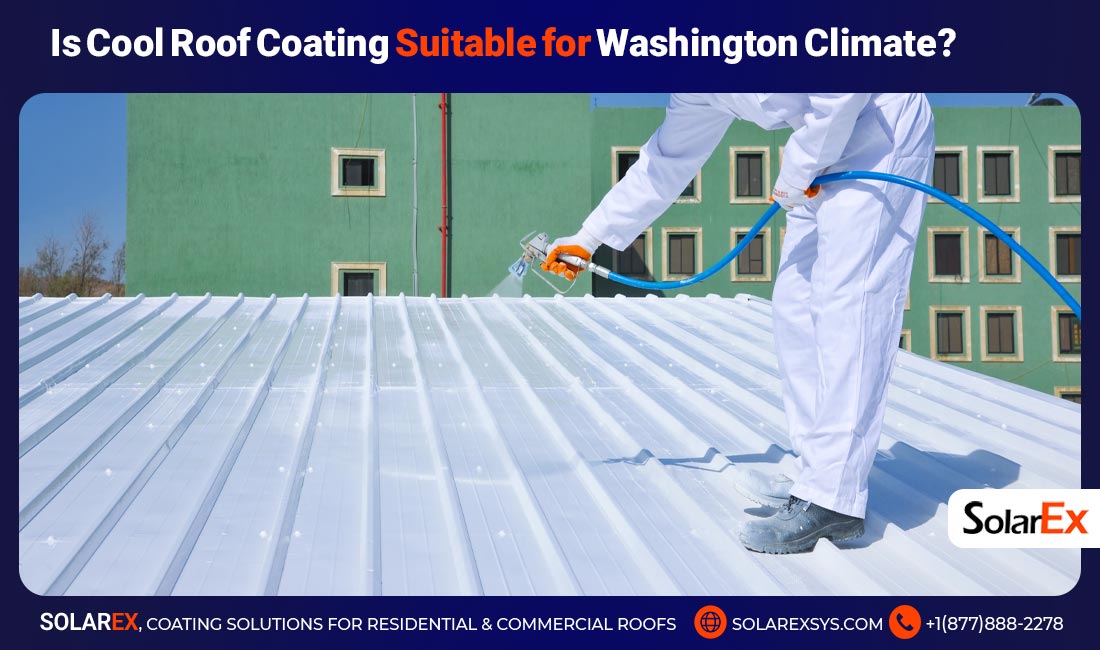
Yes, cool roof coating can perform well in Washington, DC’s mixed climate, especially during hot, humid summers when dark roof surfaces absorb substantial heat. There may be a small winter heating penalty, but the EPA notes that shorter days, a lower sun angle, and proper roof insulation tend to limit its impact.
Product selection and installation matter because Washington also experiences heavy rain, freezing temperatures, and seasonal temperature swings. A silicone roof coating can be a practical option for low-slope roofs exposed to frequent moisture or occasional ponding water, but the existing roof must first be inspected for trapped moisture, poor drainage, and damaged seams.
On one of our commercial roof coating projects, the existing membrane appeared suitable at first, but a closer inspection revealed open seams and several areas with poor drainage. We repaired those sections before applying the coating, which gave the system a more reliable surface and helped prevent early performance problems.
Types of Cool Roof Coatings in Washington
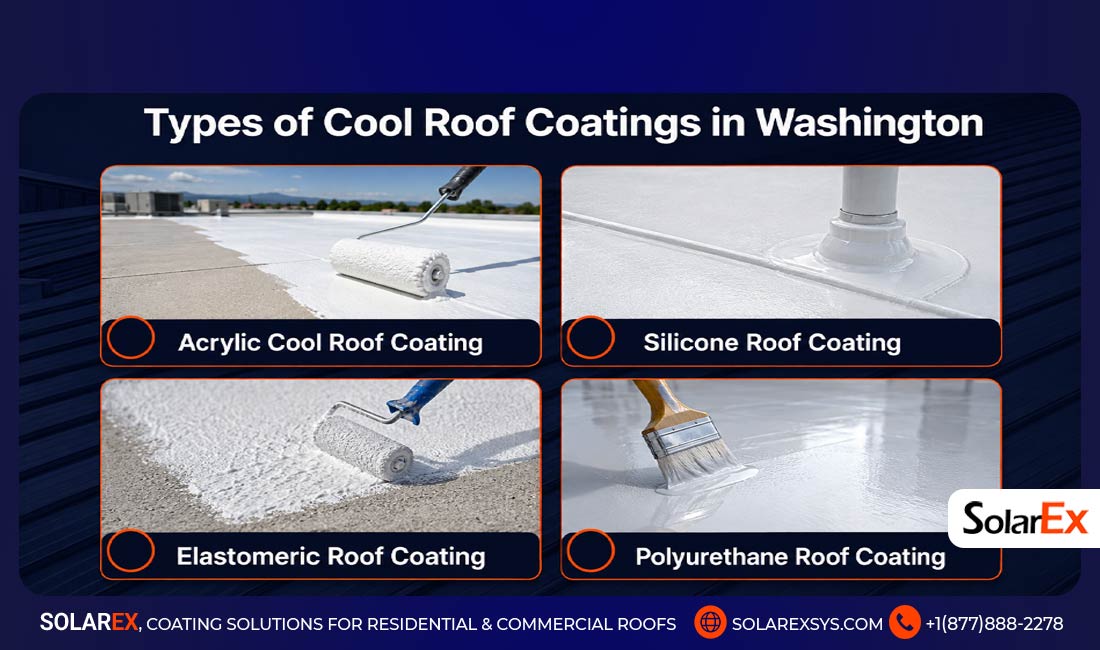
Coating selection depends on the roof membrane, drainage, foot traffic, and weather during installation. Most liquid-applied systems are intended for low-slope roofs; a shingle roof coating should be used only when the shingle manufacturer and coating supplier confirm compatibility.
Acrylic Cool Roof Coating
Acrylic coatings are water-based, reflective, and economical. They work well on properly drained metal and asphalt-based roofs but require dry, suitable temperatures during application and are not the first choice for persistent ponding water.
Silicone Roof Coating
Silicone handles UV exposure and standing water better than many coating types, making it useful for Washington roofs exposed to frequent rain. The surface can attract dirt and become slippery when wet, so drainage and maintenance access still need attention.
Elastomeric Roof Coating
The term elastomeric roof coating describes a flexible coating that stretches with the roof and bridges minor cracks or seams. Many acrylic, silicone, and polyurethane products are elastomeric, so the resin type and performance data matter more than the label alone.
Polyurethane Roof Coating
Polyurethane offers strong resistance to impact, abrasion, and regular foot traffic. It is often specified around rooftop equipment or service paths where a softer coating may wear prematurely.
Best Roof Types for Cool Roof Coating
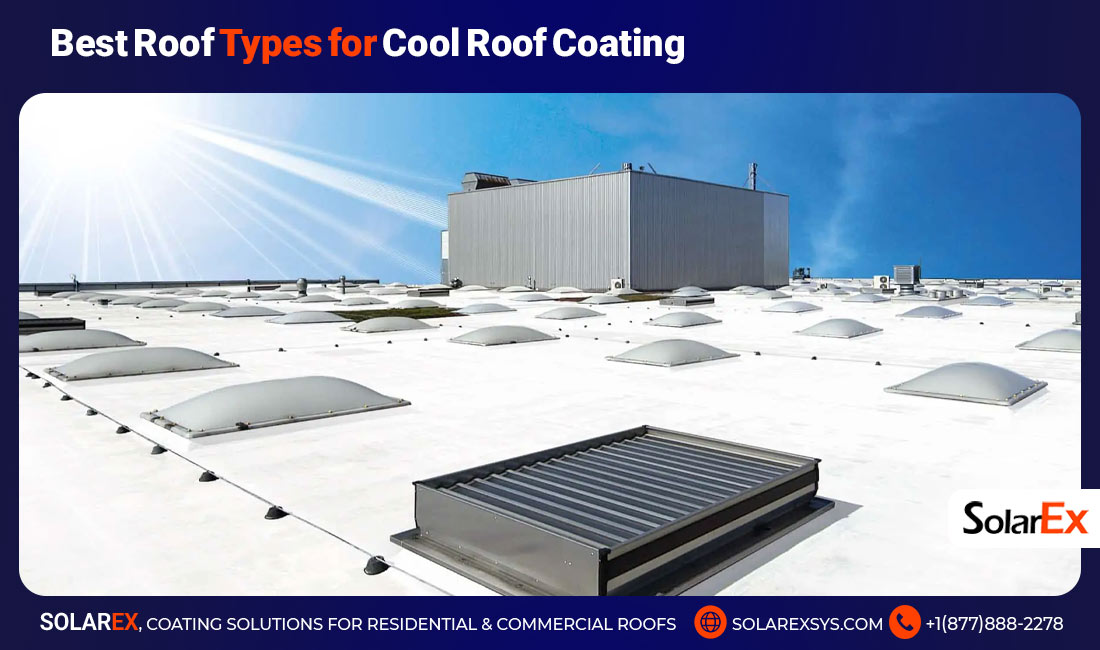
The best candidates for cool roof coating washington projects are structurally sound roofs with dry insulation and repairable surface defects. We’ll look at the systems most commonly restored with reflective coatings and the checks each one requires.
Flat Roofs
Flat roofs are usually built with a slight slope for drainage and provide a practical surface for liquid-applied coatings. Ponding areas, clogged drains, wet insulation, and failed seams must be corrected before coating begins.
Metal Roofs
Coatings can seal exposed fasteners, laps, and minor surface corrosion while creating a reflective finish. Rust must be treated first, and moving seams may require reinforcing fabric or a compatible sealant.
Commercial Roofing Systems
Warehouses, offices, and retail buildings often have large low-slope roofs that can be restored without disrupting operations below. A moisture scan helps determine whether localized repairs are enough or the roof is too damaged for coating.
Modified Bitumen Roofs
A sound modified bitumen roof can accept acrylic or silicone systems after cleaning, repairs, and adhesion testing. Granulated surfaces may need extra material or primer to achieve consistent coverage.
Single-Ply Membranes
Aged TPO, PVC, and EPDM membranes may be coated when the selected primer and coating are approved for that specific material. Seams, punctures, and loose sections must be repaired before application, and an adhesion test is necessary.
Cool Roof Coating vs Roof Replacement
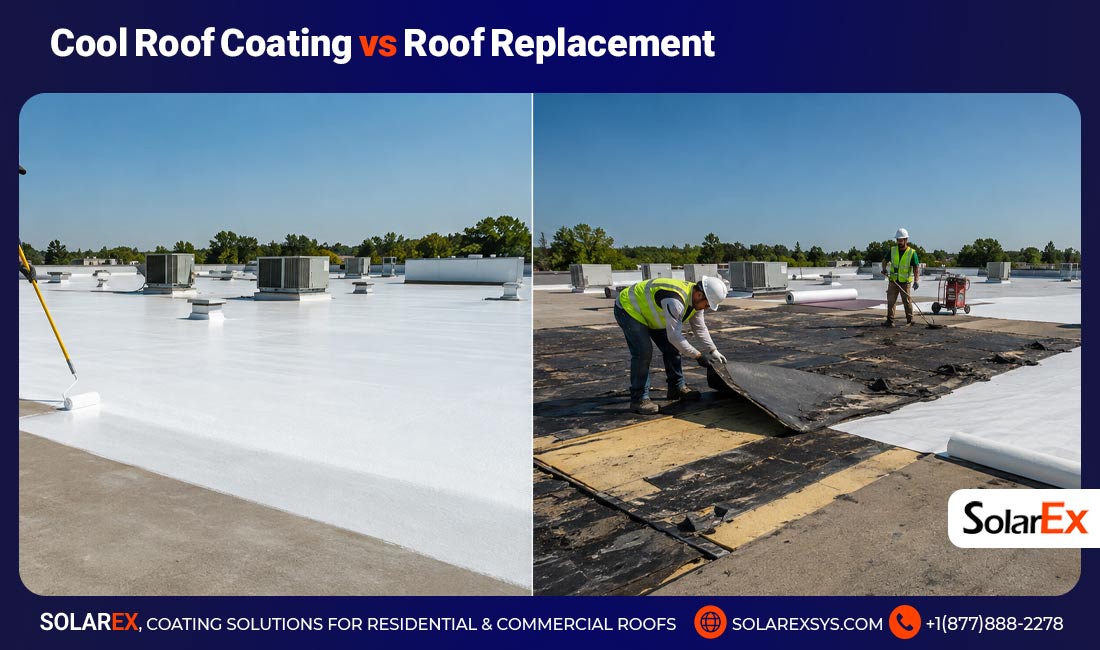
A coating restores and protects a roof that still has a sound foundation. Replacement is the safer choice when moisture, structural deterioration, or repeated leaks affect a large part of the assembly.
Comparison point | Cool roof coating | Roof replacement |
Best suited for | Dry, structurally sound roofs with repairable defects | Severely deteriorated roofs, widespread wet insulation, or damaged decking |
Work involved | Cleaning, localized repairs, seam treatment, and liquid coating | Removal of the existing assembly and installation of a new roofing system |
Upfront cost | Usually lower | Usually higher due to demolition, disposal, labor, and new materials |
Project time | Generally faster with less disruption | Longer and more disruptive to building operations |
Waste | Keeps most existing roofing materials in place | Produces more tear-off and disposal waste |
Leak limitations | Existing leaks and wet areas must be repaired before coating | Allows damaged and moisture-saturated components to be removed |
End result | Extends the service life of the existing roof | Provides a new roofing assembly and addresses deeper system failures |
cool roof coating washington Cost
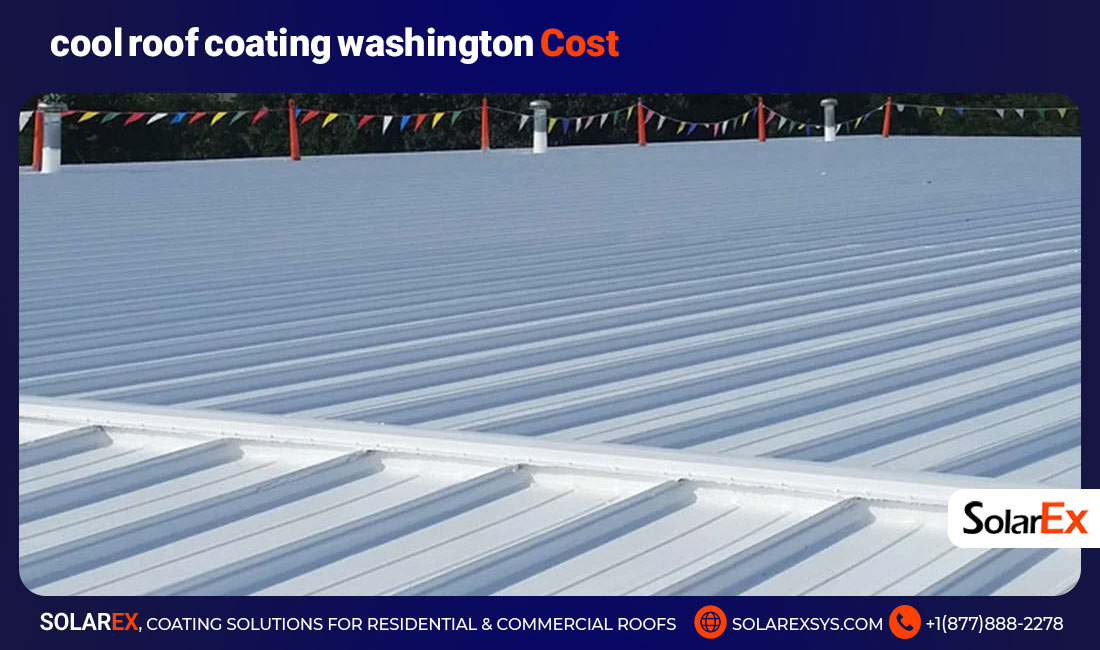
The cool roof coating washington Cost is not fixed. Each estimate depends on the roof’s condition, coating specification, and the preparation required before installation.
Key pricing factors include:
- Roof size: Larger roofs require more coating and labor, though the cost per square foot may decrease on high-volume projects.
- Existing roof condition: Leaks, wet insulation, open seams, rust, and damaged flashing increase repair costs.
- Coating material: Acrylic, silicone, and polyurethane systems have different material prices and application requirements.
- Surface preparation: Cleaning, priming, adhesion testing, and moisture surveys add to the project scope.
- Application rate and coats: Required dry-film thickness and warranty specifications determine how much material is used.
- Roof access and complexity: Rooftop equipment, parapets, penetrations, and restricted access increase labor time.
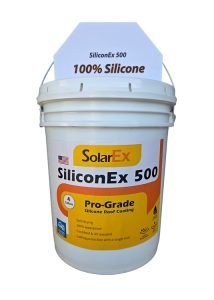
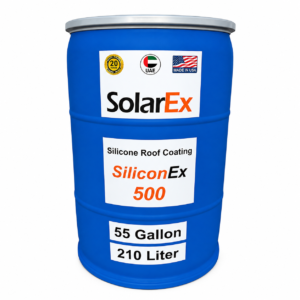
At SolarEx, we supply USA-made coating systems for residential and commercial roofs. We select each product based on the existing roof surface and local weather conditions. To provide accurate cool roof coating washington pricing, we assess your project and recommend the right system instead of using a generic rate.
Best cool roof coating in washington, DC
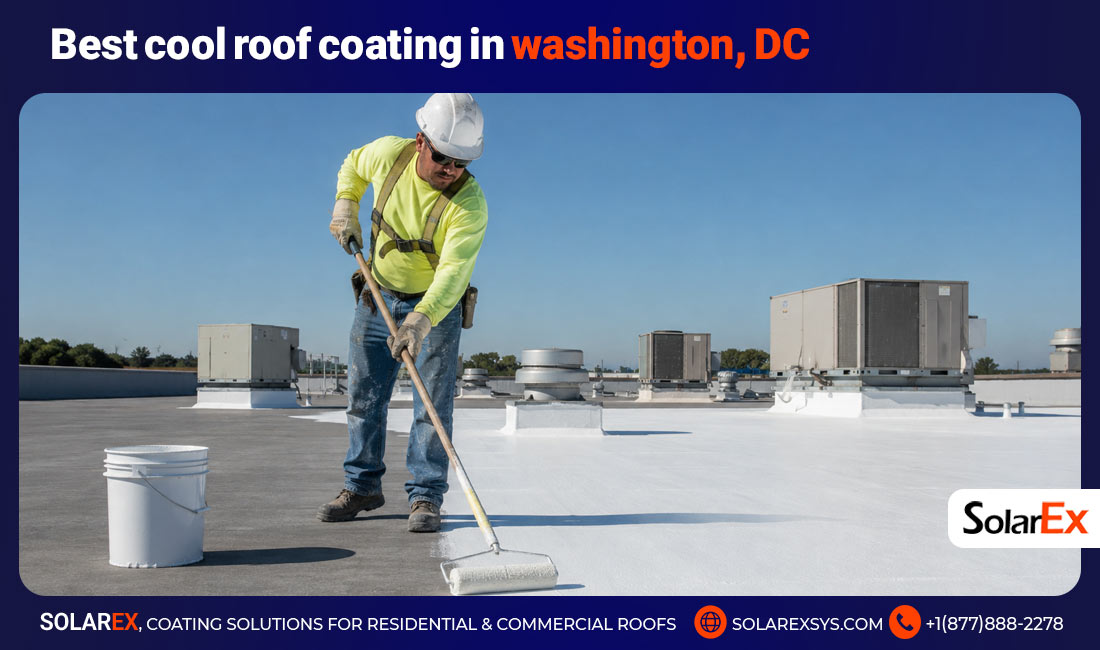
At SolarEx, we pair high-performance roof coatings with practical energy planning for residential, commercial, and industrial properties. For customers comparing cool roof coating washington options, we focus first on reducing roof heat gain, then consider how solar technology can further lower reliance on grid electricity. Our experience across California’s Bay Area and the Middle East helps us adapt each recommendation to the building, climate, and project goals.
Our Services:
Reflective Coating Supply
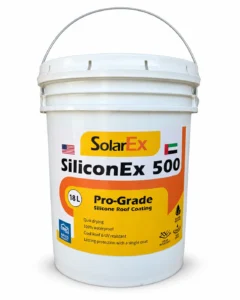
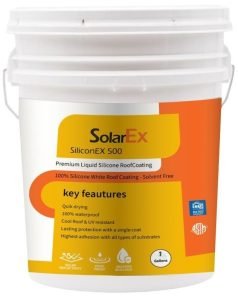
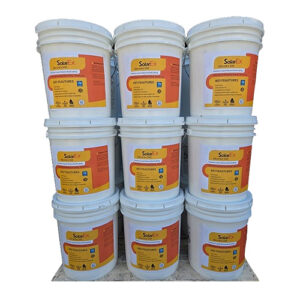
We manufacture and supply premium-grade reflective coatings, including silicone-based systems for weather protection and heat reduction. Our products support residential roofs, commercial buildings, warehouses, and other demanding applications.
Project Consultation and Specification
We help customers select a coating based on the existing roof material, drainage, climate, and energy targets. Depending on the project, our support may include technical data sheets, application guidance, material calculations, and return-on-investment analysis.
Application Training and Support
A good coating can still fail when the roof is poorly prepared or the material is applied at the wrong thickness. We train contractors and project partners in cleaning, repairs, priming, coverage rates, and other practices that affect adhesion and long-term performance.
OEM and Private-Label Solutions
We provide private-label coating solutions for distributors and businesses that want to sell products under their own brand. Available support includes custom packaging, product documentation, labeling, and branding.
Research and Development Partnerships
We work with architects, engineers, and energy consultants to develop and evaluate more efficient coating systems. These partnerships help us address real project needs, including reflectivity, weather resistance, substrate compatibility, and integration with rooftop solar installations.
For product recommendations, technical support, or more information about working with SolarEx, contact us through one of the following methods:
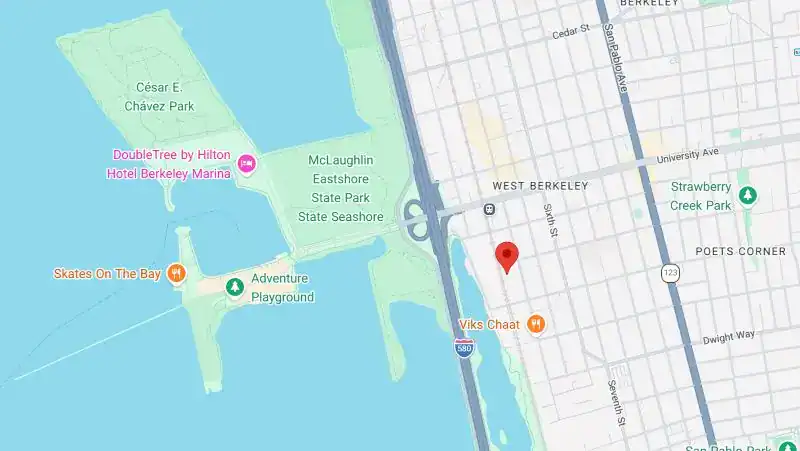
- Address: 700 Allston Way, Berkeley, CA 94710, USA
- Phone: +1 (877) 888-2278
- Email: info@solarexsys.com
Conclusion: Is a Cool Roof Coating the Right Choice for Your Washington Property?
A cool roof coating washington project makes sense when the existing roof is structurally sound, moisture is limited, and drainage problems can be corrected before application. The best result comes from matching the coating chemistry to the roof membrane and local weather rather than choosing by price or reflectivity alone. If wet insulation, widespread leaks, or deck damage are present, replacement is usually the more responsible investment; otherwise, a properly specified coating can reduce heat gain and extend the roof’s usable service life.
FAQ: cool roof coating Washington
Can a cool roof coating be applied over an existing roof?
Yes, if the roof is structurally sound, dry, and compatible with the selected product. Before installing cool roof coating in washington, DC, contractors should repair leaks, remove wet insulation, and test coating adhesion.
What Determines cool roof coating washington Cost?
Pricing depends on roof size, coating material, surface preparation, required repairs, application thickness, and access. An on-site inspection or moisture survey is usually needed for an accurate estimate.
Does a cool roof coating increase heating costs during Washington winters?
A small winter heating penalty is possible because the surface reflects some solar heat. Shorter days, a lower sun angle, and proper roof insulation usually limit the effect.
costs, and leave the building more exposed to seasonal weather. If you are comparing cool roof coating Washington options, the right system depends on more than reflectivity. Roof condition, drainage, membrane type, rainfall, and freezing temperatures all affect long-term performance. This guide covers suitable coating materials, installation costs, and the conditions in which restoration makes more sense than roof replacement. Read on for practical guidance from SolarEx.
What Is a Cool Roof Coating?
A cool roof coating is a fluid-applied roofing material that cures into a continuous, highly reflective surface over an existing roof. Usually white or light-colored, it is formulated to meet specific solar reflectance and thermal emittance ratings rather than simply serving as ordinary roof paint.
How Does Cool Roof Coating Work?
Cool roof coating reflects a large share of incoming sunlight and releases much of the heat it does absorb. This keeps the roof surface cooler and limits heat transfer into the building. Once cured, a reflective waterproof roof coating also creates a continuous layer that helps protect the roof from rain and standing water, provided the product is designed for those conditions.
Benefits of Installing Cool Roof Coating in Washington
For property owners considering cool roof coating in washington, DC, the main advantages appear during hot, sunny weather. Below, we look at how a reflective coating can affect operating costs, roof condition, occupant comfort, and a building’s environmental footprint.
Lower Energy Costs
A cooler roof transfers less heat into the building, reducing the load on air-conditioning equipment. Actual savings depend on roof insulation, HVAC efficiency, building use, and the amount of roof exposed to direct sun.
Extending Roof Lifespan
Reflective coatings shield the existing membrane from UV exposure and limit extreme surface-temperature swings. On a dry, structurally sound roof, this added layer may slow cracking and weathering, helping postpone a full tear-off.
Improving Indoor Comfort
Less heat entering through the roof can make top-floor rooms and non-air-conditioned spaces more comfortable during Washington’s summer heat. The effect is often most noticeable in buildings with dark roofs or limited insulation.
Supporting Sustainable Buildings
Restoring a usable roof with an acrylic roof coating can keep old roofing material out of the landfill and reduce demand for replacement materials. Lower cooling loads can also cut peak electricity use and help limit urban heat buildup.
Is Cool Roof Coating Suitable for Washington Climate?
Yes, cool roof coating can perform well in Washington, DC’s mixed climate, especially during hot, humid summers when dark roof surfaces absorb substantial heat. There may be a small winter heating penalty, but the EPA notes that shorter days, a lower sun angle, and proper roof insulation tend to limit its impact.
Product selection and installation matter because Washington also experiences heavy rain, freezing temperatures, and seasonal temperature swings. A silicone roof coating can be a practical option for low-slope roofs exposed to frequent moisture or occasional ponding water, but the existing roof must first be inspected for trapped moisture, poor drainage, and damaged seams.
On one of our commercial roof coating projects, the existing membrane appeared suitable at first, but a closer inspection revealed open seams and several areas with poor drainage. We repaired those sections before applying the coating, which gave the system a more reliable surface and helped prevent early performance problems.
Types of Cool Roof Coatings in Washington
Coating selection depends on the roof membrane, drainage, foot traffic, and weather during installation. Most liquid-applied systems are intended for low-slope roofs; a shingle roof coating should be used only when the shingle manufacturer and coating supplier confirm compatibility.
Acrylic Cool Roof Coating
Acrylic coatings are water-based, reflective, and economical. They work well on properly drained metal and asphalt-based roofs but require dry, suitable temperatures during application and are not the first choice for persistent ponding water.
Silicone Roof Coating
Silicone handles UV exposure and standing water better than many coating types, making it useful for Washington roofs exposed to frequent rain. The surface can attract dirt and become slippery when wet, so drainage and maintenance access still need attention.
Elastomeric Roof Coating
The term elastomeric roof coating describes a flexible coating that stretches with the roof and bridges minor cracks or seams. Many acrylic, silicone, and polyurethane products are elastomeric, so the resin type and performance data matter more than the label alone.
Polyurethane Roof Coating
Polyurethane offers strong resistance to impact, abrasion, and regular foot traffic. It is often specified around rooftop equipment or service paths where a softer coating may wear prematurely.
Best Roof Types for Cool Roof Coating
The best candidates for cool roof coating washington projects are structurally sound roofs with dry insulation and repairable surface defects. We’ll look at the systems most commonly restored with reflective coatings and the checks each one requires.
Flat Roofs
Flat roofs are usually built with a slight slope for drainage and provide a practical surface for liquid-applied coatings. Ponding areas, clogged drains, wet insulation, and failed seams must be corrected before coating begins.
Metal Roofs
Coatings can seal exposed fasteners, laps, and minor surface corrosion while creating a reflective finish. Rust must be treated first, and moving seams may require reinforcing fabric or a compatible sealant.
Commercial Roofing Systems
Warehouses, offices, and retail buildings often have large low-slope roofs that can be restored without disrupting operations below. A moisture scan helps determine whether localized repairs are enough or the roof is too damaged for coating.
Modified Bitumen Roofs
A sound modified bitumen roof can accept acrylic or silicone systems after cleaning, repairs, and adhesion testing. Granulated surfaces may need extra material or primer to achieve consistent coverage.
Single-Ply Membranes
Aged TPO, PVC, and EPDM membranes may be coated when the selected primer and coating are approved for that specific material. Seams, punctures, and loose sections must be repaired before application, and an adhesion test is necessary.
Cool Roof Coating vs Roof Replacement
A coating restores and protects a roof that still has a sound foundation. Replacement is the safer choice when moisture, structural deterioration, or repeated leaks affect a large part of the assembly.
Comparison point | Cool roof coating | Roof replacement |
Best suited for | Dry, structurally sound roofs with repairable defects | Severely deteriorated roofs, widespread wet insulation, or damaged decking |
Work involved | Cleaning, localized repairs, seam treatment, and liquid coating | Removal of the existing assembly and installation of a new roofing system |
Upfront cost | Usually lower | Usually higher due to demolition, disposal, labor, and new materials |
Project time | Generally faster with less disruption | Longer and more disruptive to building operations |
Waste | Keeps most existing roofing materials in place | Produces more tear-off and disposal waste |
Leak limitations | Existing leaks and wet areas must be repaired before coating | Allows damaged and moisture-saturated components to be removed |
End result | Extends the service life of the existing roof | Provides a new roofing assembly and addresses deeper system failures |
cool roof coating washington Cost
The cool roof coating washington Cost is not fixed. Each estimate depends on the roof’s condition, coating specification, and the preparation required before installation.
Key pricing factors include:
- Roof size: Larger roofs require more coating and labor, though the cost per square foot may decrease on high-volume projects.
- Existing roof condition: Leaks, wet insulation, open seams, rust, and damaged flashing increase repair costs.
- Coating material: Acrylic, silicone, and polyurethane systems have different material prices and application requirements.
- Surface preparation: Cleaning, priming, adhesion testing, and moisture surveys add to the project scope.
- Application rate and coats: Required dry-film thickness and warranty specifications determine how much material is used.
- Roof access and complexity: Rooftop equipment, parapets, penetrations, and restricted access increase labor time.
At SolarEx, we supply USA-made coating systems for residential and commercial roofs. We select each product based on the existing roof surface and local weather conditions. To provide accurate cool roof coating washington pricing, we assess your project and recommend the right system instead of using a generic rate.
Best cool roof coating in washington, DC
At SolarEx, we pair high-performance roof coatings with practical energy planning for residential, commercial, and industrial properties. For customers comparing cool roof coating washington options, we focus first on reducing roof heat gain, then consider how solar technology can further lower reliance on grid electricity. Our experience across California’s Bay Area and the Middle East helps us adapt each recommendation to the building, climate, and project goals.
Our Services:
Reflective Coating Supply
We manufacture and supply premium-grade reflective coatings, including silicone-based systems for weather protection and heat reduction. Our products support residential roofs, commercial buildings, warehouses, and other demanding applications.
Project Consultation and Specification
We help customers select a coating based on the existing roof material, drainage, climate, and energy targets. Depending on the project, our support may include technical data sheets, application guidance, material calculations, and return-on-investment analysis.
Application Training and Support
A good coating can still fail when the roof is poorly prepared or the material is applied at the wrong thickness. We train contractors and project partners in cleaning, repairs, priming, coverage rates, and other practices that affect adhesion and long-term performance.
OEM and Private-Label Solutions
We provide private-label coating solutions for distributors and businesses that want to sell products under their own brand. Available support includes custom packaging, product documentation, labeling, and branding.
Research and Development Partnerships
We work with architects, engineers, and energy consultants to develop and evaluate more efficient coating systems. These partnerships help us address real project needs, including reflectivity, weather resistance, substrate compatibility, and integration with rooftop solar installations.
For product recommendations, technical support, or more information about working with SolarEx, contact us through one of the following methods:
- Address: 700 Allston Way, Berkeley, CA 94710, USA
- Phone: +1 (877) 888-2278
- Email: info@solarexsys.com
Conclusion: Is a Cool Roof Coating the Right Choice for Your Washington Property?
A cool roof coating washington project makes sense when the existing roof is structurally sound, moisture is limited, and drainage problems can be corrected before application. The best result comes from matching the coating chemistry to the roof membrane and local weather rather than choosing by price or reflectivity alone. If wet insulation, widespread leaks, or deck damage are present, replacement is usually the more responsible investment; otherwise, a properly specified coating can reduce heat gain and extend the roof’s usable service life.
FAQ: cool roof coating Washington
Can a cool roof coating be applied over an existing roof?
Yes, if the roof is structurally sound, dry, and compatible with the selected product. Before installing cool roof coating in washington, DC, contractors should repair leaks, remove wet insulation, and test coating adhesion.
What Determines cool roof coating washington Cost?
Pricing depends on roof size, coating material, surface preparation, required repairs, application thickness, and access. An on-site inspection or moisture survey is usually needed for an accurate estimate.
Does a cool roof coating increase heating costs during Washington winters?
A small winter heating penalty is possible because the surface reflects some solar heat. Shorter days, a lower sun angle, and proper roof insulation usually limit the effect.