



Operations Manager, GreenTech Industries
Operations Manager, GreenTech Industries
Operations Manager, GreenTech Industries
Operations Manager, GreenTech Industries
Persistent rain, ponding water, and seasonal temperature changes can turn minor roof defects into recurring leaks and costly damage inside your building. If the existing assembly is still structurally sound, Silicone Roof Coating Washington may offer a practical alternative to a full tear-off by creating a seamless protective surface over a properly repaired roof. This guide explains how silicone works, which roofing materials it can restore, how long it may last, and what determines the final project cost. For more detailed information, read on with SolarEx.
What Is Silicone Roof Coating?
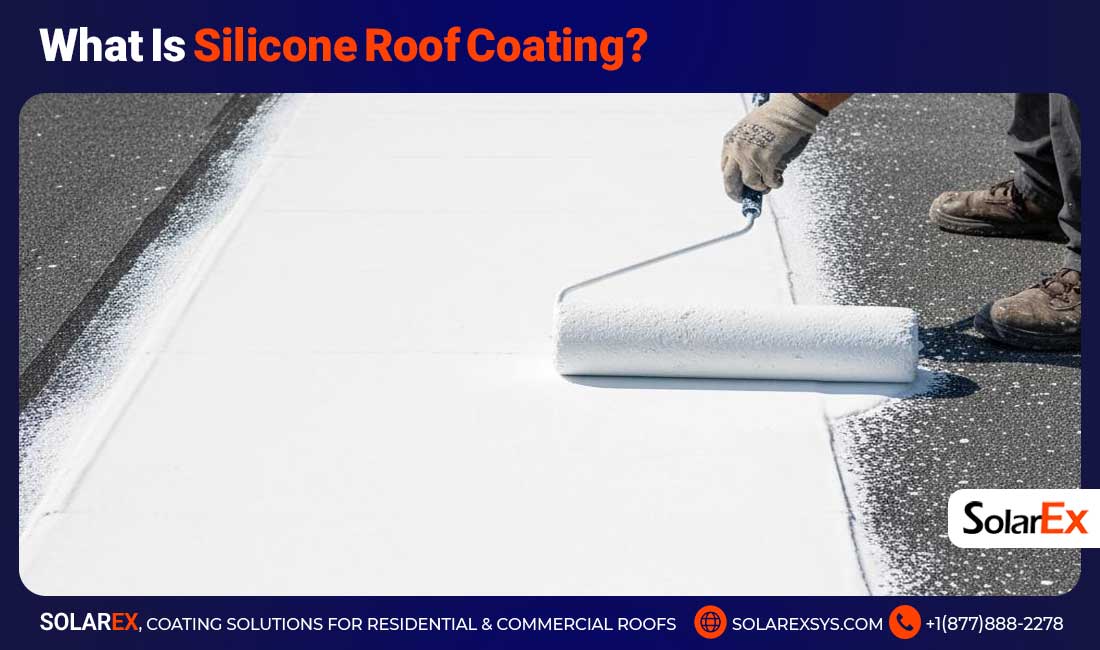
Silicone roof coating is a liquid-applied material used to restore and protect an existing roofing system. Unlike standard roof paint, it cures into a flexible, continuous layer that follows the shape of seams, fasteners, flashings, and penetrations. When installed over a properly prepared surface, silicone roof coating creates a durable barrier against UV exposure, rain, and ponding water without adding the weight and complexity of another mechanically attached membrane.
For property owners considering Silicone Roof Coating Washington, the condition of the existing roof matters as much as the coating itself. Silicone cannot correct saturated insulation, damaged decking, or structural drainage problems. Those defects must be identified and repaired first. The roof is then cleaned, adhesion-tested, detailed around vulnerable areas, and primed where required before the coating is applied at the manufacturer-specified thickness. Once cured, it forms a seamless protective surface that can extend the serviceable life of a structurally sound commercial roof.
How Does Silicone Roof Coating Work?
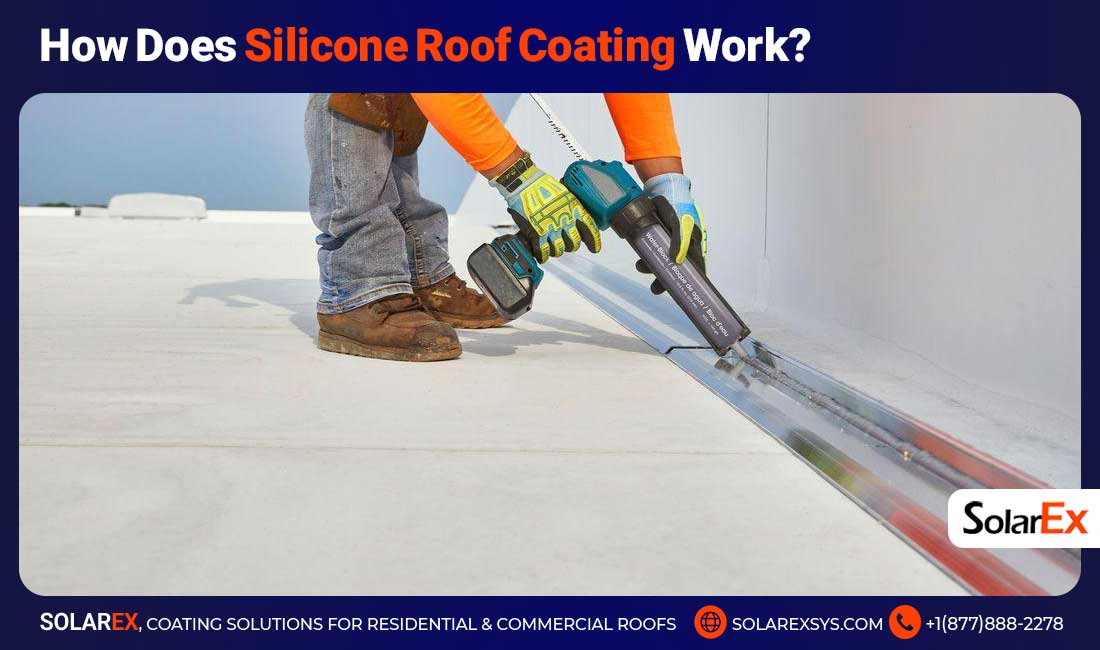
The process begins with a detailed roof assessment. Wet insulation, loose membrane sections, damaged flashings, open seams, and drainage defects must be corrected before coating begins. After the surface is cleaned and allowed to dry, the contractor performs adhesion tests, applies primer where required, and reinforces vulnerable areas around penetrations, drains, curbs, and transitions.
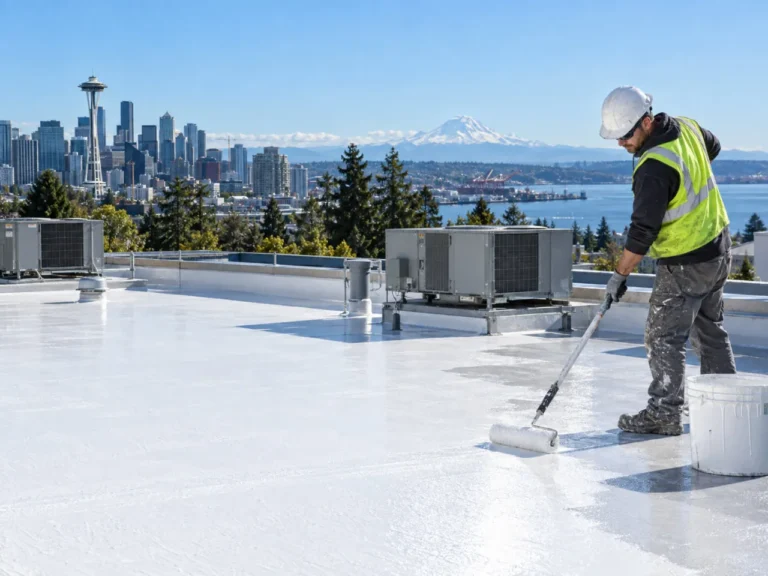
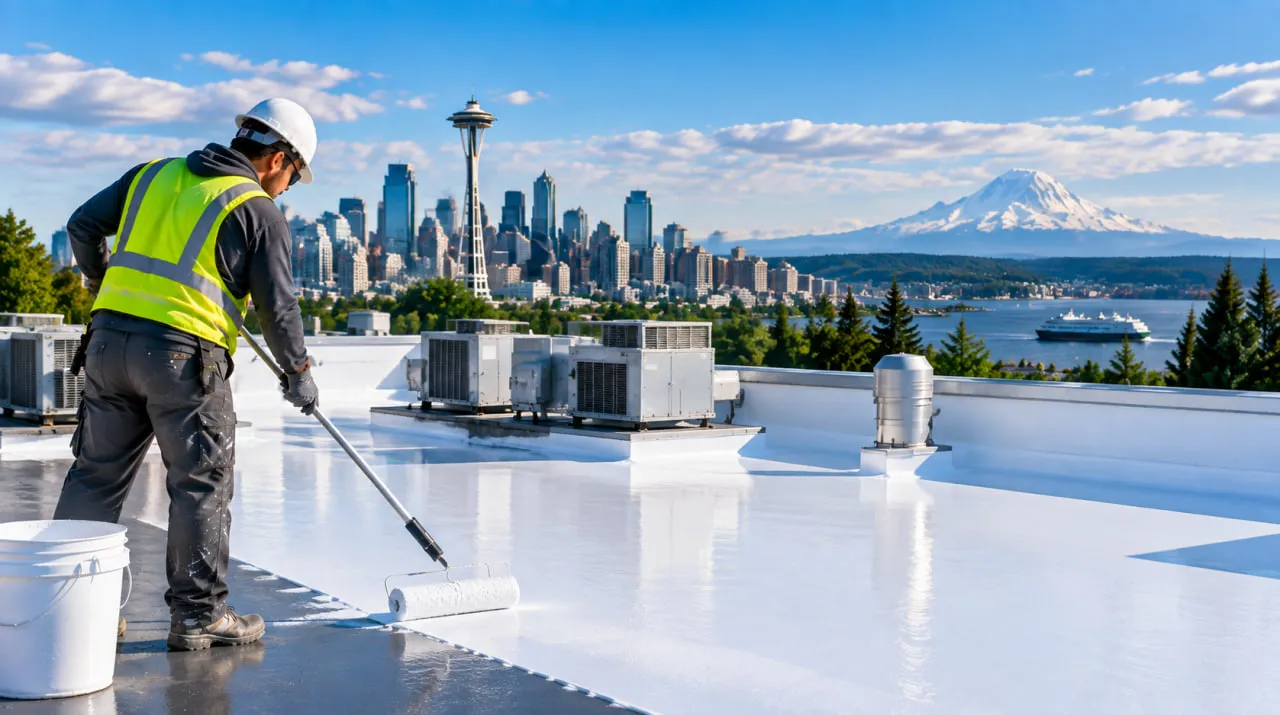
The liquid silicone is then applied by roller or spray at a thickness specified for the selected system. As it reacts with moisture in the air, the material cures into a continuous rubber-like layer. Similar to an elastomeric roof coating, the finished surface remains flexible enough to accommodate normal roof movement without becoming brittle. Silicone also retains its protective properties under prolonged UV exposure and does not readily break down when water remains temporarily on low-slope areas.
A properly installed Silicone Roof Coating Washington system does not simply conceal an aging roof. It creates a seamless protective layer over a sound, repaired substrate and limits the points where water can enter.
Benefits of Silicone Roof Coating in Washington
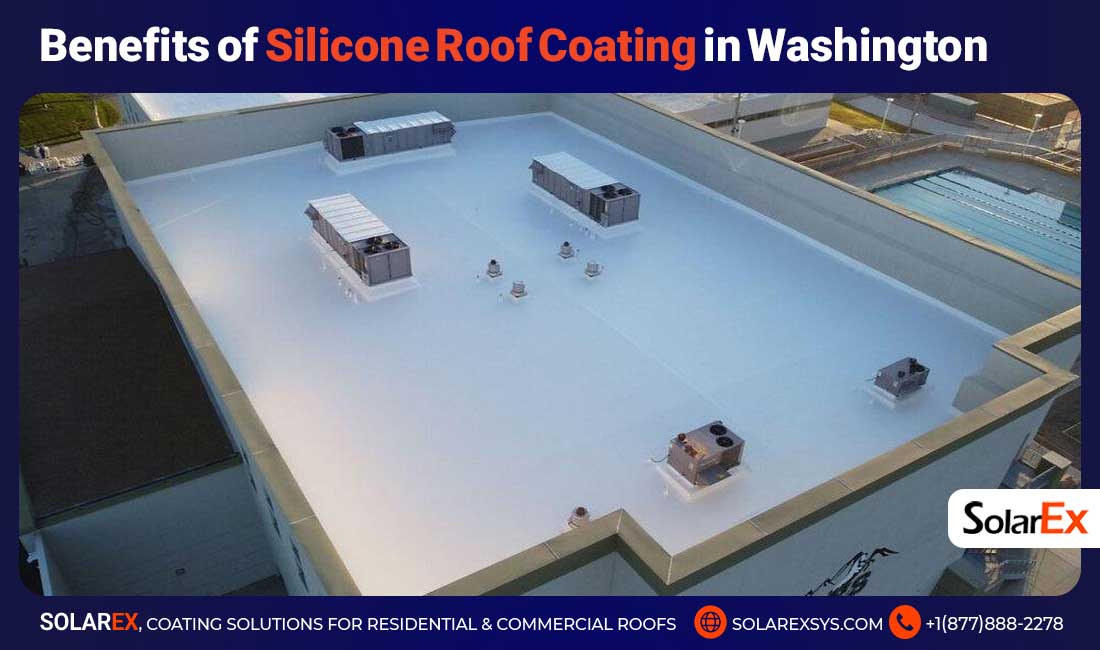
Washington roofs face different stresses depending on location. Buildings west of the Cascades deal with frequent rain, persistent moisture, and limited drying periods, while properties in central and eastern Washington experience stronger sunlight and wider temperature swings. A properly specified Silicone Roof Coating Washington system can address these conditions without requiring a complete roof replacement when the existing assembly remains structurally sound.
Excellent Waterproofing Performance
Once cured, silicone forms a seamless surface that protects common weak points such as seams, fasteners, flashings, and roof penetrations. It also performs well on low-slope roofs where water may remain temporarily after rainfall. Compared with an acrylic roof coating, silicone is generally less sensitive to ponding water. However, blocked drains and poor roof slope still need correction because no coating should replace proper drainage.
Extends Commercial Roof Lifespan
Aging does not always mean a roof has reached the end of its service life. If the deck and insulation are dry and stable, coating can protect the existing membrane from further UV and moisture exposure. This approach slows surface deterioration and allows worn areas to be restored before they develop into larger problems. Future recoating may also be possible if the system is inspected and maintained correctly.
Reduces Energy Costs
White silicone coatings reflect a portion of the solar energy that would otherwise heat the roof surface. During warmer months, this can reduce rooftop temperatures and lower the cooling demand placed on the building. Actual savings depend on several factors, including insulation levels, roof area, building use, local weather, and HVAC efficiency, so energy reductions should be evaluated for each property rather than assumed.
Handles Temperature Changes
Commercial roofs expand during warm weather and contract as temperatures fall. Silicone remains flexible after curing, allowing it to move with the underlying roof during normal seasonal changes. This flexibility is particularly useful around seams, curbs, and penetrations where stress tends to concentrate. Existing splits or failed details must still be repaired before application because coating alone cannot stabilize a damaged substrate.
Cost-Effective Roof Restoration
Roof coating can reduce labor, disposal, and material requirements by preserving much of the existing assembly. Installation is often less disruptive than a full tear-off, which matters for warehouses, retail properties, offices, and occupied facilities. The financial benefit depends on roof condition: if moisture has spread through the insulation or the deck requires extensive repair, replacement may offer better long-term value than coating.
Is Silicone Roof Coating Suitable for Washington Climate?
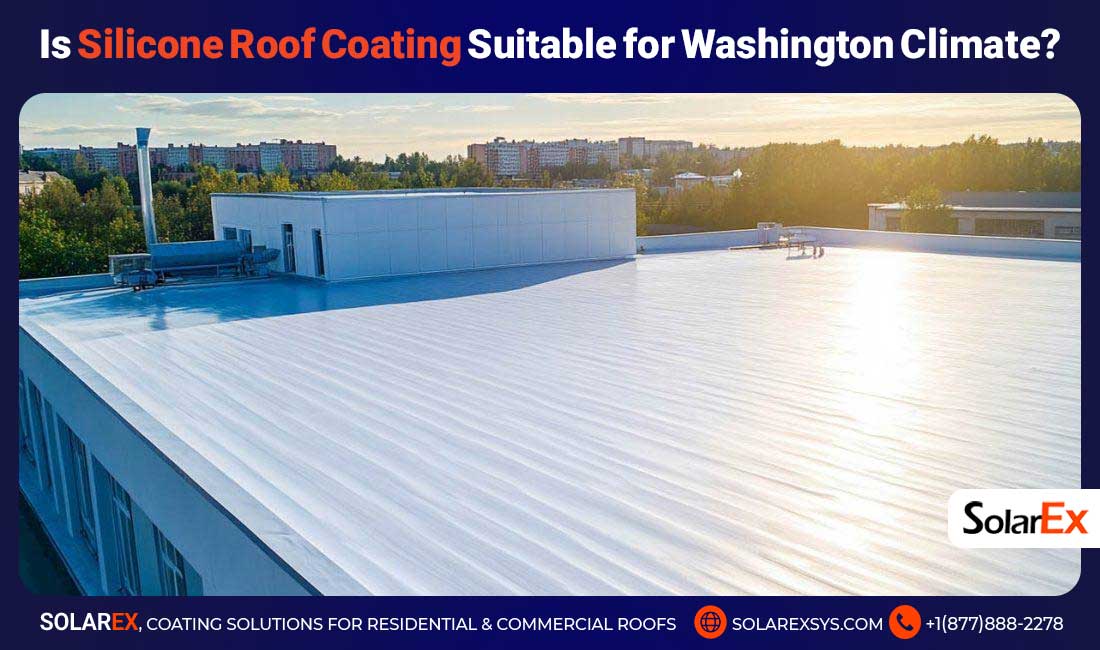
Silicone is well suited to many commercial roofs in Washington, but the system must be selected and installed for the building’s specific location. Western Washington has long wet periods, frequent overcast conditions, and roofs that may dry slowly between storms. Central and eastern areas generally experience stronger summer sun, colder winters, and wider temperature changes. Silicone performs effectively across these conditions because it resists prolonged UV exposure, remains flexible after curing, and tolerates temporary ponding water better than many water-based coatings.
Installation timing is especially important. The existing roof must be clean and dry, and the weather forecast must provide a suitable application and curing window. Surface temperature, humidity, overnight condensation, and expected rainfall should all be checked against the manufacturer’s requirements. Applying a quality product over trapped moisture or a poorly prepared membrane can lead to adhesion failure regardless of the coating chemistry.
A white Silicone Roof Coating Washington system can also function as a reflective roof coating, helping limit solar heat absorption during warmer weather. Dirt, pollen, moss, and organic debris may gradually reduce reflectivity, particularly in damp or wooded areas, so periodic inspection and cleaning should be included in the maintenance plan. Before recommending silicone, the contractor should also confirm that the insulation is dry, drainage is serviceable, and the existing roof can support restoration.
Silicone Roof Coating vs Other Roof Coatings
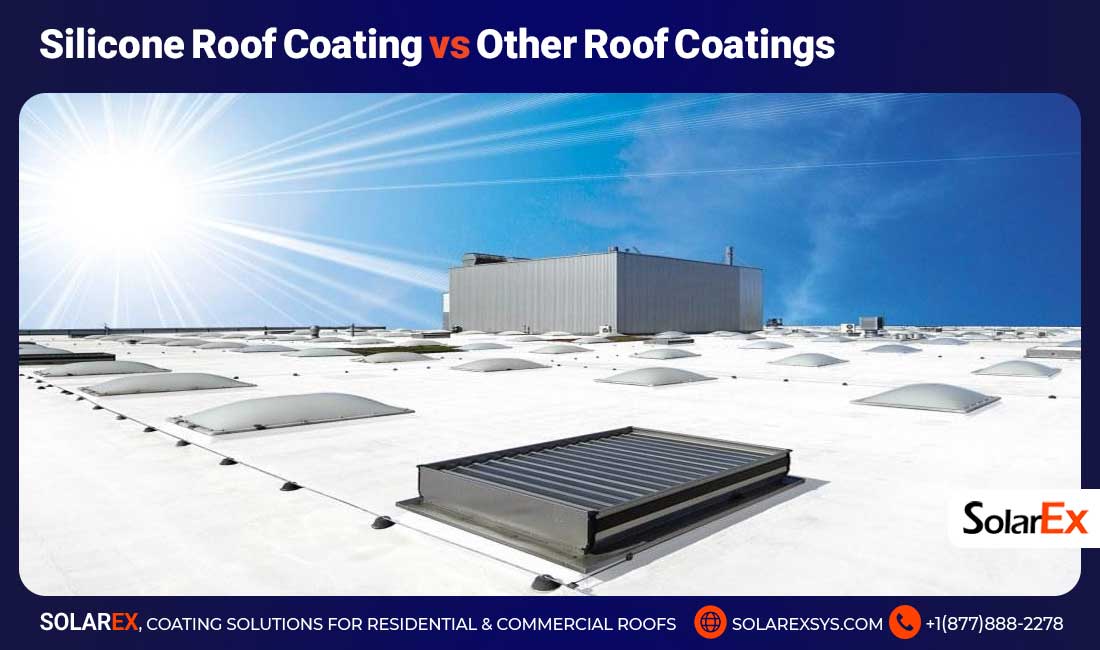
Choosing a commercial roof coating requires more than comparing product prices. Ponding water, exposure to foot traffic, roof material, surface condition, and future maintenance all affect which chemistry will perform best. The table below shows how a Silicone Roof Coating Washington system compares with other commonly used restoration coatings.
Roof Coating Type | Ponding Water Resistance | UV Performance | Flexibility | Best-Suited Applications | Primary Considerations |
Silicone | High when installed as an approved system | Strong resistance to prolonged sunlight | Remains flexible after curing | Low-slope roofs exposed to rain, standing water, and UV | Can collect dirt over time and may require a compatible silicone product when recoated |
Acrylic | Generally intended for roofs with positive drainage unless specifically approved otherwise | Good initial reflectivity and UV resistance | Flexible but may become less resilient as it weathers | Well-drained roofs where reflectivity and easier application are priorities | Requires suitable drying conditions and is more sensitive to persistent ponding water |
Polyurethane | Varies by formulation and system design | Often protected with a UV-resistant topcoat | Good flexibility with strong surface durability | Roofs exposed to foot traffic, hail, or mechanical wear | Installation may involve multiple products and higher material costs |
Asphaltic or Aluminum Coating | Product-specific; drainage remains important | Reflectivity depends on the selected finish | Less elastic than silicone in many formulations | Asphalt-based roofs and maintenance applications | May have stronger odor, darker finishes, or compatibility limitations |
Silicone is often the practical choice for wet, low-slope commercial roofs, but it is not automatically the best option for every building. A roof with heavy service traffic may benefit from a more abrasion-resistant system, while a well-drained roof could be suitable for acrylic. The final decision should follow an adhesion test, moisture assessment, drainage review, and confirmation that the proposed coating is compatible with the existing membrane.
Types of Silicone Roof Coating Washington
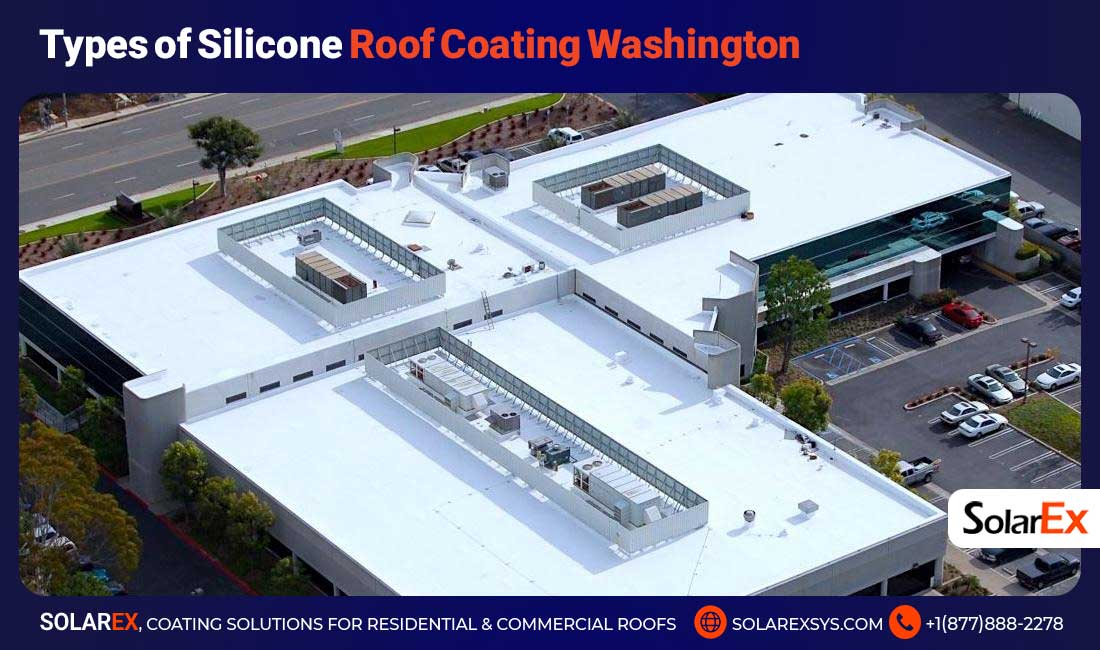
Silicone systems are not selected by coating chemistry alone. The existing roof substrate determines the required cleaning method, primer, detail treatment, and application rate. A contractor should confirm compatibility through product specifications and field adhesion tests before installing Silicone Roof Coating Washington. Properties with steep-slope asphalt shingles require a separate assessment because a low-slope restoration system should not automatically be treated as a shingle roof coating.
Metal Roofs
Metal roof restoration begins with tightening or replacing loose fasteners, treating corrosion, and repairing damaged panels. Seams, fastener heads, penetrations, and transitions are then sealed with compatible reinforcing materials. Once these details are secure, silicone creates a continuous surface that helps protect the metal from moisture and UV exposure while accommodating normal panel movement.
TPO and PVC Roofs
Aged TPO and PVC membranes can sometimes be restored with silicone, but they require careful compatibility testing. The membrane must be thoroughly cleaned, open seams must be heat-welded or repaired, and damaged areas need to be replaced before coating. Because TPO and PVC have different surface characteristics, the specified cleaner and primer should be approved for the exact membrane and silicone system being installed.
EPDM Roofs
EPDM surfaces often develop chalking, dirt buildup, and residue that can interfere with adhesion. Proper washing and an approved primer are usually critical. Contractors must also inspect field seams, perimeter terminations, penetrations, and areas affected by membrane shrinkage. Silicone can protect a stable EPDM roof, but it cannot correct ongoing shrinkage or poorly secured edges without additional repair work.
Modified Bitumen Roofs
Both smooth and granulated modified bitumen roofs may be candidates for silicone restoration. Blisters, splits, loose laps, and exposed reinforcement must be repaired first. Some asphaltic surfaces can cause discoloration or affect adhesion, so a bleed-blocking or manufacturer-approved primer may be required. Granulated membranes also need enough coating to cover their textured surface at the specified finished thickness.
Built-Up Roof Systems
A built-up roof must be dry, stable, and properly prepared before silicone application. Splits, blisters, deteriorated flashings, and exposed felts require repair. Smooth-surfaced systems are generally more straightforward to coat, while gravel-surfaced roofs may need loose aggregate removed and the surface leveled before restoration. Moisture testing is particularly important because trapped water within multiple roofing layers may not be visible during a basic inspection.
How Long Does Silicone Roof Coating Last?
A professionally installed silicone roof coating system is commonly designed around warranty periods of 10, 15, or 20 years. The actual service life cannot be determined by the product name alone. Roof condition, surface preparation, finished coating thickness, drainage, installation quality, and ongoing maintenance all influence how long the system remains effective. A warranty term also should not be treated as an automatic expiration date because a well-maintained roof may remain serviceable beyond that period.
For a Silicone Roof Coating Washington project, moisture trapped beneath the existing membrane is one of the most important risks to identify before installation. Coating over wet insulation or unstable roofing materials can shorten the system’s life even when the silicone itself remains intact. Heavy rooftop traffic, dropped tools, neglected drains, and damage around HVAC equipment can also create localized failures.
The roof should be inspected at least annually and after severe weather or rooftop maintenance work. Drains must remain clear, debris should be removed, and punctures or damaged details need prompt repair. When the original coating is still firmly bonded, the surface may be cleaned, prepared, and recoated to renew protection without removing the entire roofing assembly. This makes condition-based maintenance more useful than relying only on a stated number of years.
Silicone Roof Coating Washington Cost
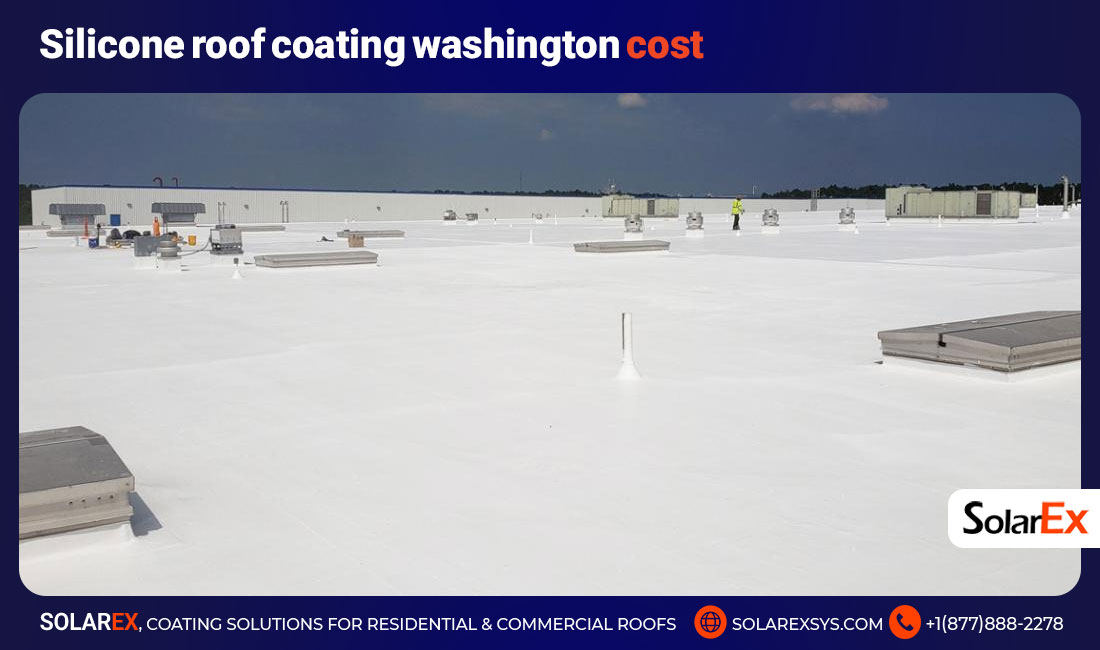
The Silicone roof coating washington cost depends on the condition of the existing roof and the work required before application. A large, unobstructed roof with dry insulation and stable seams will usually be more economical to restore than a smaller roof with extensive damage, multiple HVAC units, difficult access, or drainage problems. An accurate price should come from an on-site assessment, not a generic online estimate.
The main factors affecting the final price include:
- Roof condition: Wet insulation, open seams, corrosion, damaged flashing, blisters, and loose membrane sections must be repaired before coating.
- Total roof area: Larger open roofs are generally faster to coat, while small or irregular areas may require more labor per square foot.
- Surface preparation: Dirt, grease, moss, oxidation, and old roofing materials can increase cleaning and preparation requirements.
- Roof material: Metal, TPO, PVC, EPDM, modified bitumen, and built-up roofs require different repair methods, cleaners, and primers.
- Number of penetrations: HVAC curbs, vents, skylights, drains, pipes, and transitions need detailed sealing before the main coating is applied.
- Specified coating thickness: Systems designed for longer warranty periods generally require a higher application rate and more material.
- Access and safety requirements: Building height, limited equipment access, fall-protection needs, and occupied areas can affect labor costs.
- Drainage repairs: Blocked drains, damaged scuppers, and persistent low spots may need attention before restoration begins.
The Silicone roof coating washington cost per square foot should cover more than the silicone itself. Cleaning, localized repairs, primers, detail work, application labor, safety measures, and warranty requirements should all appear clearly in the proposal. A low advertised rate may exclude several of these items, making the final project more expensive than expected.
Pricing for Silicone Roof Coating Washington DC is not a reliable benchmark for a project in Washington State. Labor rates, logistics, permitting conditions, and local building requirements can differ significantly between the two regions.
When evaluating the Best silicone roof coating washington cost, compare the scope and quality of the proposed system rather than choosing the lowest number. SolarEx assesses the existing roof before recommending a solution and bases its pricing on the repairs, materials, preparation, and coating thickness the building actually requires. This approach provides a more realistic price while protecting the installation quality and long-term performance of the roof.
Best Silicone Roof Coating Washington
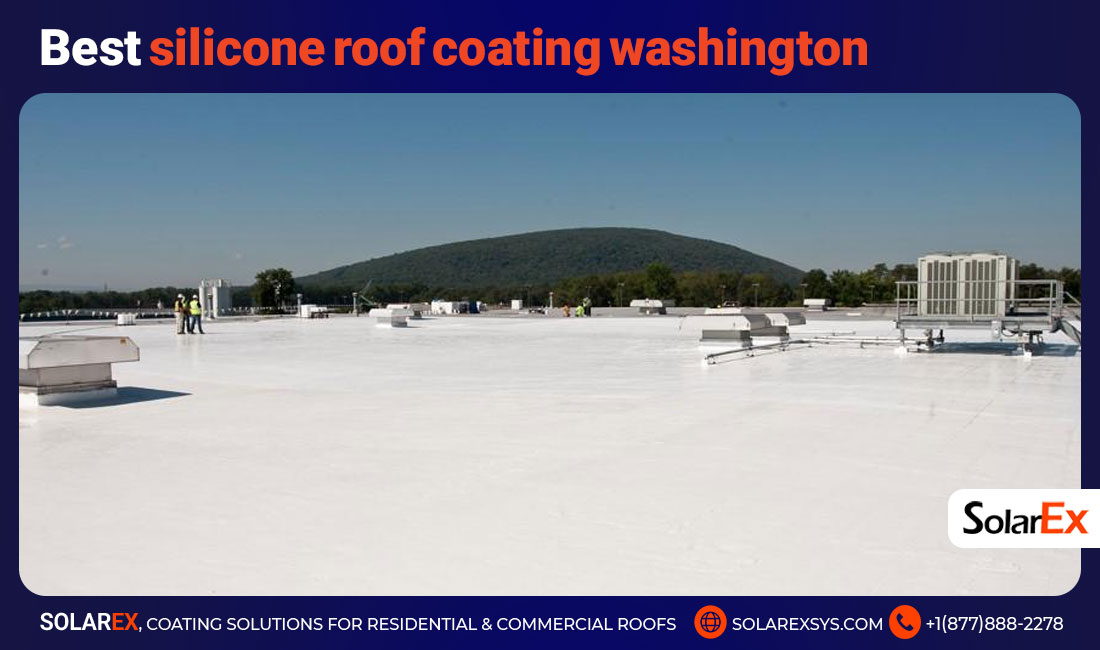
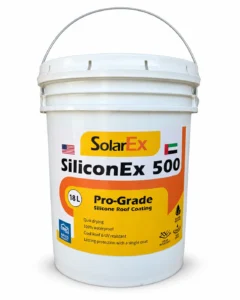
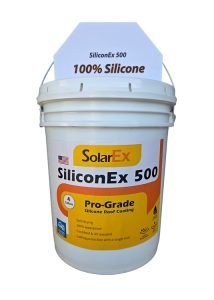
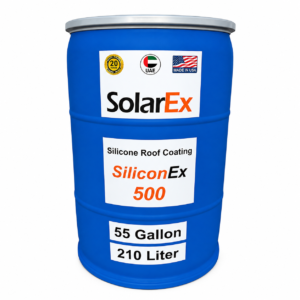
At SolarEx, we do not define the best coating by a product label alone. The right system must match the existing roof, drainage conditions, required coating thickness, and expected service life. For structurally sound commercial roofs in Washington, we offer SiliconEx 500, a high-solids, moisture-cure silicone coating designed for flat, low-slope, metal, and compatible single-ply roofing systems.
Why Choose SiliconEx 500?
- Creates a seamless, fluid-applied protective surface
- Resists UV exposure and damage caused by ponding water
- Remains flexible during normal roof expansion and contraction
- Arrives ready to use as a single-component coating
- Can be applied by brush, roller, or airless sprayer
- Available in white and several additional colors
- Suitable for commercial and industrial roof restoration
- Offered with material warranty options of up to 20 years, depending on the approved system
- Helps restore a suitable roof without an unnecessary full tear-off
- Available in smaller containers and bulk quantities for projects of different sizes
SolarEx Silicone Coating Products
Our silicone product range currently centers on SiliconEx 500, available in several formats:
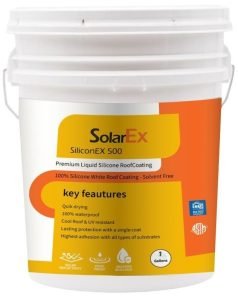
- SiliconEx 500, 1-gallon container: Suitable for samples, detail work, touch-ups, and small applications
- SiliconEx 500, 4-gallon container: A practical option for repairs and smaller coating projects
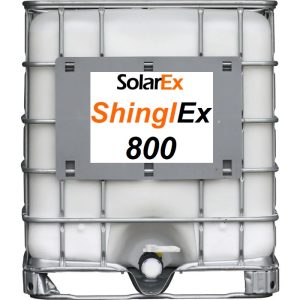
- SiliconEx 500, 55-gallon drum: A 96% pure silicone bulk option intended for larger commercial applications
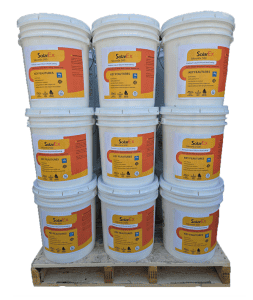
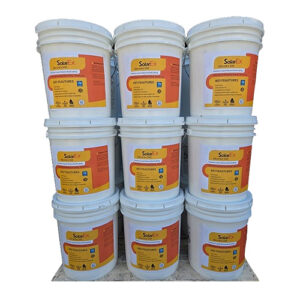
- SiliconEx 500, 180-gallon bulk pallet: Includes 36 five-gallon containers of professional-grade 100% silicone coating for large commercial and industrial roofs
We also evaluate whether a compatible primer is required. Modified bitumen, aged asphalt, TPO, PVC, EPDM, and metal surfaces do not have identical preparation needs, so the supporting products are selected after inspection and adhesion testing.
When comparing Silicone Roof Coating Washington reviews, look beyond star ratings. Roof type, preparation method, coating thickness, drainage, and installer experience determine whether another customer’s result is relevant to your building. The Best silicone roof coating washington cost should also reflect a complete system rather than the price of coating alone.
To discuss product quantity, roof compatibility, bulk supply, or a project-specific quote, contact our team:
- Phone: +1 (877) 888-2278
- Email: info@solarexsys.com
- Address: 700 Allston Way, Berkeley, CA 94710, USA
Contact SolarEx to find out whether SiliconEx 500 is the right Silicone Roof Coating Washington solution for your roof.
How Can Silicone Roof Coating Washington Protect Your Commercial Roof?
A weathered commercial roof does not always require a complete tear-off, but applying coating without checking the condition underneath can lead to repeated failure. Silicone Roof Coating Washington is a practical choice when the roof deck is stable, insulation is dry, drainage is functional, and the existing surface can be properly repaired and prepared. Under these conditions, silicone creates a seamless barrier against rain, ponding water, and UV exposure while preserving the usable roofing assembly. If moisture has spread beneath the membrane or structural damage is present, repair or replacement must come first. SolarEx can assess your roof, confirm material compatibility, and recommend a system based on its actual condition rather than a generic price or one-size-fits-all specification.
Frequently Asked Questions About Silicone Roof Coating Washington
What Determines the Silicone roof coating washington cost per square foot?
When we calculate Silicone roof coating washington cost, we look at the roof’s condition, size, access, surface material, required repairs, primer, and specified coating thickness. SolarEx currently estimates the SiliconEx 500 material cost at approximately $1.25 to $1.64 per square foot for a 20-year system, but this is not a complete installed price. Labor, preparation, detail work, and damaged materials are quoted separately. The Best silicone roof coating washington cost is the one based on an inspected roof and a clearly defined scope.
Can We Apply Silicone Coating Over an Existing Commercial Roof?
We can apply silicone over many structurally sound metal, modified bitumen, built-up, EPDM, TPO, PVC, and previously coated roofs. Before recommending it, we inspect the assembly for wet insulation, loose membrane sections, corrosion, failed seams, and drainage problems. We also perform an adhesion test and determine whether a primer is required. If the deck has structural damage or moisture has spread beneath the roof, we repair or replace the affected materials before coating.
Can We Use Silicone Roof Coating Washington DC Pricing and Reviews for a Washington State Project?
No. Silicone Roof Coating Washington DC refers to a different location with its own labor rates, logistics, permitting conditions, and contractor market. When we check Silicone Roof Coating Washington reviews, we focus on projects completed in comparable weather and on similar roofing materials. Useful Silicone Roof Coating Washington reviews should mention preparation, coating thickness, drainage, roof type, and performance over time rather than provide only a star rating.