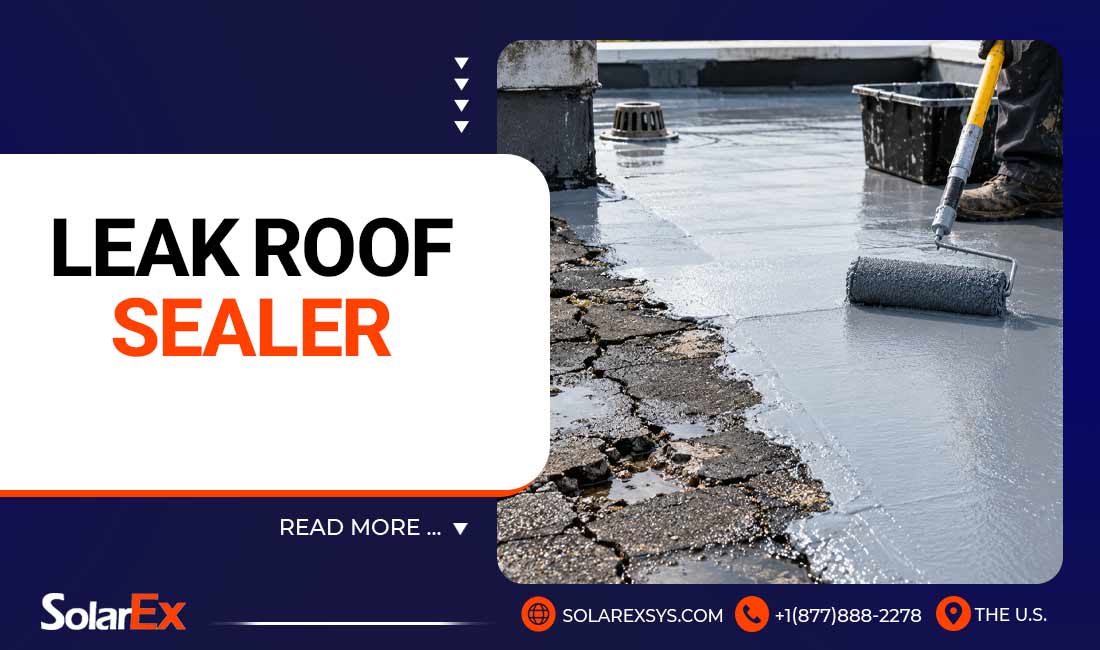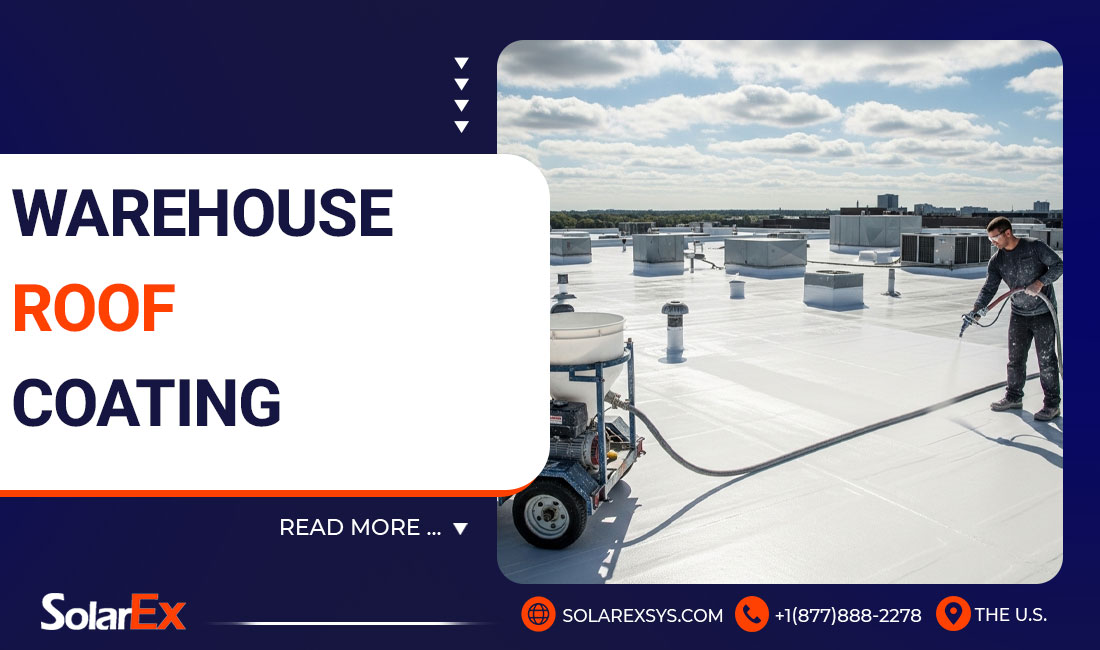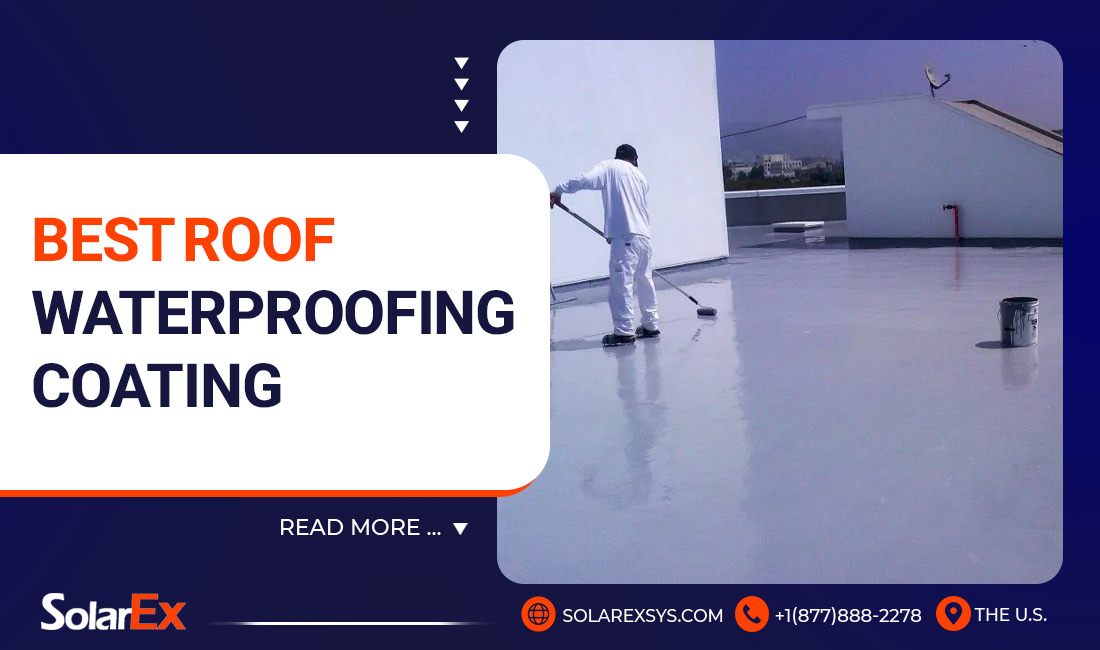

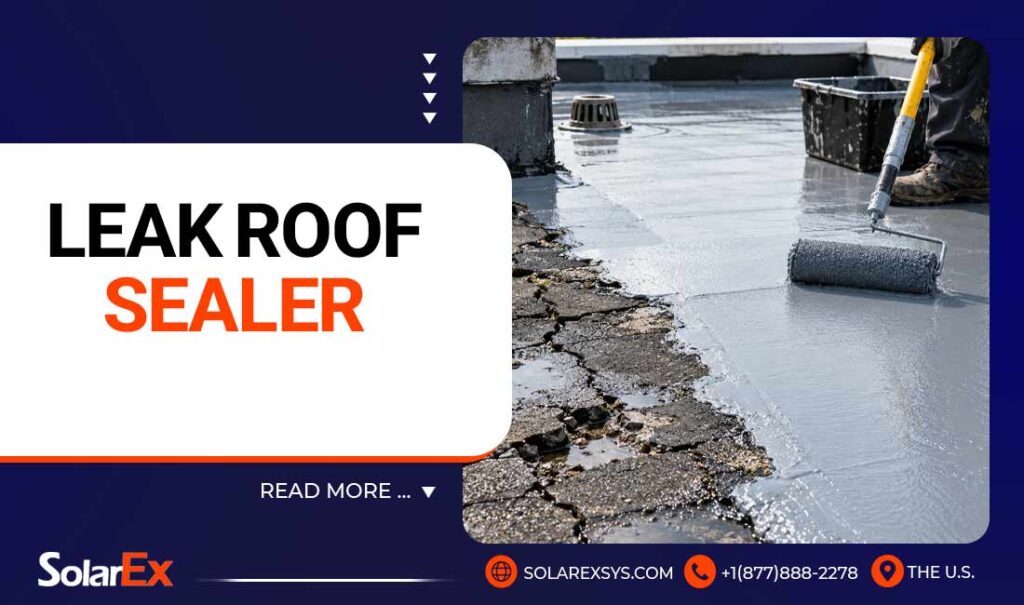
A leaking roof can quickly become a bigger problem if moisture continues to reach the underlying structure. Choosing the right protection method is not only about sealing visible cracks but also about finding a solution that matches the roof material, weather conditions and the level of damage.
A suitable leak roof sealer can help create a protective barrier against water penetration and support better roof performance over time. However, different roofs require different approaches, and a product that works well for one surface may not provide the same results for another. In this guide, you will learn what factors to consider when choosing a roof sealer, how different options compare and which SolarExsys solutions can help with various roofing needs. For more information about professional roof coating solutions, you can explore the services provided by SolarEx.
What is the best sealer for a leaking roof?
Choosing the right sealer for a leaking roof depends on several factors, including the roof material, the size of the damaged area, weather conditions and the level of water exposure. A suitable leak roof sealer should create a strong barrier against moisture while remaining flexible enough to handle temperature changes and natural movement of the roof surface.
A high-quality sealant should have strong waterproofing performance, good adhesion and resistance against sunlight and changing weather conditions. For some roofs, a traditional sealant may be enough for repairing small leaks, while larger areas may require a protective coating system. Options such as elastomeric roof coating can provide a flexible protective layer, while acrylic roof coating may be suitable for surfaces that need additional weather protection. For homes with shingle materials, choosing a solution compatible with the surface, such as shingle roof coating, can help improve long-term protection.
When comparing the best roof sealant for leaks, consider these important factors:
- Water resistance: The sealant should prevent water from entering cracks, joints and damaged areas.
- Flexibility: A flexible formula can adapt to expansion and contraction caused by temperature changes.
- Surface adhesion: The product should bond properly with the existing roofing material.
- Weather durability: Resistance to UV rays, rain and seasonal changes helps extend the useful life of the repair.
- Roof compatibility: The right choice depends on whether the roof is made of shingles, metal, concrete or another material.
The following table provides a general comparison of common roof sealant types and their typical applications:
| Roof Sealer Type | Best For | Main Feature | Approximate Cost |
|---|---|---|---|
| Silicone Roof Sealant | Areas with heavy moisture exposure | Excellent water resistance and flexibility | Medium to high |
| Acrylic Roof Sealant | General roof maintenance | Good weather protection and cost balance | Low to medium |
| Polyurethane Roof Sealant | Strong bonding applications | High durability and impact resistance | Medium |
| Rubber Roof Sealant | Flexible roof surfaces | Good movement resistance | Medium |
| Asphalt-Based Roof Sealant | Asphalt and shingle repairs | Affordable and widely used | Low to medium |
What is the best waterproof sealant for a roof?
Choosing the right waterproof sealant depends on several factors, including the roofing material, the size of the damaged area, weather conditions and the amount of water exposure. A suitable roof leak sealant should create a reliable barrier against moisture while remaining flexible enough to handle temperature changes and natural movement of the roof surface.
According to National Roofing Contractors Association (NRCA):
Selecting the right roofing materials and maintenance solutions requires considering the roof system, environmental conditions and specific performance needs to achieve reliable results.
Based on our experience at SolarExsys, choosing an effective roof protection system starts with understanding the roof condition, material type and environmental exposure. Each project requires a suitable approach that balances waterproof protection, durability and long-term roof performance.
There is no single sealant that works perfectly for every roof. The right choice depends on whether you need a solution for small cracks, damaged seams, flat roofing systems or larger areas that require additional protection. For example, coatings such as waterproof roof coating can help create a protective layer across wider surfaces, while options like cool roof coating and reflective roof coating may provide additional benefits depending on the roof type and project requirements.
When comparing the best roof sealant for leaks, focus on important factors such as waterproof performance, adhesion, flexibility, UV resistance and compatibility with your roofing material. A product that works well on asphalt shingles may not provide the same results on metal or flat roofs.
The following table provides a general comparison of common roof sealant options:
| Roof Sealant Type | Best For | Main Feature | Approximate Cost |
|---|---|---|---|
| Silicone Roof Sealant | Flat roofs and areas exposed to heavy moisture | Excellent waterproofing and weather resistance | Around $35–$70 per gallon |
| Acrylic Roof Sealant | General maintenance and sloped roofs | Affordable option with good UV resistance | Around $20–$50 per gallon |
| Polyurethane Roof Sealant | Flashing, joints and high-stress areas | Strong adhesion and durability | Around $40–$80 per gallon |
| Liquid Rubber Roof Sealant | Flexible surfaces and older roofs | Seamless waterproof protection | Around $25–$60 per gallon |
| Asphalt-Based Roof Sealant | Asphalt shingles and bitumen surfaces | Cost-effective leak protection | Around $15–$40 per gallon |
1. Silicone Roof Sealant
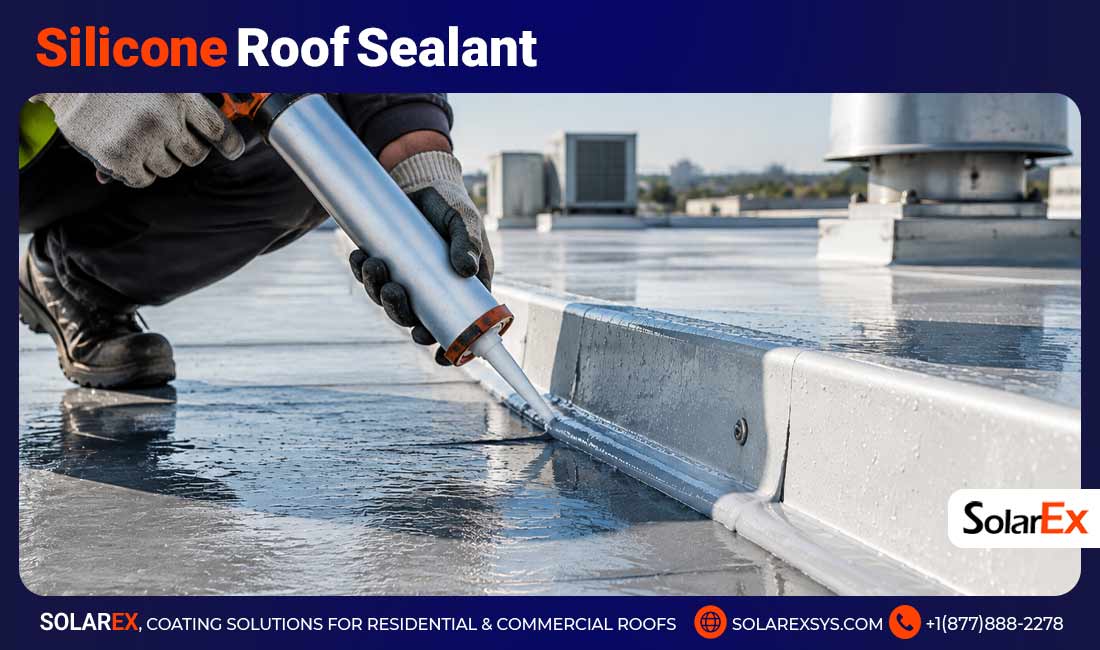
Key features:
- Excellent water resistance
- Strong UV protection
- High flexibility
- Suitable for flat roofs and areas with standing water
Silicone roof sealant is commonly used where long-term moisture protection is important. Its flexible structure allows it to expand and contract with temperature changes, making it a suitable option for roofs exposed to changing weather conditions.
It can perform well on flat roofs, metal surfaces and areas where water tends to remain for longer periods. However, the higher material cost may make it less suitable for projects with a limited budget.
Approximate cost: Around $35–$70 per gallon.
| Pros | Cons |
|---|---|
| Excellent waterproof performance | Higher cost compared with some alternatives |
| Strong resistance to UV exposure | Requires proper surface preparation |
| Remains flexible over time | May need professional application for larger projects |
2. Acrylic Roof Sealant
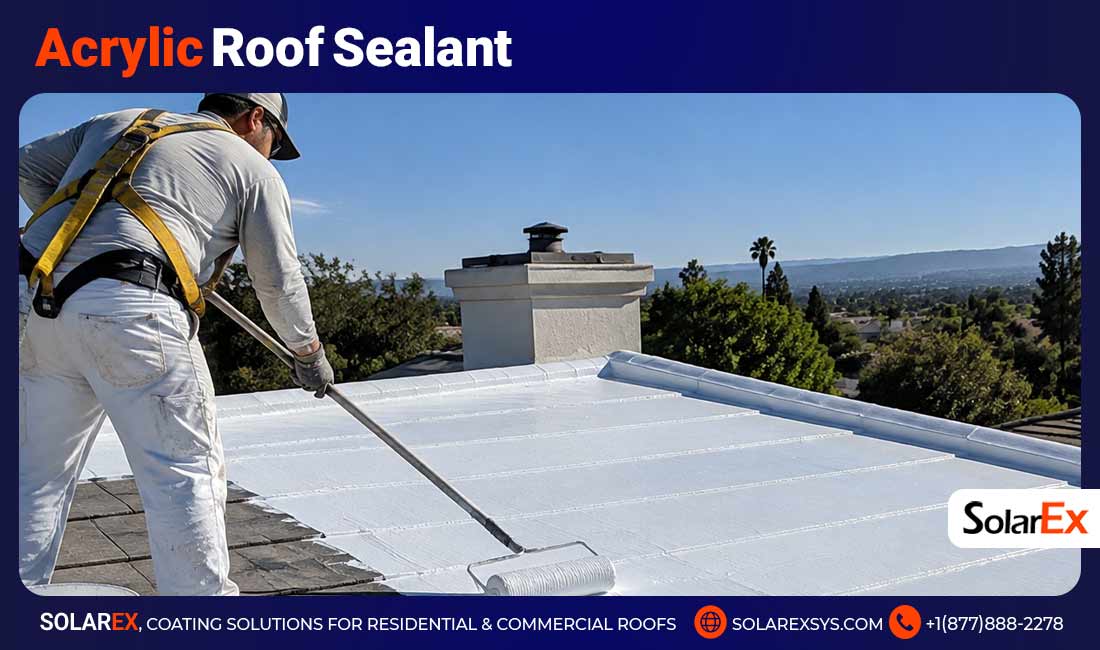
Key features:
- Affordable application
- Good UV resistance
- Suitable for general roof maintenance
- Works well on sloped surfaces
Acrylic roof sealant is a practical choice for routine maintenance and smaller repair projects. It provides good protection against weather exposure and is often selected because of its lower cost and easier application.
Although acrylic products can protect roofing surfaces effectively, they may not be the best option for areas where water remains on the roof for extended periods.
Approximate cost: Around $20–$50 per gallon.
| Pros | Cons |
|---|---|
| Budget-friendly option | Lower resistance to standing water |
| Good weather protection | May require more frequent maintenance |
| Easy to apply | Less durable than some premium options |
3. Polyurethane Roof Sealant
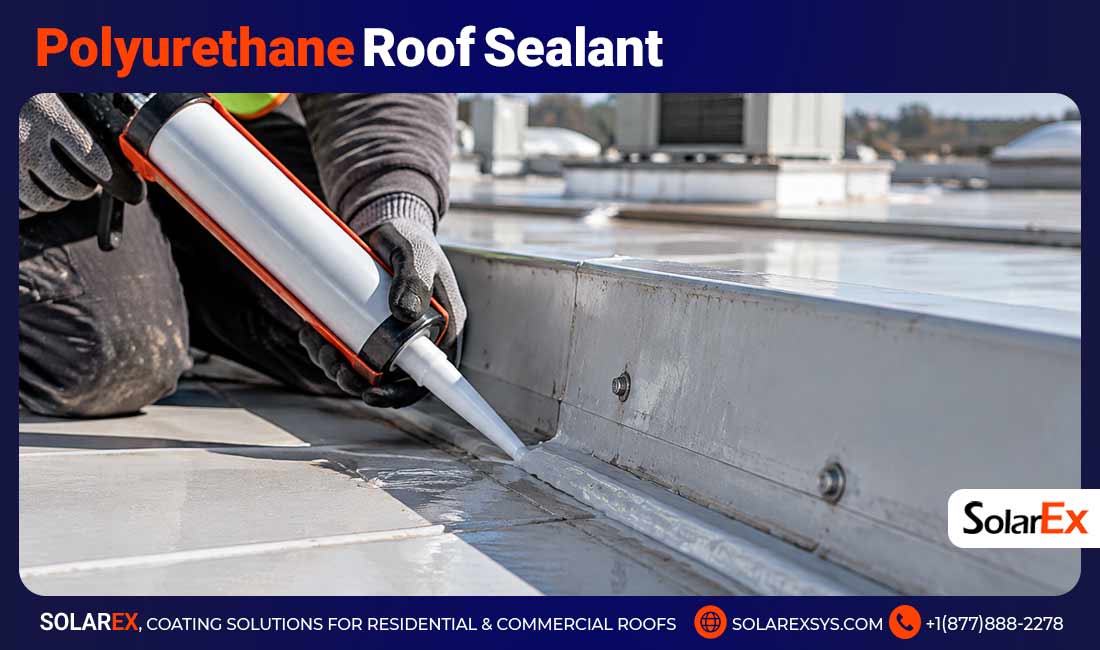
Key features:
- Strong surface adhesion
- High durability
- Good flexibility against movement
- Suitable for different roofing materials
Polyurethane roof sealant is known for its strong bonding ability and resistance to demanding conditions. It is commonly used for sealing joints, flashing areas and sections where the roof experiences frequent expansion and contraction.
This option provides durable protection, but correct application is important to achieve the expected performance.
Approximate cost: Around $40–$80 per gallon.
| Pros | Cons |
|---|---|
| Strong adhesion to different surfaces | Application requires more care |
| High durability | Longer curing time in some conditions |
| Handles temperature changes well | Usually costs more than basic sealants |
4. Liquid Rubber Roof Sealant
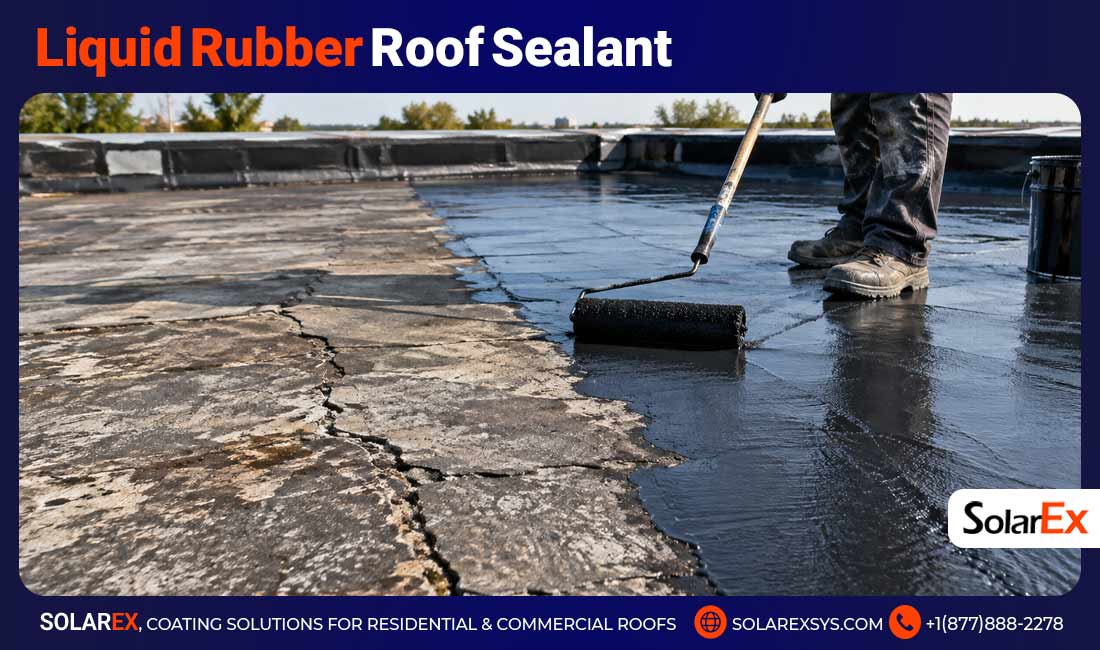
Key features:
- Creates a seamless waterproof barrier
- High flexibility
- Suitable for older or damaged roofs
- Helps cover small gaps and surface imperfections
Liquid rubber roof sealants are designed to create a continuous protective layer across the roof surface. Their flexible composition allows them to adjust as roofing materials expand and contract with temperature changes.
They can be used on different surfaces, including flat, low-slope and metal roofs. However, proper surface preparation is important to ensure strong adhesion.
Approximate cost: Around $25–$60 per gallon.
| Pros | Cons |
|---|---|
| Flexible and crack-resistant | Application may require careful preparation |
| Creates a continuous waterproof layer | Drying time can vary |
| Suitable for different roof surfaces | May have a higher cost than basic repair products |
5. Asphalt-Based Roof Sealant
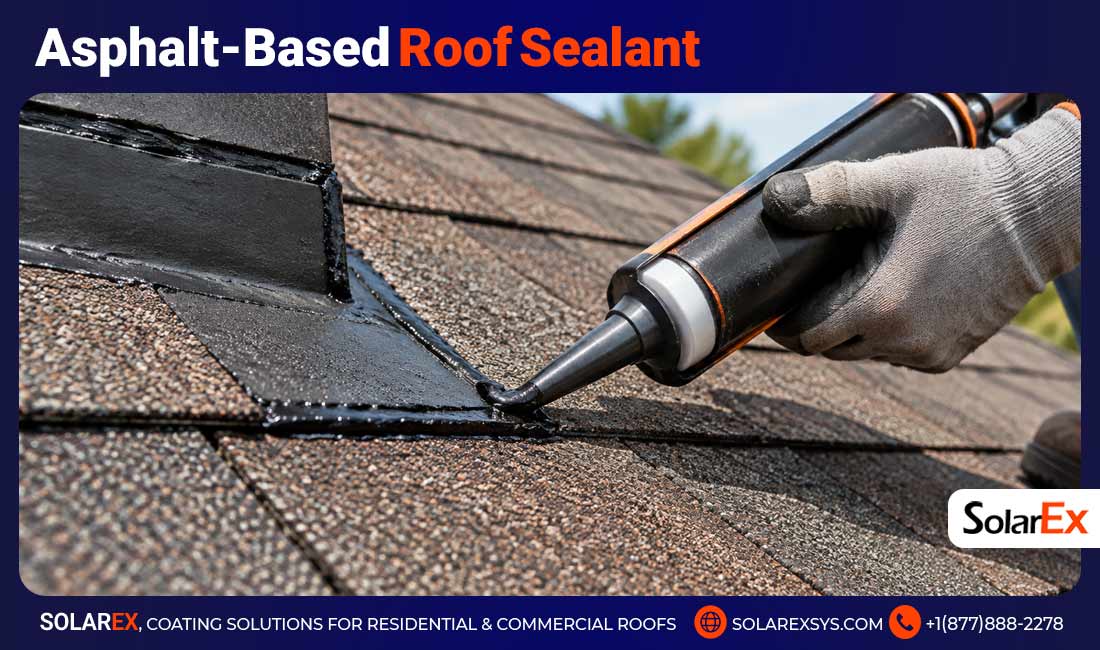
Key features:
- Suitable for asphalt shingles
- Strong waterproof protection
- Good adhesion to asphalt surfaces
- Commonly used for small repairs
Asphalt-based roof sealants are often used for asphalt shingles, bitumen roofing and similar surfaces. They can help seal cracks, joints and areas where moisture may enter the roofing system.
This type of sealant is generally an affordable option, but compatibility with the existing roof material should always be checked before application.
Approximate cost: Around $15–$40 per gallon.
| Pros | Cons |
|---|---|
| Affordable and widely available | Limited compatibility with some roof materials |
| Effective for asphalt surfaces | May degrade faster under strong sunlight |
| Good waterproof protection | Appearance may not suit every roofing system |
For larger roofing projects, repairing individual leaks may not always provide enough protection. A complete coating system can help improve the durability of the roof surface and provide broader coverage. Depending on the roof structure and environmental conditions, different coating solutions may be considered to create additional protection and improve long-term performance.
Choosing the right system requires considering the roof material, level of damage and expected exposure to weather conditions rather than selecting a product based only on price.
Best SolarEx Products for Sealing and Restoring a Leaking Roof
At SolarExsys, we provide professional roof coating solutions designed to help protect and restore different types of roofing systems. Our products are developed for commercial, industrial and large-scale roofing projects where durability, moisture resistance and long-term performance are important factors.
We understand that every roof has different requirements. That is why we offer a range of coating systems to help you choose the right solution based on your roof type, surface condition and environmental exposure. Our team can guide you through product selection and help determine the most suitable coating system and material quantity for your project.
Our roof coating solutions are designed to help protect surfaces against moisture, UV exposure and weather-related damage while creating a seamless protective layer. Whether you are working on a commercial building, industrial facility or a roof restoration project, we can help you find a practical solution based on your needs.
Contact the SolarEx team today for product recommendations and project support:
- Phone: +1 (877) 888-2278
- Email: info@solarexsys.com
- Address: 700 Allston Way, Berkeley, CA 94710, USA
Commercial Roof Coating
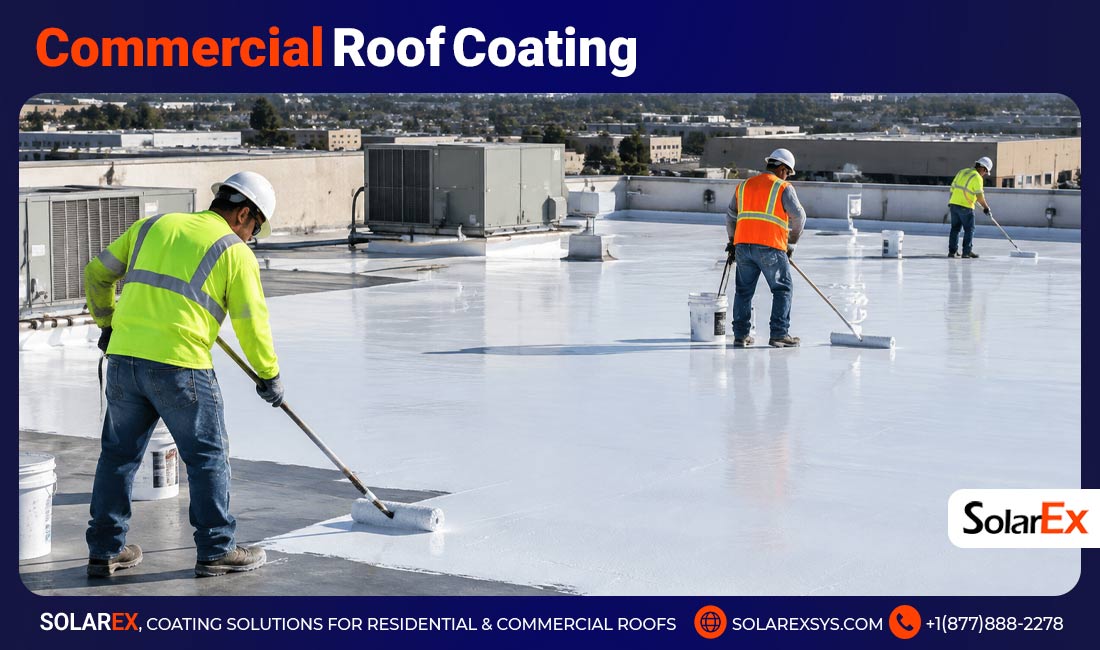
For commercial properties, we offer commercial roof coating solutions designed to provide additional protection for large roofing surfaces. These systems can help improve resistance against moisture, sunlight and changing weather conditions while supporting the long-term performance of commercial roofs.
Industrial Roof Coating
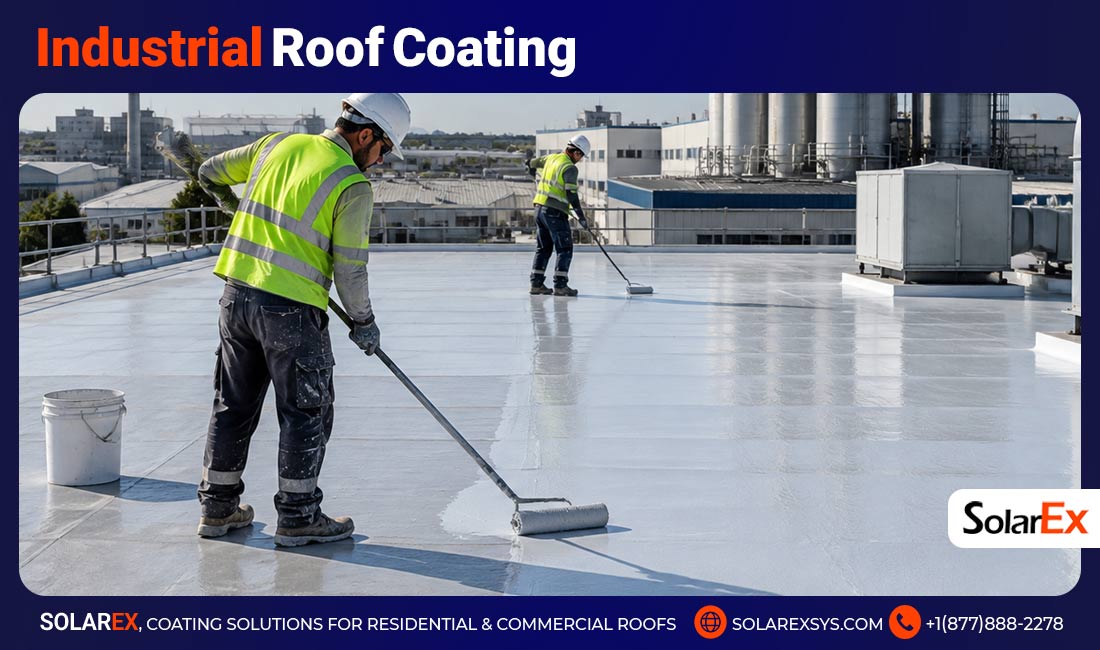
Our industrial roof coating systems are designed for demanding industrial environments where reliable protection and consistent performance are required. We help businesses select suitable coating options based on roof conditions, project size and expected exposure.
Silicone Roof Coating
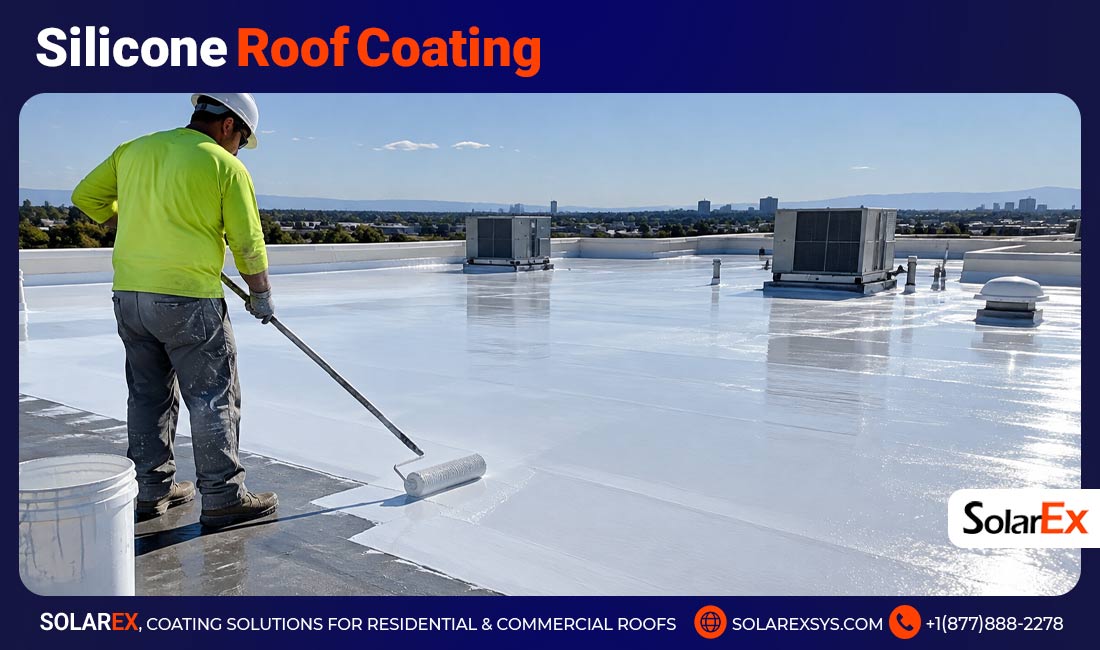
When strong waterproof protection and flexibility are required, our silicone roof coating solutions can be a suitable choice for specific roofing applications. Silicone-based coatings are designed to create a durable protective layer that helps roofs handle moisture exposure and changing weather conditions.
Recommended SolarExsys Products
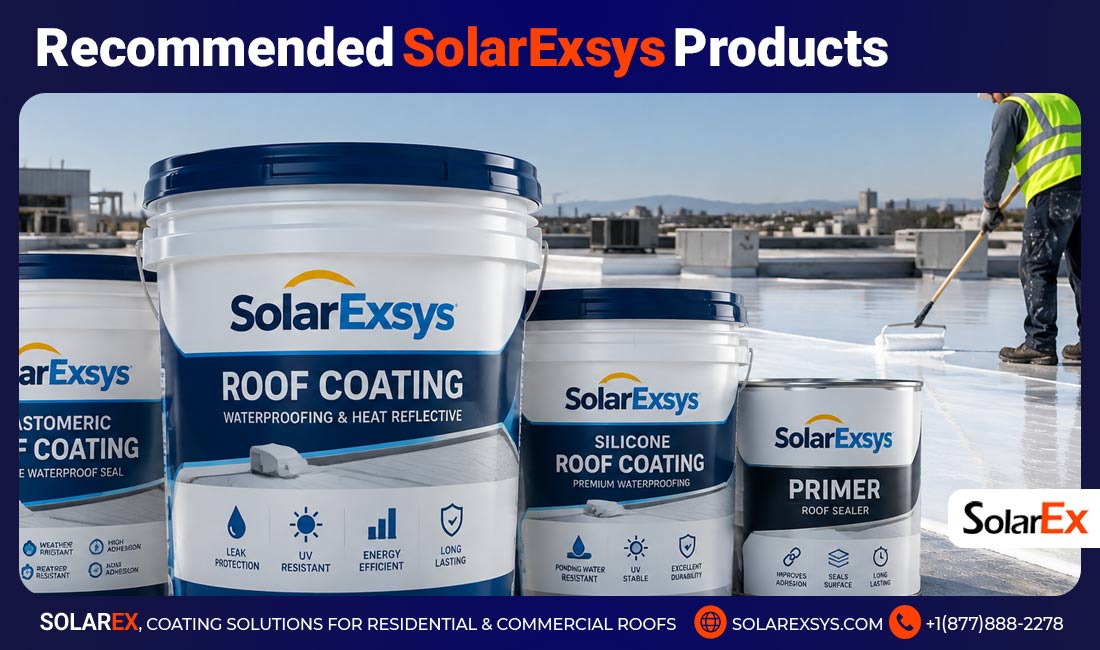
At SolarExsys, we offer different roof coating products designed to meet various project requirements, from maintenance applications to larger commercial roofing projects. Our product range includes silicone and acrylic coating solutions in different sizes, allowing you to choose an option that matches your roof condition and application needs.
| Product | Suitable For | Main Benefits |
|---|---|---|
| SiliconEx 500 Silicone Roof Coating (18 L Pail) | Smaller roofing projects and maintenance applications | Flexible silicone protection with practical packaging |
| SiliconEx 500 Silicone Roof Coating (55 Gal Drum) | Medium and large roofing projects | Bulk packaging for wider roof coverage |
| SolarEx 300 Acrylic Cool Roof Coating (5 Gal Pail) | Roofs requiring reflective protection | Reflective acrylic coating for roof surface protection |
The right SolarExsys product depends on factors such as roof material, project size and environmental conditions. By selecting a coating system that fits your specific requirements, you can improve roof protection and support better long-term performance.
Conclusion; How can you make a more reliable choice for a leaking roof?
Choosing the right leak roof sealer is not only about finding a waterproof product. Factors such as roof type, level of damage, weather conditions and the required level of protection all play an important role in achieving better results. A suitable solution can help reduce moisture penetration, protect the roof surface and support longer-lasting performance.
To achieve better protection, it is important to evaluate the existing roof condition before selecting any sealant or coating system. In many cases, the right approach is not only repairing a damaged area but also applying a protective layer that matches the environmental conditions and roofing structure. A proper selection can help maintain roof performance and provide more effective protection over time.
Frequently Asked Questions About Leak Roof Sealer
What is the best roof sealant for leaks?
Choosing the best roof leak sealer depends on several factors, including the roofing material, the location of the leak, weather conditions and the level of damage. A suitable option should provide strong waterproof protection while matching the specific requirements of your roof.
How long does roof leak sealant last?
The durability of roof leak sealant depends on several factors, including product quality, application method, roof material and weather exposure. By choosing a sealant that matches the roofing surface and applying it correctly, we can achieve better protection and longer-lasting performance.
Can a roofing leak sealer fix every type of roof damage?
No. A roofing leak sealer can be effective for many surface-level leaks, small cracks and gaps, but severe structural damage or major roof failures may require more extensive repairs. We need to inspect the roof condition first to determine the most suitable solution.