





Operations Manager, GreenTech Industries
Operations Manager, GreenTech Industries
Operations Manager, GreenTech Industries
Operations Manager, GreenTech Industries
West Virginia’s rain, snow, temperature swings, and occasional ponding can take a toll on an aging commercial roof, especially once seams and surface materials begin to wear. For roofs that are still structurally sound, Silicone Roof Coating West Virginia offers a way to restore the existing system, improve weather protection, and delay the need for a full tear-off. This guide covers what silicone coating is, how it performs in West Virginia conditions, what installation involves, and which factors affect project cost. At SolarEx, we’ve put together the key information you need to decide whether silicone roof coating is the right fit for your property.
What Is Silicone Roof Coating?
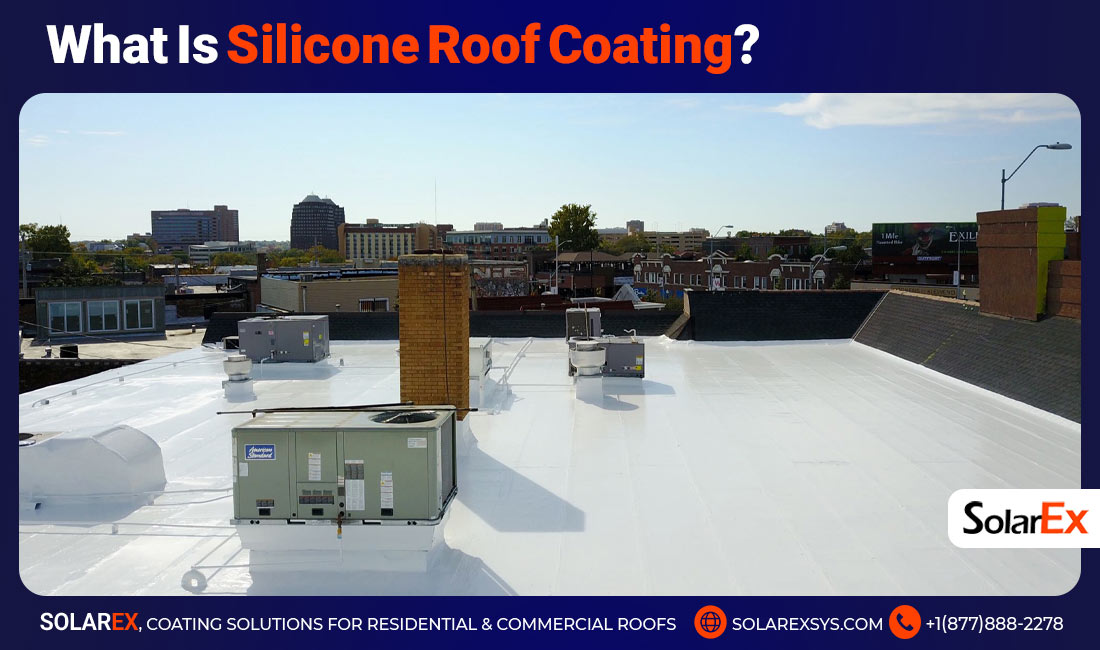
Silicone roof coating is a liquid-applied roofing material made from silicone polymers. It is installed directly over a compatible roof surface, then cures into a flexible, fully adhered layer that follows the roof’s existing shape and details. Unlike ordinary roof paint, silicone coating is specifically formulated for roofing applications and is commonly used as part of commercial and low-slope roof restoration systems.
Why Choose Silicone Roof Coating in West Virginia?
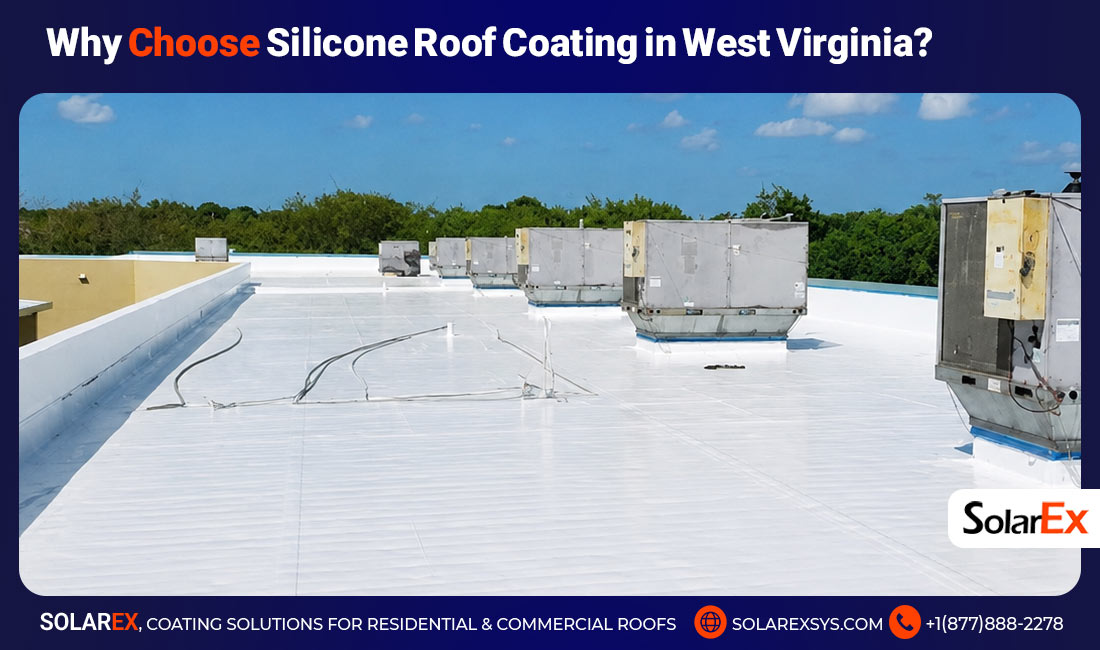
West Virginia roofs deal with frequent precipitation, winter snow, and warm, humid summers, so the coating needs to handle both moisture and seasonal temperature changes. Here are three reasons silicone is well suited to those conditions.
| Category | Details |
|---|---|
| Protection Against West Virginia Weather Conditions | Silicone remains flexible as roof surfaces expand and contract, while helping protect the existing membrane from rain, snow, and prolonged weather exposure. Like Silicone Roof Coating New York projects, West Virginia applications benefit from a coating that can handle changing seasons without becoming brittle. |
| Resistance to Ponding Water | Water can collect around drains, rooftop equipment, or low spots on flat and low-slope roofs. A properly installed 100% Silicone Roof Coating West Virginia system can withstand ponding water after curing, although persistent drainage problems should still be corrected when possible. |
| UV Protection and Energy Efficiency | White silicone coatings reflect a high percentage of solar energy, which can help keep the roof surface cooler and reduce cooling demand during warmer months. The energy benefit is typically greater in hotter regions, such as Silicone Roof Coating Florida applications, but reflective roofing can still be useful on West Virginia commercial buildings during summer. |
For roofing solutions designed for hot, high-sun conditions, explore Silicone Roof Coating Texas.
Benefits of Silicone Roof Coating in West Virginia
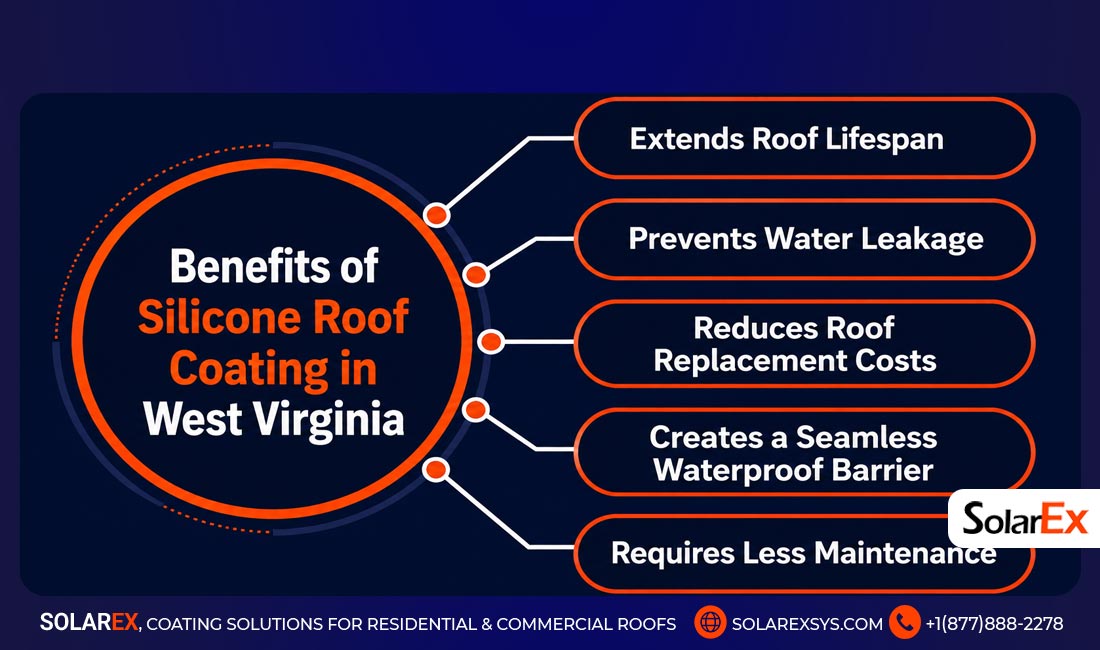
For a roof that is still structurally sound, silicone coating can restore the existing system instead of replacing it prematurely. Below are the practical benefits that matter most on commercial and low-slope roofs.
Extends Roof Lifespan
A silicone restoration system protects the existing roof surface from further weathering and can add useful service life without removing the entire assembly. When comparing the Best silicone roof coating West Virginia options, substrate compatibility and proper preparation matter just as much as the coating itself.
Prevents Water Leakage
Once seams, penetrations, and damaged areas are repaired, silicone coating forms a waterproof layer over the roof surface that helps prevent water intrusion. It works best as part of a complete restoration, not as a shortcut over unresolved roof damage.
Reduces Roof Replacement Costs
Restoring a serviceable roof can avoid much of the tear-off, disposal, and installation work involved in a full reroof. That is why Silicone roof coating price per square foot West Virginia should be compared with the total cost of replacement, not just the price of another roofing material.
Creates a Seamless Waterproof Barrier
Because the coating is liquid-applied, it cures into a continuous membrane across the roof rather than adding another field of seams. Correct Silicone roof coating coverage West Virginia is important here, since the specified application rate determines the finished membrane thickness.
Requires Less Maintenance
A restored roof with a continuous coating surface can reduce the recurring patchwork often needed on an aging membrane. Routine inspections, drain cleaning, and prompt repair of punctures are still necessary, but maintenance becomes more predictable.
See how reflective roof restoration performs in one of the country’s most demanding solar climates with Silicone Roof Coating California.
How Does Silicone Roof Coating Installation Work?
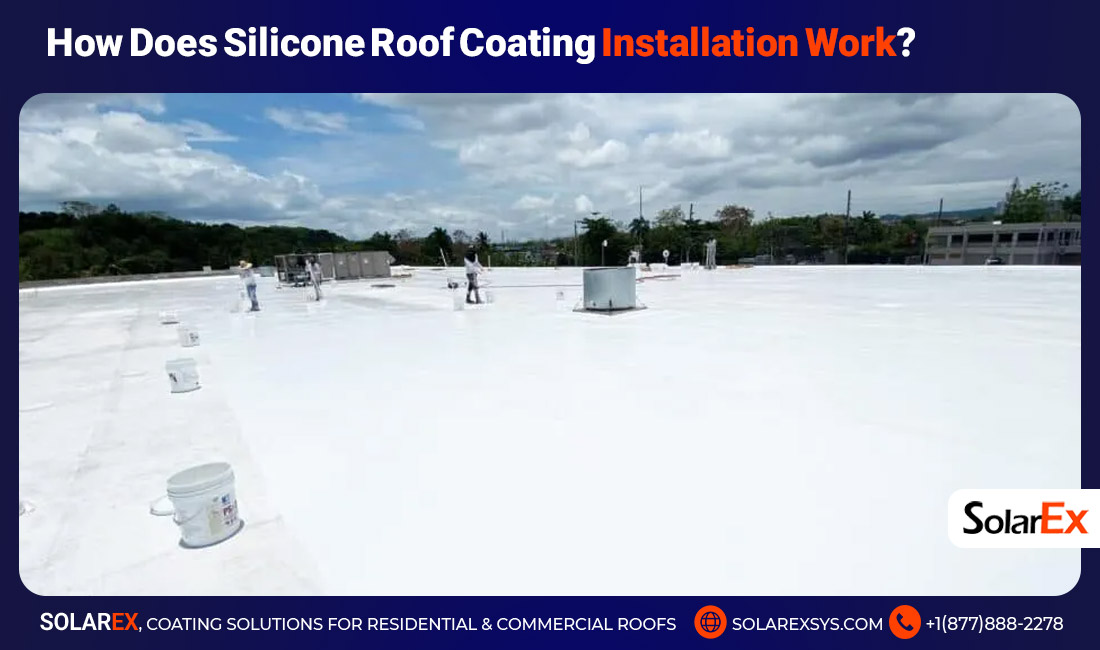
Silicone roof coating installation follows a clear sequence, and each step affects how well the finished system bonds and performs. The process starts with evaluating the existing roof and ends with applying the coating at the manufacturer’s specified thickness.
1. Inspect the Existing Roof
The roof is checked for wet insulation, loose membrane, damaged flashing, open seams, and other problems that need repair before coating. A roof with major structural damage should not simply be covered with silicone.
2. Clean and Prepare the Surface
Dirt, debris, oils, and loose material are removed so the coating can bond properly. The roof must also be fully dry before application, which makes weather planning especially important on Silicone Roof Coating Washington projects where wet conditions can limit installation windows.
3. Repair Seams and Roof Details
Open seams, fasteners, drains, curbs, and penetrations are repaired and sealed before the field coating is applied. These details are often where water intrusion starts, so they need separate attention.
4. Test Adhesion and Apply Primer if Needed
An adhesion test helps determine whether the silicone will bond directly to the existing roof or if a primer is required. Substrate type and condition determine the correct preparation method.
5. Apply the Silicone Coating
The coating is applied by roller, brush, or airless spray at the specified coverage rate and thickness. Temperature limits also matter, especially for Silicone Roof Coating Alaska, where colder conditions can shorten the workable application season.
6. Allow the Coating to Cure
Once applied, the silicone cures into a continuous membrane across the prepared roof surface. The same basic process applies to Silicone Roof Coating Virginia, although repair work, primer requirements, and coating thickness can vary from one roof system to another.
Based on one of our customer projects: On a roughly 18,000-square-foot low-slope commercial roof, we found several aging seams, worn areas around rooftop equipment, and recurring water intrusion after heavy rain. Before applying the silicone system, the roof was cleaned, problem areas were repaired, and the seams and penetrations were detailed individually. Once the coating was applied at the specified coverage rate, the roof had a continuous protective surface instead of relying on repeated spot repairs. For us, the project was a good reminder that the success of a silicone restoration depends heavily on what happens before the coating is applied.
For roof coating considerations in a dry climate with strong UV exposure and seasonal temperature swings, check out Silicone Roof Coating Utah.
How Much Does Silicone Roof Coating Cost in West Virginia?
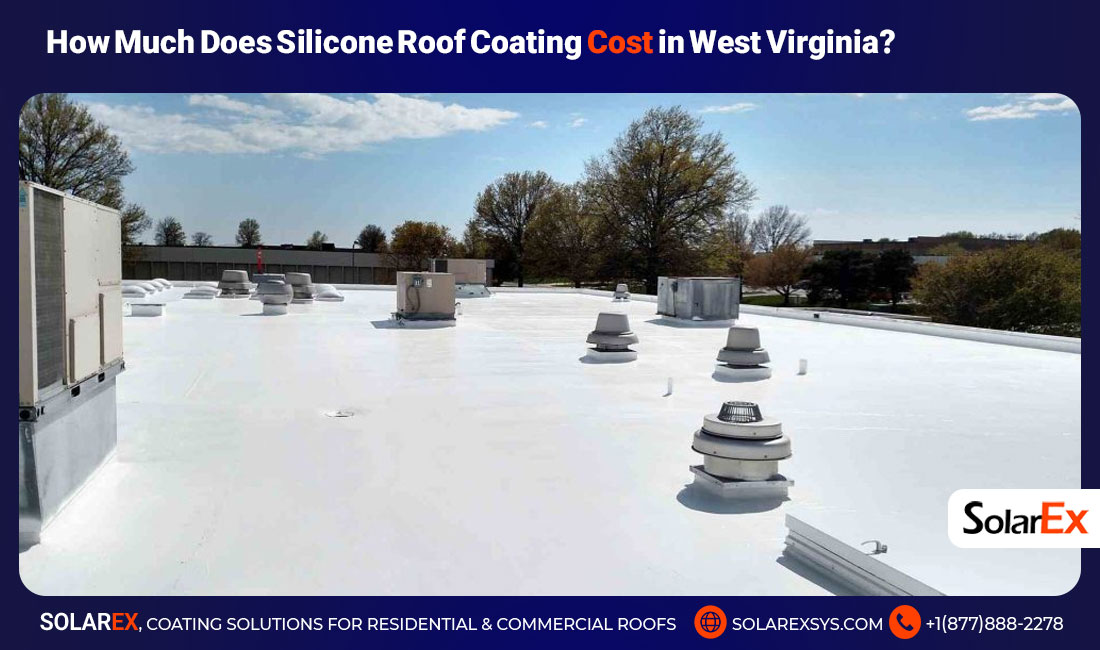
The Silicone roof coating West Virginia price is not fixed. Every roof has a different condition, layout, and preparation scope, so the final quote depends on several project-specific factors.
Key factors that affect Silicone roof coating west virginia cost include:
- Roof size and layout: Larger roofs require more coating, while curbs, penetrations, and complex details add labor.
- Existing roof condition: Wet insulation, damaged membrane, loose seams, or deteriorated flashing must be repaired before coating.
- Roof substrate: Metal, TPO, EPDM, modified bitumen, and other surfaces may require different preparation or primers.
- Coating thickness and coverage: Rough or porous surfaces can use more material to reach the specified film thickness.
- Labor and site access: Cleaning, repair work, equipment access, and application conditions all affect project cost. Regional conditions also vary, so pricing for Silicone Roof Coating Alabama should not be used as a direct benchmark for a West Virginia project.
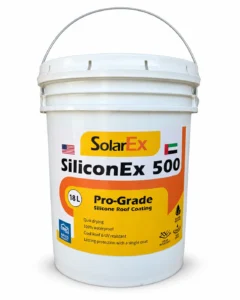
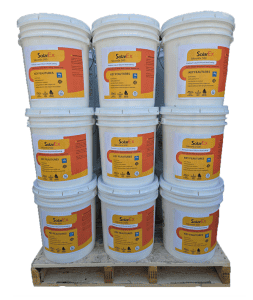
SolarEx offers USA-manufactured, high-solids silicone roof coating systems designed for commercial roof restoration, along with technical product guidance and application support. For an accurate West Virginia quote, the roof should be evaluated based on its size, substrate, and current condition.
Why Choose Solarexsys for Silicone Roof Coating in West Virginia
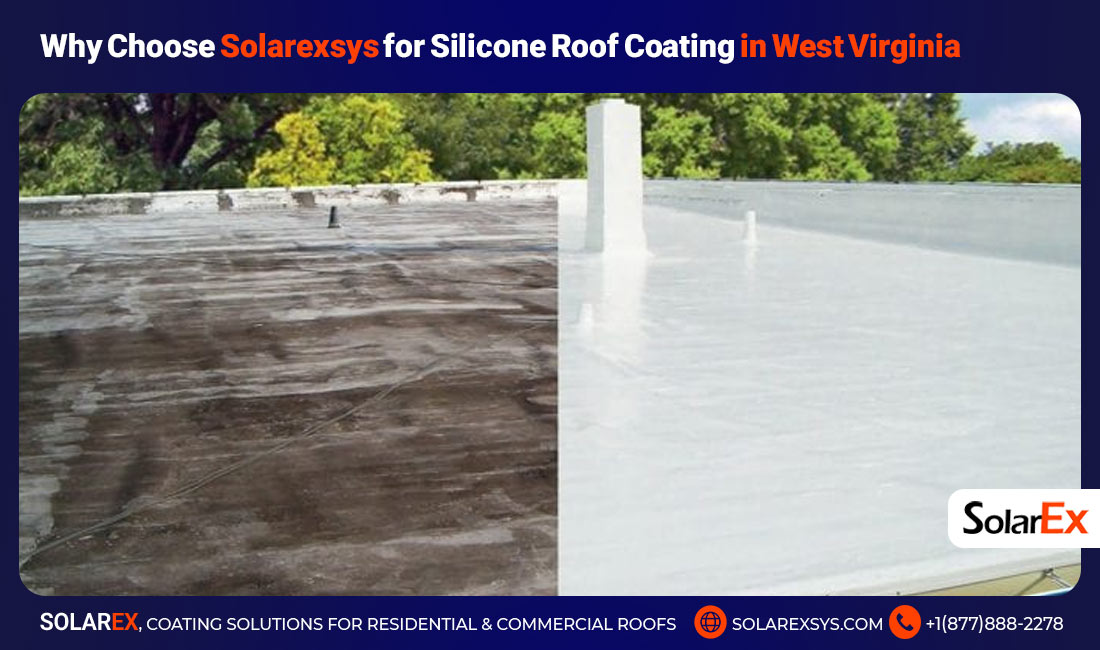
SolarEx takes a whole-building approach to energy efficiency by pairing high-performance roof coatings with solar technology. For Silicone Roof Coating West Virginia projects, our focus is not simply on applying a coating, but on protecting the existing roof, reducing heat gain, and creating a roof surface that works well with rooftop solar systems. Some of the key advantages of working with SolarEx include:
- Potential Cooling Cost Savings: SolarEx reflective coatings are designed to reduce roof heat absorption, with the company reporting cooling-cost reductions of up to 20% under suitable conditions. Actual savings depend on the building, insulation, HVAC system, and climate.
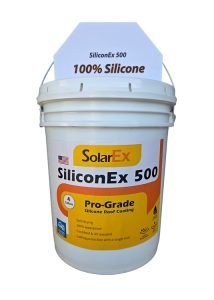
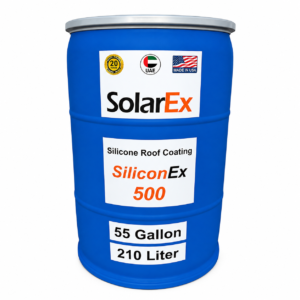
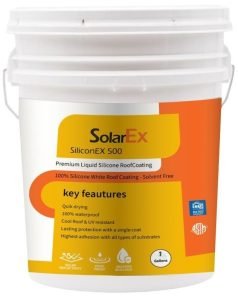
- Low-VOC Formulations: SolarEx coatings are formulated with low volatile organic compound levels. SiliconEx 500, for example, is listed at 8 g/L VOC in its current technical data sheet.
- Built for Long-Term Roof Protection: SiliconEx 500 is designed to resist UV exposure, weathering, and ponding water while maintaining a flexible, waterproof membrane over compatible roof surfaces.
- Solar-Ready Roofing Solutions: SolarEx coatings are designed to work alongside rooftop solar installations by creating a more reflective roof surface and reducing heat buildup around the system.
For product guidance, project consultation, or more information about a West Virginia roof coating project, contact SolarEx through any of the following:
Address: 700 Allston Way, Berkeley, CA 94710, USA
Phone: +1 (877) 888-2278
Email: info@solarexsys.com
Conclusion; When Is Silicone Roof Coating the Right Move for Your West Virginia Roof?
If your roof is still structurally sound but showing signs of age, surface wear, minor leaks, or weather exposure, Silicone Roof Coating West Virginia can be a practical alternative to replacing the entire system. The best results come from treating coating as a restoration system rather than a quick repair, which means addressing damaged areas first, preparing the surface correctly, and applying the material at the required thickness. For property owners trying to extend roof service life while controlling replacement costs, silicone coating is worth considering before deterioration reaches the point where restoration is no longer an option.
FAQ: Silicone Roof Coating West Virginia
How well does silicone roof coating perform in West Virginia weather?
Silicone is well suited to West Virginia’s mix of rain, snow, summer heat, and seasonal temperature changes because it stays flexible and resists prolonged water exposure. When checking silicone roof coating West Virginia reviews, look for projects with roof conditions similar to your own rather than relying on ratings alone.
How long can a silicone roof coating system last?
Service life depends on coating thickness, roof preparation, drainage, maintenance, and the system installed. Depending on the product and specification, commercial coating systems may qualify for warranty periods of up to 20 years and can sometimes be recoated later.
Can silicone roof coating fix an existing roof leak?
It can help waterproof repaired seams, penetrations, and other vulnerable areas, but existing leaks should be located and repaired before the field coating is applied. Silicone should not be used to cover saturated insulation or serious structural damage.
Can silicone coating be installed over an existing roof?
Yes, silicone systems can be applied over many existing roof types, including metal, TPO, EPDM, asphaltic roofing, concrete, and spray foam when the substrate is compatible and properly prepared. Adhesion testing and primer may be required before application.
Is silicone roof coating more affordable than replacing a roof?
For a structurally sound roof, restoration can avoid much of the tear-off, disposal, and replacement work involved in reroofing. If the roof has extensive moisture or structural damage, however, replacement may be the more appropriate option.
What affects silicone roof coating cost in West Virginia?
There is no single price for every project. Roof size, substrate type, repair needs, surface preparation, primer, coating thickness, roof access, and labor all influence the final cost.