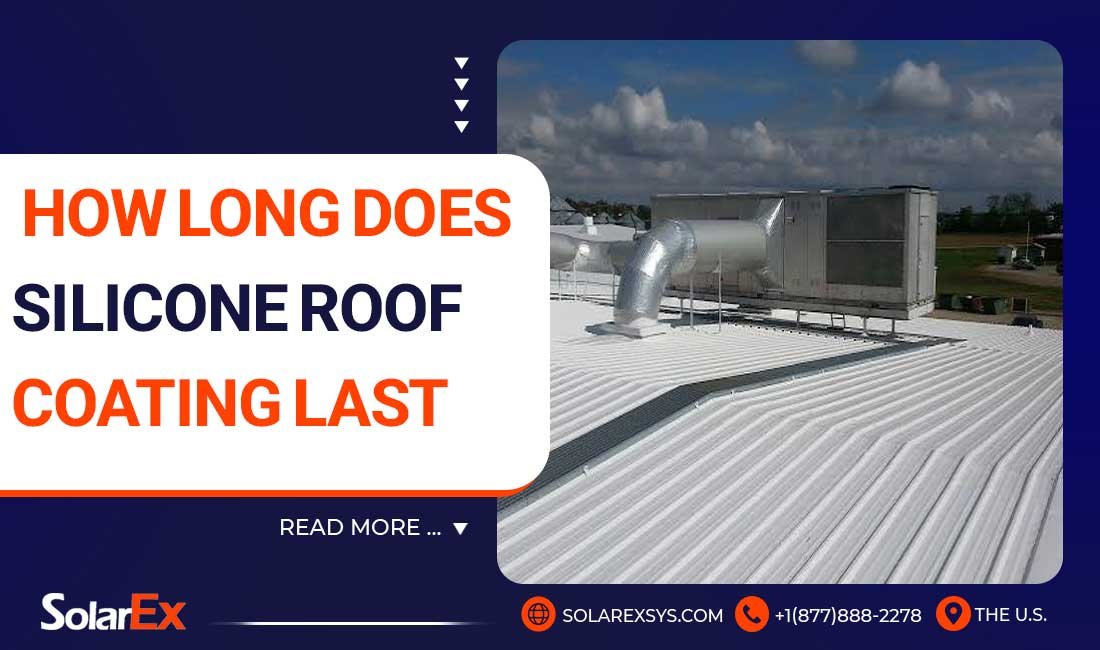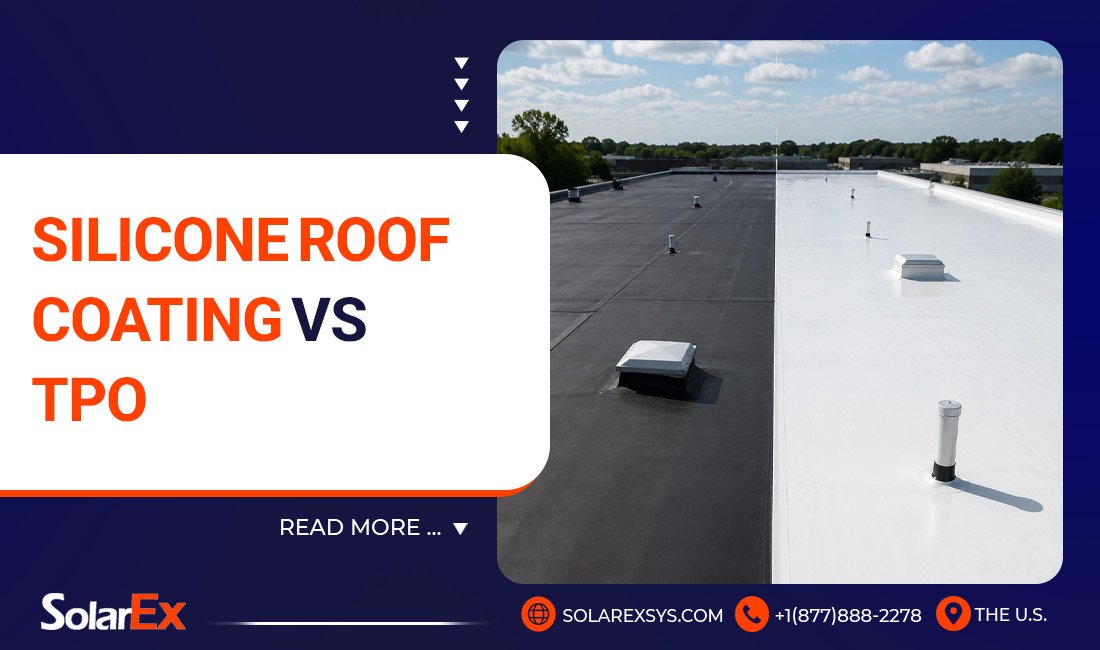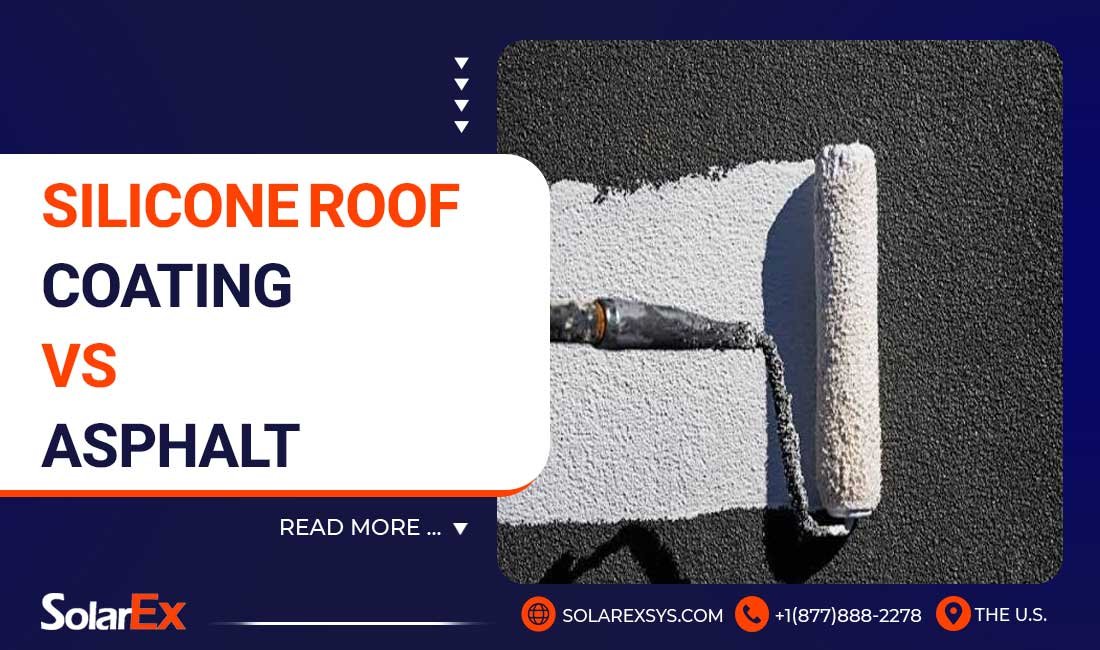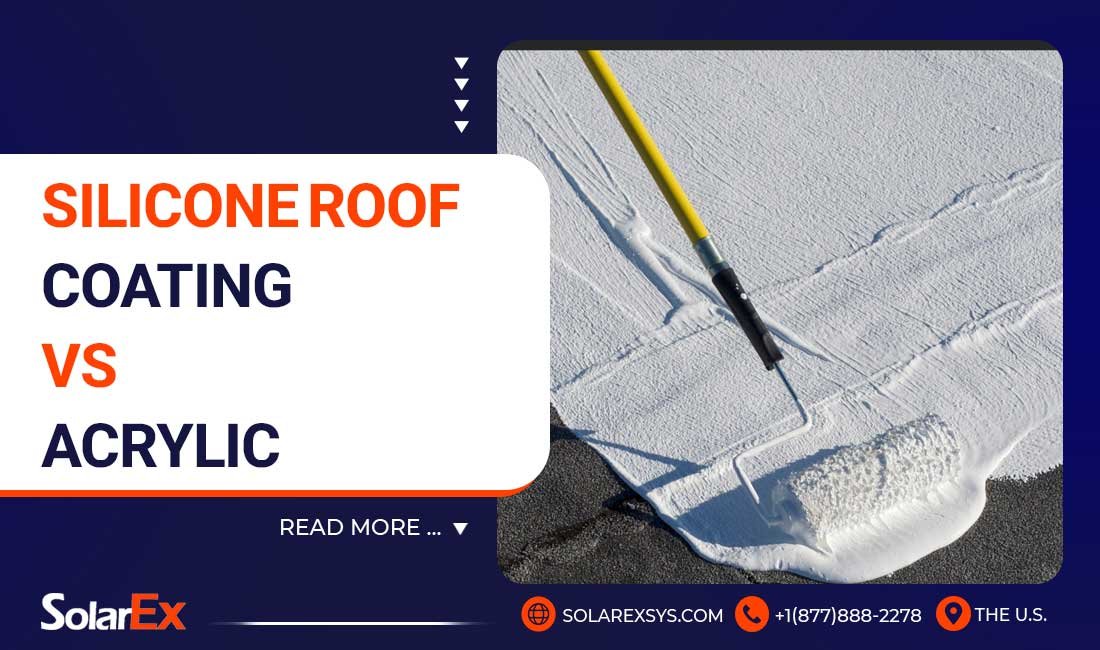

Choosing the right roof coating isn’t just about waterproofing it’s about protecting your investment for years to come. If you’re comparing the Silicone roof coating pros and cons, you’re likely looking for a solution that can withstand harsh weather, reduce maintenance costs, and extend the life of your roof without unnecessary expenses. In this guide, you’ll find a clear, practical breakdown of the advantages, limitations, and ideal applications of silicone roof coatings, helping you make a confident and informed decision for your property. For complete insights and expert guidance, stay with us at SolarEx .
What Are Roof Coatings?
Roof coatings are liquid-applied protective membranes designed to restore, seal, and extend the service life of an existing roof without the need for a complete replacement. Once applied, the coating cures into a seamless, waterproof layer that helps protect the roof from UV radiation, moisture intrusion, temperature fluctuations, and everyday weather exposure. Rather than replacing a roof that is still structurally sound, a roof coating provides an efficient way to improve its performance while reducing long-term maintenance costs.
There are several types of roof coatings available, including acrylic, polyurethane, asphalt-based, and silicone systems. Each coating is engineered for different roof conditions, climates, and performance requirements. Among these options, silicone coatings are widely recognized for their exceptional resistance to standing water, excellent UV stability, and long-lasting waterproof protection, making them one of the most trusted solutions for commercial and low-slope roofs.
If you’re researching Silicone roof coating pros and cons, understanding how roof coatings work is the first step toward choosing the right system. A properly selected coating can restore an aging roof, improve energy efficiency, minimize repair expenses, and significantly delay the need for a costly roof replacement. In the following section, we’ll take a closer look at the Silicone roof coating pros and cons so you can determine whether this solution is the right investment for your building.
Silicone roof coating pros and cons
Understanding the Silicone roof coating pros and cons is essential when choosing a roofing solution that delivers long-term protection, reliable performance, and strong value for your property. Silicone remains one of the most dependable options for waterproofing, UV resistance, and roof restoration, especially for commercial and low-slope roofing systems. The overview below highlights the most important advantages and limitations before we explore each point in detail.
|
Feature |
Silicone Roof Coating |
|
Waterproof Performance |
Excellent resistance to ponding water |
| UV Resistance |
Outstanding, even after years of exposure |
|
Weather Resistance |
Performs well in extreme temperatures and harsh climates |
| Roof Lifespan Extension |
Can significantly extend the life of an existing roof |
|
Energy Efficiency |
Reflects sunlight and helps reduce roof surface temperatures |
|
Maintenance |
Requires minimal maintenance after installation |
| Application |
Can be applied over many existing roofing systems |
|
Initial Cost |
Higher than some alternative coatings |
| Dirt Pickup |
May attract dust over time, slightly reducing reflectivity |
| Recoating |
Future recoating typically requires another silicone-based product |
Silicone roof coating pros
When evaluating the Silicone roof coating pros and cons, the advantages of silicone stand out clearly. Its durability, weather resistance, and long service life make it a highly practical choice for property owners who want dependable roof protection with minimal upkeep.
Exceptional Waterproof Protection
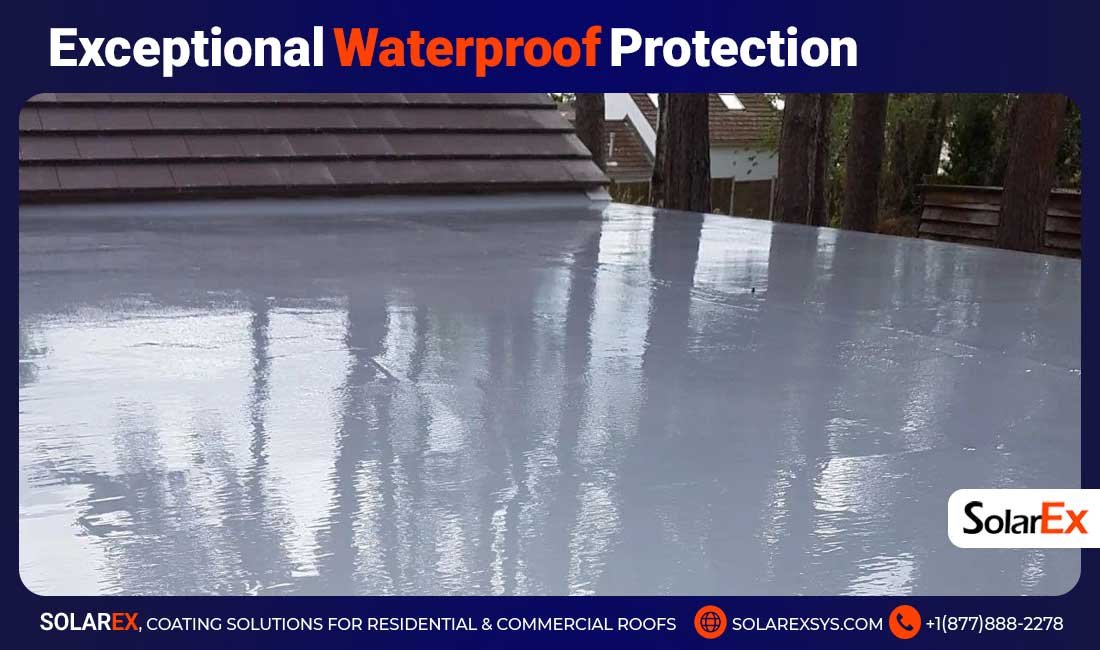
One of the strongest Silicone roof coating pros is its outstanding resistance to standing water. Unlike many other coating systems, silicone maintains its protective barrier even when water remains on the roof for extended periods. This makes it one of the most valuable benefits of silicone roof coating for flat and low-slope buildings.
Outstanding UV Resistance
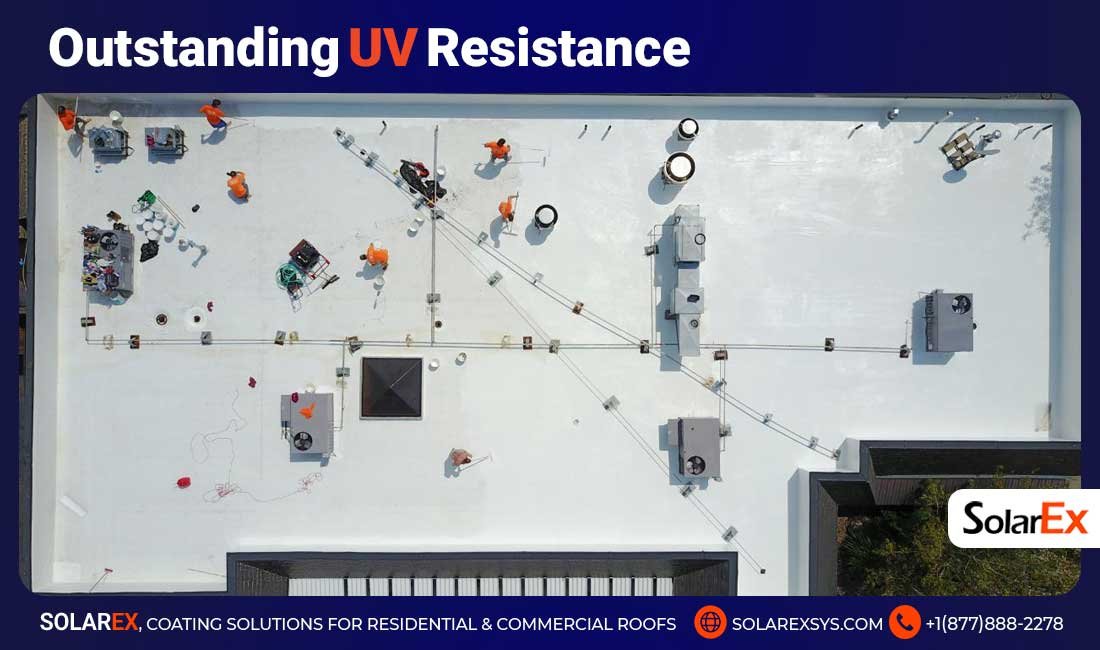
Constant exposure to sunlight can cause many roofing materials to break down over time. Silicone coatings are designed to withstand intense UV exposure without becoming brittle or losing performance. This is one of the most important silicone roof coating advantages for buildings in hot, sunny, or high-exposure environments.
Extended Roof Service Life
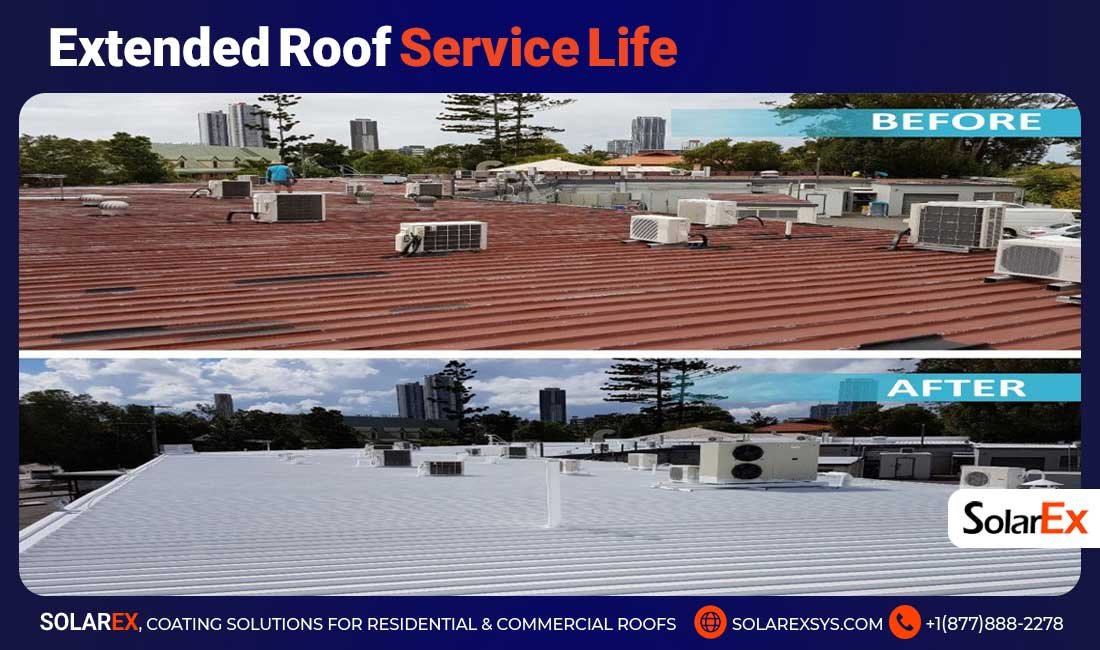
A professionally installed silicone coating helps protect the existing roof from aging, moisture intrusion, and weather-related damage. This can delay the need for a full roof replacement and deliver significant long-term savings. Among the most important Silicone roof coating advantages and disadvantages, this extended service life is one of the main reasons building owners choose silicone.
Excellent Flexibility
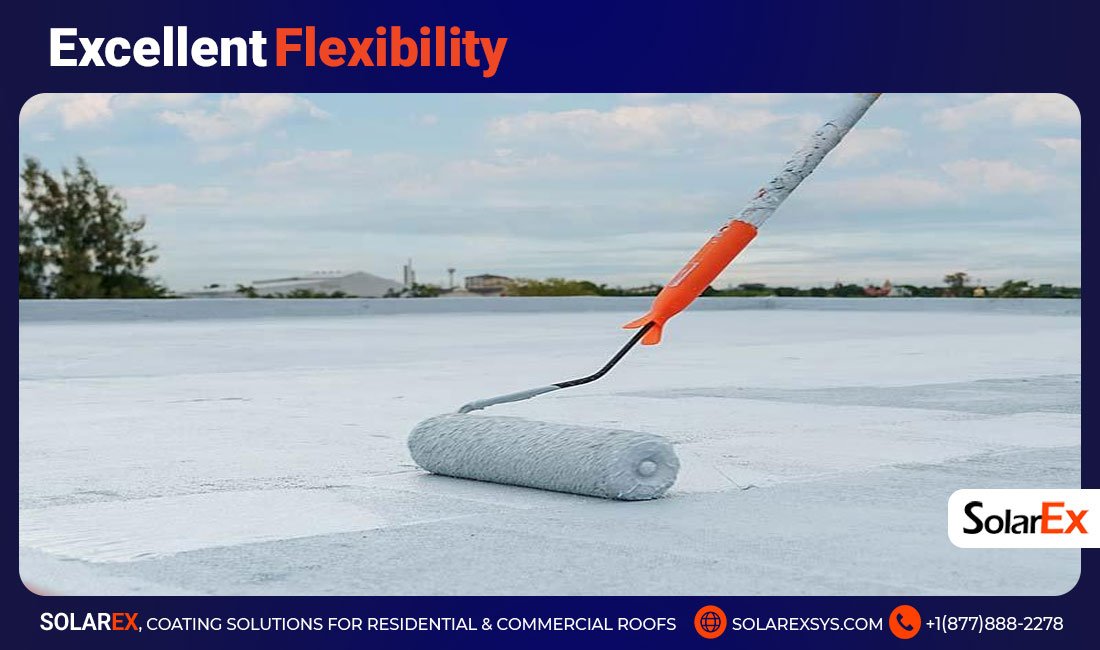
Roofs naturally expand and contract as temperatures change. Silicone remains flexible after curing, allowing it to move with the roof without cracking or losing adhesion. This flexibility improves overall system reliability and helps maintain long-term protection.
Improved Energy Efficiency
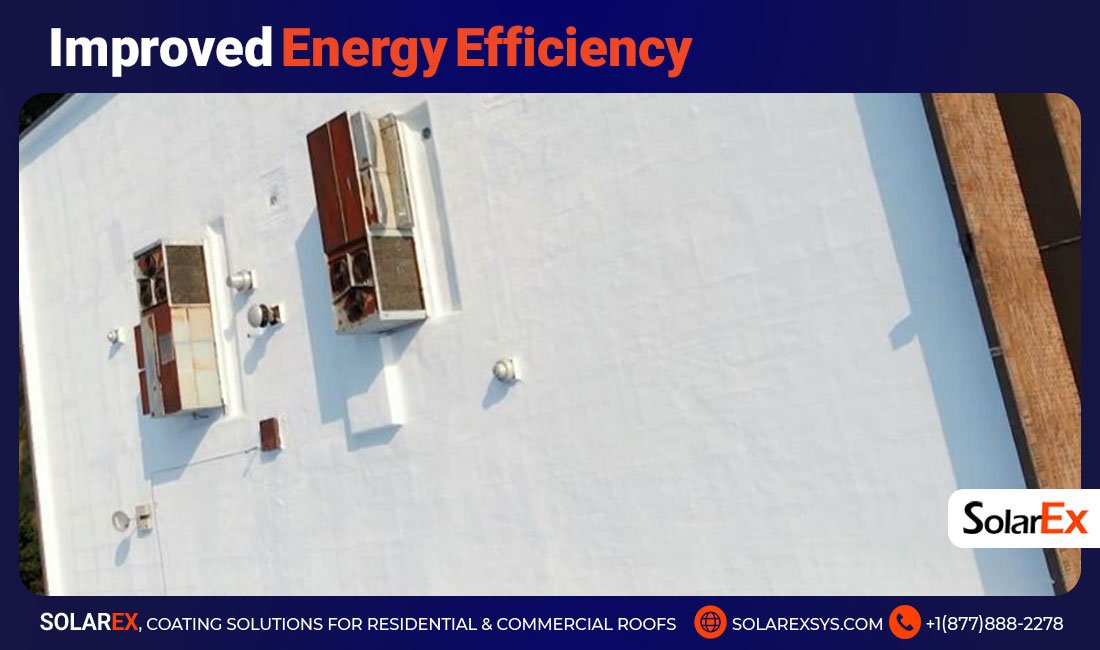
Many silicone coatings have a highly reflective surface that reduces heat absorption. By lowering roof temperatures, they can help improve indoor comfort and reduce cooling demand during warmer months. This is another major benefits of silicone roof coating for energy-conscious property owners.
Low Maintenance Requirements
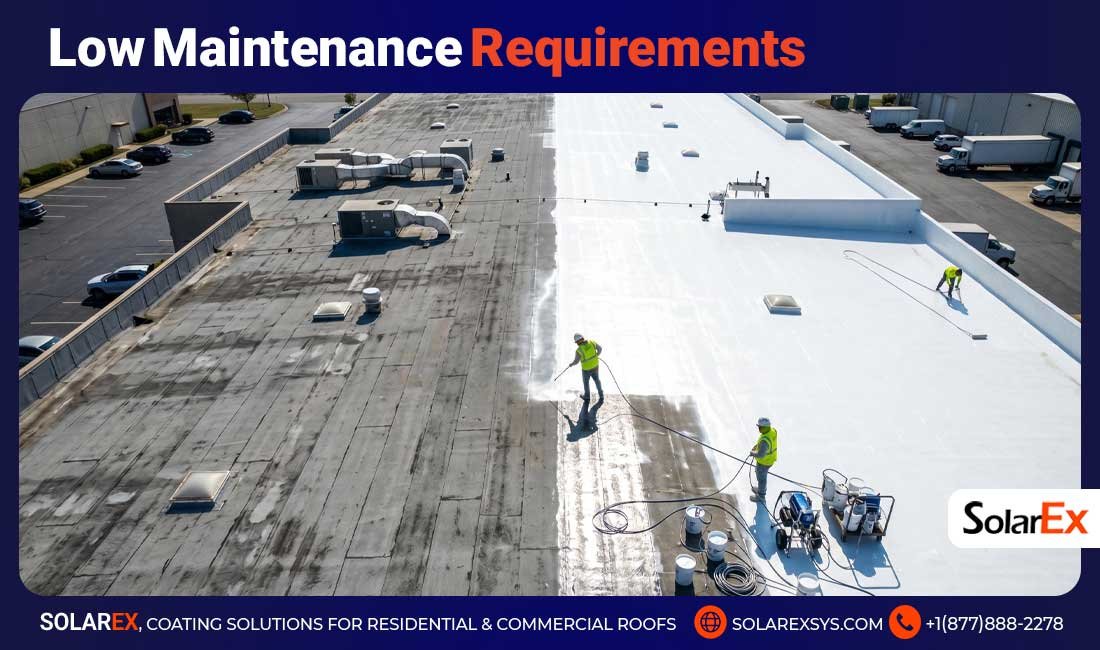
Once installed, silicone coatings require very little ongoing maintenance. Their durable surface resists weathering and helps reduce the need for frequent repairs, making them a smart solution for long-term roof management.
Silicone roof coating cons
Although the Silicone roof coating pros and cons should always be reviewed together, the limitations of silicone are generally manageable when the product is selected and installed correctly.
Higher Initial Investment
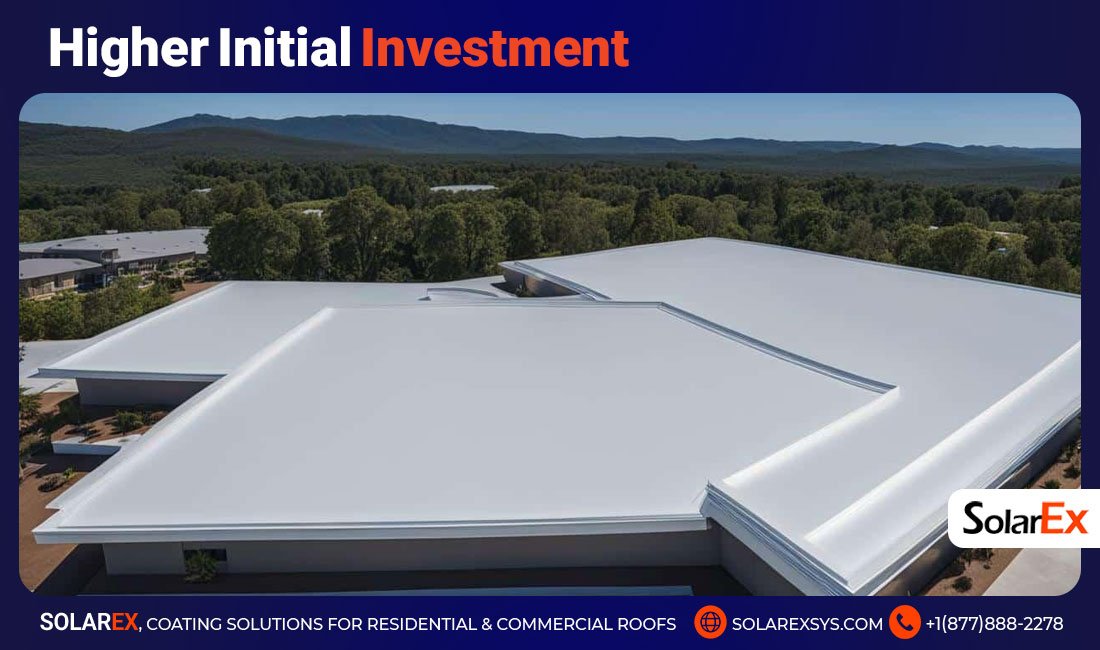
Silicone coatings typically cost more upfront than some alternatives, such as acrylic systems. However, their durability and longer service life often help justify the initial expense over time.
Surface Dirt Accumulation
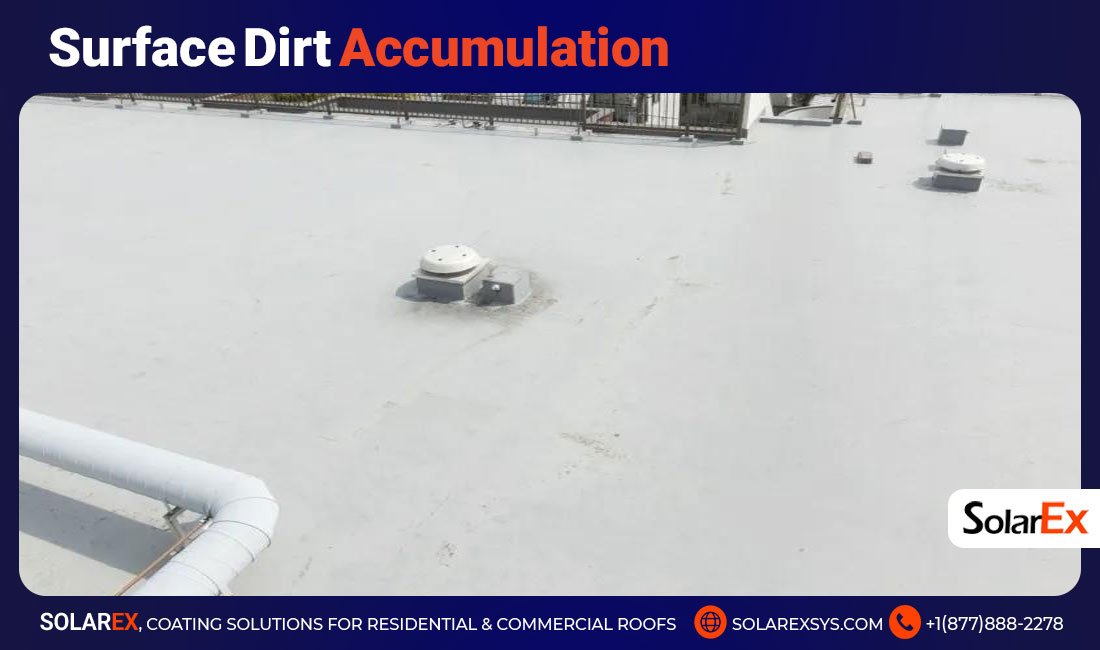
Silicone surfaces can attract dust and airborne particles, which may gradually reduce reflectivity. In most cases, routine inspections and occasional cleaning are enough to maintain strong performance.
Recoating Requirements
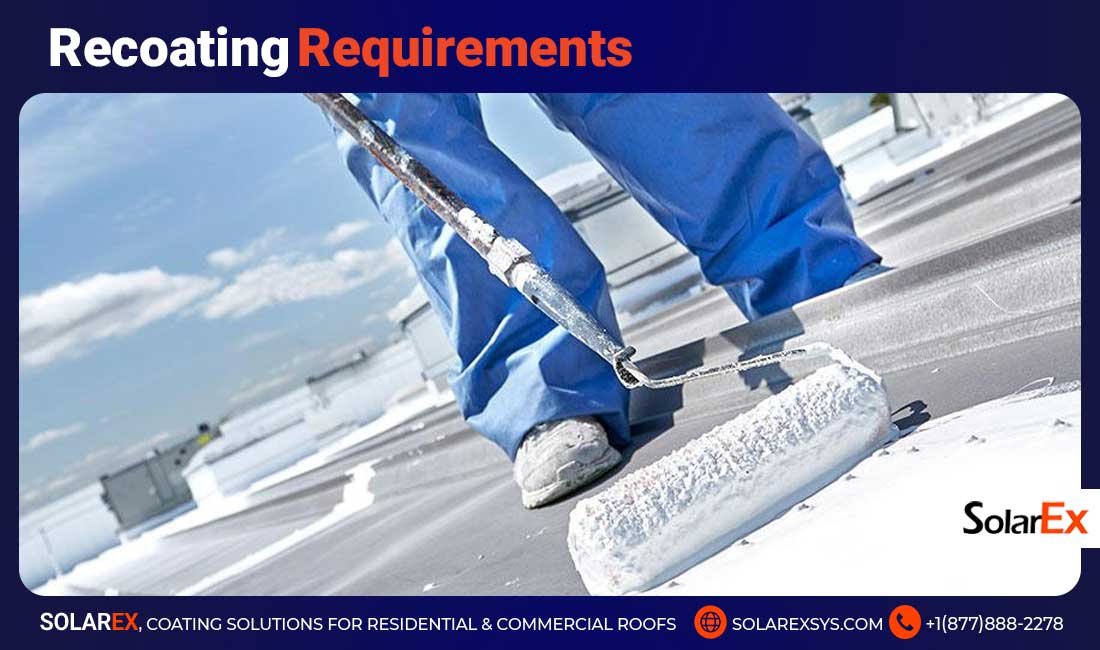
If the roof needs recoating in the future, a silicone-based product is usually recommended to ensure proper adhesion and long-term compatibility. This is an important consideration when planning for future maintenance.
Overall, when comparing the Silicone roof coating advantages pros and cons, silicone stands out as a strong, reliable, and long-lasting roofing solution. Its waterproofing performance, UV resistance, flexibility, and low maintenance needs make it one of the best choices for building owners seeking dependable roof protection.
When Is a Silicone Roof Coating the Right Choice for Your Roof?
Not every roof requires a complete replacement. In many cases, applying a silicone roof coating is a more practical and cost-effective solution, provided the existing roof is still structurally sound. Understanding the Silicone roof coating pros and cons can help you determine whether this restoration method is the right fit for your building.
A silicone roof coating is an excellent choice if your roof experiences frequent ponding water, prolonged UV exposure, or harsh weather conditions. Thanks to its outstanding waterproofing capabilities and long-term durability, it performs particularly well on commercial buildings, warehouses, industrial facilities, and other low-slope roofing systems.
It is also a smart option when you want to extend the life of your existing roof without the expense and disruption of a full roof replacement. One of the biggest benefits of silicone roof coating is its ability to restore aging roofs while reducing maintenance needs and improving overall performance.
You should consider a silicone roof coating if your roof:
- Has minor cracks or weather-related wear but remains structurally sound.
- Frequently holds standing water after rainfall.
- Is exposed to intense sunlight and high UV levels.
- Requires improved waterproofing without replacing the existing roofing system.
- Needs a long-lasting protective solution with minimal maintenance.
While evaluating the Silicone roof coating pros and cons, it’s equally important to have your roof inspected by experienced professionals. The right coating system depends on factors such as roof condition, substrate type, climate, and long-term performance goals. A professional assessment ensures you receive the most effective solution and the greatest return on your investment.
SolarEx Silicone Roof Coating
At SolarEx, we provide high-performance silicone roof coating solutions designed to protect your roof from water intrusion, UV exposure, and premature aging. Whether you own a commercial, industrial, or residential property, our team helps you choose the right coating system based on your roof’s condition, building type, and long-term performance goals.
Our silicone roof coating systems create a seamless waterproof membrane that extends roof life, reduces maintenance requirements, and improves overall energy efficiency. By combining premium materials with professional installation, we deliver reliable protection that stands up to demanding weather conditions year after year.
Why Choose SolarEx?
- Premium 100% silicone roof coating systems
- Professional roof inspection and expert recommendations
- Long-lasting waterproof protection
- Superior UV and weather resistance
- Cost-effective roof restoration without full replacement
- Experienced installation team
- Reliable after-sales support
According to the experience of one of our customers:
“After applying a SolarEx silicone roof coating to our 18-year-old commercial building, we noticed a significant reduction in recurring leaks during heavy rainfall. Sixteen months later, the roof remains watertight with no major maintenance required, allowing us to postpone a costly roof replacement and reduce ongoing repair expenses.”
If you’re comparing the Silicone roof coating pros and cons, our experts are ready to help you identify the best solution for your property. We’ll assess your roof, answer your questions, and recommend a coating system that delivers long-term value and dependable performance.
Contact SolarEx today to schedule a free consultation and receive a customized recommendation for your roof coating project.
- Address: 700 Allston Way Berkeley, CA 94710, USA
- Phone: +1 (877) 888-2278
- Email: info@solarexsys.com
Conclusion; Is Silicone Roof Coating Worth the Investment?
For many property owners, the answer is yes. When the existing roof is structurally sound, silicone coating offers a practical way to improve waterproofing, increase UV resistance, and extend roof life without the expense of a full replacement. Looking at the Silicone roof coating pros and cons, the long-term benefits often outweigh the few limitations, particularly for commercial and low-slope roofs exposed to demanding weather conditions. Choosing the right coating system and ensuring professional installation can deliver reliable performance, lower maintenance costs, and long-lasting protection, making silicone roof coating a worthwhile investment for years to come.
Frequently Questions Silicone Roof Coating Pros and Cons
How long can we expect a silicone roof coating to last?
In most cases, a professionally installed silicone roof coating lasts around 15 years, and sometimes even longer with proper maintenance. During that time, it helps protect the existing roof from water damage, UV exposure, and everyday weathering, allowing us to extend the roof’s lifespan without replacing the entire system.
Which roof coating should we choose?
The best roof coating depends on our roof type, local climate, and budget. If we need maximum waterproofing and long-term UV protection, 100% silicone is one of the best choices, especially for flat or low-slope roofs with standing water. If we’re working with a tighter budget and have a pitched roof in a dry, sunny climate, an acrylic coating can also be a good option.
Can we paint over a silicone roof coating?
Generally, we shouldn’t apply standard paint directly over a silicone roof coating because most paints don’t bond well to its surface. If we want to change the color or refresh the coating later, it’s usually best to use a compatible silicone-based coating designed for recoating.
How much does a silicone roof coating cost?
Professional installation typically costs between $1.50 and $7.00 per square foot, depending on the roof size, condition, and project requirements. For a typical 2,000-square-foot residential roof, the total installation cost usually falls between $3,000 and $9,000.