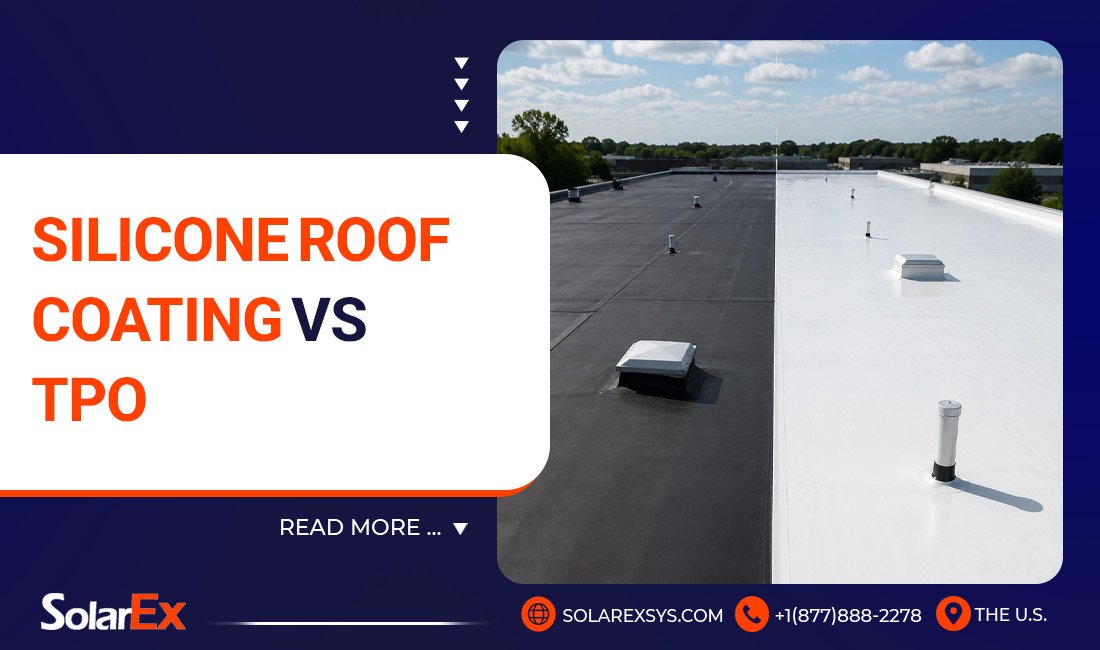

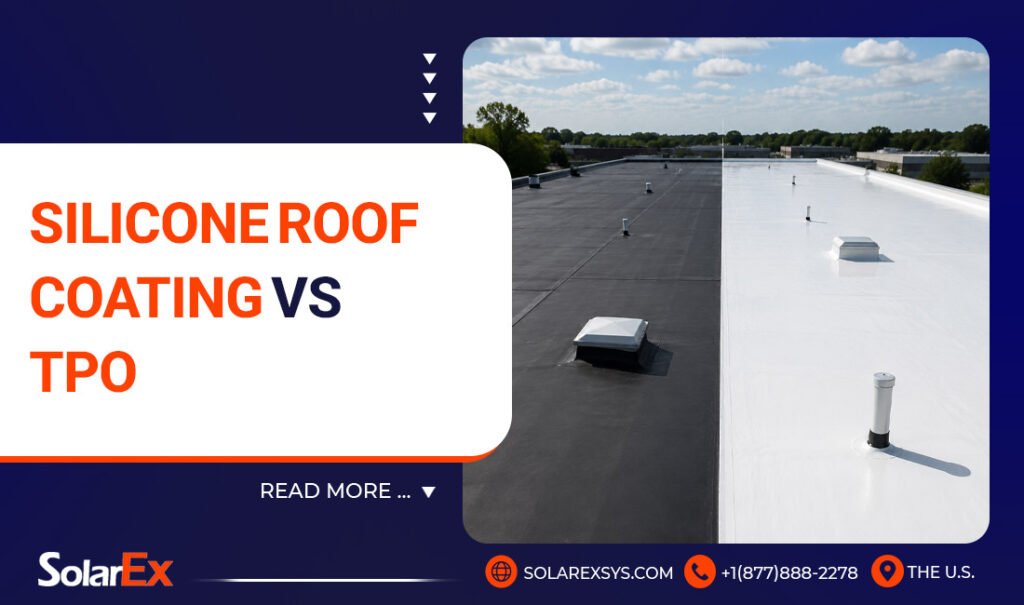
Choosing the right roofing system can have a major impact on maintenance costs, energy efficiency, and the long-term protection of a commercial building. Many property owners struggle with deciding whether to restore their existing roof with a silicone coating or invest in a complete TPO replacement. In this guide, we compare silicone roof coating vs tpo to explain the main differences, benefits, limitations, and cost factors of each option, helping you choose the right solution based on your roof’s condition and project needs. Explore the full comparison with SolarEx to make a better roofing decision.
What Is Silicone Roof Coating?
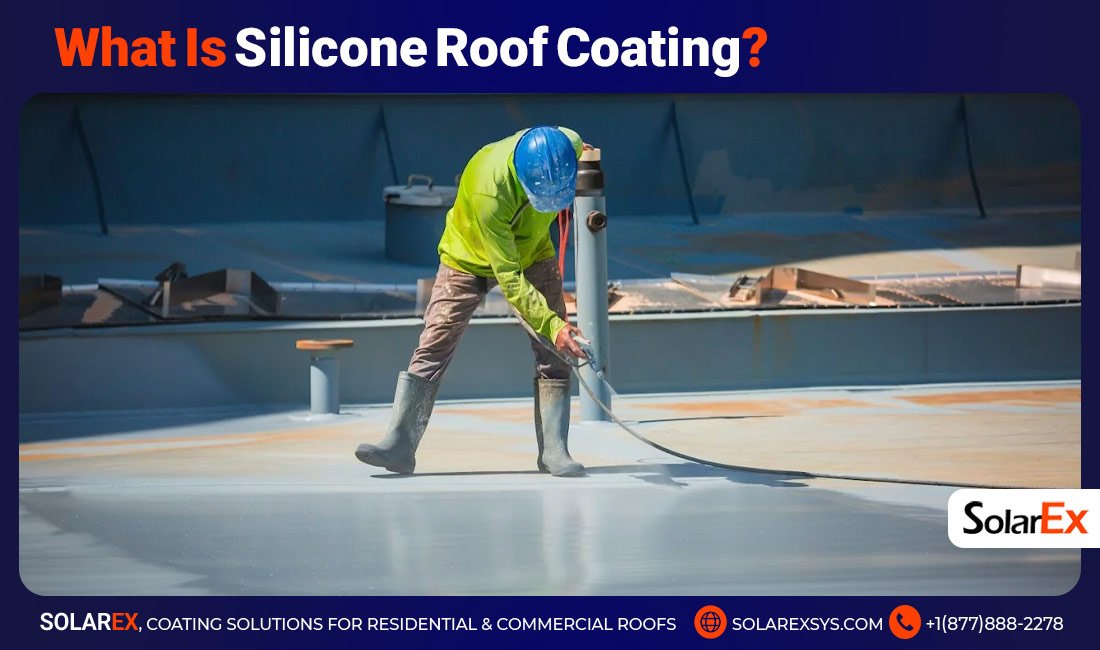
Silicone roof coating is a liquid-applied roof restoration system designed to extend the life of an existing roof without removing the current membrane. It can be installed over a variety of roofing materials, including TPO, EPDM, modified bitumen, built-up roofing, metal roofs, and spray foam systems. Before application, the roof surface is cleaned, damaged areas are repaired, and a primer may be applied when required. The silicone coating is then installed at the proper thickness to create a seamless protective layer across the entire roof.
Because silicone forms a continuous membrane without seams, it eliminates one of the most common weak points found in traditional roofing systems. The cured coating creates a waterproof barrier with strong UV resistance and remains flexible through a wide range of temperatures, helping the roof handle seasonal expansion and contraction. With proper installation and maintenance, silicone systems can often be recoated at the end of their service life, reducing the need for a complete roof replacement.
Before choosing a restoration system, the existing roof condition must be evaluated carefully. Silicone coating works best when the roof deck is structurally stable and the insulation beneath it is dry. If there is major structural damage or moisture trapped inside the insulation, a coating system will not solve the underlying problem and roof replacement may be required.
For building owners comparing options, understanding the Silicone roof coating pros and cons can help determine whether a restoration system is the right solution compared with full membrane replacement.
What Is TPO Roofing?
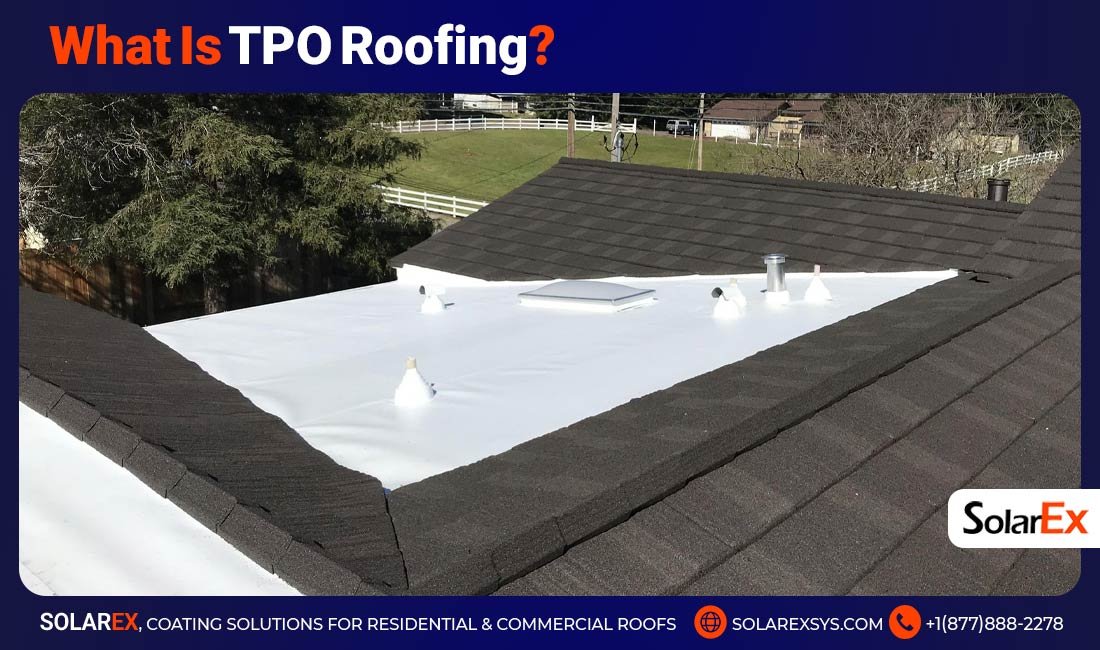
TPO, short for thermoplastic polyolefin, is a single-ply roofing membrane made from a synthetic material that is commonly available in white or light gray finishes. The membrane is installed over the roof deck using mechanical fasteners or adhesives, and the seams are sealed together through heat welding to create a continuous roofing surface. Over the past two decades, TPO has become one of the most widely used commercial roofing systems in the United States.
When installed properly, TPO provides reliable performance for commercial buildings. Heat-welded seams can be extremely durable and, in many cases, stronger than the membrane itself. The material offers good UV reflectivity, resistance against everyday wear, and compatibility with different insulation systems. Depending on weather conditions, roof traffic, and maintenance practices, a properly installed TPO roof can typically last between 15 and 25 years.
The main limitation is that TPO installation usually requires a complete roof replacement rather than a restoration approach. The existing roofing system must be removed, disposed of, and replaced with a new membrane assembly, which can significantly increase project costs.
For property owners comparing restoration options, reviewing the Silicone roof coating vs tpo cost differences can help clarify why coating systems and full TPO replacements involve very different investment levels.
Compare silicone roof coating vs elastomeric to see which coating system better matches your needs.
Advantages & Disadvantages of silicone roof coating
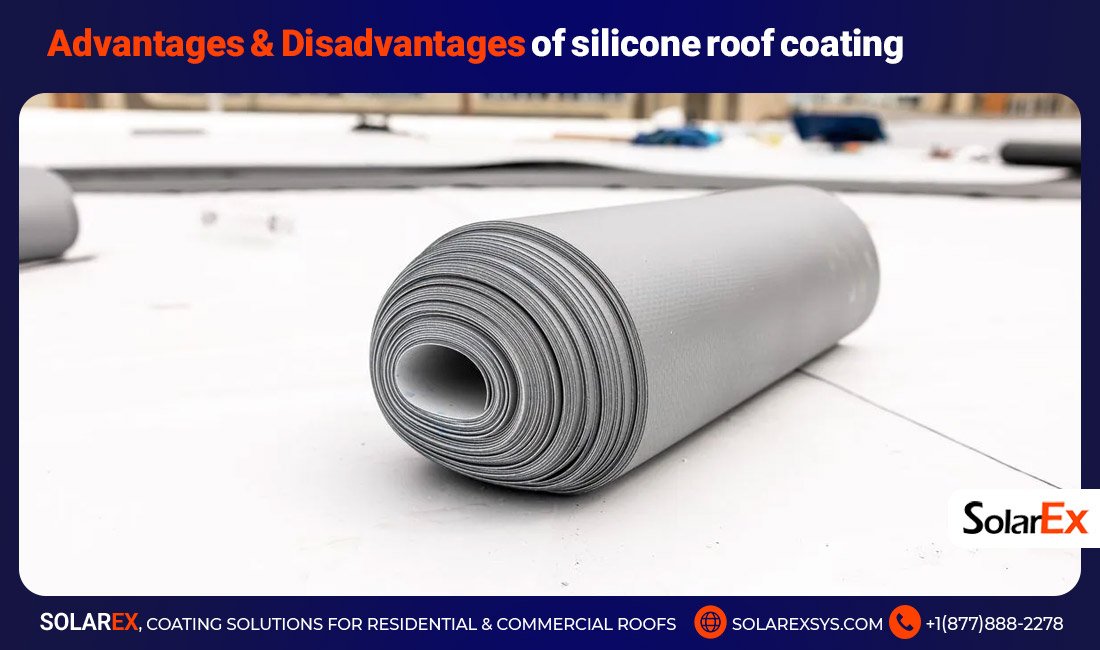
Silicone roof coating is widely used in commercial roof restoration because it creates a seamless waterproof barrier over existing roofing systems and helps extend the usable life of aging roofs.
Advantages of Silicone Roof Coating
- Excellent waterproof protection: Silicone coatings create a seamless membrane that prevents water intrusion through cracks, gaps, and aging roof surfaces. Unlike many other coating materials, silicone can maintain its waterproof properties even in areas where water may remain on the roof after heavy rainfall.
- Strong UV resistance and weather durability: Silicone performs well under constant sun exposure and harsh weather conditions. It resists UV degradation and maintains flexibility over time, making it a suitable option for buildings in regions with intense heat and sunlight. Compared with other roofing systems, the Silicone roof coating vs tpo pros and cons discussion often highlights silicone’s ability to handle long-term UV exposure and ponding water.
- No need for a complete roof tear-off: A major advantage of silicone roof coating is that it can often be installed over an existing roof system after proper preparation and repairs. This restoration approach allows property owners to improve aging roofs without removing the entire membrane. Many contractors use silicone roof coating before and after comparisons to show the visible improvement in roof appearance and surface protection after application.
Flexible performance in changing temperatures: Silicone remains flexible as temperatures rise and fall, allowing it to move with the natural expansion and contraction of the roof surface without cracking easily.
- Improved energy efficiency: Many silicone coatings are designed with highly reflective surfaces that reduce heat absorption. By keeping the roof surface cooler, they can help lower cooling demand during hot weather.
Disadvantages of Silicone Roof Coating
- Requires a suitable existing roof condition: Silicone coating is not designed to repair structural roof problems. The existing roof deck must be stable, and any trapped moisture or damaged insulation should be addressed before installation.
- Can collect dirt over time: Silicone surfaces may attract dust, leaves, and other debris, especially on buildings located near industrial areas or trees. Heavy buildup can reduce reflectivity and affect the roof’s appearance.
- Not ideal for heavy foot traffic areas: Silicone coatings are designed as protective roof membranes rather than walking surfaces. Roof areas that require frequent maintenance access may need additional protection, such as walkway pads.
- Installation quality affects performance: Proper surface preparation and professional application are important for long-term results. Applying silicone over a contaminated or improperly prepared surface can lead to adhesion issues.
- May require future recoating: Although silicone systems can extend roof life, periodic inspections and maintenance are still necessary. A new coating layer may be applied in the future to maintain performance and protection.
Advantages & Disadvantages of TPO Roofing
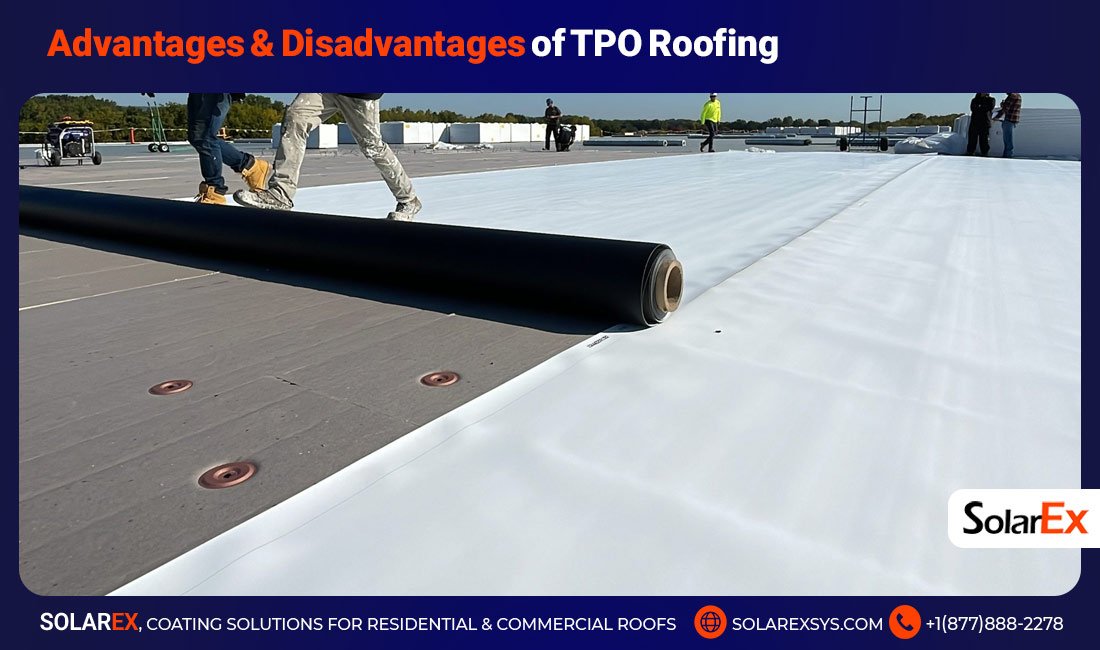
TPO roofing is one of the most widely used commercial roofing systems in the United States, known for its durability, reflective surface, and practical installation process.
Advantages of TPO Roofing
- Strong UV reflectivity and energy efficiency: Most TPO membranes feature white or light-colored surfaces that reflect sunlight and reduce heat absorption. This can help lower rooftop temperatures and reduce cooling costs during hot weather, especially on large commercial buildings.
- Durable heat-welded seams: TPO sheets are connected through hot-air welding, creating strong seams that help prevent water from entering the roofing system. When installed correctly, these welded areas can be one of the strongest parts of the membrane.
- Good resistance to everyday wear: TPO membranes are designed to handle common commercial roofing conditions, including occasional maintenance traffic and exposure to weather. The material provides good resistance against punctures, tears, and surface damage when properly installed.
- Lightweight and compatible with different insulation systems: TPO works well with various insulation types and can be installed on many low-slope commercial buildings. Its lightweight design also makes it a practical option for projects where additional roof load needs to be considered.
- Widely available and supported by roofing contractors: Because TPO has been used in commercial roofing for many years, replacement materials, repair services, and experienced installers are widely available. This makes long-term maintenance easier for building owners.
Disadvantages of TPO Roofing
- Usually requires a full roof replacement: Unlike coating systems that restore an existing membrane, TPO installation typically requires removing the old roofing material and installing a completely new system. This adds labor, disposal expenses, and project time.
- Seams can become vulnerable over time: Heat-welded seams are highly durable, but improper installation, aging, or poor repairs can create weak points where leaks may eventually develop.
- Product quality varies between manufacturers: Different TPO products can have variations in formulation, thickness, and durability. Choosing a reputable manufacturer and experienced roofing contractor has a major impact on the final performance of the system.
- May struggle with long-term ponding water exposure: TPO can handle normal rainfall and weather conditions, but areas with drainage issues may experience additional stress when water remains on the surface for extended periods.
- Limited options when the membrane reaches the end of its life: Once an aging TPO roof reaches the end of its service life, property owners usually need to choose between replacement or restoration options. Depending on the existing roof condition, solutions such as silicone roof coating can provide an alternative to traditional replacement methods. This is why comparisons like silicone roof coating vs acrylic and silicone roof coating vs asphalt are often considered when evaluating different roof restoration approaches.
Silicone roof coating vs tpo pros and cons
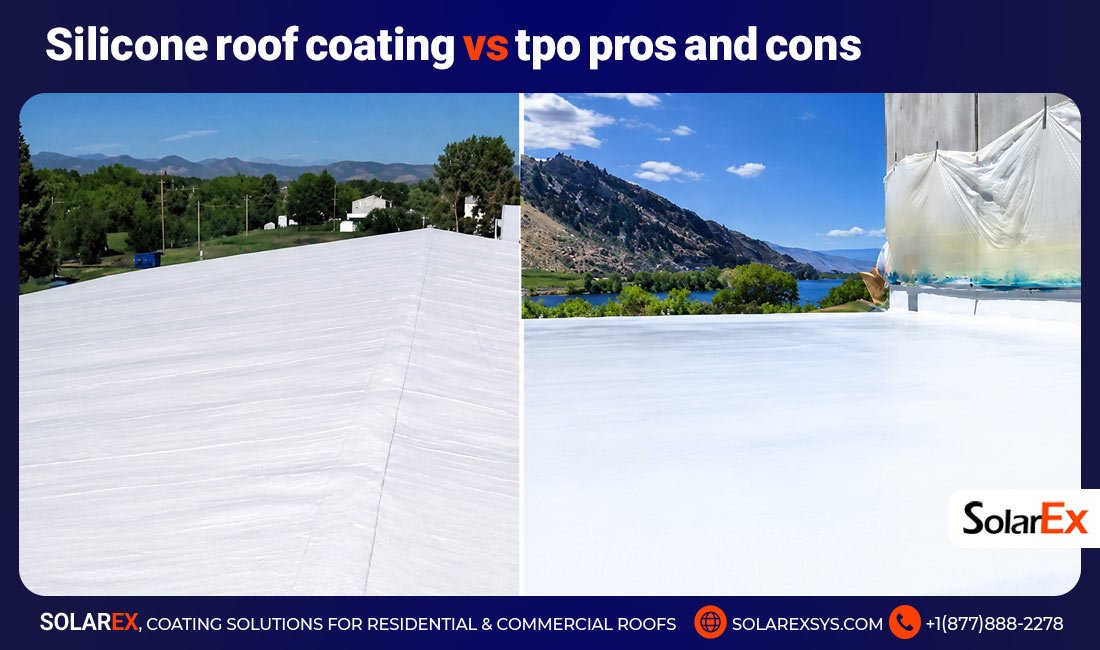
When comparing silicone roof coating vs tpo, both systems have their own advantages depending on the building’s condition, maintenance needs, and long-term roofing goals.
|
TPO Roofing |
Silicone Roof Coatings |
|
Easier installation process for many commercial roofing projects |
Requires more detailed preparation and skilled application, making contractor experience important when choosing a silicone roof coating system. |
|
Easy to repair when sections of the membrane become damaged |
Can restore existing roofs without a complete tear-off, which is one of the main reasons property owners consider coating systems. |
|
Performs better in areas with regular foot traffic and maintenance access |
Better suited for restoration projects where extending the life of an existing roof is the main goal. |
|
More applicable for roofs where moisture exists within certain areas of the existing system |
Requires a dry and stable surface because trapped moisture can affect coating performance. |
|
Can be installed over some rough surfaces, including gravel and ballast roofs |
Needs a properly prepared substrate and is not designed for heavily damaged roof surfaces. |
|
Has a longer track record in the commercial roofing market |
Provides excellent UV stability and maintains performance over time compared with many traditional coating options. |
|
Often comes with long manufacturer warranty options |
Usually offers lower project costs with strong warranty coverage, making it a popular alternative in Silicone roof coating vs tpo reviews. |
|
Has fewer manufacturers due to higher production barriers, which can make it easier to identify established brands |
A lower barrier to entry for manufacturers can lead to more variation in product quality. |
Based on the experience of one of our customers: “When we first started looking into roof restoration, we were unsure whether to replace our existing TPO system or apply a silicone coating. After reviewing the condition of our roof, we learned that a full replacement was not the only option. The silicone coating solution helped us extend the life of our roof while avoiding the cost and disruption of a complete tear-off. The biggest difference was understanding that the right choice depends on the condition of the roof, not just the type of material.”
Silicone roof coating vs tpo price
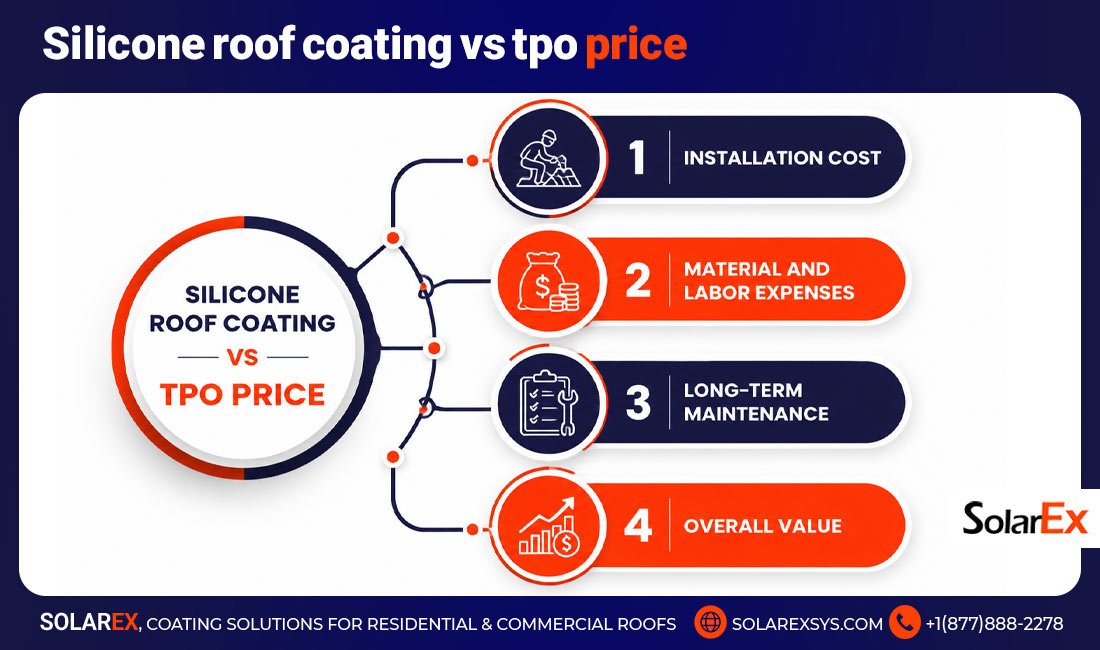
When comparing the cost of silicone roof coating and TPO roofing, the initial price is only one part of the decision. The total project cost depends on installation requirements, roof condition, labor, and whether the existing roof needs to be removed.
|
Cost Factor |
Silicone Roof Coating |
TPO Roofing |
|
Installation cost |
Usually requires less labor because it can often be applied over an existing roof without a full tear-off. |
Generally costs more because it involves removing the old roof and installing a new membrane system. |
|
Material and labor expenses |
Costs vary based on roof size, surface preparation, coating thickness, and repair needs. |
Pricing depends on membrane quality, insulation, installation complexity, and replacement requirements. |
|
Long-term maintenance |
Can extend roof life through recoating and reduces the need for complete replacement in suitable conditions. |
Provides a durable roofing system but may require more extensive repairs or replacement when the membrane reaches the end of its service life. |
|
Overall value |
Often a cost-effective choice for restoring an existing roof that is still structurally sound. |
A better option when the existing roof requires complete replacement due to major damage. |
For many commercial building owners, Silicone roof coating vs tpo price comes down to whether they need a full roof replacement or a restoration solution. A coating system can reduce upfront costs when the existing roof is suitable for restoration.
At SolarEx, we provide high-quality silicone roof coating solutions designed for commercial roofing projects. Our team focuses on proper preparation, reliable materials, and professional installation to help customers achieve long-lasting roof protection.
Solarex Your Trusted Roof Coating Partner
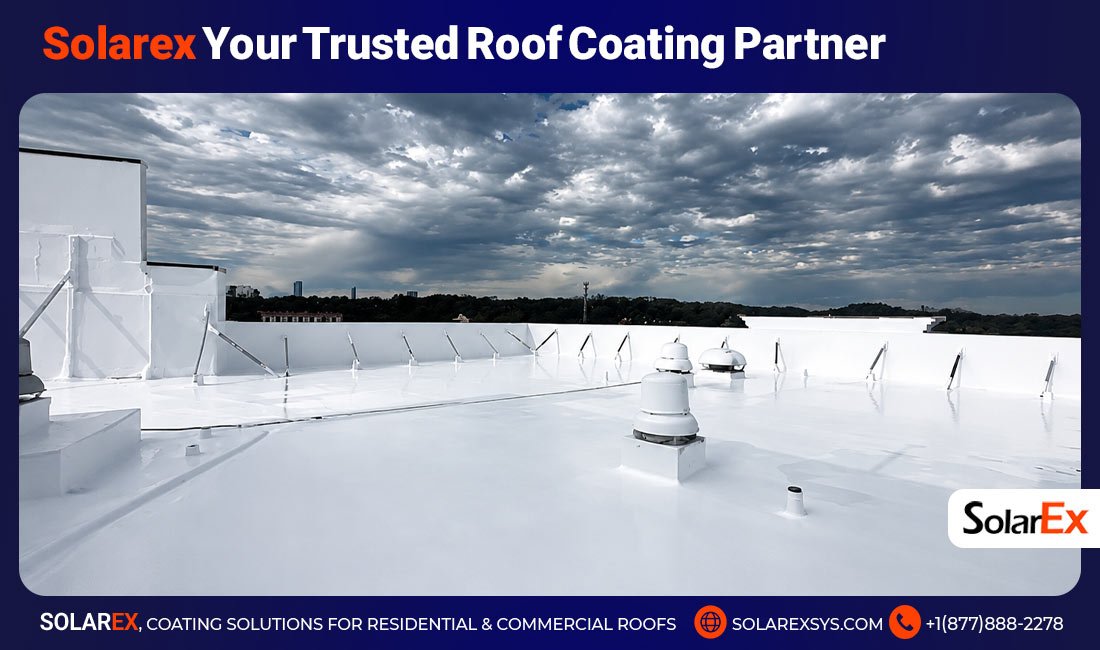
At SolarEx, we provide high-performance roof coating solutions designed to reduce heat absorption, improve energy efficiency, and protect commercial buildings. By combining advanced coating technology with solar expertise, we help businesses lower cooling costs and improve long-term roof performance.
Our silicone roof coating solutions are designed for durability, UV resistance, and energy savings, helping property owners extend roof life while creating more efficient buildings.
Why Choose SolarEx?
- Reduce Cooling Costs
Reflective coatings help lower roof temperatures and reduce cooling demand. - Eco-Friendly & Low-VOC
Our products are designed with low VOC materials for safer and more sustainable applications. - Long-Term Durability
Built to withstand UV exposure, harsh weather, and daily environmental stress. - Compatible with Solar Panels
Designed to work alongside solar systems by helping maintain cooler roof surfaces.
For consultation and more information, contact SolarEx:
Address: 700 Allston Way Berkeley, CA 94710, USA
Phone: +1 (877) 888-2278
Email: info@solarexsys.com
Conclusion; Which Roofing System Is the Better Choice for Your Building?
Choosing the right roofing system is not only about the upfront cost. The current condition of the roof, future maintenance needs, and the goals of the project all play an important role in the final decision. If the existing roof structure is still in good condition, a silicone coating can be a practical way to extend its service life without the expense and disruption of a full replacement. On the other hand, TPO may be the better option when a building requires a completely new membrane system. A careful comparison of silicone roof coating vs tpo helps property owners understand which solution offers better performance, durability, and long-term value for their specific roofing needs.
FAQ: silicone roof coating vs tpo
What are the main differences between TPO and silicone roof coatings?
TPO can lose some of its reflectivity over time as dirt builds up or the membrane begins to age. Silicone coatings are more resistant to weathering and can maintain their reflective properties longer without fading or chalking. They also tend to resist dust and organic buildup better.
Can silicone roof coating be applied over TPO?
Yes, silicone coatings can be applied over many existing TPO roofs when the surface is properly prepared and the roof condition is suitable. One advantage is that silicone restoration can extend the life of a TPO roof without the need for a complete tear-off and replacement.
What are the limitations of TPO and silicone roofing systems?
TPO can be affected by punctures, heavy foot traffic, and installation issues that may cause seam problems or leaks. Although it offers UV resistance, long-term exposure can affect its performance. Silicone coatings require a stable and properly prepared surface, and their warranty terms may vary depending on the manufacturer and system specifications.