
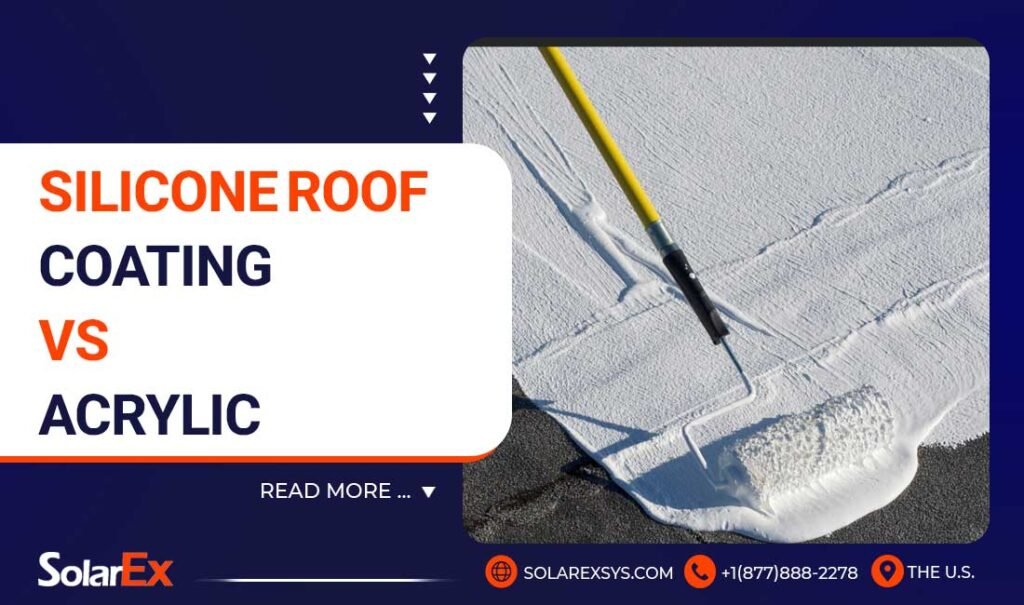
Choosing the right roof coating can make the difference between years of reliable protection and costly repairs. If you’re comparing silicone roof coating vs acrylic, you’re probably looking for a solution that fits your climate, budget, and long-term performance expectations. Each coating has unique strengths, but selecting the wrong one can lead to unnecessary maintenance and reduced roof lifespan. In this guide, you’ll find a clear, practical comparison to help you make a confident decision based on your roofing needs. For complete information and expert guidance, stay with us at SolarEx.
What is Silicone Roof Coating?
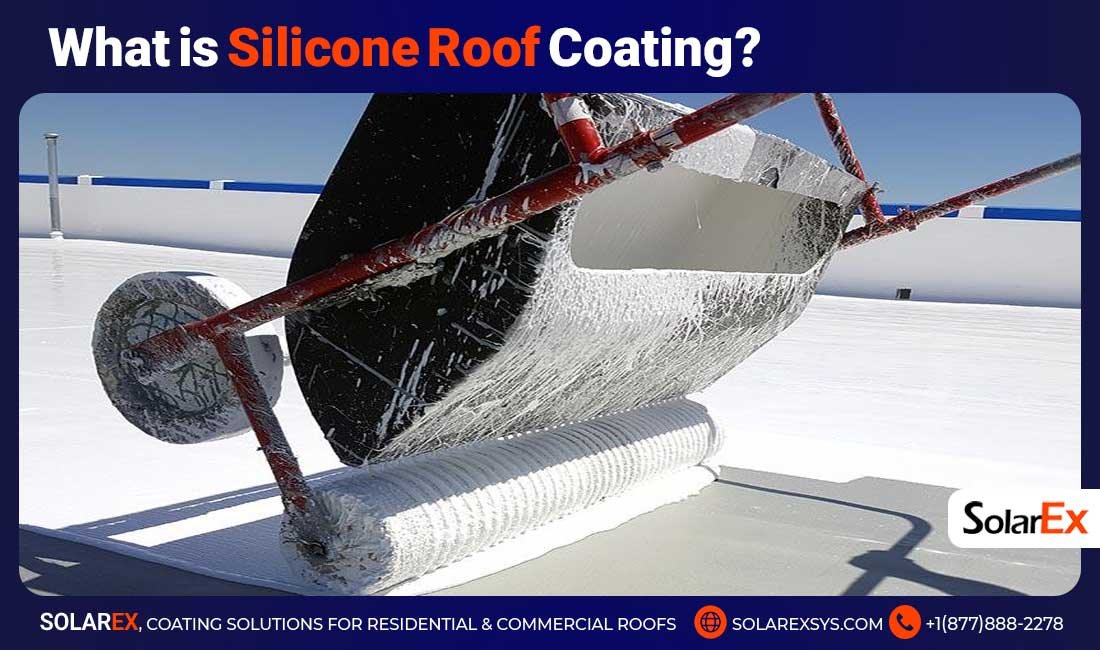
A silicone roof coating is a high-performance protective membrane that is applied over existing roofing systems to create a seamless, waterproof barrier. Made from silicone polymers, this coating is designed to resist UV radiation, extreme temperatures, and long-term exposure to moisture, making it one of the most durable options for commercial and residential roofs.
If you’re researching silicone roof coating vs acrylic, understanding how silicone works is the first step toward making the right decision. Unlike many other coatings, silicone maintains its flexibility over time and continues to perform even when the roof experiences standing water after heavy rain. This helps reduce the risk of leaks, slows roof deterioration, and extends the service life of the existing roofing system.
Another key advantage is its excellent solar reflectivity. A quality silicone coating reflects a significant amount of sunlight, helping lower roof surface temperatures and improving energy efficiency during hot weather. Because it adheres to many roofing substrates including metal, single-ply membranes, spray polyurethane foam (SPF), and modified bitumen it is often selected for roof restoration projects where replacing the entire roof is unnecessary.
When professionals compare silicone roof coating vs acrylic roof coating, silicone is frequently recommended for buildings located in humid climates or areas where ponding water is common. Understanding the difference between acrylic and silicone roof coating will help you choose a system that delivers reliable performance, lower maintenance, and long-term value for your specific roofing conditions.
What is acrylic roof coating?
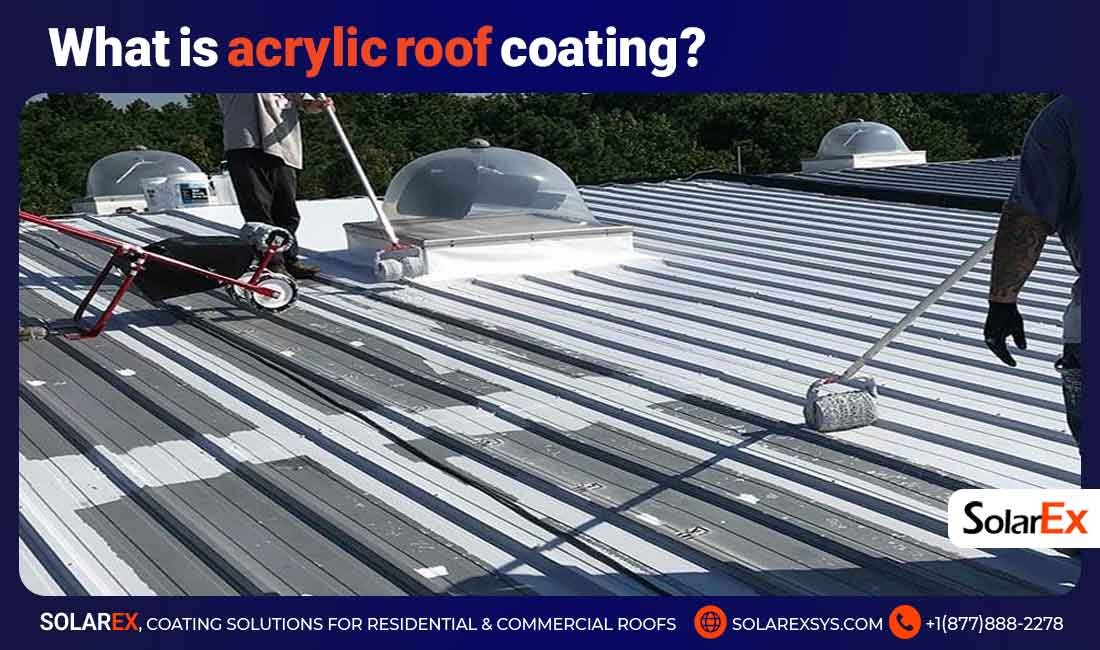
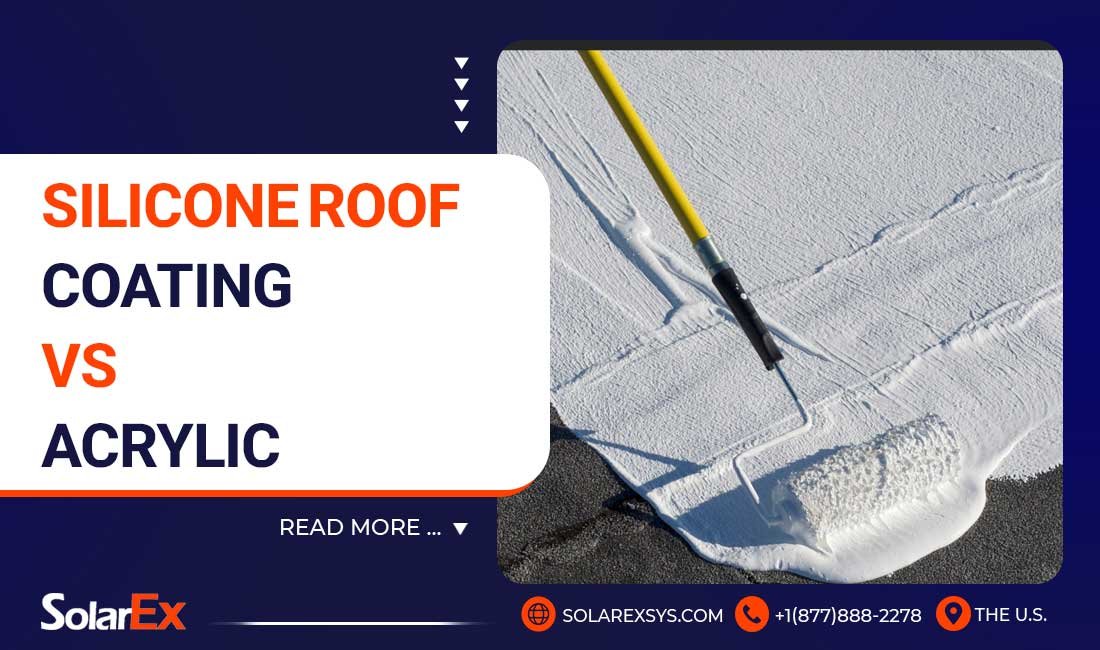
An acrylic roof coating is a water-based protective coating that forms a durable, reflective layer over an existing roof. It is widely used to improve weather resistance, reduce heat absorption, and extend the lifespan of roofing systems without the expense of a full roof replacement. Thanks to its bright reflective surface, acrylic coating helps keep roof temperatures lower and can contribute to reduced cooling costs in warm climates.
When evaluating silicone roof coating vs acrylic, acrylic coatings stand out for their affordability, ease of application, and environmentally friendly water-based formulation. They perform best on roofs with positive drainage, where rainwater flows away quickly and does not remain on the surface for extended periods. Under these conditions, acrylic coatings provide reliable UV protection and maintain their reflective properties for many years with proper maintenance.
Another benefit is their compatibility with a wide range of roofing materials, including metal roofs, modified bitumen, and previously coated surfaces. Their fast drying time and low odor also make them a practical choice for many restoration projects.
As roofing professionals compare silicone roof coating vs acrylic roof coating, acrylic is often recommended for buildings in hot, dry climates where energy efficiency and cost-effectiveness are top priorities. However, understanding the difference between acrylic and silicone roof coating is essential, as acrylic coatings are generally less suitable for roofs that experience frequent ponding water or consistently high humidity.
Advantages and Disadvantages of Silicone Roof Coating
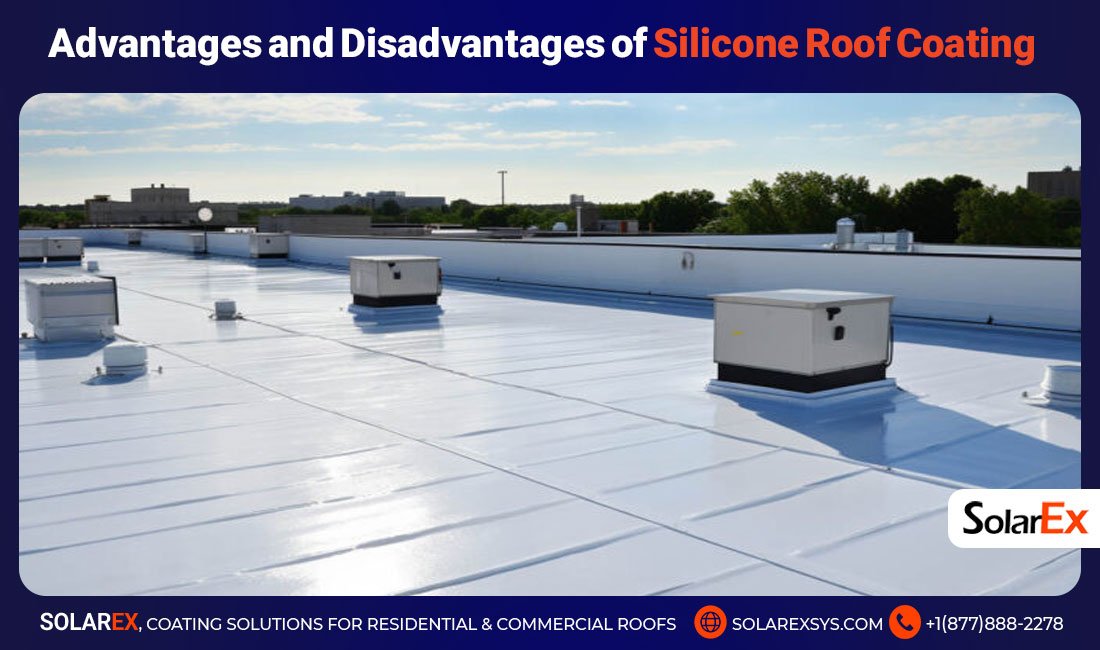
Silicone roof coatings are known for their outstanding durability and long-term weather resistance, which is why they are often chosen for demanding roofing environments. If you’re evaluating silicone roof coating vs acrylic, understanding both the strengths and limitations of silicone will help you select a coating that matches your building’s conditions and maintenance expectations.
Advantages
- Outstanding resistance to ponding water, making it ideal for flat or low-slope roofs where water may remain after rainfall.
- Excellent UV stability that helps the coating maintain its performance and flexibility for many years.
- Maintains flexibility in both hot and cold temperatures, reducing the risk of cracking as the roof expands and contracts.
- Forms a seamless waterproof membrane that helps prevent leaks and protects the existing roof structure.
- Adheres well to many roofing substrates, including metal, spray polyurethane foam (SPF), modified bitumen, and single-ply roofing systems.
- Requires minimal maintenance because it resists moisture degradation and does not become brittle under prolonged sun exposure.
Disadvantages
- Typically has a higher upfront cost than acrylic roof coatings.
- The surface can attract dust and airborne dirt over time, which may reduce its reflective appearance if not cleaned periodically.
- Recoating an existing silicone surface may require additional preparation or a compatible silicone coating to ensure proper adhesion.
- Because of its slippery surface when wet, maintenance work should always be performed with appropriate safety precautions.
- Not every project requires silicone’s premium performance, so it may not always be the most cost-effective choice for dry climates with excellent roof drainage.
When experts compare silicone roof coating vs acrylic roof coating, silicone is generally considered the preferred solution for roofs exposed to frequent rain, high humidity, or standing water. Although the initial investment is often higher, its durability, waterproof performance, and reduced maintenance needs can provide greater long-term value. Understanding the difference between acrylic and silicone roof coating allows property owners to balance installation cost with expected service life and environmental conditions before making a final decision.
Advantages and Disadvantages of Acrylic Roof Coating
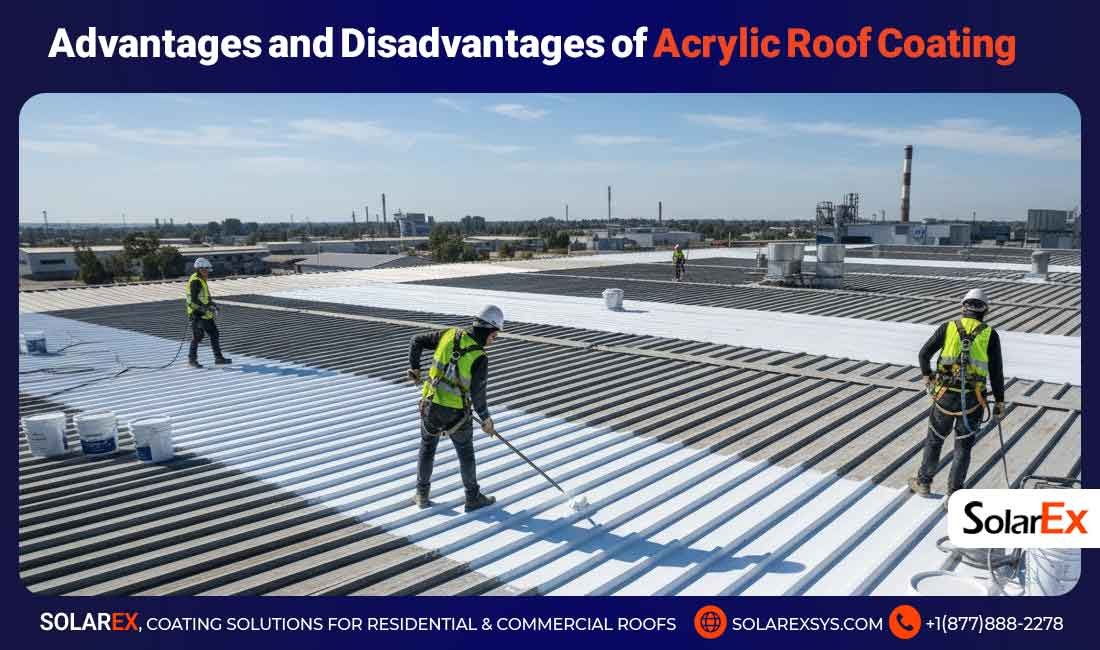
Acrylic roof coatings have become a popular choice for building owners looking for an economical and energy-efficient roofing solution. Their reflective properties and easy application make them especially effective in warm, dry regions. However, like any roofing system, acrylic coatings perform best under specific conditions. If you’re researching silicone roof coating vs acrylic, knowing the benefits and limitations of acrylic coatings will help you choose the right solution for your roof.
Advantages
- Lower installation cost compared to most silicone roof coating systems.
- Highly reflective surface that helps reduce roof temperatures and improve energy efficiency.
- Water-based formula with low odor, making application and cleanup easier.
- Excellent UV resistance, helping protect the roof from long-term sun exposure.
- Easy to recoat during routine maintenance, which can extend the roof’s service life.
- Compatible with many roofing substrates, including metal, modified bitumen, and previously coated roofs.
Disadvantages
- Not recommended for roofs where ponding water remains for extended periods.
- Performance can decline more quickly in areas with frequent rain or consistently high humidity.
- Requires dry weather and suitable temperatures during installation for proper curing.
- May need more frequent maintenance and recoating than silicone over its lifetime.
- Can become less flexible as it ages, increasing the likelihood of cracks under repeated expansion and contraction.
When roofing professionals compare silicone roof coating vs acrylic roof coating, acrylic is often selected for projects where cost efficiency, solar reflectivity, and reliable roof drainage are the primary priorities. At the same time, understanding the difference between acrylic and silicone roof coating is essential, as acrylic delivers the best long-term performance in dry climates with well-drained roofing systems rather than roofs exposed to standing water.
According to Mule-Hide Products:
“Silicone roof coatings are highly resistant to ponding water and retain their protective performance even after prolonged exposure to moisture. Acrylic coatings, on the other hand, deliver their best results on roofs with positive drainage and dry environmental conditions.”
During one of our commercial roof restoration projects, we evaluated both coating systems before making a recommendation. Because the roof experienced frequent ponding water after heavy rainfall, we selected a silicone roof coating instead of an acrylic system. The result was a more durable waterproof barrier, reduced maintenance requirements, and consistent roof performance over time. This project reinforced an important principle: the best roof coating is determined by the building’s actual conditions not simply by the initial installation cost.
silicone roof coating vs acrylic
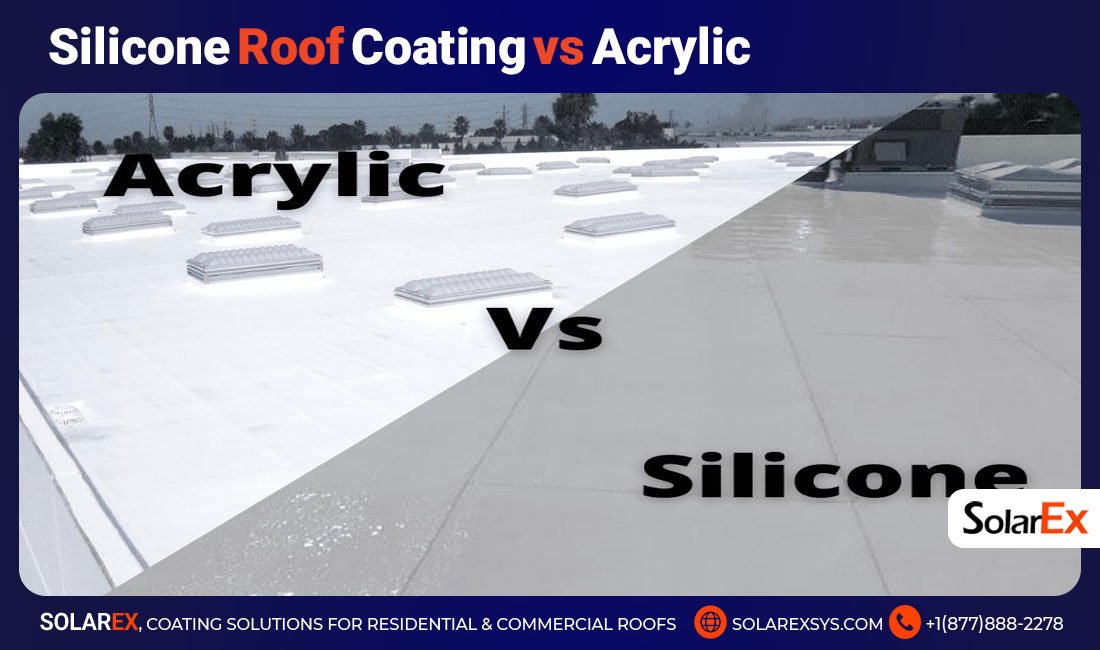
Choosing between silicone and acrylic roof coatings depends on your roof’s condition, local climate, drainage performance, and long-term maintenance goals. While both coatings can extend the life of an existing roof, they are designed to perform under different environmental conditions. If you’re evaluating silicone roof coating vs acrylic, the comparison below highlights the key differences to help you make an informed decision. As you compare silicone roof coating vs acrylic roof coating, you’ll also gain a better understanding of the difference between acrylic and silicone roof coating from a practical perspective.
|
Feature |
Silicone Roof Coating | Acrylic Roof Coating |
| Base Material | Silicone polymer |
Water-based acrylic resin |
|
Water Resistance |
Excellent, even with ponding water | Good, but best on well-drained roofs |
| UV Resistance | Excellent |
Excellent |
|
Best Climate |
Humid, rainy, and coastal regions | Hot, sunny, and dry climates |
| Ponding Water Performance | Outstanding |
Not recommended for prolonged ponding water |
|
Flexibility |
Maintains flexibility for many years | Good, but may become less flexible over time |
| Energy Efficiency | High solar reflectivity |
High solar reflectivity |
|
Installation |
Moisture-cured | Requires warm, dry weather for proper curing |
| Maintenance | Low maintenance |
May require more frequent recoating |
|
Initial Cost |
Higher | Lower |
| Expected Service Life | Longer under harsh conditions |
Long-lasting with proper maintenance and drainage |
|
Ideal Application |
Flat and low-slope roofs | Roofs with positive drainage |
| Overall Value | Best for long-term durability |
Best for budget-friendly restoration |
The right roof coating isn’t simply the one with the lowest price or the longest warranty—it’s the one that performs best under your specific roofing conditions. When comparing silicone roof coating vs acrylic, factors such as climate, roof slope, drainage, maintenance requirements, and expected service life all play an important role. While both coatings can protect and restore an existing roof, their performance differs depending on where and how they are used. The comparison below will help you compare silicone roof coating vs acrylic roof coating more effectively and understand the difference between acrylic and silicone roof coating, making it easier to choose the best solution for your project.
Choose the Right Roof Coating with SolarEx
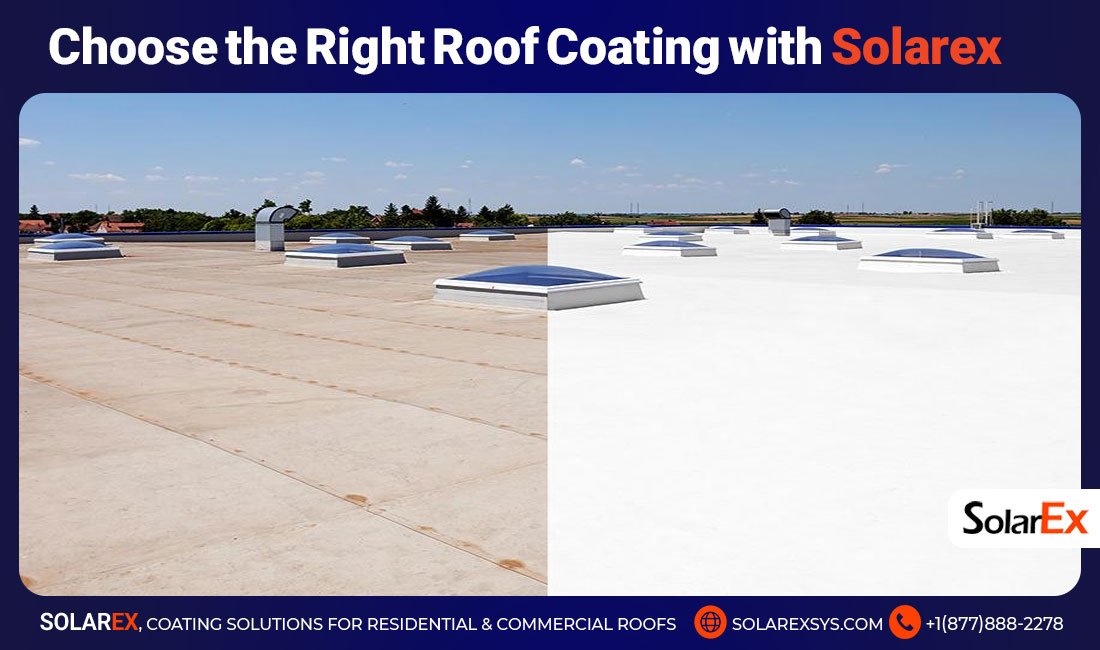
Selecting the right coating is only part of a successful roof restoration project—the quality of the products and the expertise behind the installation are just as important. If you’ve compared silicone roof coating vs acrylic, the next step is choosing a trusted partner who can recommend the most suitable solution based on your roof’s condition, climate, and long-term performance goals.
At SolarEx, we provide premium roof coating solutions designed to maximize durability, waterproof protection, and energy efficiency. Whether your building requires a high-performance silicone coating for superior moisture resistance or an acrylic coating for cost-effective UV protection, our team will help you identify the best option for your project. Every recommendation is based on your roof’s unique requirements rather than a one-size-fits-all approach.
Our services include:
- Professional roof inspections and coating recommendations
- Premium silicone and acrylic roof coating systems
- Commercial and residential roof restoration
- Waterproofing and weather-resistant coating solutions
- Expert technical support from consultation to project completion
If you’re still deciding between silicone roof coating vs acrylic, let the experts at SolarEx help you make a confident investment. Contact our team today for professional guidance and a customized recommendation that delivers long-lasting roof protection and maximum value.
Contact SolarEx Today
- Address: 700 Allston Way, Berkeley, CA 94710, USA
- Phone: +1 (877) 888-2278
- Email: info@solarexsys.com
Conclusion; Choosing Between Silicone and Acrylic Roof Coatings
The choice between silicone roof coating vs acrylic should always be based on your roof’s environment, drainage performance, and long-term expectations rather than price alone. Silicone offers exceptional durability and reliable protection in wet conditions, while acrylic remains an efficient and cost-effective solution for well-drained roofs in dry climates. By matching the coating to the actual demands of the building, you can reduce maintenance, improve energy efficiency, and extend the life of your roofing system. A well-informed decision today leads to better performance, lower lifecycle costs, and greater value for years to come.
Frequently Questions Silicone Roof Coating vs Acrylic
Is silicone roof coating better than acrylic?
If we compare them in terms of durability, water resistance, and overall lifespan, the answer is usually yes. In the silicone roof coating vs acrylic comparison, silicone coatings generally perform better on roofs exposed to rain, moisture, or standing water. That said, if the roof has good drainage and is located in a dry climate, acrylic can still be a cost-effective and practical choice.
Is rubber roofing better than acrylic?
It depends on the project. Rubber roofing systems, such as liquid rubber coatings, often perform very well in harsh conditions, extreme cold, and humid environments. Acrylic, on the other hand, is designed for warm and dry climates and may require more maintenance if the roof is exposed to standing water or freezing conditions. To choose the best option, it is important to look at the actual conditions of the roof.
Is acrylic the same as silicone?
No, these two products are different in both composition and performance. Acrylic is a water-based coating that performs best in warm, dry weather and needs suitable weather conditions for proper application. Silicone, by contrast, is made from silicone-based polymers, offers strong resistance to UV rays and moisture, and continues to perform well even in damp environments. For that reason, they should not be considered the same.
How do climate and drainage affect the choice between silicone and acrylic roof coatings?
Climate and roof drainage have a direct impact on coating selection. If the roof is in a rainy or humid area, or if water tends to collect on the surface, silicone is usually the safer choice. But if the climate is warm and dry and the roof has proper slope and drainage, acrylic can deliver excellent results at a lower cost. In the end, the best choice comes from evaluating the climate and the roof conditions together.