
Conclusion; Is Silicone Roof Coating Worth the Investment?If you’re comparing silicone roof coating vs asphalt, you’re probably looking for more than just a roof coating you want a solution that protects your property, reduces future repair costs, and performs reliably in your climate. While both options are widely used, they differ in durability, waterproofing, UV resistance, and long-term value. Understanding these differences before investing can save you time and money while helping you choose the right system for your roof. For a complete comparison and expert insights, stay with us throughout this guide from SolarEx.
What Is Silicone Roof Coating?
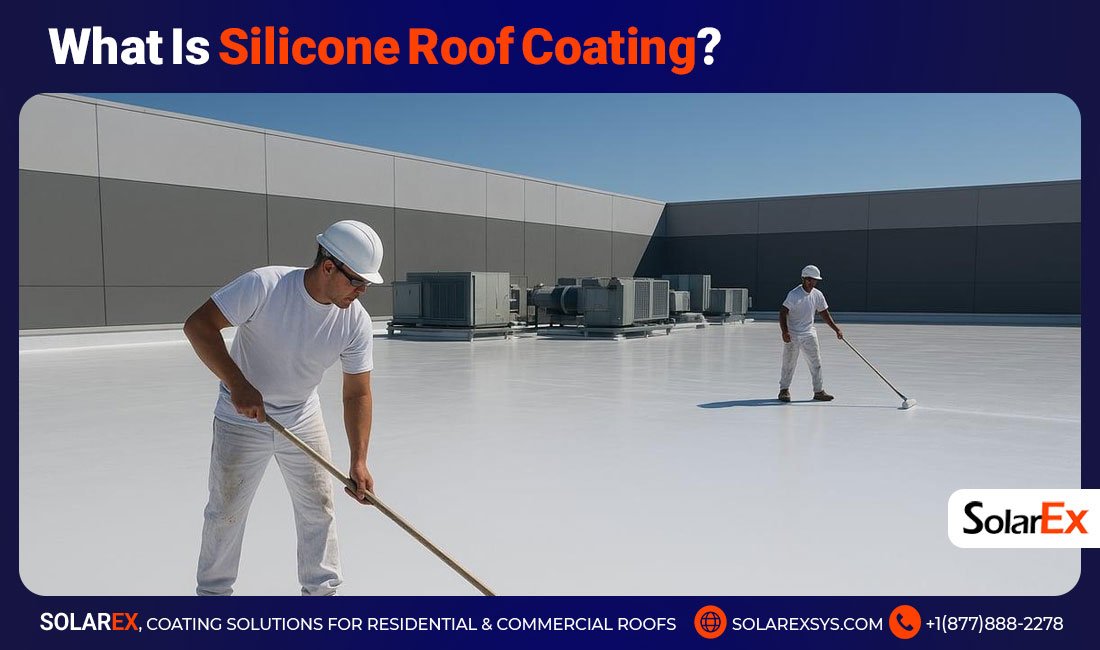
A silicone roof coating is a liquid-applied protective membrane made primarily from silicone polymers. Once applied, it cures into a seamless, flexible layer that shields the roof from rain, standing water, UV rays, and extreme temperature changes. Unlike many traditional coatings, silicone maintains its elasticity for years, helping the roof expand and contract without cracking.
When comparing silicone roof coating vs asphalt, one of the biggest advantages of silicone is its outstanding resistance to ponding water. This makes it a preferred solution for flat and low-slope roofs where water tends to collect after rainfall. It also reflects a significant amount of solar heat, helping improve energy efficiency and reduce the thermal load on the building.
Another reason many property owners choose silicone is its long service life with minimal maintenance. Once properly installed, it forms a durable waterproof barrier that can restore the performance of an aging roof without the cost of a full replacement. If you’re researching Silicone roof coating vs asphalt pros and cons, durability and weather resistance are two of the main reasons silicone consistently ranks as a premium option. Likewise, many Silicone roof coating vs asphalt reviews highlight its ability to withstand harsh weather while maintaining its protective properties over time.
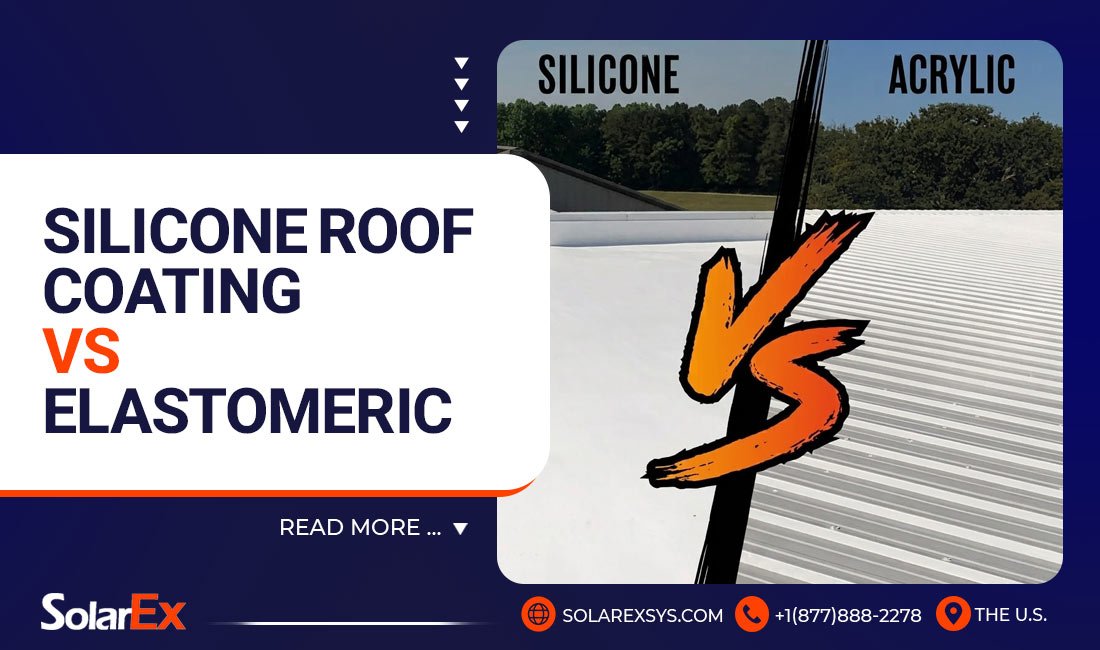
If you would like to explore how silicone compares with other modern roof coating technologies, our guide on silicone roof coating vs elastomeric explains the key differences in performance, flexibility, and ideal applications. Understanding these distinctions will also help you make a more informed decision when evaluating silicone roof coating vs asphalt for your roofing project.
What Is Asphalt Roof Coating?
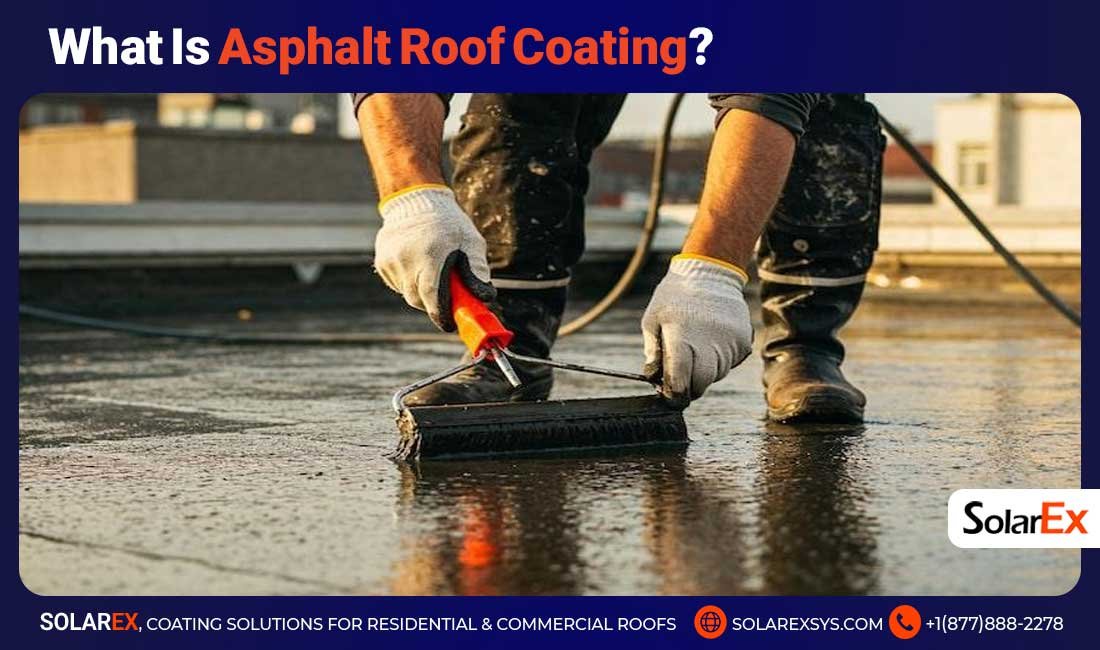
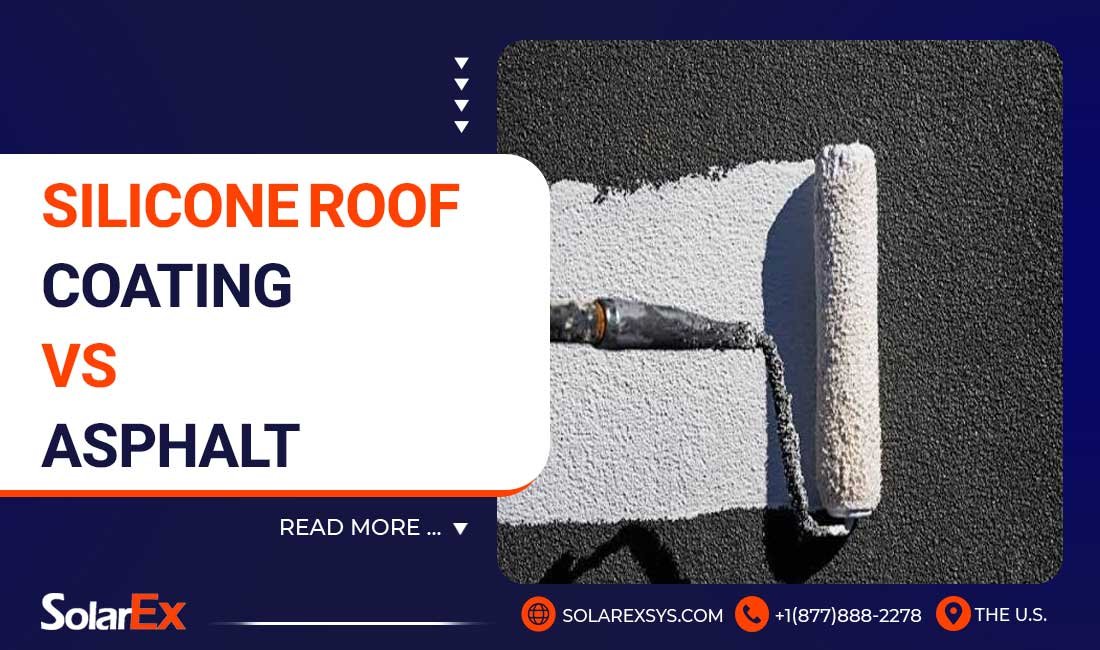
Asphalt roof coating is a bitumen-based protective layer designed to extend the life of existing roofing systems by improving water resistance and shielding the surface from everyday weather exposure. It has been used for decades on commercial and residential roofs because it is affordable, easy to apply, and compatible with a variety of roofing materials.
When evaluating silicone roof coating vs asphalt, asphalt coatings are often chosen for projects where budget is the primary concern. They create a protective barrier that helps reduce moisture penetration, slows surface deterioration, and can temporarily improve the condition of an aging roof. However, unlike silicone coatings, asphalt gradually becomes less flexible as it ages, making it more susceptible to cracking under prolonged UV exposure and repeated temperature changes.
Many building owners researching Silicone roof coating vs asphalt pros and cons find that asphalt performs well in short- to medium-term applications, especially when properly maintained. At the same time, numerous Silicone roof coating vs asphalt reviews point out that asphalt coatings generally require more frequent inspections and maintenance to maintain their waterproofing performance over the years.
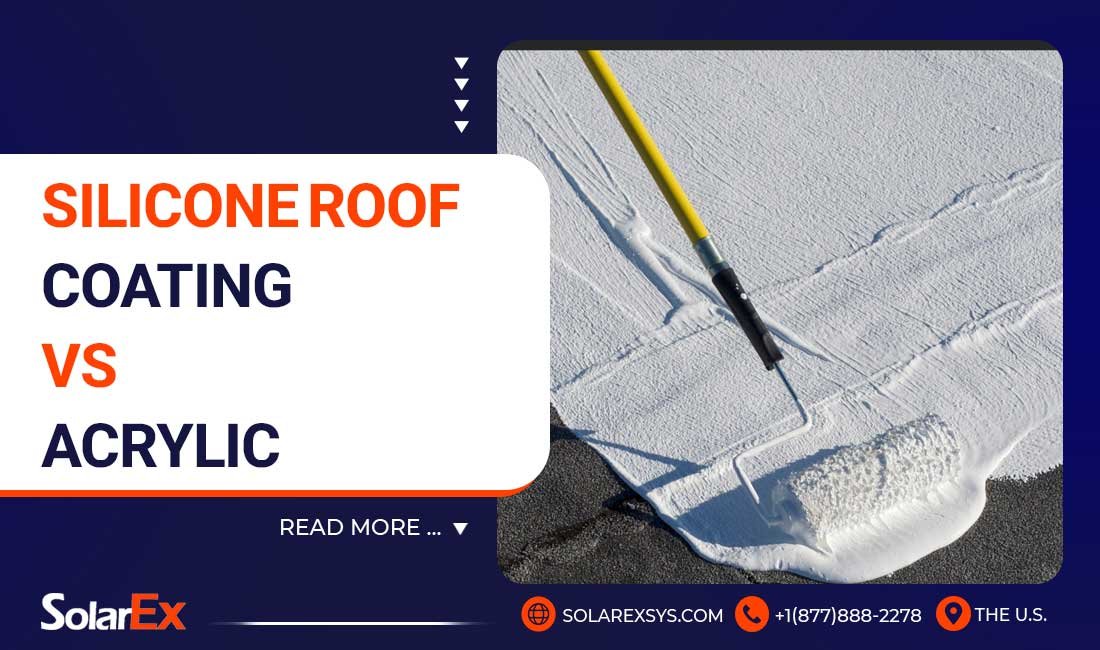
If you’re also comparing different coating technologies, our guide on silicone roof coating vs acrylic explains how acrylic systems differ from both silicone and asphalt in terms of durability, energy efficiency, and weather resistance. Reviewing these options alongside silicone roof coating vs asphalt will help you choose the coating that best matches your roof’s condition, climate, and long-term maintenance goals.
Advantages and Disadvantages of Silicone Roof Coating
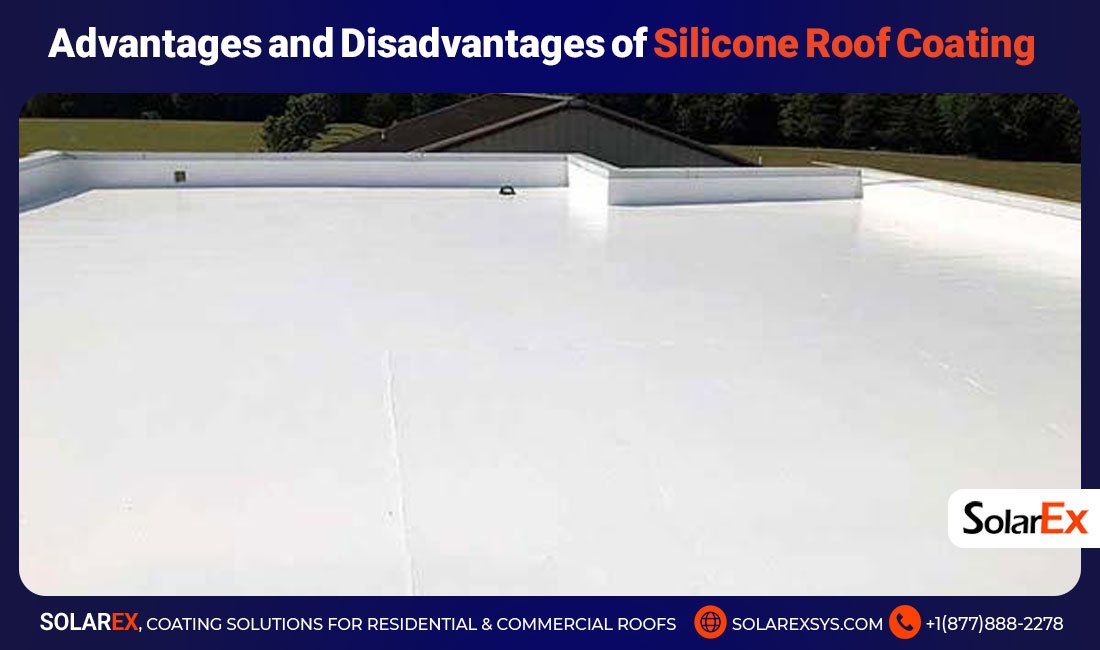
If long-term protection is your priority, silicone is one of the strongest options available. When comparing silicone roof coating vs asphalt, silicone consistently stands out for its ability to resist standing water, intense sunlight, and harsh weather without losing flexibility. These qualities make it a popular choice for commercial buildings, industrial facilities, and low-slope roofs that are exposed to demanding environmental conditions.
Many professionals evaluating Silicone roof coating vs asphalt pros and cons agree that silicone delivers a lower lifetime maintenance cost despite its higher initial investment. In addition, independent Silicone roof coating vs asphalt reviews frequently highlight its long service life and reliable waterproofing performance, making it an excellent solution for property owners seeking lasting value.
Advantages of Silicone Roof Coating
- Excellent resistance to ponding water, even after prolonged exposure.
- Outstanding UV protection that helps reduce roof surface degradation.
- Maintains flexibility through seasonal temperature changes without cracking.
- Creates a seamless waterproof membrane that minimizes leak risks.
- Can restore many existing roofs, reducing the need for a complete replacement.
- Requires less maintenance over its service life than many traditional coatings.
- Reflects solar heat, helping improve building energy efficiency.
Disadvantages of Silicone Roof Coating
- Higher upfront material and installation costs compared to asphalt coatings.
- Can attract dirt over time, which may reduce its reflective appearance if not cleaned periodically.
- Surface repairs and recoating generally require silicone-compatible products.
- Installation quality is critical, so professional application is strongly recommended.
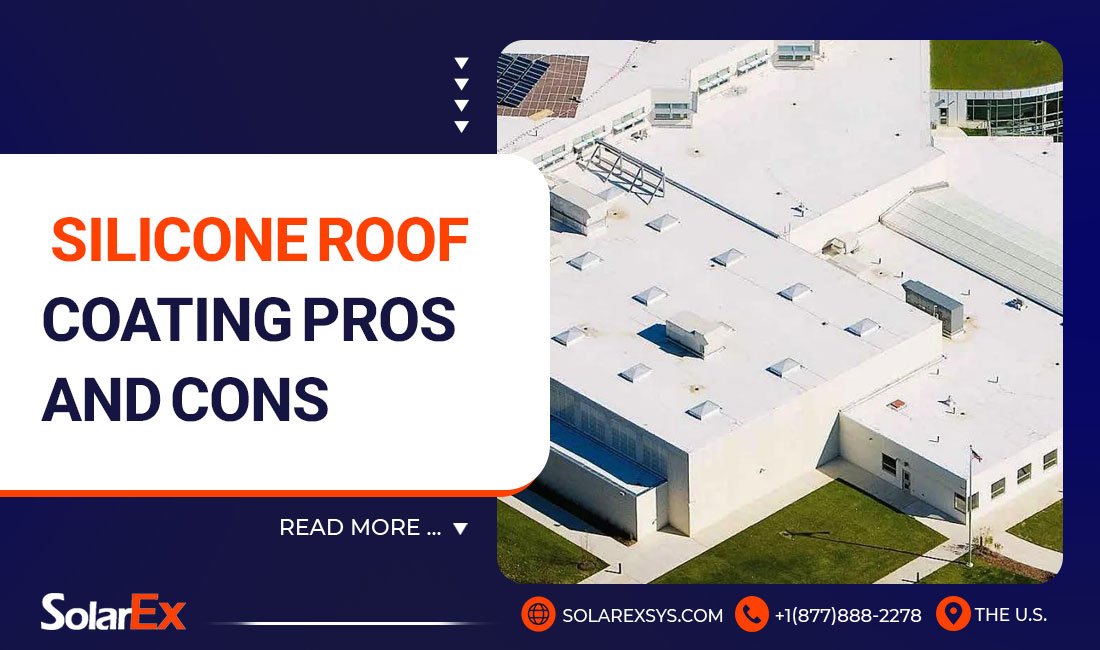
If you’re comparing silicone with its own strengths and limitations in greater detail, our guide on Silicone roof coating pros and cons provides a deeper look at where silicone performs best and the situations where another coating system may be a better fit. Understanding these factors will also make your silicone roof coating vs asphalt comparison more accurate and practical.
Advantages and Disadvantages of Asphalt Roof Coating
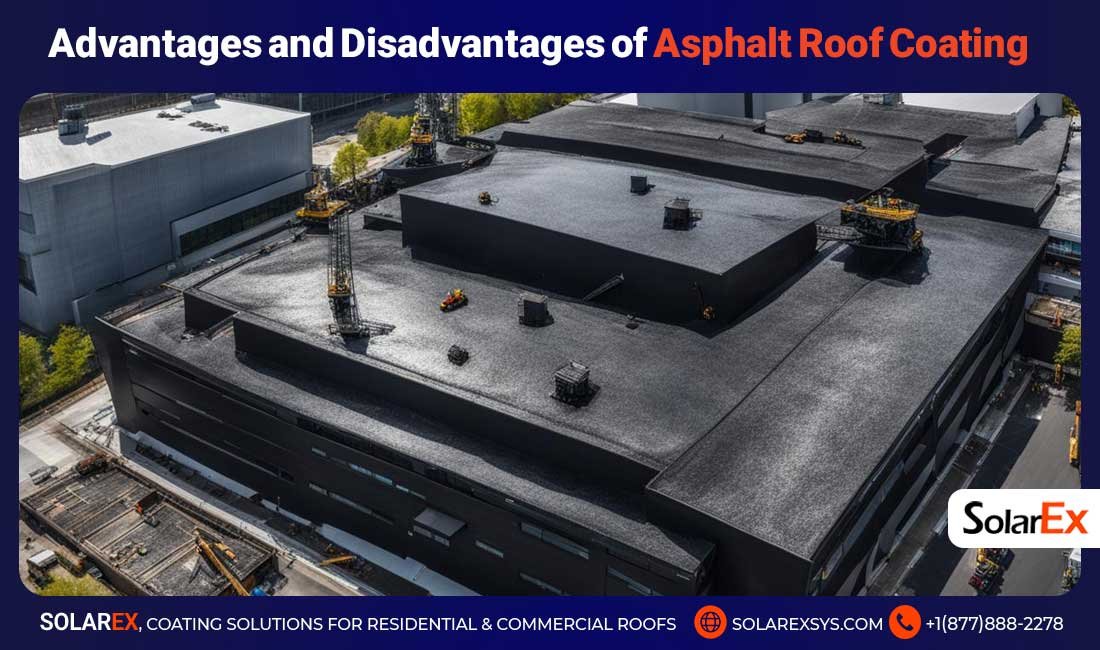
Asphalt roof coating has remained a common choice in roofing projects because of its affordability, availability, and ability to provide an additional protective layer over existing roof surfaces. When comparing silicone roof coating vs asphalt, asphalt can be a practical option for property owners who need a cost-effective solution for improving water resistance and extending the service life of their roof.
However, choosing the right coating requires understanding both its benefits and limitations. While asphalt coatings can perform well in many applications, they may not provide the same level of flexibility, UV resistance, and long-term durability as silicone systems. Many Silicone roof coating vs asphalt reviews emphasize that asphalt can be suitable for short- to medium-term protection, but it may require more frequent maintenance over time.
Advantages of Asphalt Roof Coating
- More affordable initial cost compared to many premium coating systems.
- Provides effective protection against moisture penetration when properly applied.
- Suitable for various roofing materials and repair applications.
- Easy to maintain and widely available in the roofing market.
- Can help extend the lifespan of existing roofing systems without full replacement.
- Offers a proven solution with decades of use in residential and commercial projects.
Disadvantages of Asphalt Roof Coating
- Less resistant to UV exposure, which can cause aging and surface deterioration over time.
- May become brittle as temperatures change, increasing the risk of cracks.
- Requires more frequent maintenance compared to silicone roof coatings.
- Does not perform as effectively in areas with frequent ponding water.
- May have a shorter service life when exposed to extreme weather conditions.
For property owners deciding between different coating solutions, reviewing Silicone roof coating vs asphalt pros and cons can help identify which option provides better value based on climate, roof condition, and long-term goals. While asphalt remains a budget-friendly choice, many projects requiring maximum durability and weather resistance may benefit from considering advanced alternatives alongside silicone roof coating vs asphalt comparisons.
According to the National Roofing Contractors Association (NRCA):
“Selecting the appropriate roof coating depends on the roof’s condition, climate, drainage performance, and long-term maintenance objectives. A coating system should be evaluated based on lifecycle performance rather than initial cost alone.”
Our experience on a recent commercial roofing project: After comparing silicone roof coating vs asphalt for a 28,000-square-foot warehouse with recurring ponding water, the client selected a silicone coating system. During the first 12 months after installation, scheduled maintenance visits were reduced by approximately 35%, and no water intrusion was reported following multiple heavy rain events.
Silicone Roof Coating vs Asphalt Pros and Cons
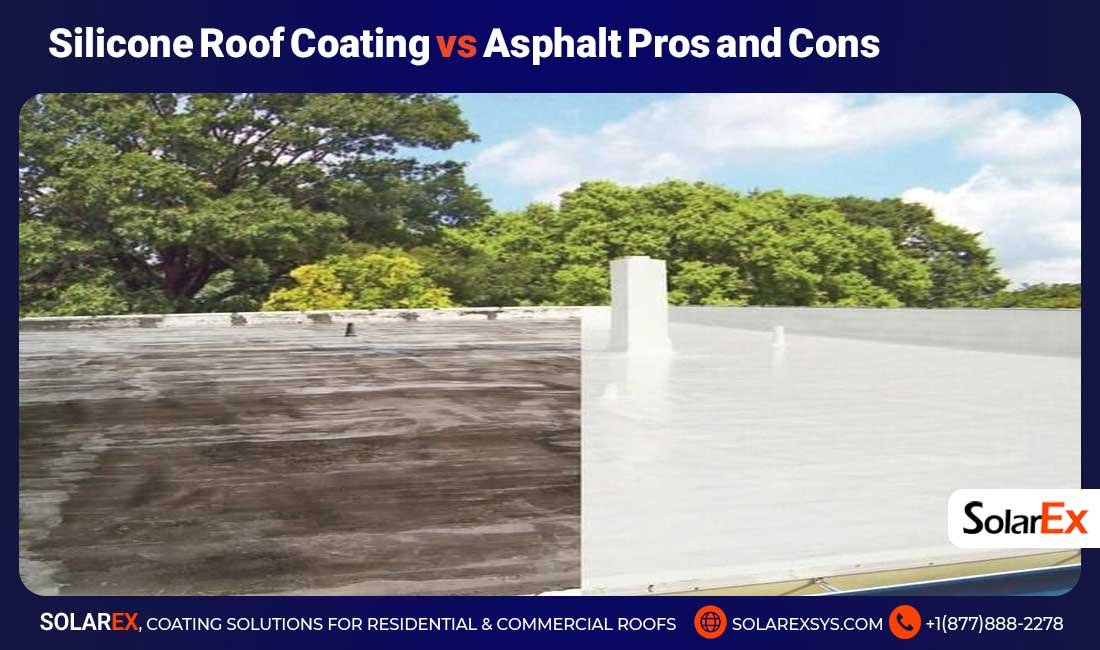
Choosing between silicone and asphalt roof coatings depends on several factors, including your roof condition, local weather conditions, maintenance expectations, and long-term budget. A detailed comparison of silicone roof coating vs asphalt helps property owners understand which system can provide better protection and value for their specific needs.
While asphalt coatings have been trusted for many years due to their affordability and accessibility, silicone coatings have become increasingly popular because of their superior flexibility, waterproofing ability, and resistance to environmental damage. Reviewing Silicone roof coating vs asphalt pros and cons makes it easier to identify the strengths and limitations of each option before making a final decision.
|
Feature |
Silicone Roof Coating |
Asphalt Roof Coating |
|
Waterproofing performance |
Creates a seamless waterproof barrier with excellent resistance to standing water | Provides moisture protection but may require more maintenance in wet conditions |
| UV resistance | Highly resistant to sunlight and helps prevent surface degradation |
More vulnerable to UV exposure and may age faster |
|
Flexibility |
Remains flexible during temperature changes and reduces cracking risks | Can become harder and less flexible over time |
| Durability | Offers a longer service life with proper installation and maintenance |
Provides reliable protection but generally has a shorter lifespan |
|
Maintenance needs |
Requires fewer repairs and maintenance throughout its lifespan | May need more frequent inspections and touch-ups |
| Initial cost | Higher upfront investment due to premium performance |
More budget-friendly initial option |
|
Energy efficiency |
Reflects solar heat and can help reduce cooling demands | Provides limited reflective benefits compared to silicone |
| Best application | Ideal for flat roofs, low-slope roofs, and areas with heavy rainfall |
Suitable for projects where affordability and basic protection are priorities |
When looking at Silicone roof coating vs asphalt reviews, many property owners focus on the balance between upfront cost and long-term performance. Silicone often provides greater value over time because of its durability and ability to handle challenging weather conditions, while asphalt can remain a practical choice for projects with limited budgets.
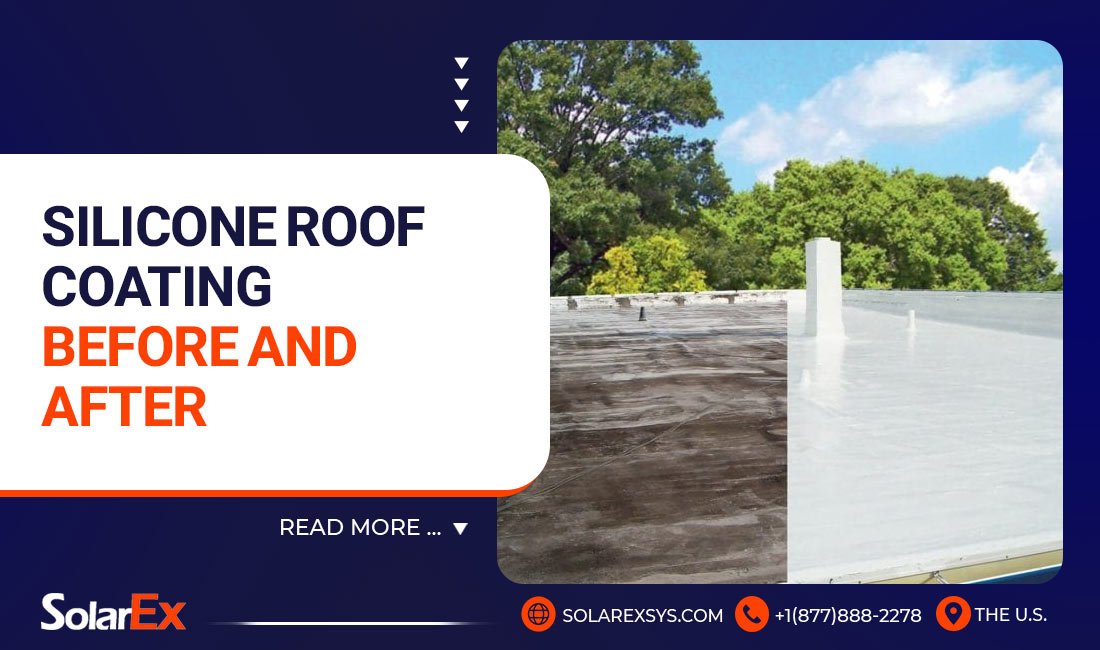
For a better understanding of real-world results, exploring silicone roof coating before and after examples can help you see how this coating system can transform aging roof surfaces and improve their overall performance.
SolarEx Your Trusted Roof Coating Partner
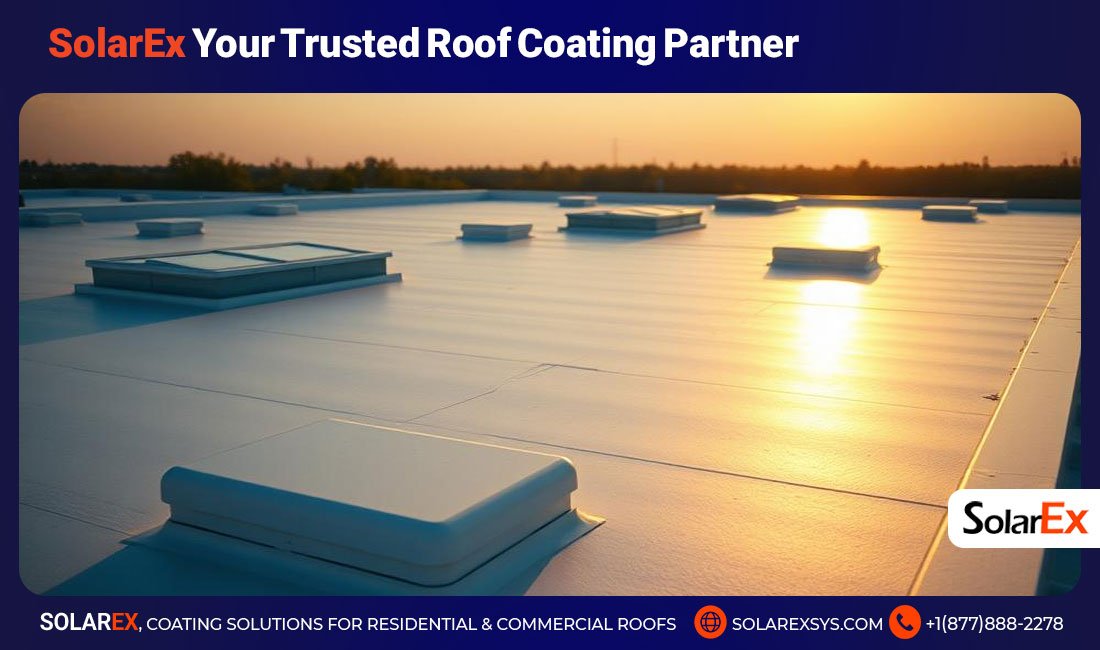
Choosing the right roof coating is an important investment that can directly affect your building’s protection, maintenance costs, and long-term performance. At SolarEx, we understand that every roof has different requirements, which is why we provide advanced coating solutions designed to improve durability, waterproofing, and energy efficiency.
Our professional roof coating systems are developed to help protect surfaces against harsh weather conditions, UV exposure, moisture damage, and daily environmental stress. With high-quality products such as SiliconEx 500, we offer reliable silicone coating solutions that create a strong protective layer while helping extend the functional life of your roof. Key advantages include:
- Resistant to harsh weather conditions
- Strong protection against UV radiation
- Prevents moisture penetration and water leakage
- Extends the lifespan of the roof
- Reduces repair and maintenance costs
- Improves building energy efficiency
Whether you are dealing with an aging roof, water leakage concerns, or looking for a way to improve your building’s energy performance, SolarEx provides solutions tailored to your project needs. Our team focuses on delivering durable results through quality materials, professional guidance, and roofing expertise.
For expert advice on selecting the right coating system and improving your roof’s performance, contact SolarEx today. Our specialists are ready to help you choose the most effective solution for your property.
Contact SolarEx Today
- Address: 700 Allston Way, Berkeley, CA 94710, USA
- Phone: +1 (877) 888-2278
- Email: info@solarexsys.com
Conclusion; Is Silicone Roof Coating Worth the Investment?
When choosing a roofing solution, the right option depends on the balance between durability, maintenance needs, climate conditions, and long-term performance. silicone roof coating vs asphalt comes down to whether you need a coating that can provide stronger resistance against UV exposure, temperature changes, and water accumulation or a more budget-friendly option for basic protection. While asphalt can be effective for certain applications, silicone offers greater flexibility and reliability for roofs that require lasting performance and fewer maintenance concerns. Making an informed decision based on your roof’s specific needs can help protect your investment and improve the overall efficiency of your building.
Frequently Questions Silicone Roof Coating vs Asphalt
Can asphalt be used on roofs?
Yes. We can use asphalt roof coatings on many types of roofing systems, including flat, low-slope, curved, and even some pitched roofs. They are compatible with concrete, metal, timber, plywood, and several other roofing substrates. Choosing the right asphalt product for the roof type and local climate is essential to achieve the best performance.
Does asphalt roof coating stop leaks?
Asphalt roof coating can help seal small leaks and protect damaged areas, but we should think of it as a temporary repair rather than a permanent solution. It works well for minor cracks, loose shingles, and small roofing defects. If the roof has significant damage or ongoing water intrusion, a complete repair or a more durable coating system may be the better choice.
Are silicone roofs good?
Yes. Silicone roof coatings are widely recognized for their excellent waterproofing performance, long-lasting flexibility, and outstanding resistance to UV exposure. We often choose silicone for flat and low-slope roofs because it performs exceptionally well in areas where standing water is common. Although the initial investment is typically higher than asphalt, the longer service life and reduced maintenance requirements can make it a more cost-effective option over time.