
Replacing an aging asphalt roof can be expensive, especially when the existing roofing system is still in good condition. Applying silicone roof coating over asphalt offers a practical way to protect against leaks, UV damage, and standing water without a full replacement. But is silicone suitable for every asphalt roof, and how much does it cost? Understanding the benefits, limitations, application process, and expected lifespan can help you make the right decision. Read on for expert insights and practical guidance from SolarEx.
Can You Apply Silicone Roof Coating Over Asphalt
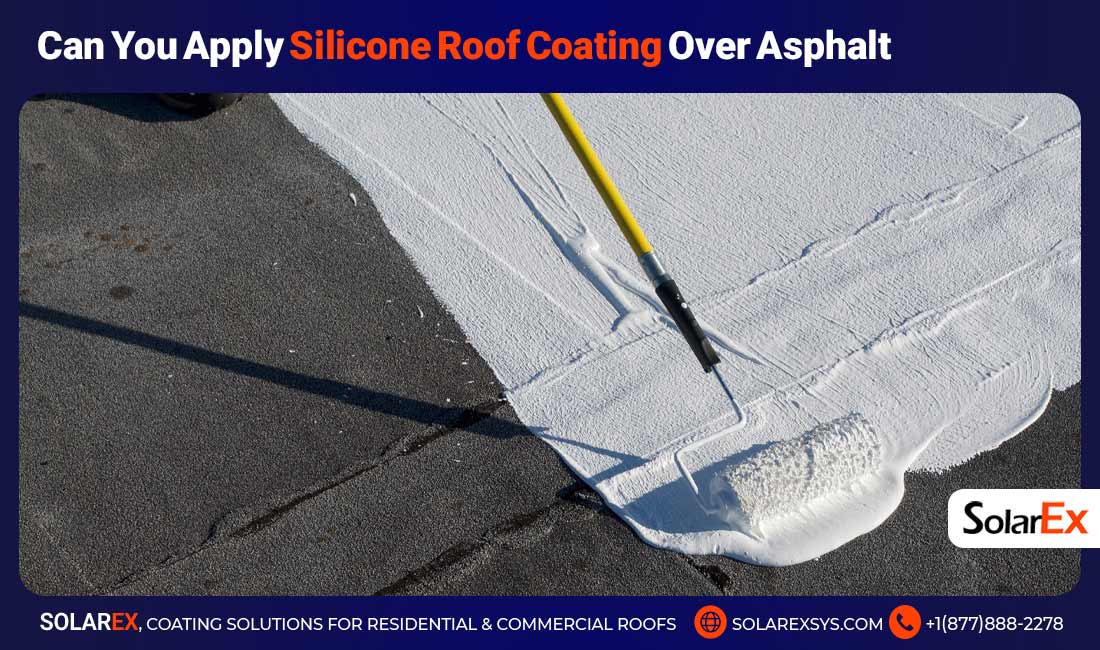
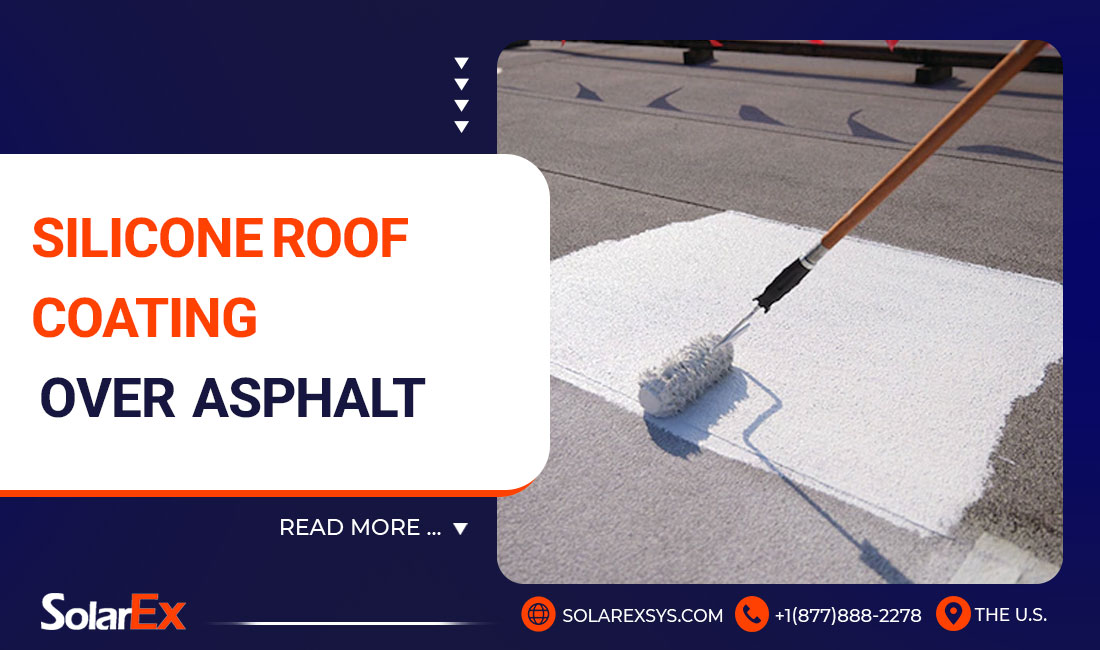
Yes, silicone roof coating can be applied over most properly prepared asphalt roofing systems, including modified bitumen and built-up roofs (BUR). This type of elastomeric roof coating creates a flexible, waterproof barrier that protects against UV exposure and standing water. However, the existing roof must be clean, dry, and in good condition. Damaged seams and cracks need repair before coating, and some systems require a special primer to prevent asphalt oils from bleeding through. Standard asphalt shingles are generally not suitable for silicone coating.
What Types of Asphalt Roofs Can Be Coated With Silicone?
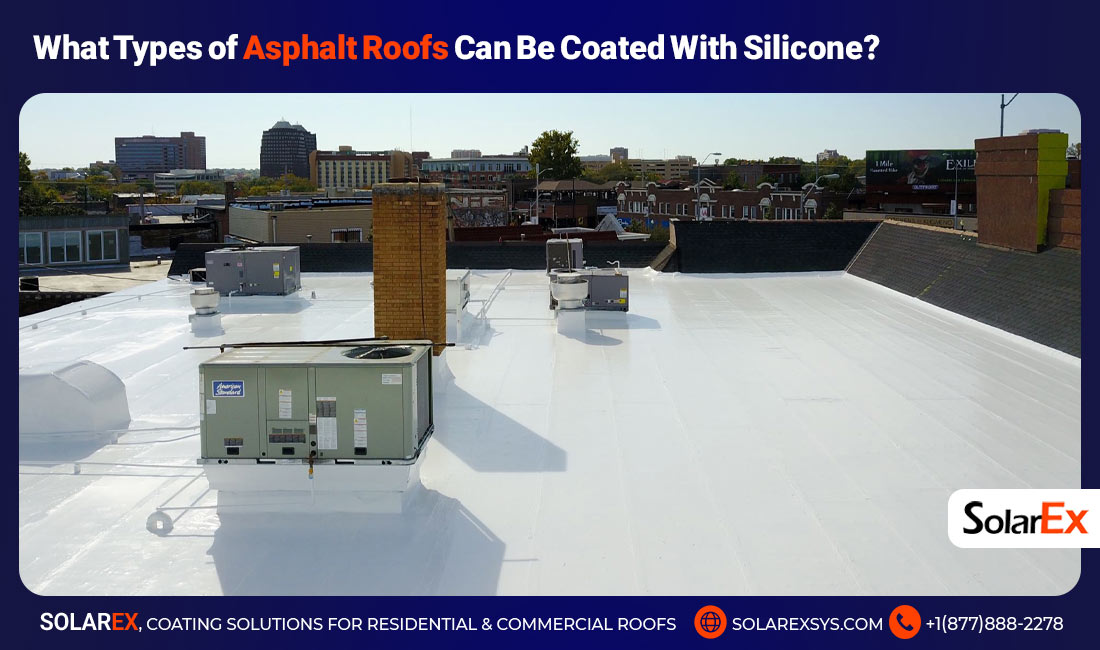
Not all asphalt roofs are suitable for silicone coatings. Compatibility depends on the roofing material, surface condition, and preparation required for proper adhesion. Here’s how different asphalt roofing systems compare.
Modified Bitumen
Silicone coatings work well on sound modified bitumen roofs, including smooth and granulated surfaces. A compatible primer may be needed to prevent asphalt oils from staining the new coating.
Built-Up Roofing (BUR)
Smooth-surfaced BUR is a good candidate for commercial roof coating applications. Before applying silicone, contractors must repair damaged seams, blisters, and other membrane defects.
Smooth Asphalt Membrane
Smooth asphalt membranes provide a relatively easy surface to coat once properly cleaned and prepared. On roofs prone to ponding water, silicone may perform better than an acrylic roof coating.
Granulated Asphalt Membrane
Silicone can be applied over granulated asphalt membranes after removing loose granules and debris. The textured surface may require additional coating material to achieve the specified thickness.
Asphalt Shingles
Silicone coatings are generally not recommended for asphalt shingles. Applying them can trap moisture, affect shingle performance, and potentially void the manufacturer’s warranty.
Gravel-Surfaced BUR
Gravel-covered roofs require special preparation. Experienced roof coating companies remove loose gravel and may use a specialized leveling base before applying the silicone topcoat.
Benefits of Silicone Roof Coating Over Asphalt
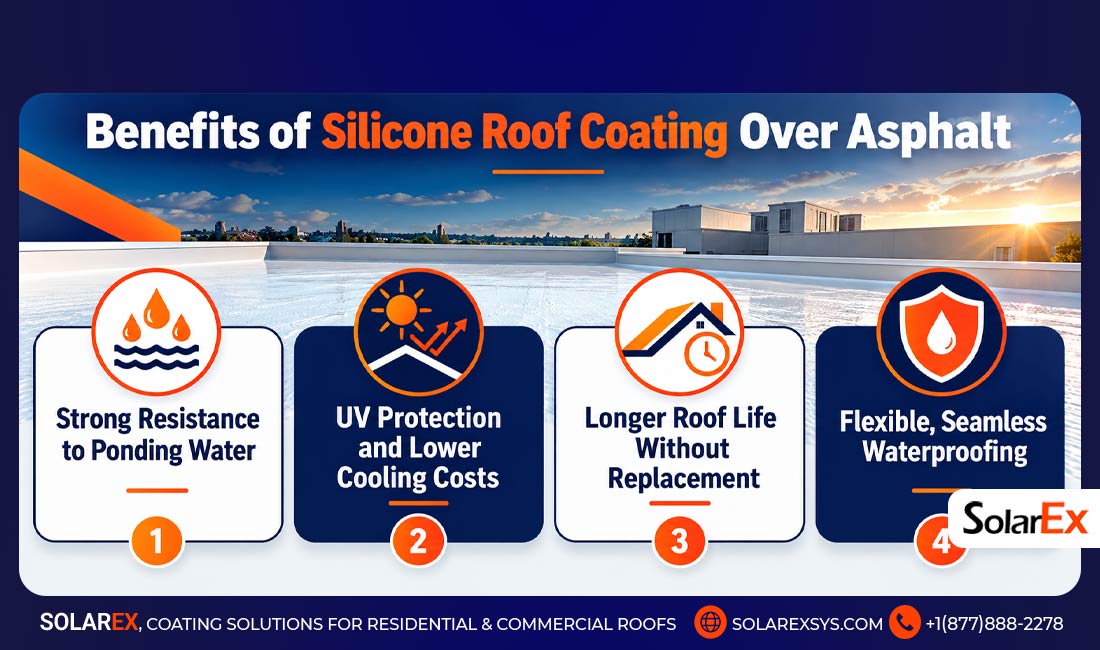
Applying silicone roof coating over asphalt can extend the life of a sound roof without a costly replacement. It adds protection against water, UV exposure, and temperature changes, making it particularly useful for flat and low-slope roofs.
Strong Resistance to Ponding Water
Unlike many traditional coatings, silicone resists deterioration from standing water. This makes it especially useful for flat asphalt roofs where rainwater drains slowly.
UV Protection and Lower Cooling Costs
White silicone reflects sunlight and reduces heat absorption. It can serve as an energy saving roof coating, potentially lowering air conditioning costs in warm climates.
Longer Roof Life Without Replacement
Silicone protects aging asphalt membranes from further weathering. When comparing silicone roof coating vs asphalt, remember that coating restores a serviceable roof rather than replacing a damaged roofing system.
Flexible, Seamless Waterproofing
Silicone forms a continuous, flexible membrane that accommodates normal roof movement and helps prevent water intrusion. Properly sealed seams and penetrations provide additional protection against leaks.
Silicone vs. Acrylic vs. Asphalt Roof Coatings
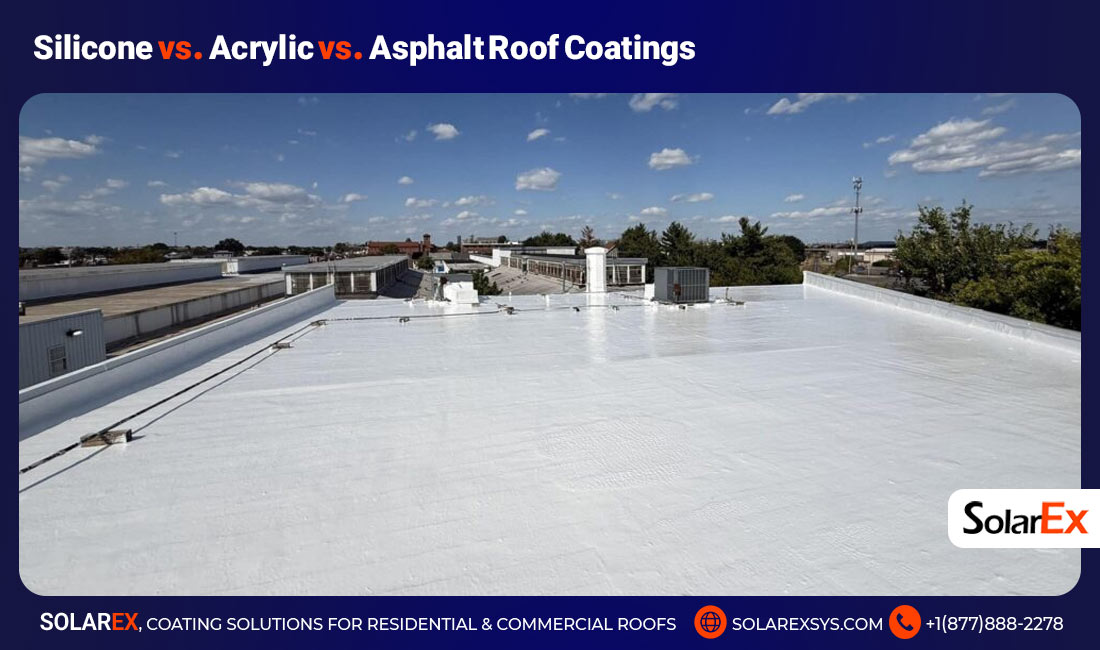
Silicone, acrylic, and asphalt-based coatings protect roofs differently. If you’re comparing silicone roof coating vs asphalt, consider water resistance, UV protection, and long-term maintenance before choosing a system.
|
Feature |
Silicone Coating | Acrylic Coating |
Asphalt-Based Coating |
|
Ponding Water Resistance |
Excellent with approved systems | Poor under prolonged standing water |
Varies; generally requires good drainage |
|
UV Protection |
Excellent |
Excellent |
Limited without a reflective topcoat |
|
Reflectivity |
High in white formulations | High in white formulations |
Low unless aluminum or reflective coating is added |
|
Flexibility |
Remains flexible through temperature changes | Flexible but may weather over time |
Depends on formulation |
|
Application |
Often one or two coats | Typically requires multiple coats |
Brush, spray, or roller, depending on product |
|
Relative Cost |
Higher | Generally lower |
Often economical for basic maintenance |
|
Best Application |
Low-slope roofs exposed to ponding water | Well-drained roofs needing a reflective finish |
Asphalt roof maintenance and compatible base coats |
How to Apply Silicone Roof Coating Over Asphalt?
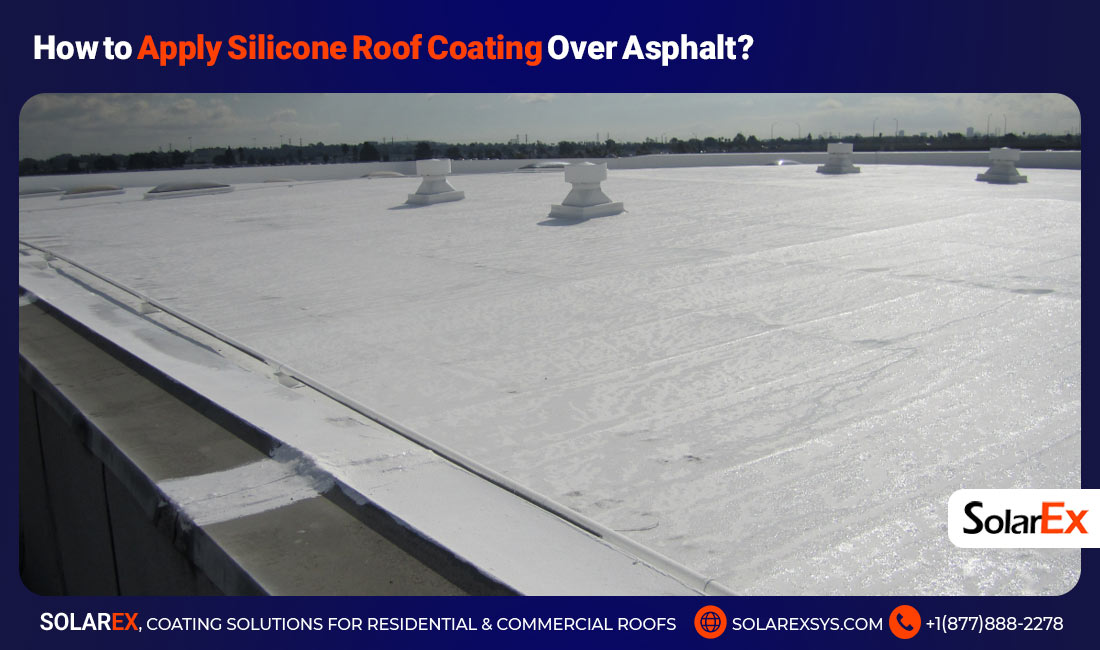
Applying silicone roof coating over asphalt requires proper surface preparation to ensure strong adhesion and long-lasting protection. Follow these steps for a reliable finish:
- Inspect the Roof: Check for damaged seams, cracks, and trapped moisture. Perform an adhesion test to confirm coating compatibility.
- Clean and Repair: Fix damaged areas, replace wet roofing materials, and pressure-wash the surface. Allow it to dry completely.
- Apply Primer: Use a compatible asphalt bleed-blocking primer where required to prevent staining and improve adhesion.
- Seal Seams and Flashings: Apply silicone mastic to seams, drains, and roof penetrations. Reinforce loose seams with compatible fabric.
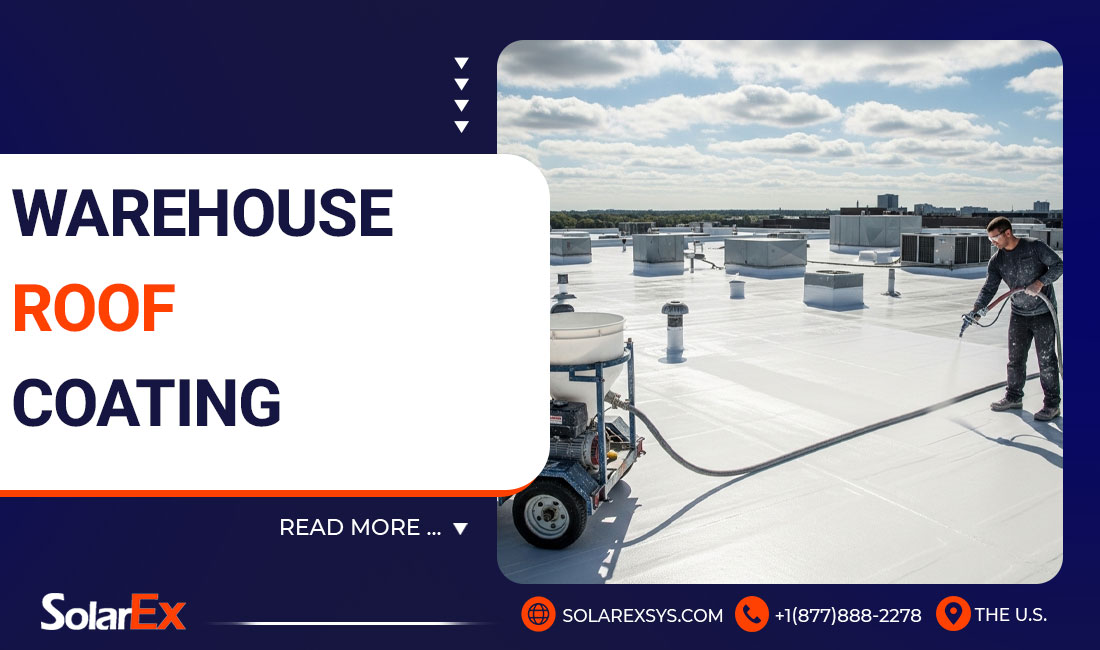
- Apply Silicone Coating: Use a roller or airless sprayer, following the manufacturer’s thickness and curing requirements. Document the results with silicone roof coating before and after
Based on one of our customers’ roofing projects: At a 15,000-square-foot commercial property in Pomona, California, we used a silicone restoration system over an existing modified-bitumen roof. The project included an acrylic primer and silicone mastic around roof penetrations and other vulnerable areas. This experience highlights why careful surface preparation and proper sealing are just as important as the coating itself.
How Much Does Silicone Roof Coating Over Asphalt Cost?
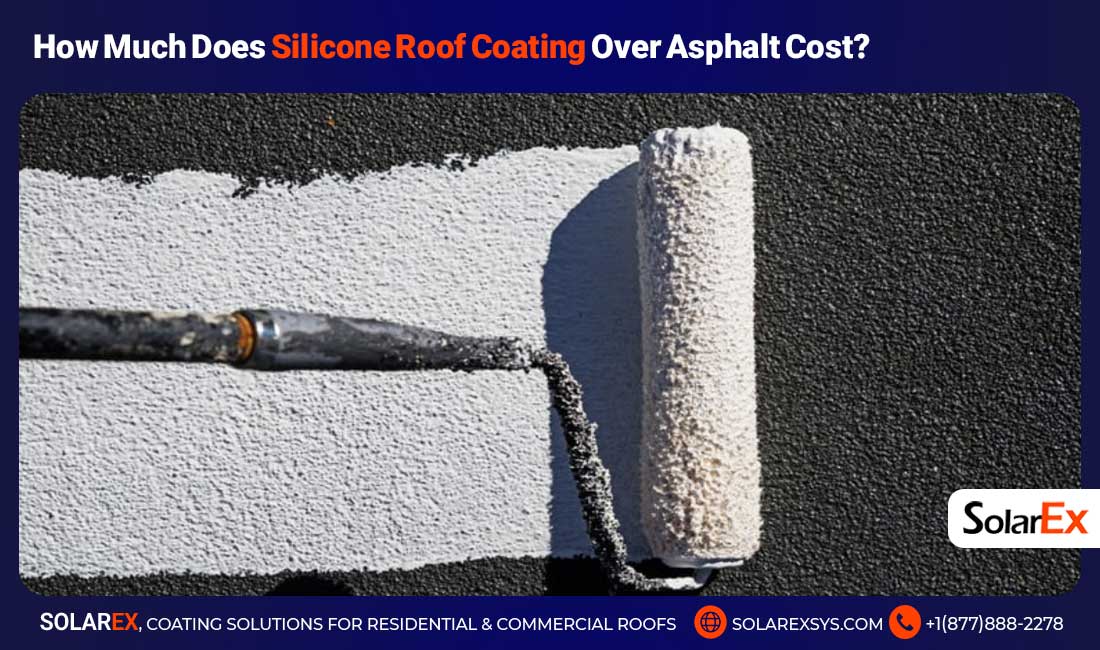
The average cost of silicone roof coating over asphalt ranges from $2 to $5 per square foot, including materials and professional installation. However, the final price depends on the roof’s condition and the work required before coating.
The main factors affecting the cost include:
- Roof Size: Larger roofs generally have a lower cost per square foot.
- Roof Condition: Cracks, damaged seams, and wet insulation require repairs that increase expenses.
- Surface Preparation: Granulated asphalt may need more coating material, while some surfaces require a special primer.
- Coating Thickness: Thicker applications use more material and may be required for longer warranty coverage.
- Labor and Accessibility: Local labor rates, rooftop equipment, and difficult access can increase installation costs.
A professional roof inspection helps determine the actual cost before work begins.
How Long Does Silicone Roof Coating Last on Asphalt?
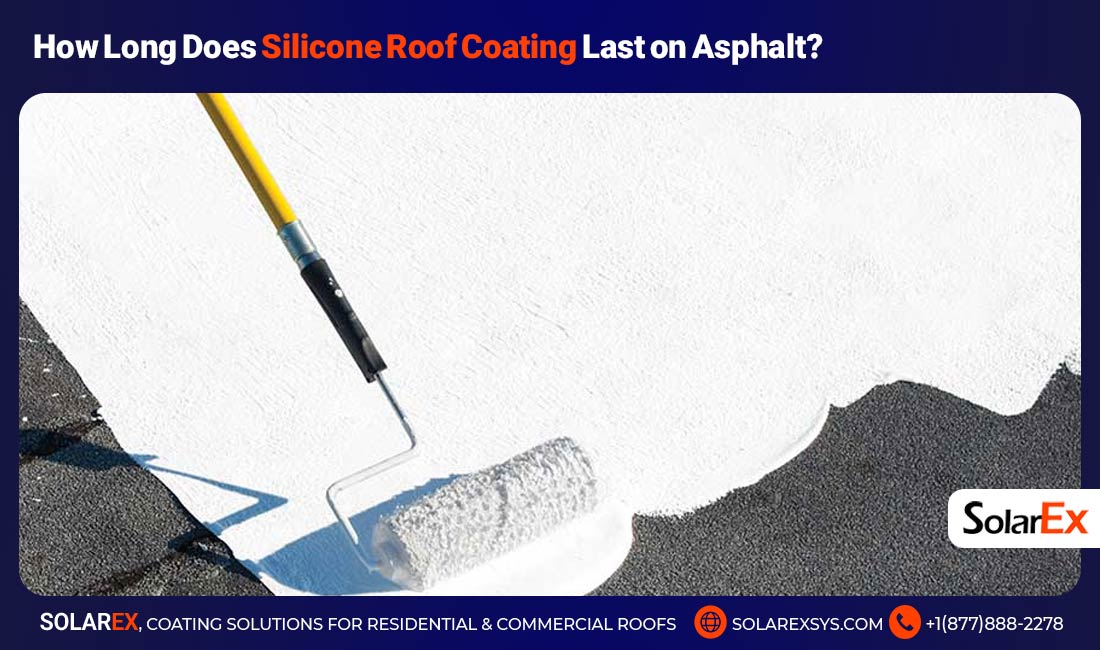
Silicone roof coating can last 10 to 20 years on a properly prepared asphalt roof, depending on coating thickness, installation quality, and weather exposure. Manufacturers like GAF offer systems with 10-, 15-, and 20-year warranties, although warranty length doesn’t guarantee actual lifespan. Regular inspections, keeping drains clear, and repairing surface damage help extend its service life. When weighing Silicone roof coating pros and cons, long-term durability is a major advantage, but proper maintenance still matters.
Best Silicone Roof Coating for Asphalt Roofs From SolarEx
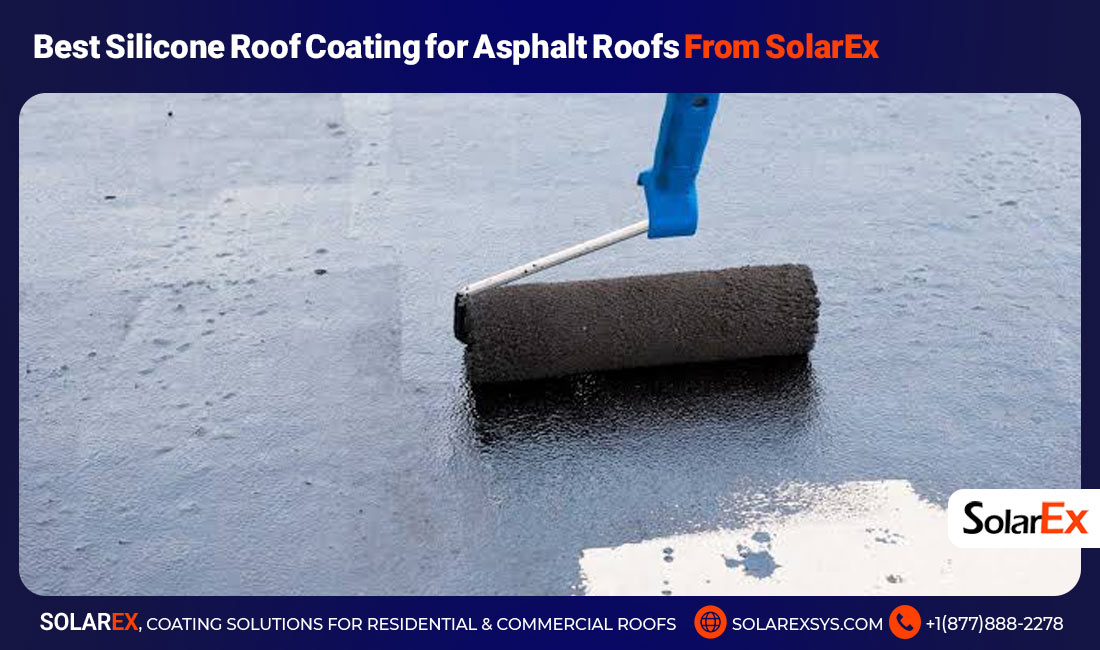
At SolarEx, we provide high-performance silicone roof coatings, including SiliconEx 500, to protect and restore compatible asphalt roofing systems. Drawing on our experience in California’s Bay Area and the Middle East, we combine reflective roof coatings with solar energy solutions to help property owners reduce heat absorption, lower cooling costs, and extend roof life.
Some of the benefits of choosing SolarEx include:
- Up to 20% Cooling Cost Reduction: Our reflective coatings help lower roof temperatures, with potential cooling savings of up to 20% depending on building conditions.
- Eco-Friendly & Low-VOC: Our low-VOC coating formulations help reduce solvent emissions while providing reliable roof protection.
- Long-Term Durability: Our silicone coatings are designed to resist UV exposure, harsh weather, cracking, and peeling.
- Solar Panel Compatibility: Our reflective coatings complement rooftop solar installations by reducing roof surface temperatures.
Need help choosing the right silicone coating for your asphalt roof? Contact our team for product recommendations, technical guidance, and a free consultation.
- Address: 700 Allston Way, Berkeley, CA 94710, USA
- Phone: +1 (877) 888-2278
- Email: info@solarexsys.com
Conclusion: When Should You Coat an Asphalt Roof Instead of Replacing It?
If your asphalt roof is still structurally sound, silicone roof coating over asphalt can extend its service life without the expense of a full replacement. However, coating a roof with trapped moisture, failing seams, or extensive damage won’t solve the underlying problems. A professional inspection can help determine whether restoration is worthwhile and what repairs are needed first. The key is to choose a coating system that’s compatible with your roof and apply it correctly, so you’re investing in lasting protection rather than a temporary fix.
FAQ: silicone roof coating over asphalt
Do You Need a Primer Before Applying Silicone Roof Coating Over Asphalt?
Many asphalt roofs require a compatible primer to improve adhesion and prevent asphalt oils from staining the silicone coating. Always check the coating manufacturer’s requirements before application.
Can Silicone Roof Coating Stop Leaks in an Asphalt Roof?
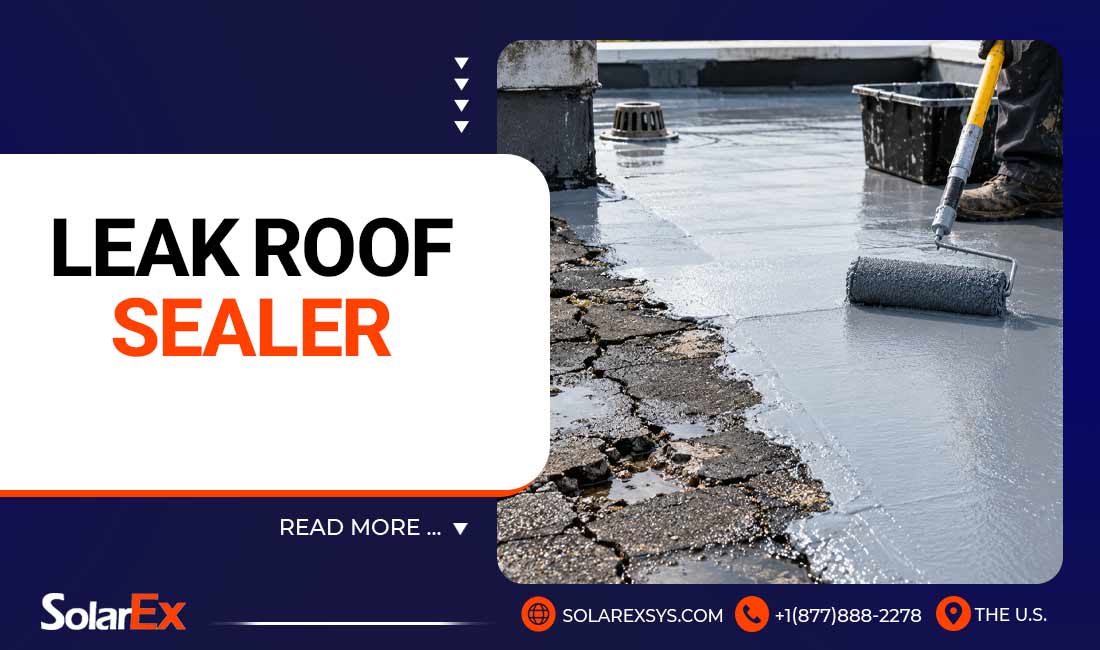
Yes, silicone creates a waterproof barrier that helps prevent leaks. However, damaged seams, cracks, and wet roofing materials must be repaired or replaced before applying the coating.
Can You Apply Silicone Roof Coating Over Asphalt Shingles?
Silicone coatings are generally not recommended for asphalt shingles. They can interfere with moisture movement, affect shingle performance, and potentially void the manufacturer’s warranty.