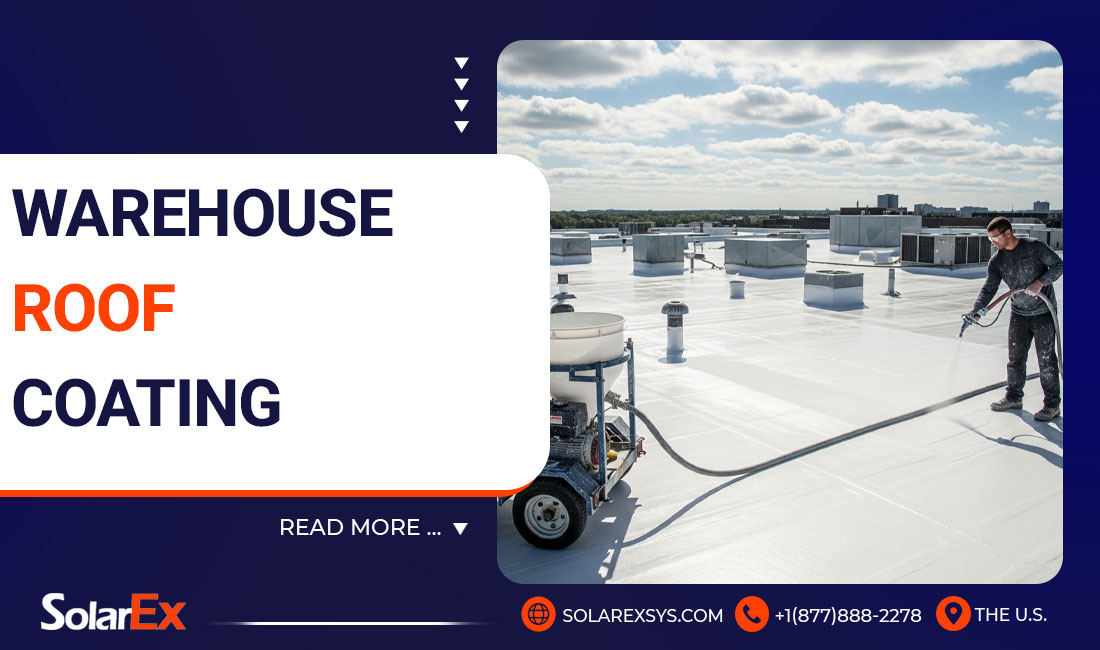

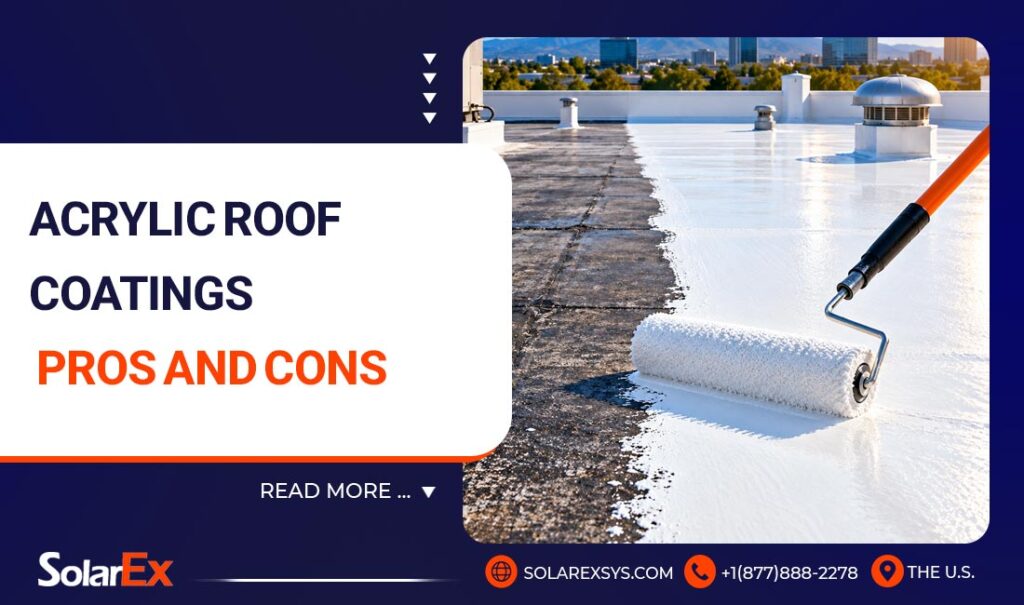
Is acrylic roof coating worth the investment, or could it end up costing more in repairs? While acrylic coatings offer an affordable way to protect aging roofs, they aren’t the right solution for every building. Poor drainage, standing water, and harsh weather can all affect how well they perform over time. Understanding acrylic roof coatings pros and cons can help you avoid choosing a coating that doesn’t suit your roof’s condition. At SolarEx, we’ll examine the benefits, limitations, and practical factors you should consider before making your decision.
What is acrylic roof coatings?
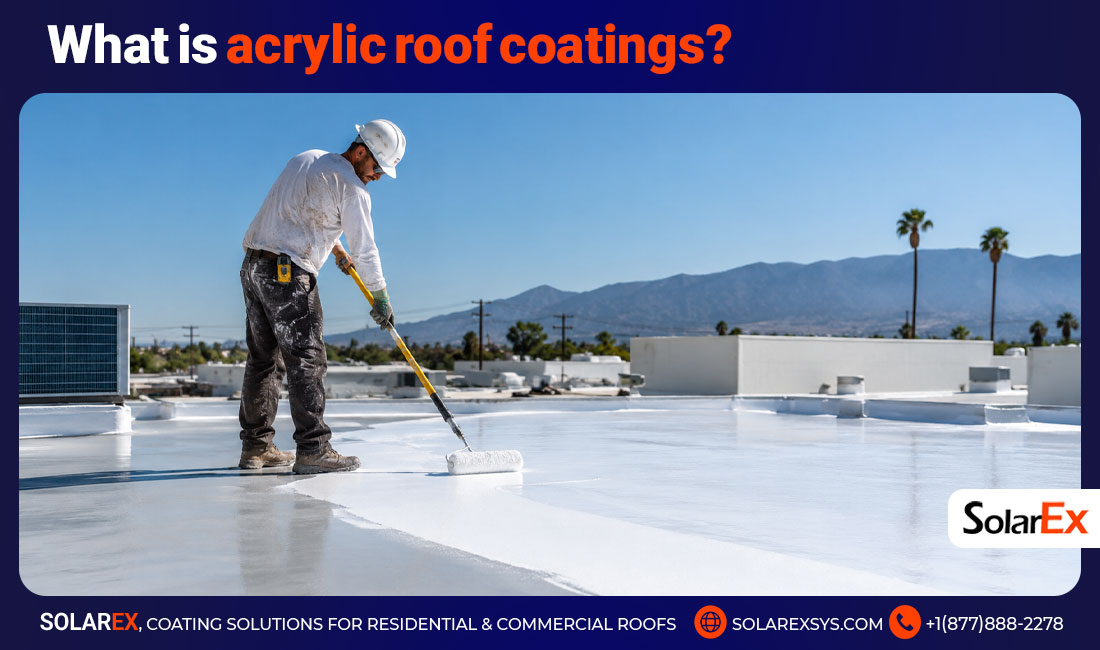
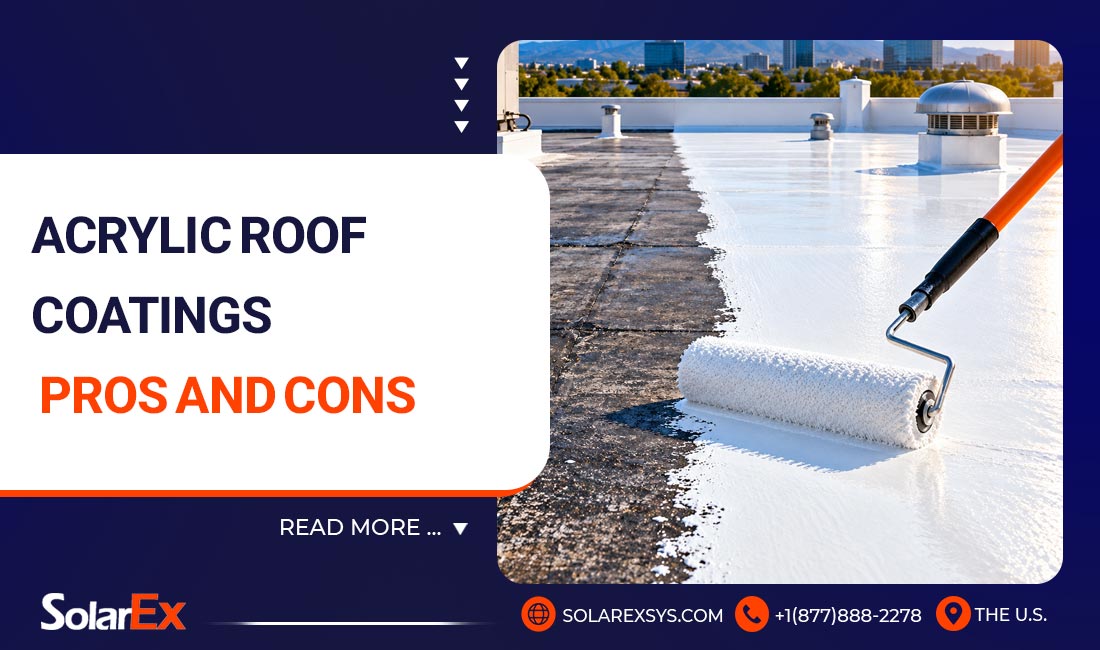
An acrylic roof coating is a water based elastomeric roof coating that forms a seamless, flexible protective layer over an existing roof. It helps prevent water intrusion, protects against UV damage, and reflects solar heat. With proper surface preparation, acrylic coatings can be applied to metal, modified bitumen, built up roofing (BUR), EPDM, other compatible single-ply membranes, and spray polyurethane foam.
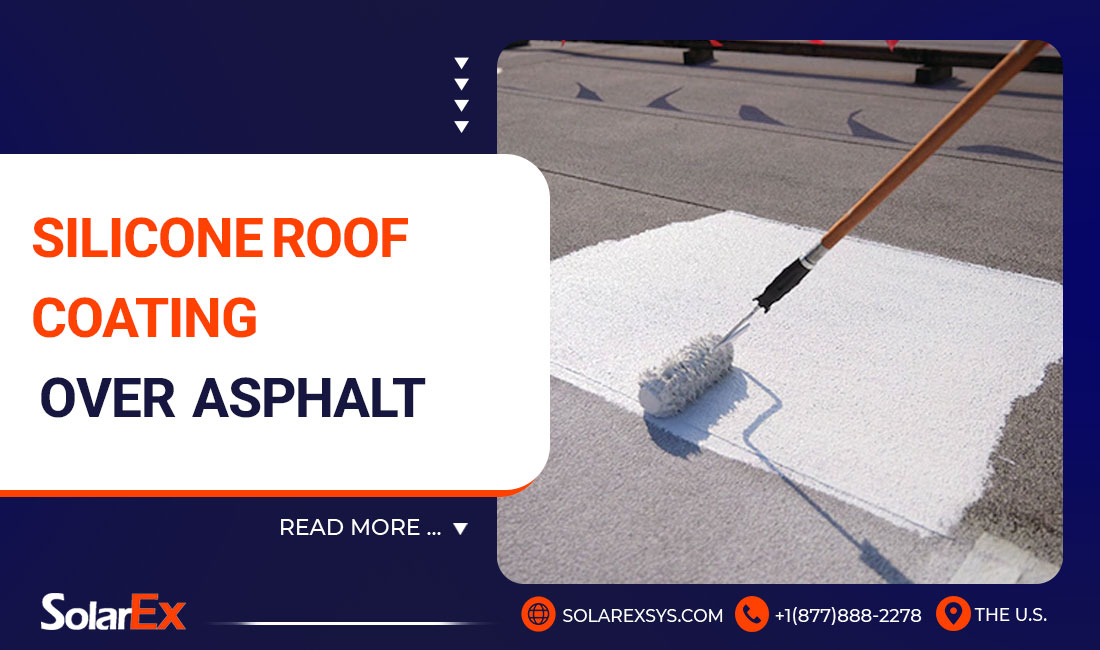
Among the three common roof restoration coatings, acrylic is known for its affordability and reflectivity. Silicone offers better resistance to standing water, while polyurethane provides greater toughness and impact resistance. However, acrylic coating is intended to restore an existing roof, not replace a damaged membrane or waterlogged insulation.
Advantages of acrylic roof coatings
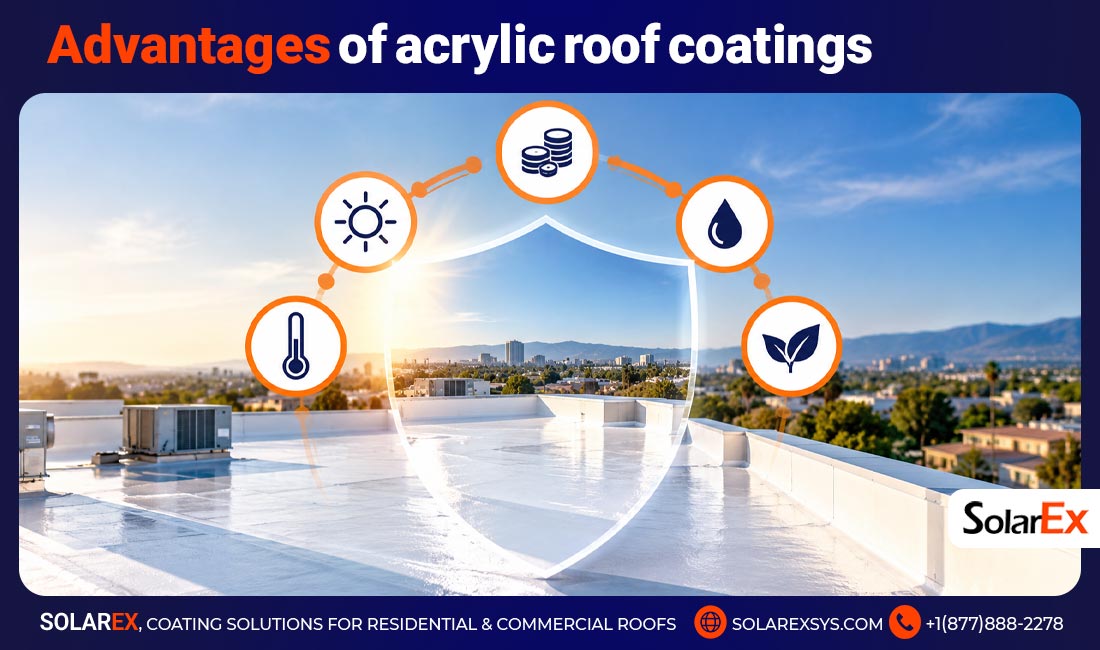
Acrylic roof coatings offer an affordable way to protect aging roofs without a complete replacement. Their main advantages include lower restoration costs, strong UV resistance, and straightforward installation.
1. Cost Effective Roof Restoration
Acrylic coatings generally cost less than silicone or polyurethane alternatives. For a structurally sound roof, an acrylic commercial roof coating can extend its service life without the labor and disposal costs of a full tear off. This makes acrylic a practical choice for budget conscious building owners.
2. UV Protection and Energy Savings
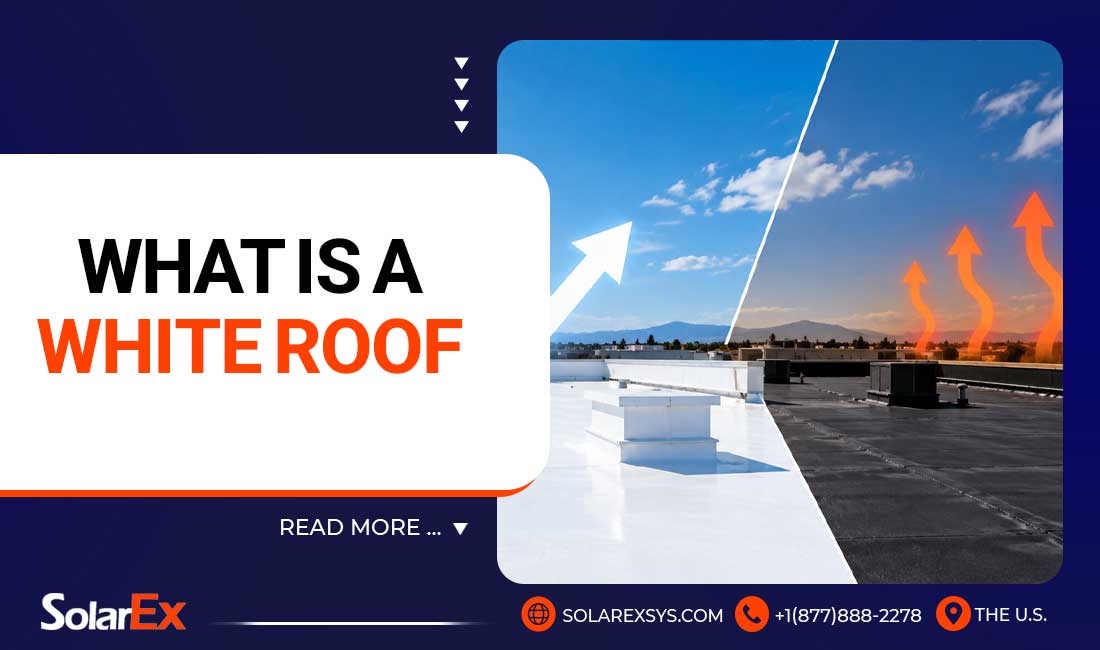
White acrylic coatings reflect sunlight instead of absorbing it, helping keep roof surfaces cooler during hot weather. Applying a reflective roof coating can also reduce cooling demand in certain buildings while protecting roofing materials from UV-related deterioration. Actual energy savings depend on the climate and building design.
3. Easy Application and Maintenance
Because acrylic coatings are water based, contractors can typically apply them with spray equipment, rollers, or brushes. They also produce relatively little odor and allow equipment to be cleaned with water before the coating dries. On a properly prepared roof, installation can often proceed with minimal disruption to daily business operations.
Disadvantages of acrylic roof coatings
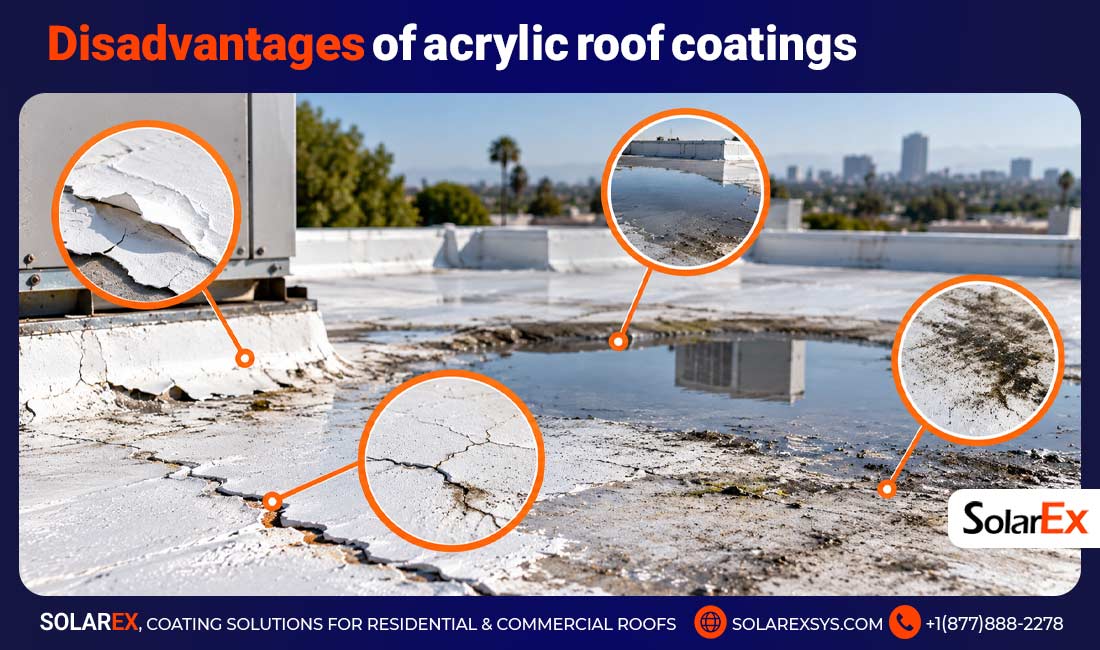
Despite their affordability and UV resistance, acrylic coatings have limitations that can affect long term performance. Roof drainage, installation temperatures, and coating wear are the main concerns.
1. Poor Resistance to Ponding Water
Standing water can soften acrylic coatings, cause blistering, and weaken adhesion over time. These coatings work best on sloped roofs or surfaces with proper drainage. A silicone roof coating generally handles prolonged ponding water better, although drainage problems should still be addressed.
2. Cold Weather Application Limitations
Applying an acrylic roof coating typically requires temperatures of at least 50°F (10°C) and rising. Cold weather slows curing, while rain, heavy dew, or freezing temperatures before the coating dries can compromise adhesion and performance. Contractors must check overnight conditions before scheduling installation.
3. Gradual Loss of Coating Thickness
Acrylic coatings gradually lose thickness through years of UV exposure, rainfall, and weathering. As the protective layer wears down, the roof may need recoating sooner than expected. Even a waterproof roof coating requires periodic inspections to maintain reliable protection.
Acrylic roof coatings pros and cons
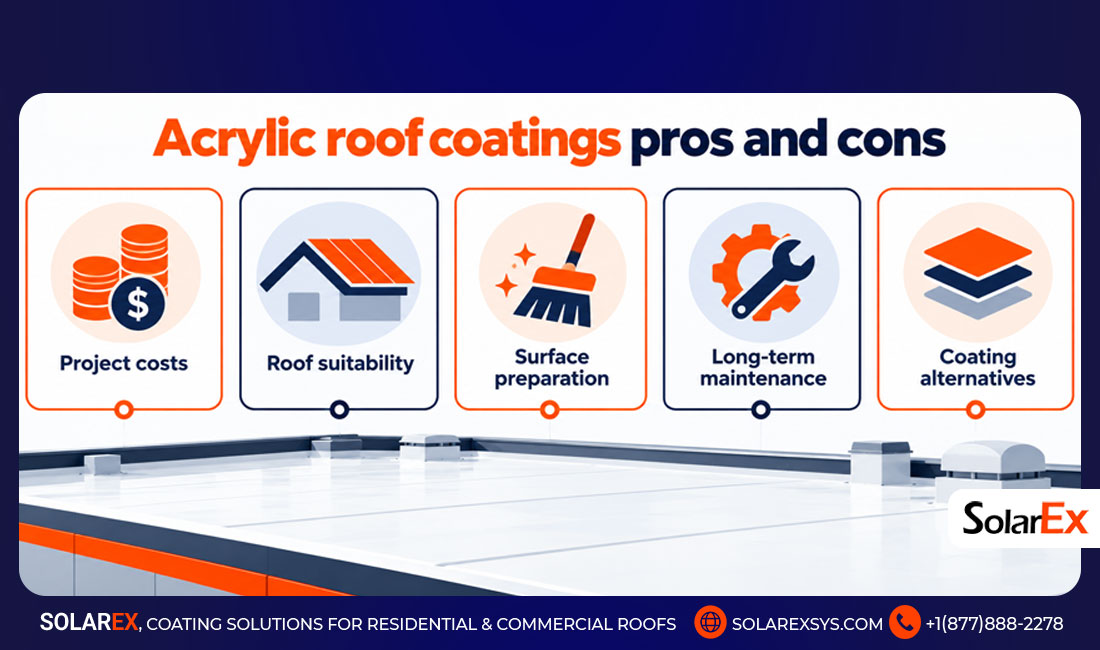
Understanding the acrylic roof coatings pros helps building owners assess whether this system fits their roofing needs. The comparison below highlights practical tradeoffs to consider before choosing an acrylic coating.
|
Comparison Factor |
Pros |
Cons |
|
Project costs |
Lower initial investment than many alternative coatings |
Future recoating and repairs can increase lifetime costs |
|
Roof suitability |
Works on compatible metal, BUR, and spray foam roofs |
The acrylic roof coatings cons become more serious on roofs with recurring standing water |
|
Surface preparation |
Can restore an existing roof without removing sound roofing materials |
Damaged seams, wet insulation, and adhesion problems require attention before coating |
|
Long term maintenance |
Existing acrylic coatings can often be cleaned and recoated |
Periodic inspections and thickness checks are needed |
|
Coating alternatives |
A practical option for well drained roofs with limited budgets |
The silicone roof coating vs acrylic comparison often favors silicone where ponding water is unavoidable |
Based on one of our customers’ roofing projects: On a 15,000 square foot commercial roof in Pomona, California, we used a restoration system combining an acrylic primer with a silicone topcoat. Silicone mastic was also specified around roof penetrations and other vulnerable areas. This project highlights why selecting the right coating system for the existing roof matters more than choosing a product based on price alone.
Where to Get High-Quality Acrylic Roof Coating Solutions in the USA?
If you’re weighing the acrylic roof coatings pros and cons, SolarEx can help you choose a coating suited to your roof’s condition and climate. We supply USA made reflective roof coatings designed to protect existing roofs, reduce heat absorption, and support energy-efficient buildings. Our approach also considers how roof coatings can complement rooftop solar systems.
Some of the key benefits of choosing SolarEx include:
- Up to 20% Cooling Cost Reduction: Our reflective coatings can help lower indoor temperatures and reduce cooling expenses by up to 20% in suitable buildings.
- Eco Friendly, Low VOC Formulations: Our water based acrylic options contain low levels of volatile organic compounds, reducing solvent emissions.
- Long Term Durability: Our coatings are designed to withstand UV exposure, harsh weather, and everyday roof wear when properly applied.
- Solar Panel Compatibility: Our reflective coating solutions can help reduce rooftop heat buildup around solar installations, supporting better thermal conditions.
Need help choosing the right coating for your project? Contact SolarEx for product recommendations, technical guidance, or pricing information:
- Phone: +1 (877) 888-2278
- Email: info@solarexsys.com
- Address: 700 Allston Way, Berkeley, CA 94710, USA
Conclusion: Is Acrylic Roof Coating the Right Investment for Your Roof?
Acrylic coatings can be a cost effective way to protect an aging roof, but the lowest upfront price doesn’t always mean the best long term value. The acrylic roof coatings pros and cons largely come down to drainage, climate, and the condition of the existing roofing system. For well drained roofs, acrylic offers reliable UV protection, solar reflectivity, and relatively affordable maintenance. However, frequent standing water, cold weather installation challenges, and gradual coating wear can increase future costs. If your roof is structurally sound and drains properly, acrylic is worth considering. Otherwise, a silicone coating or more extensive roof repairs may be a better investment.
FAQ: acrylic roof coatings pros and cons
How Long Does an Acrylic Roof Coating Last?
Acrylic roof coatings typically last 10–15 years when properly installed and maintained. Their lifespan depends on weather conditions, coating thickness, and roof drainage. A sound coating system can often be recoated instead of replaced.
Is Acrylic or Silicone Roof Coating Better?
Acrylic is generally more affordable and works well on roofs with good drainage. Silicone offers stronger resistance to standing water, making it a better choice for flat or low slope roofs where ponding is a concern.
Can Acrylic Roof Coating Be Used on a Flat Roof?
Yes, but proper drainage is essential. Water that remains on the roof for 48 hours or longer after rainfall can indicate a drainage problem. Persistent ponding may damage conventional acrylic coatings, so drainage repairs or an alternative coating may be necessary.
Is Roof Coating Better Than Roof Replacement?
Roof coating is often more affordable when the existing roofing membrane and insulation are in good condition. However, roofs with saturated insulation, structural damage, or extensive deterioration may require replacement rather than restoration.
What Temperature Is Needed to Apply Acrylic Roof Coating?
Most acrylic coatings require temperatures of at least 50°F (10°C) and rising. The roof must be dry, with enough time for the coating to cure before rain or heavy dew. Always check the manufacturer’s application instructions.
Can You Apply Silicone Over an Acrylic Roof Coating?
Yes, silicone can often be applied over an existing acrylic coating after proper cleaning, preparation, and adhesion testing. Manufacturer compatibility requirements must be followed. Applying acrylic over silicone is generally more difficult because of adhesion limitations.