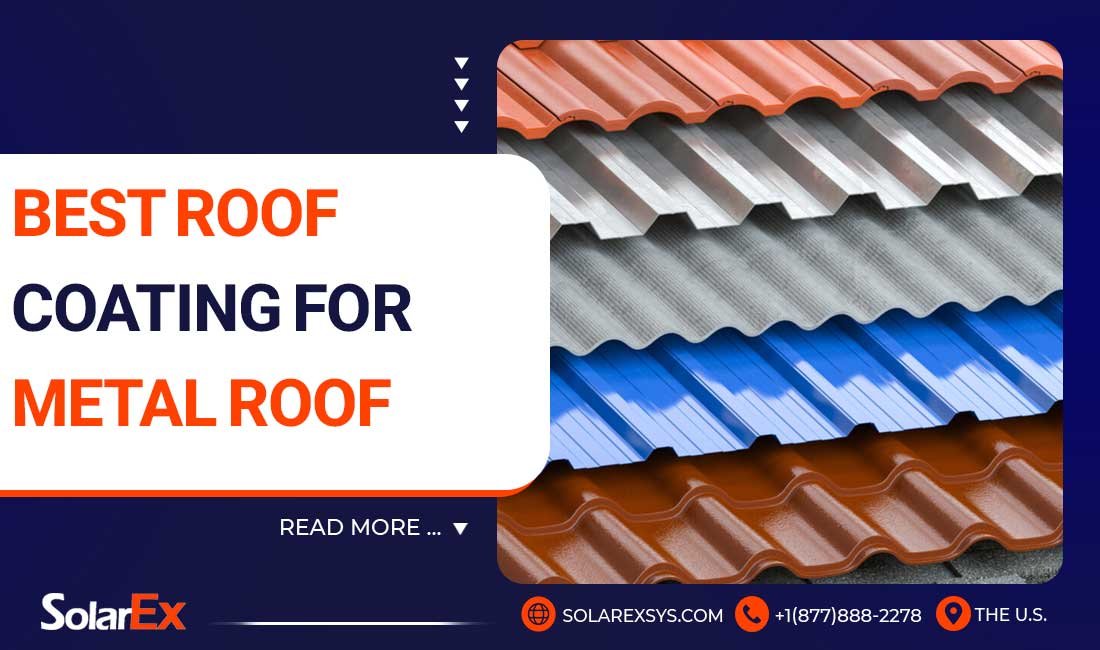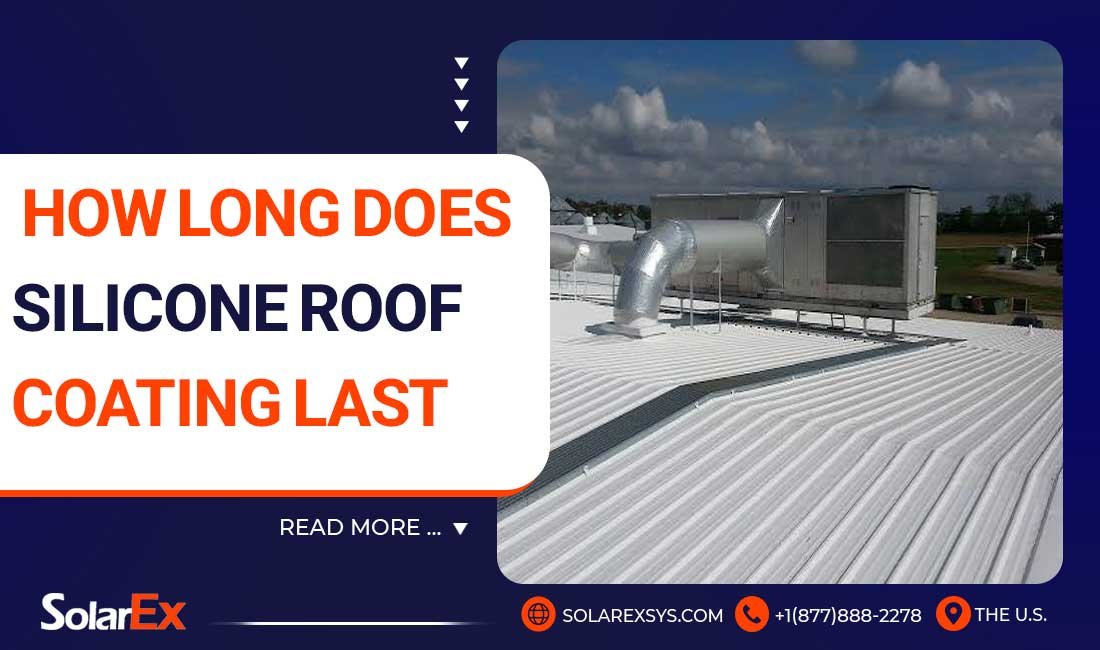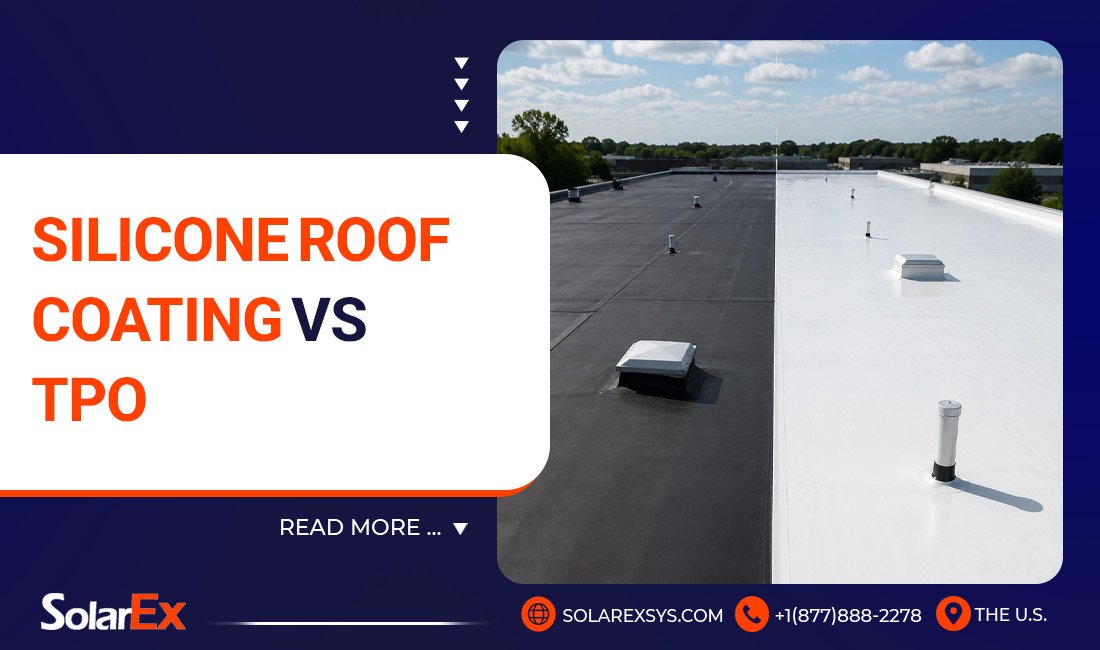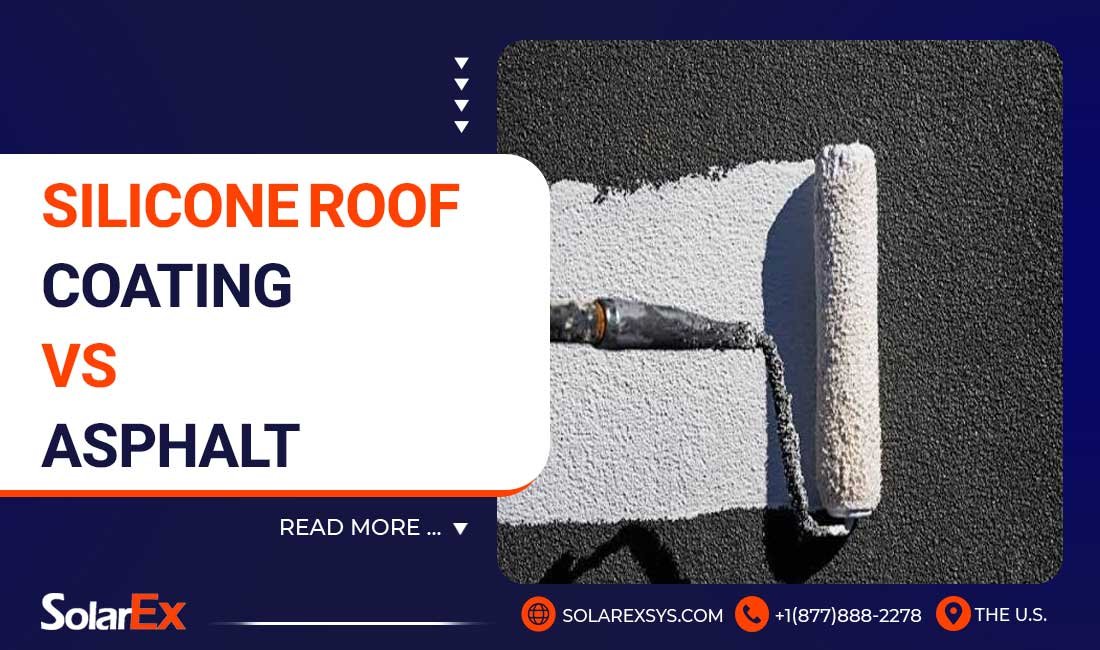
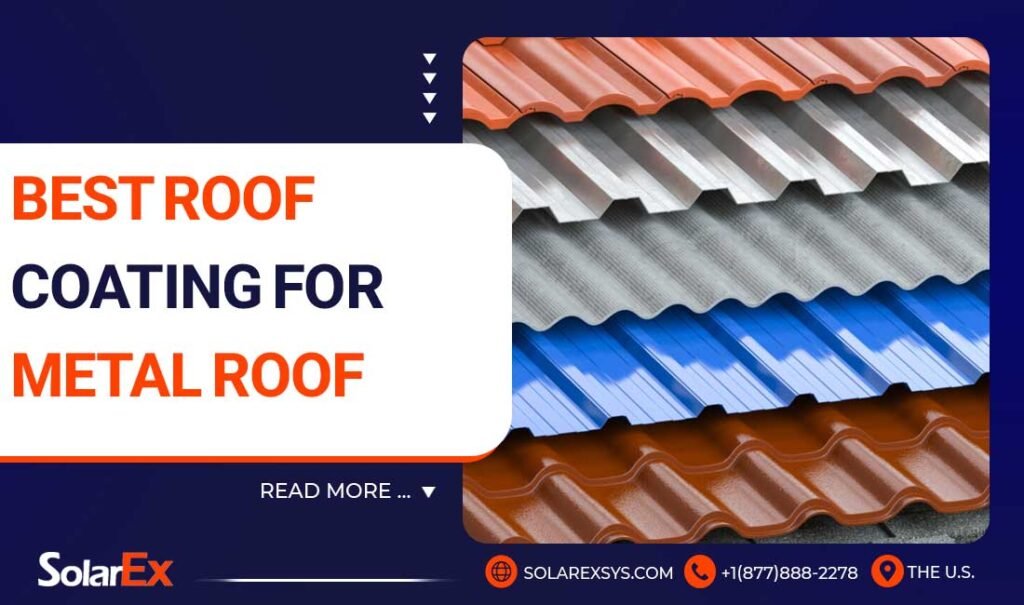
A metal roof is constantly exposed to factors such as sunlight, rain, temperature changes and moisture, which can gradually affect its durability and performance. Choosing the right protective coating is not always simple, especially when different options offer different levels of waterproofing, flexibility and weather resistance. If you are searching for the best roof coating for metal roof, understanding the differences between available coating systems can help you make a better decision based on your building’s needs. In this guide, we will compare the most common roof coatings and explain which solutions are more suitable for different conditions. For complete information, stay with us at SolarEx.
Best roof coating for metal roof
Selecting the right coating for a metal roof requires more than choosing the most affordable option. A coating should match the roof’s condition, weather exposure, drainage situation and the level of protection required. Metal roofs are constantly affected by expansion and contraction caused by temperature changes, UV radiation, moisture and corrosion risks, so the coating system needs to provide long-term protection without losing flexibility.
When comparing the best roof coating for metal roof options, silicone coatings are often considered one of the most reliable choices because they provide excellent waterproofing performance and maintain flexibility over time. However, acrylic, polyurethane, elastomeric and other coating systems can also be effective depending on the building type and environmental conditions.
Understanding different metal roof coating systems helps property owners choose a solution that improves durability, reduces maintenance needs and protects the roof surface from common issues such as leaks, rust and weather damage.
|
Roof Coating Type |
Best Application | Main Strength | Main Limitation |
| Silicone Roof Coating | Metal roofs exposed to moisture and ponding water | Excellent waterproofing and flexibility |
Higher initial cost |
|
Acrylic Roof Coating |
Dry climates and reflective roof applications | UV resistance and affordability | Limited ponding water resistance |
| Polyurethane Roof Coating | Areas exposed to impact and heavy traffic | Strong durability and abrasion resistance |
Requires careful installation |
|
Elastomeric Roof Coating |
Roofs with thermal movement | Flexibility and crack resistance | Performance varies by formulation |
| Asphalt-Based Roof Coating | Budget-friendly restoration projects | Affordable moisture protection |
Lower UV performance |
|
SBS and SEBS Modified Coatings |
Flexible waterproofing applications | Good movement resistance | Product compatibility is important |
| Epoxy Primers and Rust-Inhibitive Primer Systems | Rust protection and surface preparation | Improves adhesion and corrosion control |
Usually requires a topcoat |
|
Fluoropolymer Coatings |
Architectural metal roofs | Excellent color and weather retention |
Higher cost |
The following sections review each metal roof coatings types option separately, including its features, applications, advantages and disadvantages, so you can compare which system is the best fit for your roof.
1. Silicone Roof Coating
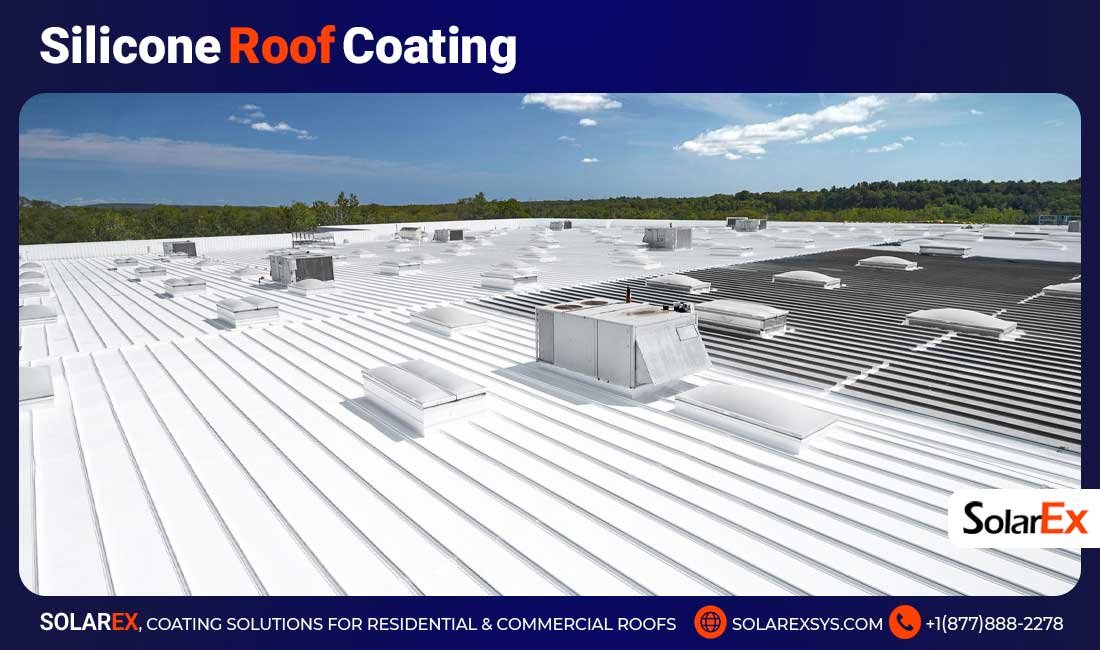
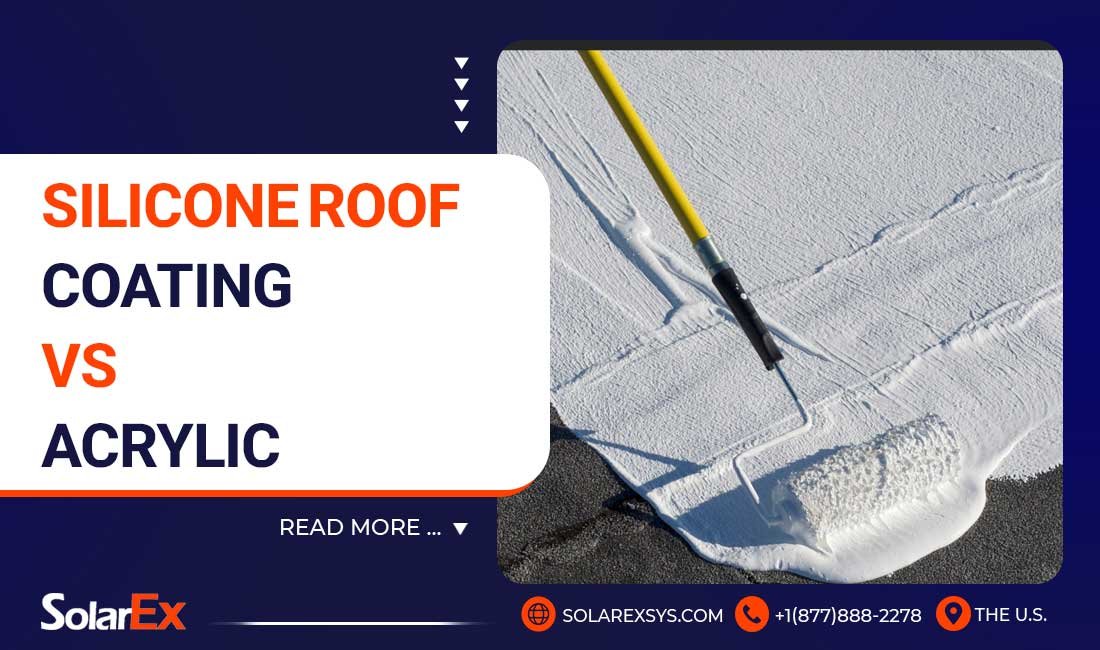
Silicone roof coating is widely recognized as one of the strongest options for metal roofs that require long-term moisture protection. Unlike some coatings that can lose flexibility over time, silicone remains elastic and helps accommodate the natural expansion and contraction of metal panels.
For buildings located in rainy regions or roofs where water may remain after storms, silicone is often considered the best metal roof sealer because of its strong resistance to water exposure. It creates a seamless protective layer that helps reduce the risk of leaks while protecting the underlying metal surface from weather damage.
For property owners searching for silicone roof coating, this solution is especially suitable when waterproofing performance and durability are the main priorities.
|
Category |
Details |
|
Features |
• Creates a seamless waterproof membrane over metal surfaces • Maintains flexibility during temperature fluctuations • Provides strong resistance against UV exposure • Performs well in areas with frequent rainfall |
|
Applications |
• Residential metal roofing systems • Commercial and industrial buildings • Low-slope metal roofs • Roof restoration projects • Buildings exposed to high moisture levels |
|
Advantages |
• Excellent resistance against ponding water • Helps prevent cracking caused by roof movement • Provides long-term protection against weather exposure • Reduces the need for frequent maintenance |
|
Disadvantages |
• Higher upfront cost compared with some alternatives • Requires proper surface preparation before application • Dirt may accumulate more easily on the coating surface |
2. Acrylic Roof Coating
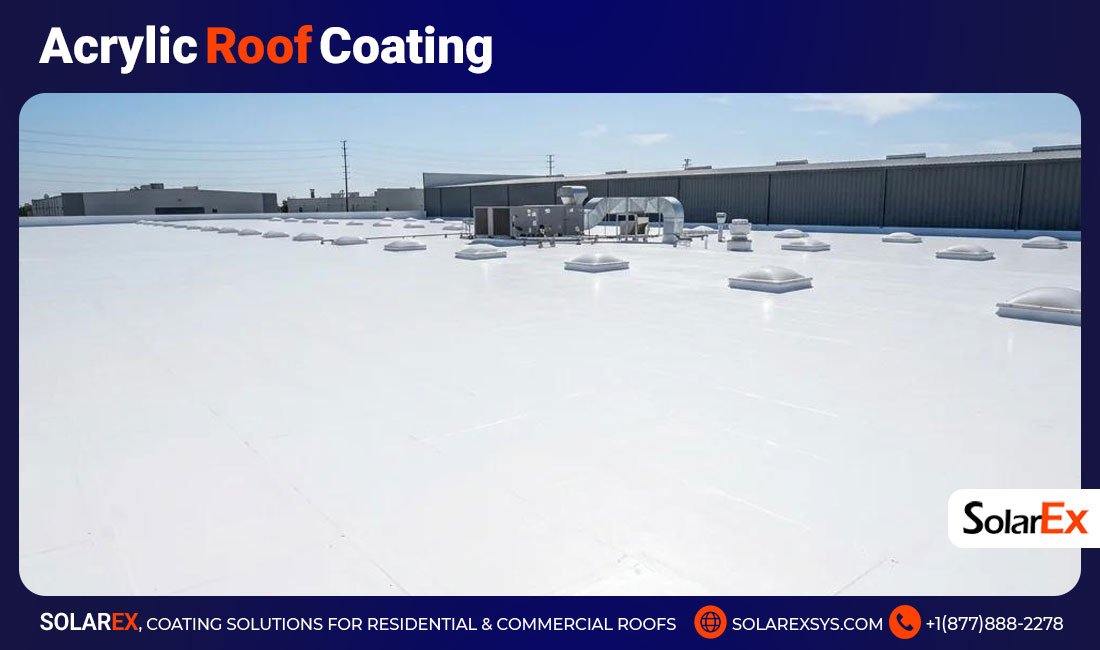
Acrylic roof coating is a popular choice for metal roofs where UV protection, reflectivity and cost efficiency are important factors. This coating type is commonly used on roofs with proper drainage because it performs well under direct sunlight but is less suitable for areas where water remains for extended periods.
Compared with silicone systems, acrylic coatings usually offer a more budget-friendly solution while still providing good protection against solar exposure. If you are evaluating acrylic roof coating options or shingle roof coating and waterproof roof coating this system can be a practical choice for buildings located in warmer and drier climates.
|
Category |
Details |
|
Features |
• Water-based coating formulation • High solar reflectivity • Good resistance against UV rays • Available in different colors and finishes |
|
Applications |
• Residential metal roofs • Commercial buildings with proper drainage • Warehouses and storage facilities • Roofs where heat reduction is a priority |
|
Advantages |
• More affordable than many premium coating systems • Helps reflect sunlight and reduce heat absorption • Easy application and maintenance • Suitable for many standard restoration projects |
|
Disadvantages |
• Not recommended for areas with standing water
• May require more frequent maintenance in harsh climates • Less durable than silicone in wet conditions |
3. Polyurethane Roof Coating
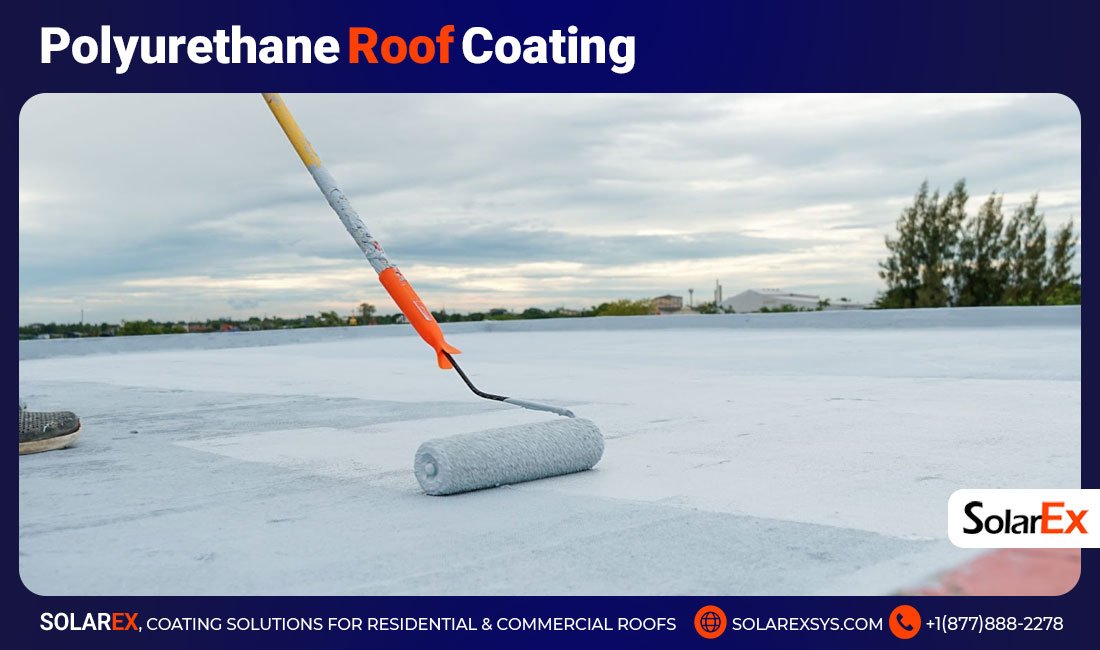
Polyurethane roof coatings are designed for situations where durability and resistance to physical damage are important. They create a strong protective layer that can handle impact, abrasion and regular maintenance activity better than many softer coating options.
This makes polyurethane a suitable choice for commercial and industrial buildings where roof access is frequent. When selecting a roof coating for metal roof, polyurethane can be considered for areas where mechanical strength is a major requirement.
|
Category |
Details |
|
Features |
• High resistance against impact and abrasion • Strong protective surface layer • Available in different formulations for specific needs • Good adhesion when properly applied |
|
Applications |
• Industrial facilities • Commercial roofs with regular foot traffic • Areas around rooftop equipment • Metal roofs requiring additional surface protection |
|
Advantages |
• Excellent durability against physical wear • Performs well in demanding environments • Provides strong protection for high-traffic areas • Can be used as part of multi-layer coating systems |
|
Disadvantages |
• Usually more expensive than acrylic options • Requires careful installation conditions • Some formulations need additional UV protection |
4. Elastomeric Roof Coating
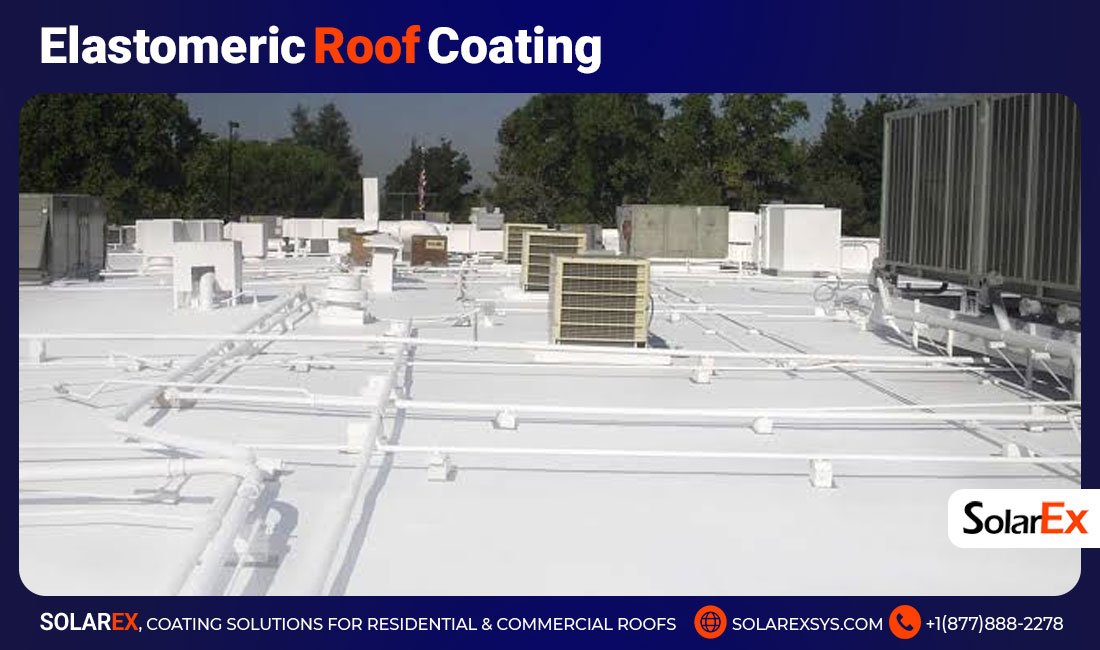
Elastomeric roof coatings are designed to provide a flexible protective layer that can expand and contract as the metal roof moves with changing temperatures. Since metal panels naturally respond to heat and cold by slightly expanding and shrinking, flexibility is an important factor when choosing a coating for metal roofs.
Unlike coatings that focus mainly on hardness, elastomeric systems are developed to maintain elasticity after curing. This makes them useful for roofs with minor surface movement, existing wear and areas where preventing small cracks is a priority.
However, elastomeric is a broad category rather than a single chemical formula. The actual performance depends on whether the coating is acrylic, silicone, polyurethane-based or another formulation. Therefore, the product specifications should always be checked before selecting it for a specific metal roof.
|
Category |
Details |
|
Features |
• Provides a flexible membrane that adapts to roof movement • Helps cover small surface imperfections and minor cracks • Creates a continuous protective layer over the roof surface • Available in different formulations for various climate conditions |
|
Applications |
• Residential and commercial metal roofs • Roof restoration projects • Buildings exposed to frequent temperature changes • Metal roofs requiring additional flexibility around seams and joints |
|
Advantages |
• Handles expansion and contraction of metal surfaces effectively • Helps reduce stress on seams and roof transitions • Can improve the weather resistance of aging roofs • Available in reflective options that may help reduce heat absorption |
|
Disadvantages |
• Performance varies significantly between different formulations • Not all elastomeric coatings are suitable for ponding water • Requires proper surface preparation for strong adhesion • May need additional maintenance depending on climate conditions |
5. Asphalt-Based Roof Coating
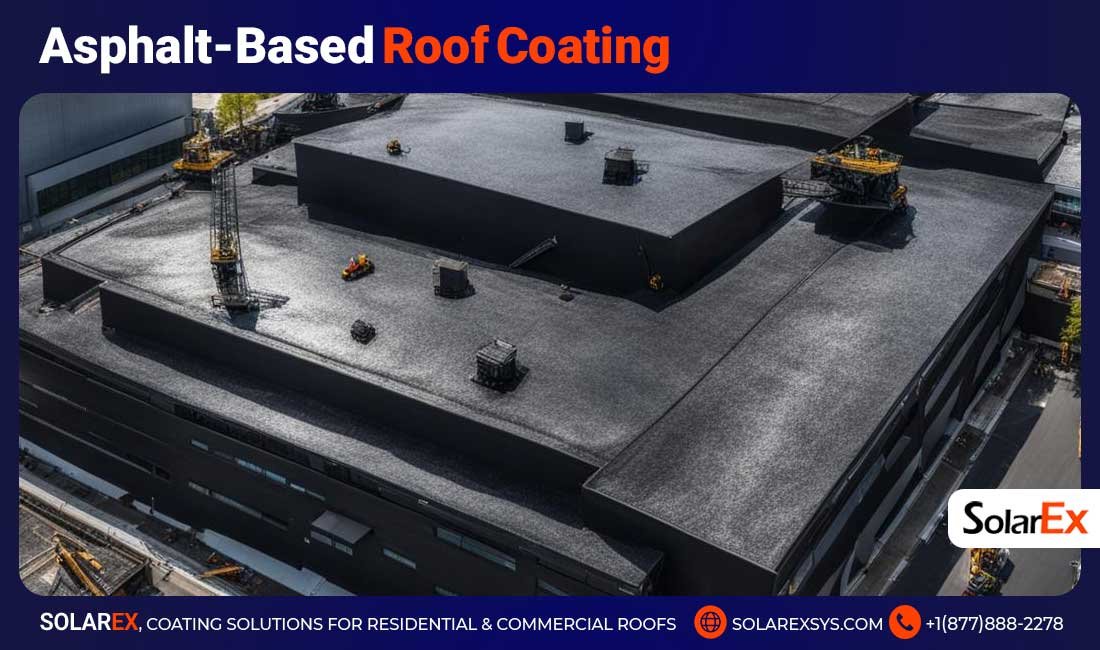
Asphalt-based roof coatings have been used for many years as a cost-effective solution for protecting and restoring roofing surfaces. These coatings create a moisture-resistant layer and can be useful for specific metal roof restoration projects where budget considerations are important.
Compared with advanced systems such as silicone, asphalt-based coatings generally provide a more basic level of protection. They may work well for certain applications, but they are usually not the first choice when the goal is maximum UV resistance or long-term performance in demanding weather conditions.
When comparing best roof coating for metal roof options, asphalt-based products can be considered for suitable projects, especially when the existing roof system is compatible with this type of coating.
|
Category |
Details |
|
Features |
• Asphalt-based protective formulation • Provides a moisture-resistant surface layer • Available in aluminum-pigmented versions for improved reflectivity • Suitable for selected restoration applications |
|
Applications |
• Older metal roof restoration projects • Budget-focused maintenance programs • Compatible roofing systems requiring additional moisture protection • Low-cost roof maintenance solutions |
|
Advantages |
• Lower initial cost compared with premium coatings • Familiar technology with wide availability • Provides basic waterproofing protection • Aluminum versions can improve solar reflectance |
|
Disadvantages |
• Lower UV resistance compared with silicone and fluoropolymer systems • May require more frequent maintenance • Compatibility with existing roof coatings must be checked • Less suitable for demanding long-term applications |
6. SBS and SEBS Modified Coatings
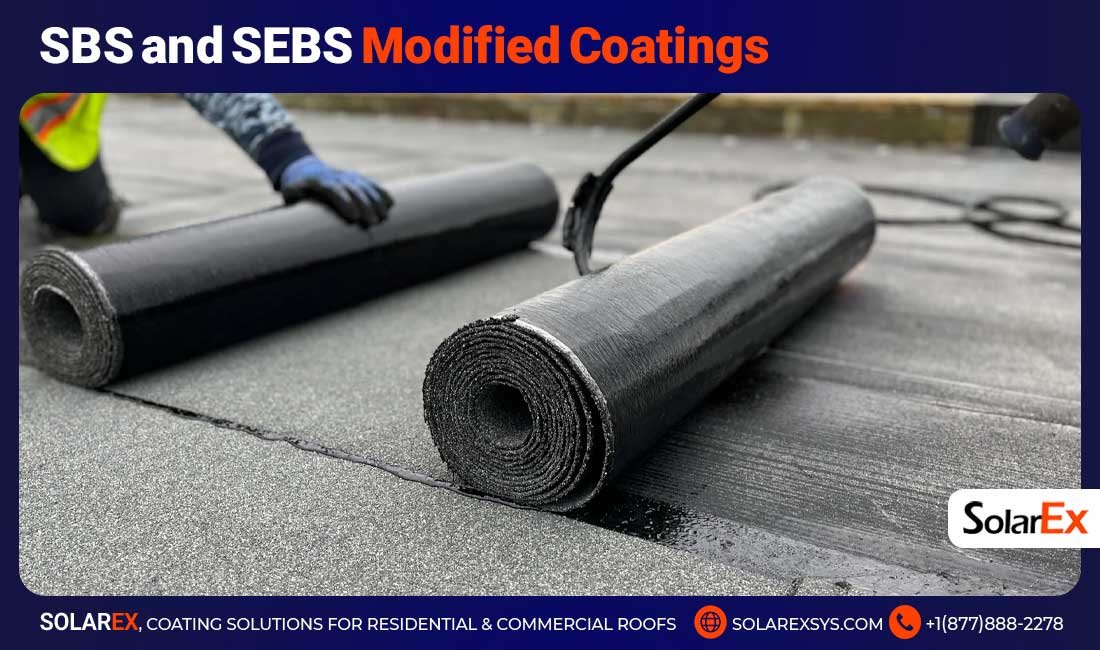
SBS and SEBS modified coatings use rubber modifiers to improve flexibility and movement resistance. These systems are designed to perform better than traditional asphalt coatings when the roof experiences repeated expansion and contraction.
For metal roofs, movement around seams, fasteners and joints is a common challenge. SBS and SEBS technologies can help create a more flexible protective layer, making them a useful option among different metal roof coatings types.
The right product selection depends on factors such as roof condition, climate exposure and compatibility with the existing surface.
|
Category |
Details |
|
Features |
• Uses rubber modification to improve flexibility • Provides better movement resistance than standard asphalt coatings • Helps create a durable waterproof layer • Available in different formulations for specific applications |
|
Applications |
• Metal roofs affected by thermal movement • Restoration projects requiring flexible protection • Areas around seams, joints and penetrations • Commercial roofing systems |
|
Advantages |
• Good flexibility during temperature changes • Helps reduce cracking caused by roof movement • Provides effective moisture protection when properly applied • Suitable for certain restoration applications |
|
Disadvantages |
• UV performance depends on the specific formulation • May require a protective topcoat in some applications • Not every product is compatible with all metal roof surfaces • Professional evaluation may be needed before application |
7. Epoxy Primers and Rust-Inhibitive Primer Systems
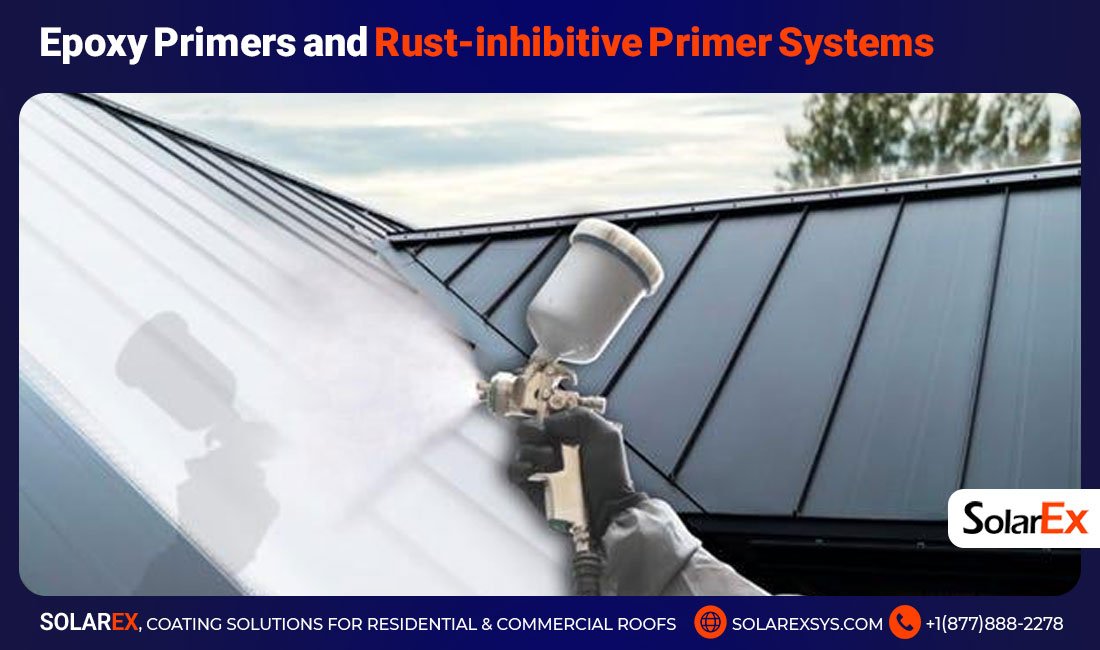
Epoxy primers and rust-inhibitive primer systems play a different role compared with roof coatings that serve as the final protective layer. Their main purpose is preparing and protecting the metal surface before applying a compatible topcoat.
For metal roofs with corrosion, exposed steel areas or damaged previous coatings, a quality primer can improve adhesion and help prevent further deterioration. When searching for the best paint and primer for metal roof, it is important to consider the complete coating system rather than choosing a primer separately from the finish coat.
|
Category |
Details |
|
Features |
• Improves adhesion between metal surfaces and topcoats • Helps protect exposed metal against corrosion • Creates a stable base for finishing coatings • Available in epoxy and rust-inhibitive formulations |
|
Applications |
• Rust-affected metal roofs • Bare steel surfaces after preparation • Roof restoration before applying final coatings • Industrial environments with corrosion concerns |
|
Advantages |
• Helps extend the life of the complete coating system • Improves bonding between layers • Provides additional corrosion protection • Useful for repairing damaged metal surfaces |
|
Disadvantages |
• Usually requires a compatible finishing coating • Does not replace a waterproof topcoat by itself • Surface preparation is critical for performance • Incorrect product combinations may cause adhesion issues |
8. Fluoropolymer Coatings
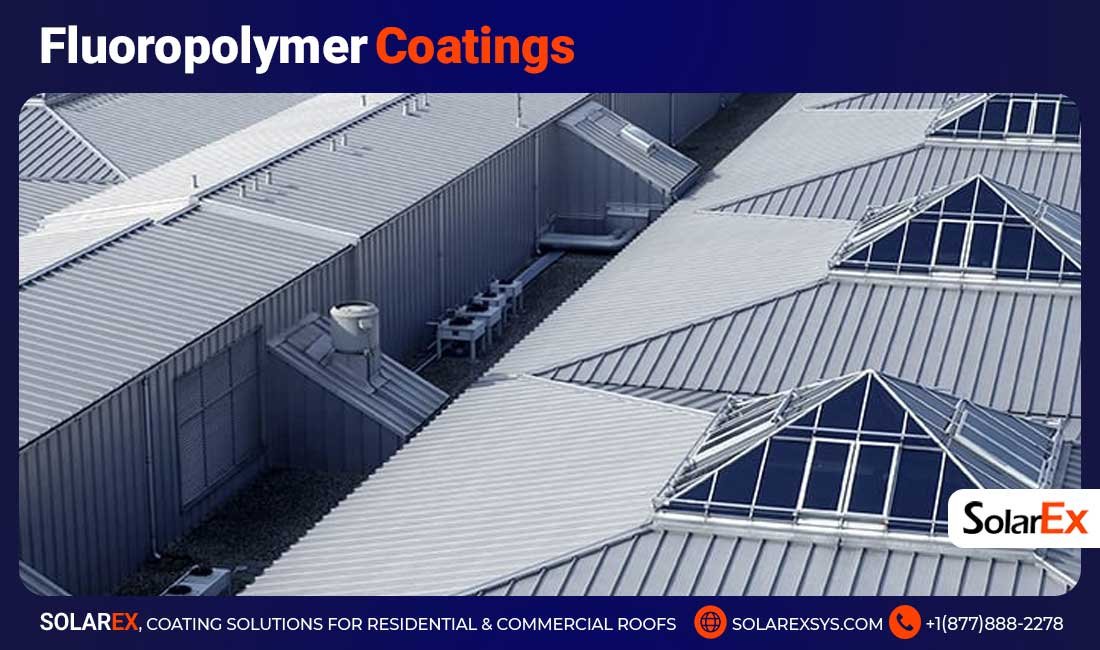
Fluoropolymer coatings are known for their exceptional resistance to weathering, fading and surface degradation. These coatings are commonly used on architectural metal panels where maintaining appearance and long-term color stability is a priority.
Unlike many restoration coatings that mainly focus on waterproofing, fluoropolymer systems are often selected when both protection and visual performance are required. Their strong resistance to UV exposure, pollutants and environmental wear makes them suitable for premium metal roofing applications.
When comparing the best paint for metal roof options, fluoropolymer coatings can be a strong choice for projects where appearance retention and long-term durability are more important than simple restoration. However, they may not always be the most practical option for roofs where maximum waterproofing against standing water is the primary concern.
|
Category |
Details |
|
Features |
• Provides excellent resistance against UV exposure and weathering • Helps maintain color and surface appearance for longer periods • Offers strong resistance against fading and chalking • Available in high-performance architectural coating systems |
|
Applications |
• Architectural metal roofing projects • Commercial buildings where appearance matters • Premium metal panel systems • Projects requiring long-term color retention |
|
Advantages |
• Excellent resistance against sunlight and environmental damage • Maintains appearance better than many conventional coatings • Suitable for demanding architectural applications • Provides long-lasting surface protection |
|
Disadvantages |
• Higher cost compared with standard roof coatings • Not always the best choice for leak restoration projects • Application requirements can be more specialized • Product selection depends heavily on the existing metal surface |
Why Silicone Roof Coating Is the Best Choice for Many Metal Roofs?
When comparing different options for a roof coating for metal roofs, silicone stands out because it addresses one of the biggest challenges of metal roofing: moisture exposure. Metal panels naturally expand and contract with temperature changes, and a coating that becomes brittle over time may lose its protective ability. Silicone remains flexible while creating a waterproof barrier that helps protect the roof from rain, humidity and long-term weather exposure.
Another reason silicone is often selected as the best waterproof coating for metal roof applications is its ability to perform in areas where water may remain on the surface after rainfall. While other coatings can be effective under the right conditions, silicone is particularly suitable for projects where reliable moisture resistance is a major priority. Choosing the right system still depends on the roof condition, installation quality and the specific environment where the building is located.
Choosing the right coating system, such as a cool roof coating, reflective roof coating or industrial roof coating, can help improve metal roof performance by reducing heat exposure, protecting the surface and extending the roof’s service life.
Why Choose SolarEx for Silicone Roof Coating Solutions?
At SolarEx, we understand that choosing a roof coating is not only about applying a protective layer on the surface. A successful coating project requires selecting the right material, preparing the roof correctly and using a system that matches the building’s conditions. Our silicone roof coating solutions are designed for metal roofs that need reliable protection against moisture, UV exposure and long-term weather changes.
We help property owners, contractors and businesses find suitable coating solutions based on their roof condition and project requirements. By focusing on quality materials and proper application methods, we aim to improve roof performance and reduce future maintenance concerns.
Choosing SolarEx for silicone roof coating solutions provides several advantages:
- Professional evaluation of metal roof conditions before recommending a coating system
- Silicone coating solutions designed to improve waterproofing performance and protect against weather exposure
- Support in selecting the right coating approach based on roof type, climate and project needs
- Focus on proper surface preparation to improve coating adhesion and durability
- Solutions suitable for residential, commercial and industrial metal roofing projects
- Guidance throughout the coating process to help achieve better long-term results
If you are looking for a reliable solution to protect your metal roof and improve its resistance against moisture and environmental factors, contact SolarEx today. Our team is ready to help you choose the right silicone roof coating system for your project.
SolarEx
- Address: 700 Allston Way Berkeley, CA 94710, USA
- Phone: +1 (877) 888-2278
- Email: info@solarexsys.com
Conclusion: How Can We Choose the best roof coating for metal roof Option That Fits Our Needs?
Choosing the right coating for a metal roof depends on understanding the roof’s condition, environmental exposure and the level of protection required. Different coating systems can provide specific benefits, but the right choice should be based on factors such as moisture resistance, flexibility, UV protection and long-term performance. Silicone coatings are often a preferred solution for many metal roofs because they offer strong waterproofing and can handle challenging weather conditions. By selecting a suitable coating system and applying it correctly, we can improve roof durability, reduce maintenance needs and protect the building for years to come.
Frequently Asked Questions About Best Roof Coating for Metal Roof
What should we consider when choosing the best roof coating for metal roof?
We should look at several factors before choosing a coating, including the roof’s current condition, local weather, exposure to sunlight, drainage and the level of protection we need. A coating that works well for a dry climate may not be the right choice for a roof exposed to heavy rain or standing water.
Can we use any roof coating on a metal roof?
No, not every coating works well for every metal roof. We need to check the compatibility between the coating and the existing roof surface before application. Proper surface preparation and choosing the right coating system help improve adhesion, durability and long-term performance.
Why do many property owners choose silicone coating for metal roofs?
Many property owners choose silicone coating because it provides strong waterproofing, flexibility and resistance against UV exposure. It can perform well in areas where roofs may experience heavy moisture or occasional standing water, making it a suitable option for many metal roofing projects.