
Choosing a roof coating is not always straightforward. An elastomeric coating may help protect your existing roof, improve energy efficiency, and delay the need for replacement, but it also comes with limitations that can affect its performance and long-term value. Understanding the elastomeric roof coating pros and cons is essential before deciding whether this solution fits your building, roof material, and maintenance needs. So, is it a worthwhile investment for your property? Explore the key factors with SolarEx to make a more informed roofing decision.
What Is Elastomeric Roof Coating?
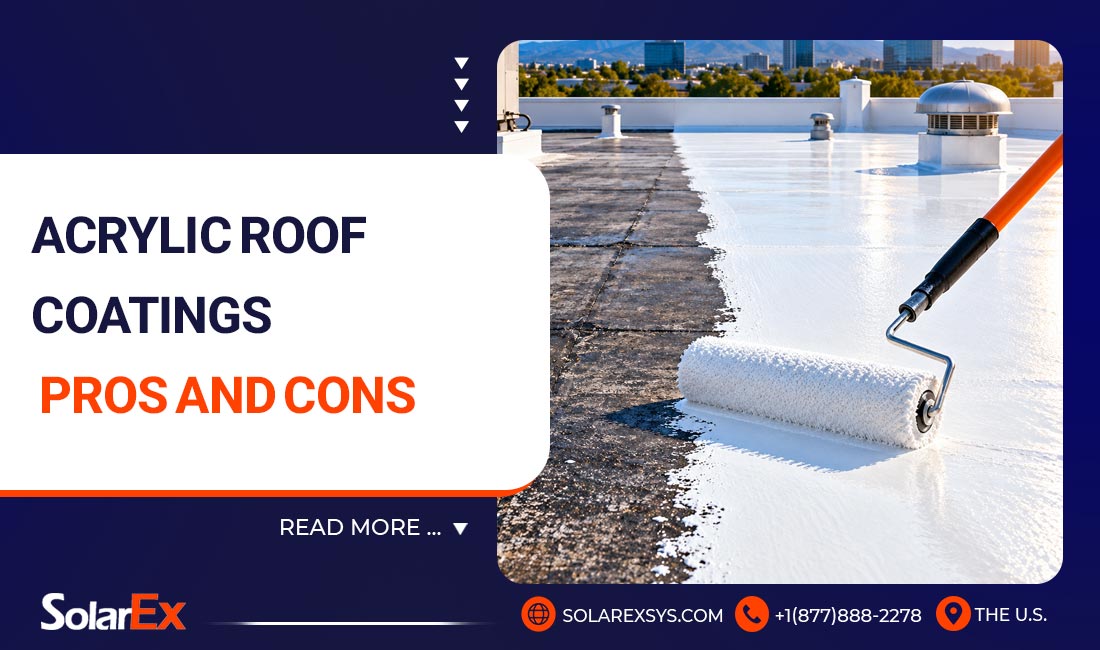
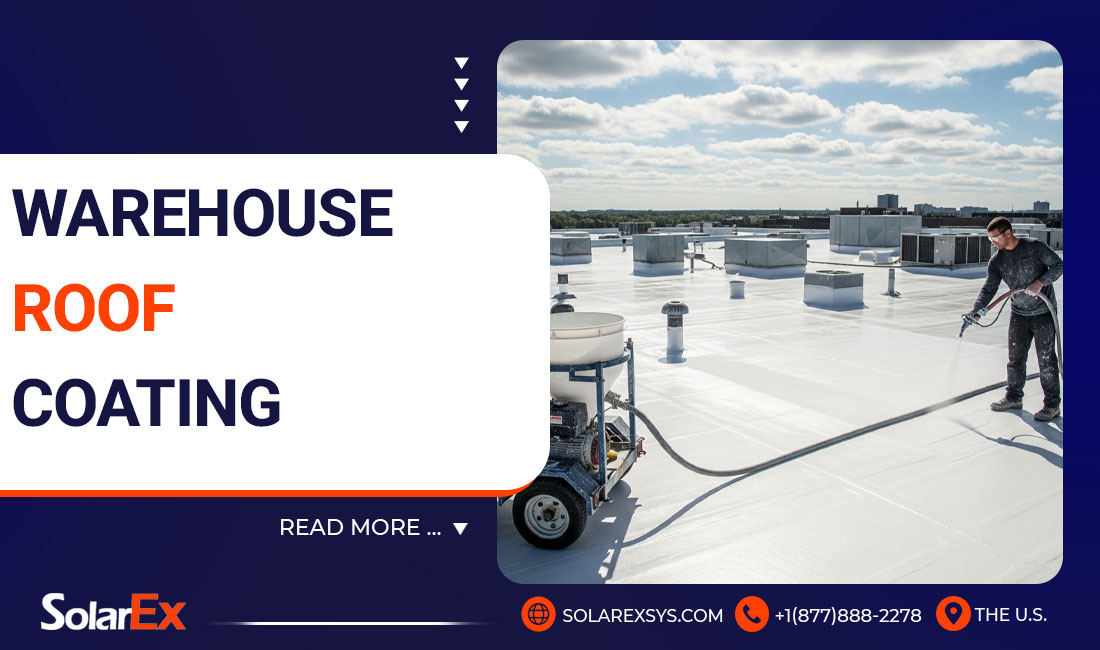
An elastomeric roof coating is a liquid-applied protective material that cures into a continuous, flexible membrane over an existing roof. It can be applied using a roller or spray, allowing the material to follow roof contours and cover seams, fasteners, and other details that require careful sealing. Once cured, the membrane can stretch as the roof expands in warm weather and contract as it cools, then recover without losing its protective continuity.
So, what is elastomeric roof coating in practical terms? It is a roof-restoration layer designed to protect a suitable existing surface from moisture, sunlight, and everyday weather exposure. It is not a substitute for repairing structural damage or replacing a roof that has reached the end of its serviceable life.
Elastomeric roof coatings use different chemical formulations, including acrylic, silicone, and polyurethane-based systems. Although these coatings share the ability to stretch and recover after curing, they differ in solar reflectivity, water resistance, and tolerance for prolonged ponding. Before selecting a system, confirm that its formulation is compatible with your roof material and that damaged areas and drainage issues have been addressed. For a closer look at these systems, explore our guide to elastomeric roof coating.
Advantages of Elastomeric Roof Coating
Elastomeric roof coatings offer more than a fresh protective layer. When the existing roof is in suitable condition and the right product is selected, they can help protect the surface, reduce exposure to harsh weather, and postpone the need for a costly replacement. The advantages of elastomeric paint are particularly relevant for commercial buildings where maintaining the roof without a full tear-off can make a practical difference.
Helps Extend the Roof’s Service Life
Sunlight, rain, wind, and temperature changes gradually wear down exposed roofing materials. An elastomeric coating adds a protective layer that limits direct exposure to these elements. Its flexibility also allows it to accommodate some normal roof movement, helping reduce the risk of cracks forming as the surface expands and contracts. By protecting a roof that is still structurally sound, the system may extend its usable life and delay replacement. The actual result depends on the roof’s condition, coating type, and maintenance.
Creates a Continuous Barrier Against Moisture
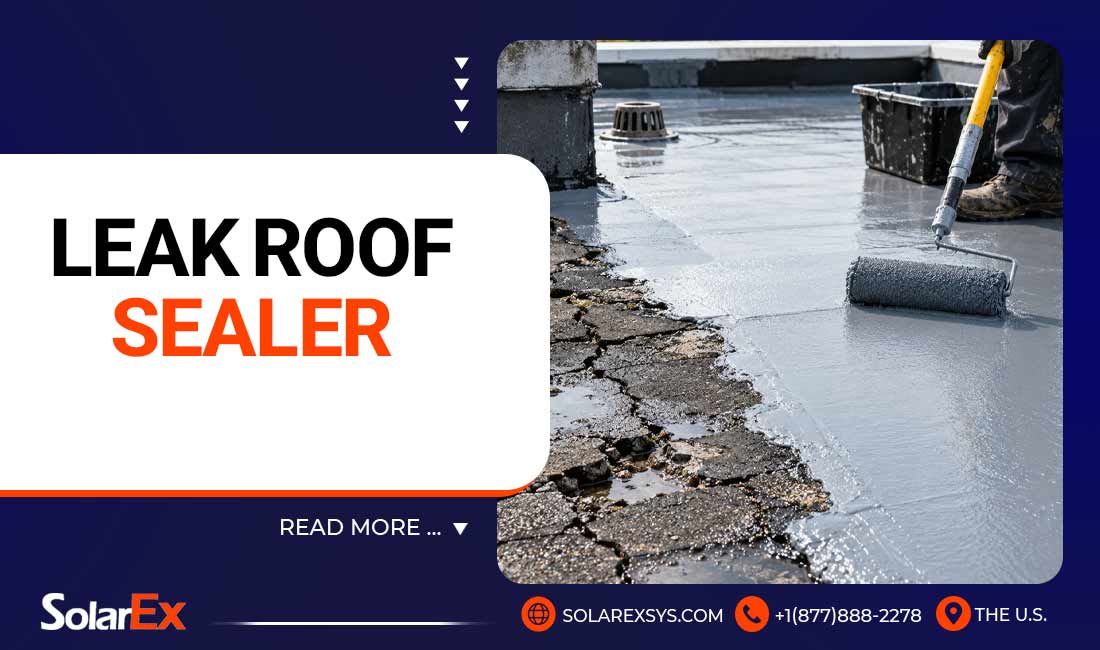
Because the coating is applied as a liquid, it can form a continuous layer across the roof and around details such as seams and fasteners. Once cured, this membrane helps limit water penetration and protects vulnerable areas from weather exposure. Some formulations can also bridge minor cracks when the product is specifically designed for crack-bridging and applied at the required thickness. These are important benefits of elastomeric roof coating, particularly for roofs with aging seams or small areas that need additional protection. However, unresolved leaks and significant roof damage still require proper repairs.
Reflects Solar Heat and May Reduce Cooling Demand
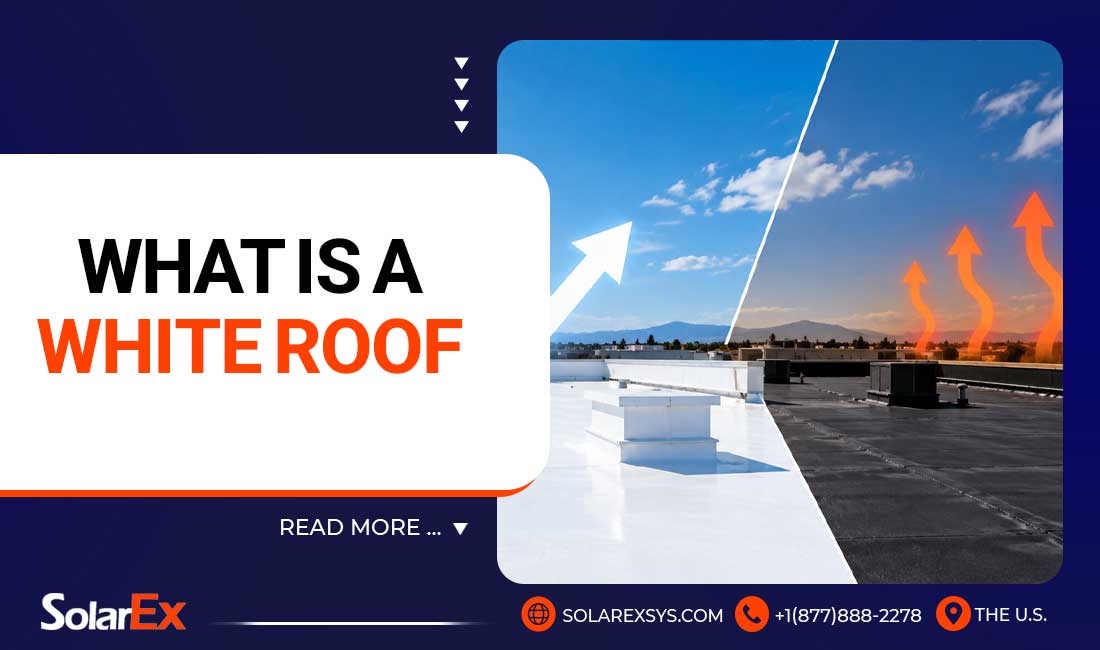
Many elastomeric coatings are available in light or white finishes that reflect a portion of the sun’s radiation. With less solar heat absorbed by the roof, the building may stay cooler during hot weather, potentially reducing the workload on its air-conditioning system. This can contribute to lower cooling costs, particularly on buildings with large, exposed roof areas. The outcome depends on the coating’s reflectivity, local climate, insulation, and overall building design.
Can Cost Less Than a Full Roof Replacement
If the existing roof is still suitable for restoration, applying a coating may cost less than removing and replacing the entire roofing system. The process can also avoid some of the labor, material handling, and disposal involved in a full replacement. This makes roof coating worth considering when the goal is to protect a serviceable roof rather than rebuild it. A professional inspection is still essential to confirm that restoration is appropriate and that the expected savings are realistic.
Disadvantages of Elastomeric Roof Coating
Elastomeric coatings can be a practical restoration option, but they are not suitable for every roof or project. Understanding the disadvantages of elastomeric paint can help you avoid poor adhesion, early coating failure, and unexpected repair costs. Most limitations relate to roof condition, application requirements, and installer experience.
The Initial Cost Can Be Higher Than Regular Paint
Elastomeric coatings need more preparation and a more controlled application than ordinary exterior paint. The product may also cost more, with professional labor adding to the initial expense. Although coating a suitable roof may cost less than replacing it, it is not automatically the cheapest option. The total depends on roof size, surface condition, coating type, repairs, and required thickness.
Application Depends on Suitable Weather Conditions
Weather affects application and curing. Some water-based coatings are sensitive to low temperatures, while rain, high humidity, or morning dew can interfere with drying and adhesion. Trapped moisture may cause bubbling or blistering. Installers must follow the manufacturer’s temperature and weather requirements and choose an appropriate application window. Work may need to be postponed when conditions are unsuitable.
Spray Application Can Cause Overspray
During spray application, wind can carry droplets onto nearby vehicles, windows, walls, landscaping, or neighboring properties. This is known as overspray, and some coating materials are difficult to remove once they reach unintended surfaces. Contractors can reduce the risk by checking wind conditions, protecting nearby areas, using containment measures, or choosing a roller when practical.
Not Every Roof Is Compatible With Every Coating
A coating must suit the existing roofing material and its condition. Some surfaces need a specific primer or extra preparation for reliable adhesion. Roofs with loose materials, extensive deterioration, trapped moisture, or structural problems may need repairs before coating. Using an incompatible product can lead to peeling, blistering, or separation from the roof.
Poor Preparation or Installation Can Shorten Performance
The roof must be clean, dry, and properly repaired before application. Installers also need to follow the manufacturer’s specified thickness and coverage rate. A layer that is too thin may not provide enough protection, while uneven or excessive application can cause curing problems. Choosing an experienced contractor and confirming the installation specifications are essential.
It Cannot Replace Major Roof Repairs
Elastomeric coatings may bridge minor cracks or protect vulnerable seams when designed for that purpose. They cannot restore a roof with large openings, extensive structural damage, or widespread deterioration. Covering these problems without repairing them leaves the underlying defects in place and may allow moisture damage to continue. A thorough inspection should come before any decision to apply a coating.
Elastomeric Roof Coating Pros and Cons
Understanding the elastomeric roof coating pros and cons makes it easier to decide whether this system fits your building and long-term maintenance plans. The pros and cons of elastomeric roof coating depend largely on the product formulation, roof condition, and installation quality. While the elastomeric roof coating advantages and disadvantages may differ between systems, the following comparison highlights the most important factors to consider before making a decision:
| Factor | Advantages | Disadvantages |
|---|---|---|
| Initial Cost | Can cost less than a complete roof replacement when the existing roof is suitable for restoration. | Material, preparation, and professional installation can require a considerable upfront investment. |
| Flexibility | Accommodates normal roof movement and can bridge minor cracks when the product is rated for crack-bridging. | Cannot repair structural damage or large cracks without additional work. |
| Water Protection | Creates a continuous protective layer that helps limit water penetration. | Resistance to standing water varies by formulation; many standard acrylic coatings are unsuitable for prolonged ponding. |
| Energy Efficiency | Reflective finishes can reduce roof temperatures and cooling demand in suitable climates. | Energy savings depend on reflectivity, insulation, climate, and building conditions. |
| Roof Compatibility | Can be applied to several existing roofing systems when properly specified. | Requires compatible surfaces, suitable preparation, and sometimes a specialized primer. |
| Maintenance | Allows suitable roofs to be restored without complete tear-off and may support future recoating. | Periodic inspections and maintenance are necessary, and some formulations have limited recoating compatibility. |
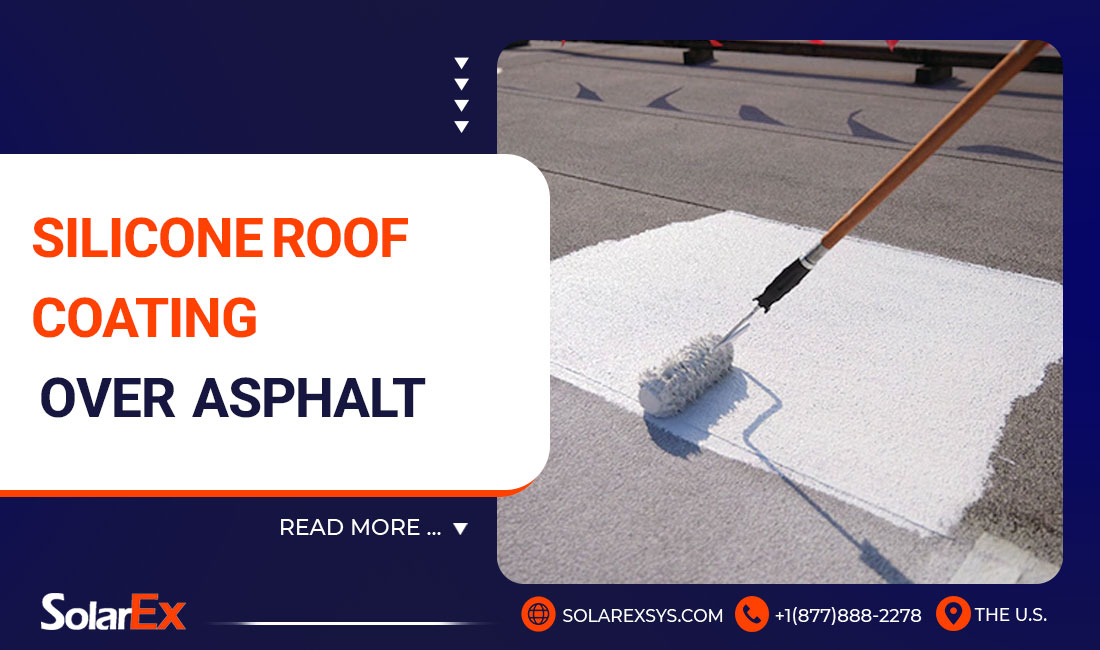
These elastomeric roof coating benefits and drawbacks show why product selection matters as much as the coating itself. For example, silicone coatings are commonly considered for roofs exposed to prolonged ponding water, while standard acrylic systems are generally better suited to roofs with effective drainage. Some specially formulated acrylic products may also tolerate ponding water. You can explore our guide to silicone roof coating vs elastomeric to understand the differences before choosing a solution.
Is Elastomeric Roof Coating Right for Your Roof?
Choosing the right roof coating depends on your building’s condition, energy goals, and long-term maintenance needs. At SolarEx, we provide high-performance roof coating solutions designed to reduce heat absorption, improve energy efficiency, and protect commercial buildings. By combining advanced coating technology with solar expertise, we help businesses manage cooling costs and maintain better roof performance over time.
Our silicone roof coating solutions are designed to deliver durability, UV resistance, and energy efficiency. SolarEx focuses on helping property owners protect existing roofing systems while creating more energy-efficient commercial spaces.
Why Choose SolarEx?
Our roof coating solutions offer several advantages for commercial property owners:
- Reduced Cooling Costs: Reflective coatings help lower roof temperatures and reduce cooling demand.
- Eco-Friendly and Low-VOC Solutions: Our products are designed with low-VOC materials to support safer and more sustainable applications.
- Long-Term Durability: Our coating systems are designed to withstand UV exposure, harsh weather, and everyday environmental stress.
- Solar Panel Compatibility: Our solutions are designed to work alongside solar panel systems while helping maintain cooler roof surfaces.
Contact SolarEx for a Roof Coating Consultation
Not sure which coating system suits your building? Our team can help you evaluate your roofing requirements and identify a suitable solution. Contact SolarEx to discuss your project and learn more about our commercial roof coating services.
- Address: 700 Allston Way, Berkeley, CA 94710, USA
- Phone: +1 (877) 888-2278
- Email: info@solarexsys.com
Conclusion; Is Elastomeric Roof Coating the Right Solution for Your Roof?
Choosing the right roofing solution requires more than comparing upfront costs or focusing on individual product features. The elastomeric roof coating pros and cons should be evaluated in relation to your roof’s current condition, drainage, material compatibility, and long-term maintenance requirements. A suitable coating system can help protect an existing roof and improve its performance, but only when the surface is properly prepared and the product matches the building’s needs. Before making a decision, consider a professional roof assessment to avoid investing in a system that may not address the underlying problems. At SolarEx, we help commercial property owners explore suitable coating solutions and make informed decisions about protecting their roofing systems.
FAQs elastomeric roof coating pros and cons
Can We Apply Elastomeric Roof Coating Over an Existing Roof?
Yes, we can often apply an elastomeric coating over an existing roof without removing the entire roofing system. However, we first need to check the roof’s condition, clean and dry the surface, repair damaged areas, and confirm that the coating will properly adhere to the existing material. Some surfaces may also require a primer.
How Long Can We Expect an Elastomeric Roof Coating to Last?
The lifespan depends on the coating type, application quality, weather exposure, and regular maintenance. We shouldn’t rely on one fixed lifespan for every project. Following the manufacturer’s recommendations, inspecting the roof periodically, and applying maintenance coats when needed can help us extend the coating’s service life.
Can Elastomeric Roof Coating Stop Leaks and Handle Standing Water?
Elastomeric coatings can help bridge minor cracks and protect vulnerable seams, but we shouldn’t use them as a substitute for repairing major leaks or structural damage. We also need to consider the coating type because not every formulation can withstand prolonged standing water. Silicone coatings are commonly selected for these conditions, while some specially formulated acrylic products may also offer ponding-water resistance. We should always check the manufacturer’s technical data sheet before choosing a system.