
When planning a roof replacement or inspecting an aging roof, understanding the materials covering your home can help you avoid costly decisions. But what is a shingle, how does it protect your property, and which type offers the right balance of durability, appearance, and cost? From traditional asphalt shingles to metal, slate, and modern composite options, each material has its own advantages and limitations. Knowing what to look for also helps you recognise signs of roof deterioration and decide whether repair, replacement, or a protective coating is the better option. For a complete understanding and practical guidance on choosing and maintaining roof shingles, stay with us at SolarEx.
What Is a Roofing Shingle?
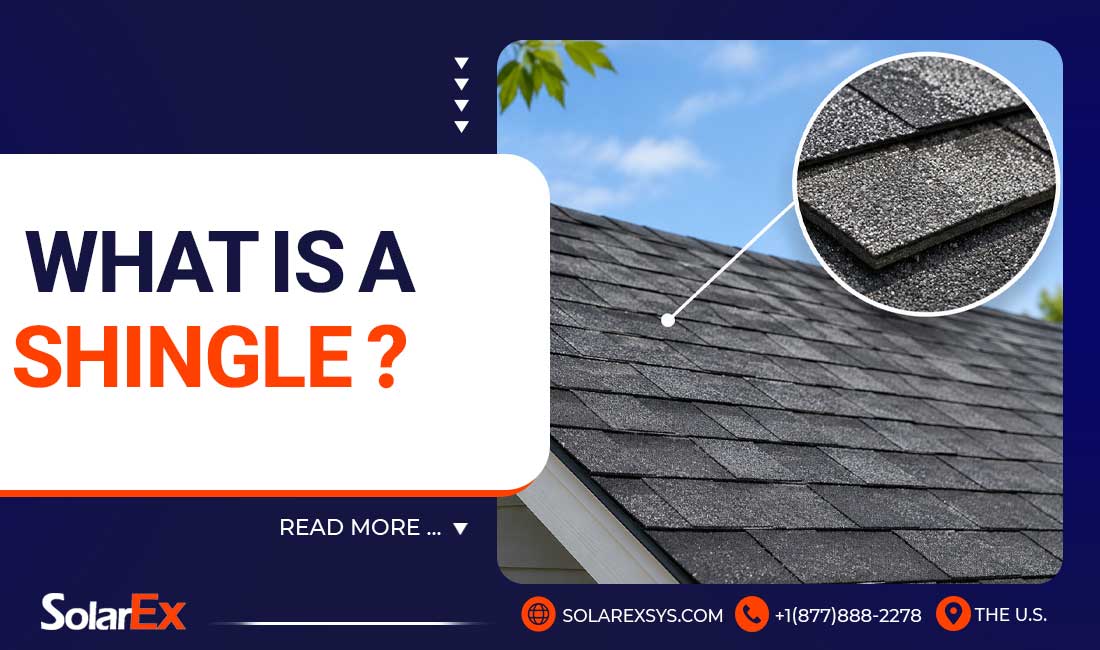
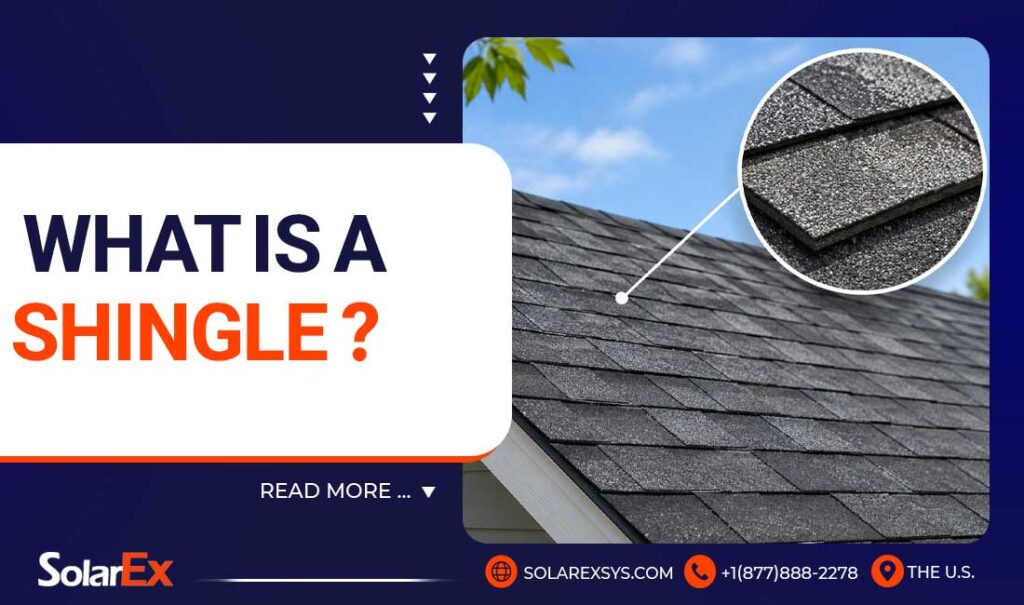
A roofing shingle is an individual piece of material installed in overlapping rows to create a protective outer layer on a roof. Its main purpose is to shield your home from rain, wind, sunlight, and other weather conditions while directing water away from the roof structure.
Asphalt shingles are among the most widely used options because they offer a practical combination of affordability, durability, and design flexibility. However, roofing shingles are also available in materials such as wood, metal, and slate, each with different performance characteristics and maintenance requirements.
So, what is a shingle on a roof in practical terms? It is one of the overlapping components that work together to form a complete roofing system. Each shingle helps protect the layers beneath it while contributing to the roof’s overall appearance.
Understanding what is a shingle on a house can also help you make better decisions when choosing roofing materials, planning maintenance, or considering protective treatments for an aging roof.
According to GAF:
“A shingle is a small piece of roofing material designed to be installed in overlapping rows or courses.”
At SolarEx, we believe understanding this simple structure is essential when choosing the right roofing material. The overlapping design helps direct rainwater away from the roof, while the material itself determines how well the surface withstands sunlight, moisture, and changing weather conditions. Choosing suitable shingles and maintaining their protective surface can make a meaningful difference in the long-term performance of your roof.
What Are Roof Shingles Made Of?
Roof shingles are manufactured from different materials, depending on the level of protection, appearance, and durability required. Asphalt shingles are among the most common options, but wood, metal, slate, and composite materials are also used in residential roofing.
1. Asphalt Shingles
Most modern asphalt shingles consist of three main components that work together to protect your roof:
- Fiberglass Mat: This reinforcing layer forms the structural base of the shingle. It provides strength, helps maintain its shape, and reduces the risk of tearing.
- Asphalt: Applied to the fiberglass mat, asphalt provides water resistance and helps protect the roof against moisture penetration.
- Mineral Granules: These small, ceramic-coated particles cover the outer surface. They give shingles their color and help protect the asphalt from ultraviolet (UV) radiation and weather exposure.
The combination of these materials makes asphalt shingles a practical choice for homeowners looking for reliable roof protection.
2. Other Common Roofing Shingle Materials
Besides asphalt, several other materials are used to manufacture roofing shingles:
- Wood: Usually made from cedar or other suitable timber, wood shingles offer a natural appearance and distinctive texture. They require regular maintenance to protect against moisture, decay, and insects.
- Metal: Metal shingles are commonly manufactured from steel, aluminum, or copper. They are lightweight, durable, and available in designs that resemble traditional roofing materials.
- Slate: Made from natural stone, slate shingles have a distinctive appearance and can last for decades when properly installed. However, their weight and higher installation costs require careful consideration.
- Composite: These shingles combine materials such as recycled plastics, rubber, and other synthetic components. They can replicate the appearance of wood or slate while offering different levels of durability and maintenance requirements.
Your choice of shingle material should reflect your local climate, roof structure, budget, and preferred architectural style. Understanding what is a shingle made of helps you compare these options and select a roofing material that meets your home’s needs.
How Do Roofing Shingles Work?
A shingle roof works through a layered structure in which each component contributes to protecting your home from moisture and weather damage. The shingles form the outer protective surface, while the layers underneath provide additional support and protection.Here is how the system works:
- Roof Decking: The roof deck, usually made from plywood or oriented strand board (OSB), provides the structural base where the roofing materials are installed.
- Underlayment: A layer of roofing felt or synthetic waterproof membrane is placed over the decking. It acts as a secondary barrier against moisture that may pass beneath the shingles.
- Overlapping Shingles: Shingles are installed in horizontal rows, starting from the lower edge of the roof and moving upward. Each row overlaps the one below it, covering exposed joints and helping direct rainwater toward the gutters.
- Fasteners: Roofing nails or other approved fasteners hold the shingles in place. Their placement is important because the overlapping upper row helps protect the fastening points of the row beneath.
- Roof Ventilation: Proper airflow through the eaves and ridge helps release trapped heat and moisture from the attic, reducing the risk of condensation and damage to the roof structure.
The overlapping arrangement is the key to understanding the shingles roof meaning. Rather than relying on one continuous sheet, multiple individual pieces work together to create a weather-resistant roofing surface.When these components are correctly selected and installed, they help protect your property against rain, wind, and everyday weather exposure.
Types of Roofing Shingles
Roof shingles come in several materials, each offering different levels of durability, weather resistance, appearance, and cost. Some are designed for affordability, while others focus on long-term performance or energy efficiency.
Understanding what is a shingle in terms of material and construction makes it easier to compare your options and choose a roof covering that suits your property.
Below are seven common roofing options, along with their expected lifespan, durability, advantages, and limitations.
1. Bitumen (Asphalt) Roof Shingles
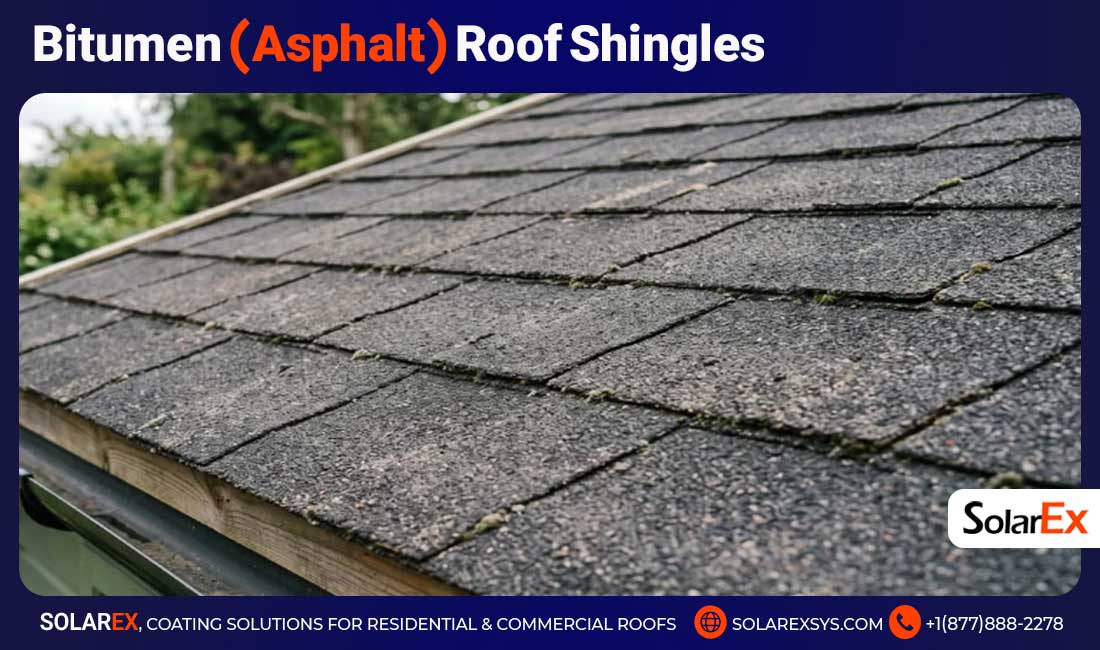
- Lifespan: Approximately 15–20 years. Architectural asphalt shingles may last longer.
- Durability: Moderate. They provide good everyday weather protection but can lose granules or suffer damage under strong winds and prolonged exposure.
Bitumen shingles, also known as asphalt shingles, are manufactured using a reinforcing mat coated with asphalt and finished with protective mineral granules. They are widely used in residential roofing, sheds, garages, and garden buildings because of their relatively low cost and straightforward installation.
Their lightweight construction also makes them suitable for many roof structures without requiring significant additional support. However, their lifespan is generally shorter than metal or natural slate alternatives.
|
Advantages |
Disadvantages |
| Affordable initial installation cost |
Shorter lifespan than many alternative materials |
|
Relatively easy and quick to install |
Can lose protective granules over time |
| Available in various colours and finishes |
More vulnerable to wind damage |
|
Lightweight and easy to handle |
Petroleum-based materials have environmental drawbacks |
2. Metal Roof Shingles
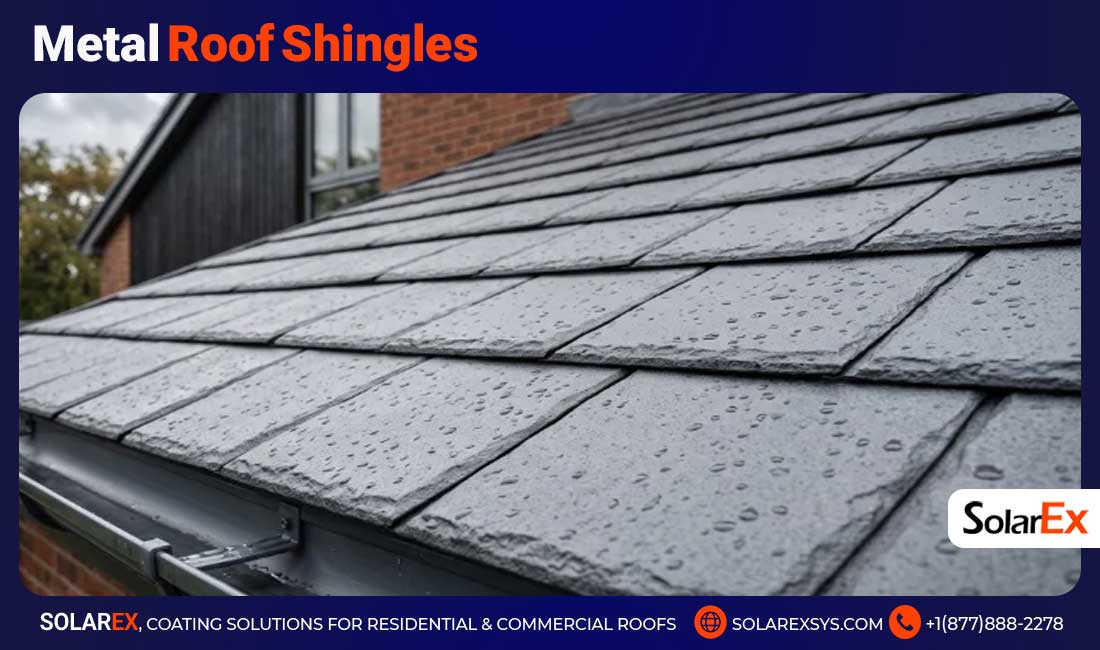
- Lifespan: Typically 50–75 years, depending on the metal and protective coating.
- Durability: High. Metal shingles resist fire, rot, insects, and many forms of weather-related damage.
Metal roof shingles are manufactured from materials such as steel, aluminium, and zinc. They are pressed or shaped into individual panels that can resemble traditional slate, wood shakes, or roofing tiles.
If you want a roof that combines a distinctive appearance with long-term performance, metal shingles are worth considering. Their relatively low weight also makes them suitable for many renovation projects without extensive structural modifications.
|
Advantages |
Disadvantages |
| Long service life |
Higher initial cost than asphalt shingles |
|
Resistant to fire, rot, and insects |
Can produce noise during heavy rain or hail |
| Lightweight construction |
May dent from hail or falling branches |
|
Requires relatively little maintenance |
Some finishes may have limited colour options |
3. Clay and Concrete Roof Tiles
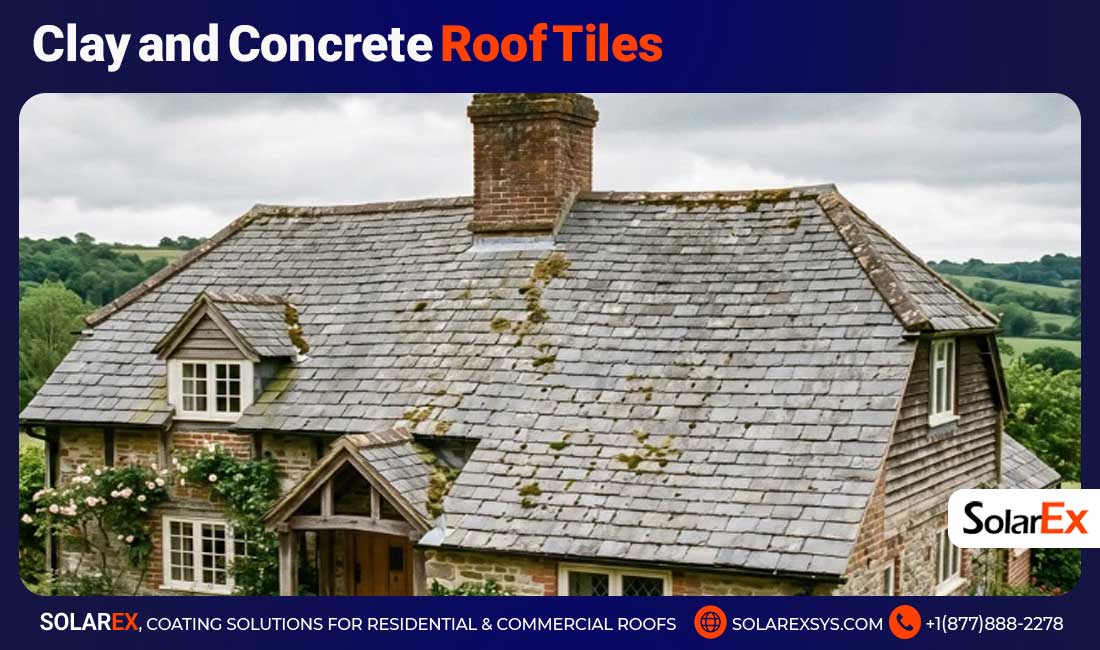
- Lifespan: Approximately 50–60 years for concrete and 60–100+ years for clay.
- Durability: High. Both materials offer strong resistance to weather exposure, although individual tiles can crack under impact.
Clay and concrete are technically roofing tiles rather than shingles, but they are often included in comparisons of overlapping roof coverings.
Clay tiles are produced by firing natural clay at high temperatures, creating a hard, durable roofing material. Concrete tiles are moulded from a cement-based mixture and cured to achieve their final strength.
Clay is particularly valued for retaining its colour over time, while concrete provides a more affordable alternative with a similar traditional appearance.
|
Advantages |
Disadvantages |
| Excellent durability and weather resistance |
Heavy weight requires adequate roof support |
|
Suitable for traditional architectural styles |
Concrete may fade over time |
| Clay generally retains its colour well |
Moss can accumulate on some surfaces |
|
Replacement tiles are widely available |
Individual tiles can crack under impact |
4. Solar Shingles
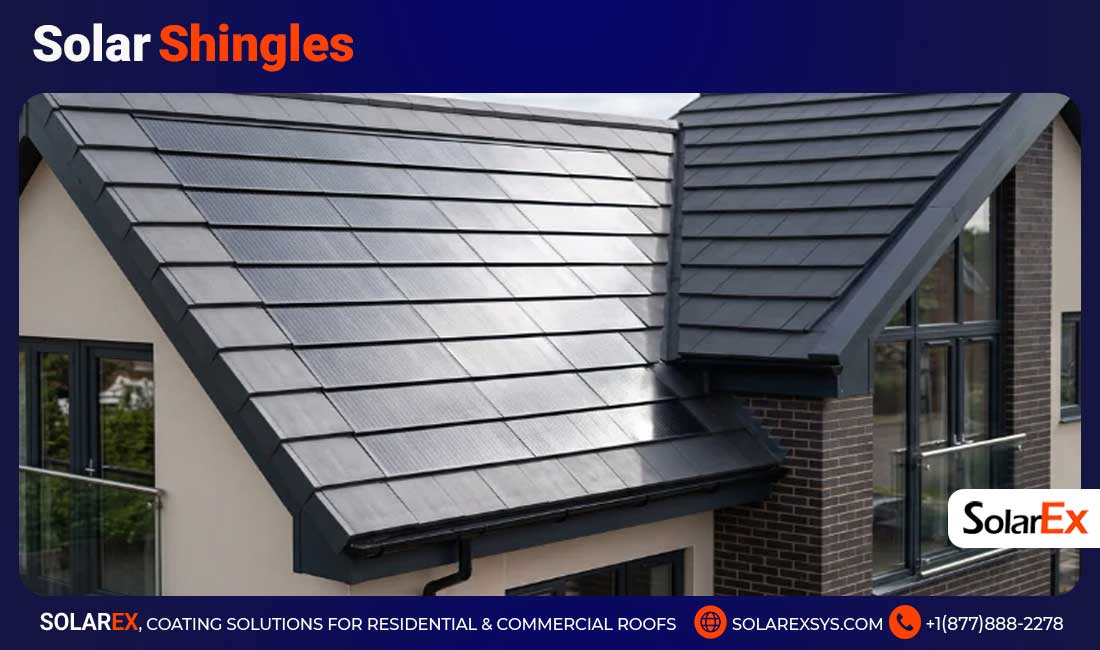
- Lifespan: Typically around 25–30 years, depending on the system and manufacturer.
- Durability: Varies by product. Solar shingles combine roofing protection with photovoltaic technology, but their performance depends on proper installation and maintenance.
Solar shingles are designed to perform two functions: covering the roof and generating electricity. Unlike conventional solar panels, which are installed above an existing roof covering, these systems integrate photovoltaic cells directly into the roofing material.
They provide a more streamlined appearance and can be an attractive option if you are planning a complete roof replacement alongside an investment in renewable energy.
However, their higher installation costs and more specialised repair requirements mean they are not suitable for every project.
|
Advantages |
Disadvantages |
| Generate electricity directly from the roof |
High initial installation cost |
|
Create a more integrated appearance than conventional solar panels |
Fewer specialised installers may be available |
| Can help reduce electricity bills |
Individual units can be more complicated to repair |
|
Combine roofing and energy generation |
Performance depends on roof orientation and shading |
5. Slate Roof Shingles
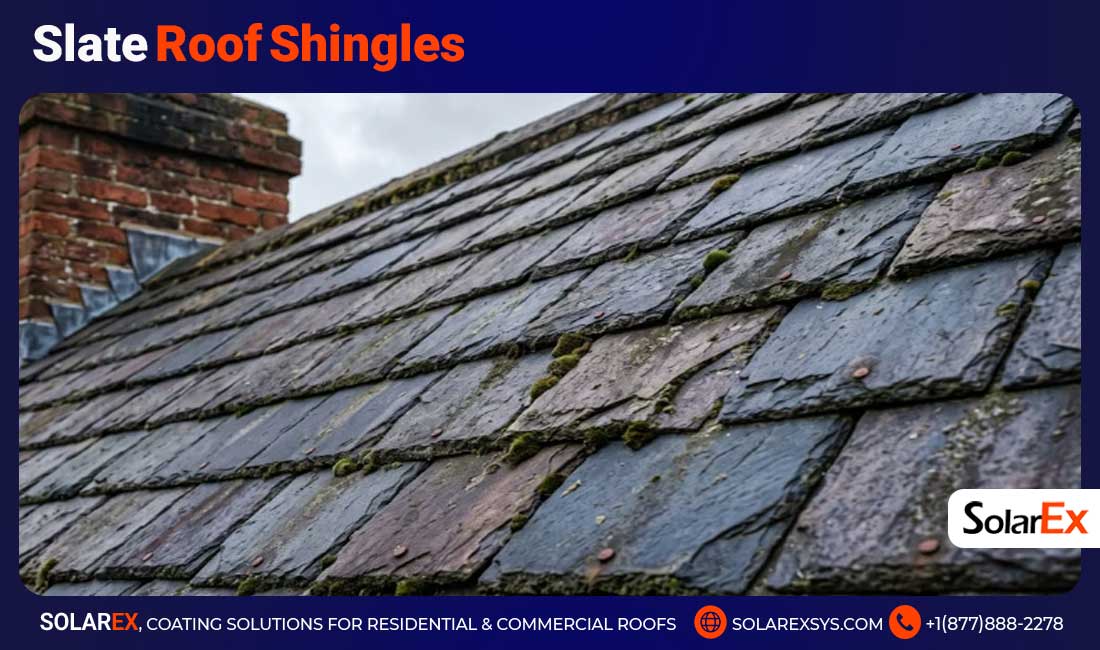
- Lifespan: Commonly 50–100 years or longer with suitable installation and maintenance.
- Durability: Very high. Natural slate offers excellent resistance to fire and weather exposure, although individual pieces can crack if struck.
Slate shingles are made from natural stone and are often selected for properties where appearance and long-term performance are equally important.
Each piece is installed individually, creating a distinctive layered surface with natural variations in colour and texture. Slate is particularly suitable for traditional and heritage-style buildings, where its appearance complements the architectural design.
Its main limitations are its weight, installation cost, and the need for experienced roofers who understand natural slate installation.
|
Advantages |
Disadvantages |
| Exceptional longevity |
High initial purchase and installation cost |
|
Excellent weather and fire resistance |
Heavy material requiring adequate structural support |
| Natural appearance with distinctive textures |
Requires skilled installation |
|
Suitable for traditional and heritage properties |
Individual pieces can crack and need replacement |
6. Timber (Cedar) Roof Shingles
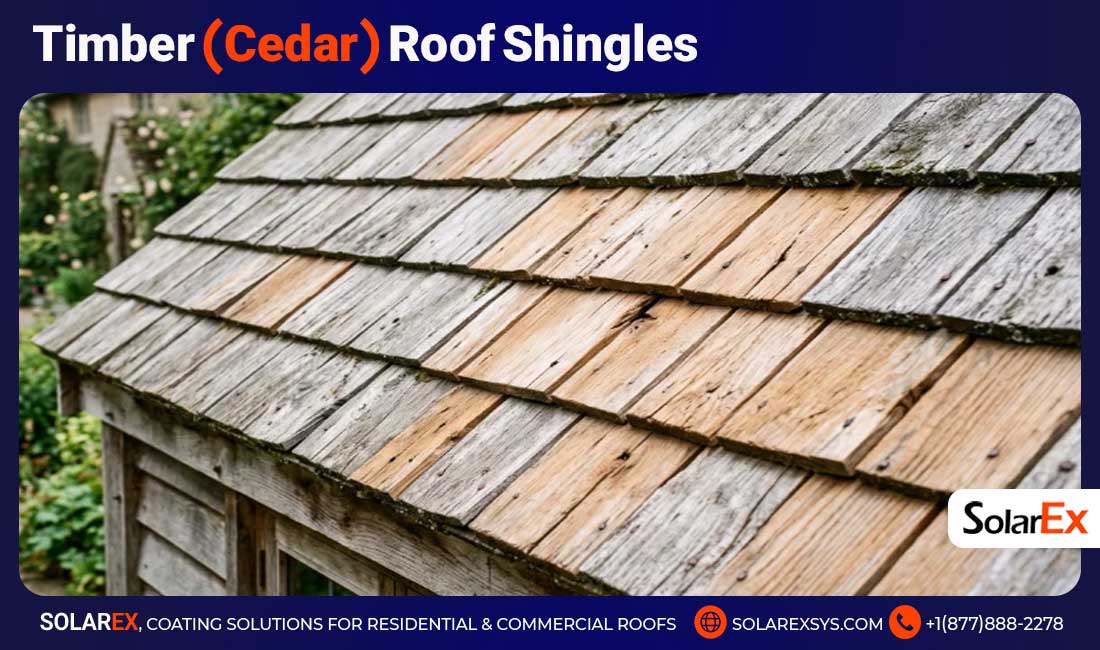
- Lifespan: Approximately 30–50 years with appropriate treatment and maintenance.
- Durability: Moderate to high, depending on timber quality, installation, ventilation, and protection against moisture.
Timber shingles, particularly those made from Western Red Cedar, provide a natural appearance that works well with cottages, garden buildings, and distinctive residential designs.
Cedar naturally contains compounds that help it resist certain forms of decay. Over time, untreated timber can develop a silver-grey appearance, which many homeowners appreciate.
However, wood is more sensitive to moisture and biological growth than metal or slate. Regular inspections and suitable maintenance are necessary to keep the roof in good condition. Fire protection requirements should also be considered before installation.
|
Advantages |
Disadvantages |
| Natural and distinctive appearance |
Requires regular maintenance |
|
Good thermal insulation properties |
Can be affected by moisture and biological growth |
| Can age into an attractive silver-grey colour |
Fire protection may be necessary |
|
Suitable for traditional and contemporary designs |
Generally more expensive than asphalt options |
7. Composite Roof Shingles
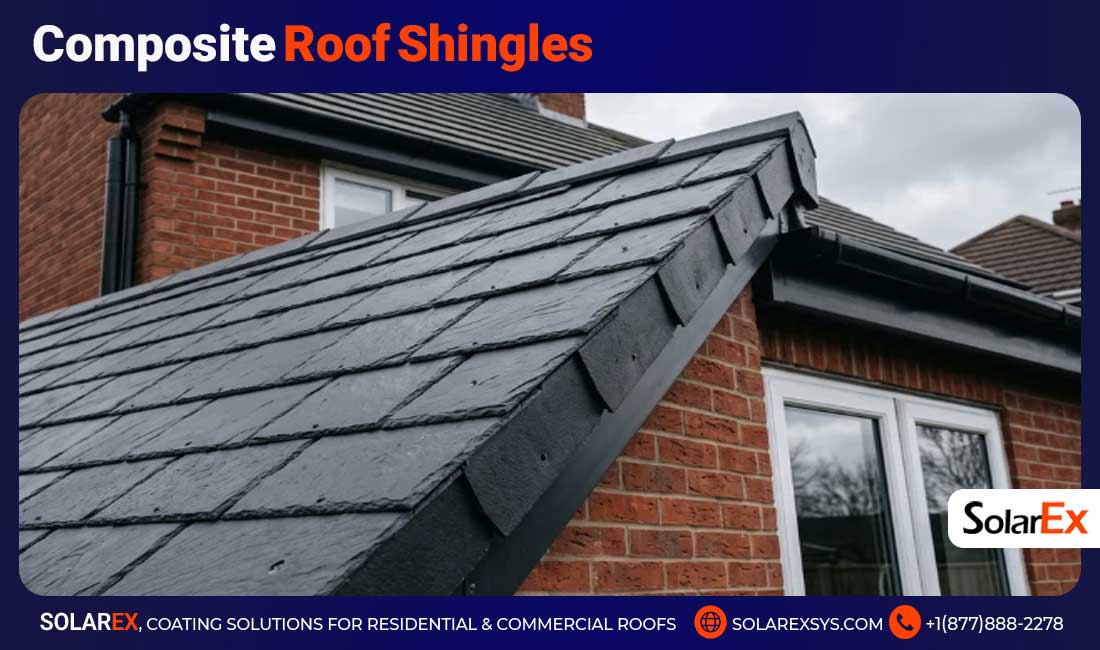
- Lifespan: Typically 20–30 years, although some products offer longer expected service lives.
- Durability: Moderate to high, depending on the materials, manufacturing quality, and UV protection.
Composite shingles, also called synthetic shingles, are manufactured using combinations of materials such as recycled rubber, plastics, and resins.
They are designed to reproduce the appearance of natural slate or timber without the same weight and installation requirements. This makes them an appealing alternative if you want a particular roofing style but prefer a lighter material.
Their performance varies considerably between manufacturers, so checking product specifications, warranties, and weather-resistance ratings is essential before making a purchase.
|
Advantages |
Disadvantages |
| Can replicate the appearance of slate or timber |
Generally shorter lifespan than natural slate |
|
Lighter than many natural roofing materials |
Quality varies between manufacturers |
| Consistent shapes and colours |
Some products may fade under prolonged UV exposure |
|
Relatively low maintenance requirements |
May have less resale appeal than natural materials |
When comparing these options, consider more than the initial purchase price. Roof structure, local weather conditions, expected maintenance, and the manufacturer’s warranty all influence how well a material will perform over time.
The best way to understand what is a shingle for your particular project is to compare its construction and performance with the conditions your roof will face
How to Choose the Right Roof Shingles for Your Home?
Choosing the right roof shingles involves more than finding a material that looks good. Your roof needs to handle local weather conditions, protect the underlying structure, and fit your budget. Before making a decision, consider these three important factors.
Consider Your Local Climate
Your local climate plays a major role in determining which roofing material will perform best. If your home is exposed to heavy rainfall, frequent storms, or strong winds, choose shingles designed to withstand these conditions.
For hotter regions, consider reflective roofing materials that reduce heat absorption and help maintain more comfortable indoor temperatures. In colder climates, look for shingles that can handle temperature fluctuations, snow, and freeze-thaw cycles without becoming brittle or damaged.
Check Wind, Impact, and Fire Resistance Ratings
Not all shingles offer the same level of protection against external damage. Before purchasing, check the product’s tested performance in the following areas:
- Wind Resistance: Look for shingles tested under standards such as ASTM D7158 or ASTM D3161, particularly if your property is located in an area exposed to strong winds.
- Impact Resistance: If hailstorms are common in your region, consider shingles tested under UL 2218. Class 4 represents the highest impact-resistance classification under this standard.
- Fire Resistance: Check the roof covering’s fire classification under UL 790 or ASTM E108. Class A provides the highest level of resistance to external fire exposure.
These ratings help you compare products, but they do not guarantee that a roof will remain damage-free. Proper installation and compliance with local building codes are equally important.
Compare Cost, Appearance, and Warranty
Once you have identified suitable materials for your climate, compare their overall value rather than focusing only on the initial purchase price.
Consider the following points:
- Installation Cost: Compare material prices, labour charges, and any additional structural work required.
- Appearance: Choose a colour, texture, and shingle style that complements your home’s architecture.
- Maintenance Requirements: Some materials, such as timber, require more frequent maintenance than metal or composite alternatives.
- Manufacturer’s Warranty: Review the coverage period, exclusions, wind-damage limitations, and conditions that may affect your warranty.
- Installer’s Warranty: Check whether the roofing contractor provides separate coverage for installation workmanship.
Remember that a longer warranty does not automatically mean better wind resistance or overall performance. When deciding what is a shingle material worth investing in, compare its tested specifications, expected service life, and total ownership cost.
Roof Shingle Maintenance Tips
Roof shingles are designed to withstand years of weather exposure, but regular maintenance helps preserve their condition and prevent avoidable damage. You do not need to inspect your roof every week. A few simple checks throughout the year can make a significant difference.
Here are some practical maintenance tips to help extend the service life of your roof:
- Clean Gutters and Downspouts: Remove leaves, dirt, and other debris at least twice a year. Blocked gutters can cause water to collect near the roof edges and increase the risk of moisture damage.
- Inspect Shingles After Strong Winds: Look for cracked, loose, displaced, or missing shingles, particularly after storms. Even a small damaged area can allow water to reach the underlying roof structure.
- Remove Moss and Algae: Moss and algae can retain moisture on roofing surfaces, especially on shaded slopes. Clean affected areas using products suitable for your specific shingle material to avoid damaging the protective surface.
- Trim Overhanging Tree Branches: Branches can scrape against shingles, drop leaves, and create shaded areas where moisture remains for longer. Keeping nearby trees properly trimmed helps reduce these problems.
- Schedule Professional Roof Inspections: Have a qualified roofing contractor inspect your roof periodically. Professional inspections can identify early signs of deterioration, damaged flashing, ventilation problems, and potential leaks before they become more expensive to repair.
- Avoid Walking Directly on Shingles: Unnecessary foot traffic can crack, dislodge, or damage roofing materials. Leave roof access and repairs to professionals with suitable safety equipment.
A consistent maintenance routine helps you get more value from your roofing investment. Understanding what is a shingle and how its protective layers work also makes it easier to recognise early signs of wear and choose appropriate maintenance methods.
Depending on your roofing material and its condition, protective solutions such as silicone roof coating and acrylic roof coating may be worth considering.
When Should Roof Shingles Be Replaced?
Roof shingles do not last forever, and knowing when to replace them can help you avoid expensive repairs and structural damage. Although the expected lifespan depends on the material, installation quality, and weather exposure, visible signs of deterioration can indicate that your roof needs attention before its expected service life ends.
Here are some common warning signs to watch for:
1. Cracked or Curling Shingles
Asphalt shingles can become brittle after years of exposure to sunlight, heat, and changing weather conditions. If you notice cracked surfaces, lifted edges, or curled corners, the shingles may no longer provide reliable protection against rain and wind.
2. Missing or Loose Shingles
Strong winds and severe storms can loosen or completely remove individual shingles. Missing pieces leave the underlying roofing layers more exposed to moisture. Although isolated damage may only require a local repair, widespread shingle loss can indicate that a full roof replacement is necessary.
3. Excessive Granule Loss
Mineral granules protect asphalt shingles against ultraviolet radiation and weather exposure. If you notice large amounts of granules collecting in your gutters or bare patches appearing on the roof, the protective surface may be deteriorating.
4. Recurring Roof Leaks
Water stains on ceilings, damp attic insulation, peeling paint, or visible moisture around roof openings can indicate a problem with the roofing system. Sometimes the issue can be resolved by repairing flashing or replacing a damaged section. However, recurring leaks across different areas may suggest more extensive deterioration.
5. Sagging or Uneven Roof Areas
A visibly sagging roofline or uneven roof surface should never be ignored. These problems may indicate damaged roof decking, prolonged moisture exposure, or structural issues beneath the shingles. Arrange a professional inspection promptly to identify the cause.
6. Reaching the Expected Lifespan
If your asphalt shingle roof is approaching the end of its expected service life, schedule an inspection even if there are no obvious leaks. Age alone does not automatically mean replacement is necessary, but older shingles are more likely to develop problems that require attention.
For suitable asphalt shingle roofs, specialized solutions such as shingle roof coating and waterproof roof coating may help provide additional surface protection.
How Much Do Roof Shingles Cost?
The cost of installing roof shingles depends on several factors, and the price of the shingles themselves is only part of the total expense. Roof size, material selection, installation complexity, and the condition of your existing roof can all affect your final budget.Before requesting a roofing estimate, consider the following factors:
- Type of Shingle Material: Asphalt shingles are generally more affordable than natural slate, metal, or solar shingles. Premium materials may cost more initially but can offer a longer service life.
- Roof Size: Larger roofs require more shingles, underlayment, fasteners, and installation time. Contractors usually calculate the total price based on the actual roof surface area rather than the building’s floor area.
- Roof Design and Slope: Steep roofs, multiple slopes, dormers, valleys, and complex architectural features require additional labour, safety equipment, and material cutting.
- Installation Labour: Labour costs vary depending on the contractor’s experience, local rates, project duration, and difficulty of installation.
- Removal of Existing Roofing: If old shingles need to be removed before installation, additional expenses may apply for labour, transportation, and waste disposal.
- Roof Decking and Underlayment Condition: Damaged plywood, deteriorated decking, or worn underlayment may need replacement before new shingles can be installed. These repairs increase the overall project cost.
- Additional Roofing Components: Flashing, ridge caps, starter strips, ventilation systems, and drainage components can add to the material and installation expenses.
- Material Quality and Warranty: Premium shingles with enhanced wind resistance, impact protection, or longer manufacturer warranties generally have higher purchase prices.
- Location and Accessibility: Regional labour rates, material availability, transportation expenses, roof height, and access to the property can influence the contractor’s estimate.
- Roof Preparation and Protective Treatments: Some projects require additional surface preparation or compatible protective products. If you are considering cool roof paint, check whether the selected formulation is suitable for your specific roofing material. For larger buildings, the requirements of a commercial roof coating system may also affect the project budget.
For an accurate estimate, ask your roofing contractor to separate material, labour, removal, repairs, and additional components in the quotation. This makes it easier to compare offers and understand exactly what you are paying for.
Keep in mind that the cheapest option is not always the most economical over time. When evaluating what is a shingle system worth investing in, consider its expected lifespan, maintenance requirements, and performance under your local weather conditions..
At SolarEx, we provide specialized roof coating solutions designed to protect and rejuvenate existing asphalt shingle roofs. Our ShinglEx 800 acrylic coating creates a protective film that helps retain mineral granules, resist mildew, and reduce UV-related aging. It offers a practical restoration option for suitable roofs that do not yet require complete replacement.
Why Choose SolarEx for Asphalt Shingle Roof Protection?
When your asphalt roof starts showing early signs of wear, choosing the right protective treatment can make a difference. SolarEx offers several advantages:
- Reduced Granule Loss: ShinglEx 800 helps secure loose mineral granules and reduce surface deterioration. According to PRI Asphalt Technologies testing published by SolarEx, the product demonstrated 88% less granule loss compared with untreated shingles.
- UV Protection: Its protective acrylic film helps shield asphalt shingles from prolonged sunlight exposure and slow UV-related aging.
- Improved Roof Appearance: Available in clear and tinted options, the coating helps refresh weathered shingles without creating the appearance of conventional paint.
- Moisture Resistance: The coating forms a water-shedding protective film that helps protect suitable shingle surfaces against weather exposure.
- Mildew Resistance: Its formulation helps resist mildew and surface staining, supporting a cleaner roof appearance.
- Extended Roof Service Life: By helping reduce granule loss and surface deterioration, ShinglEx 800 can help extend the useful life of suitable asphalt shingle roofs.
- Cost-Effective Restoration: Treating an aging but structurally sound roof may offer an alternative to premature replacement.
- Water-Based Formulation: ShinglEx 800 is water-based and formulated with low VOC content.
SolarEx also offers reflective roofing solutions for projects where reducing solar heat absorption is a priority. Depending on the roof material and project requirements, our cool roof coating and reflective roof coating systems can provide additional protection and reflectivity.
Talk to the SolarEx Team
Not sure which coating or quantity your warehouse requires? Contact us for a quote and project-specific product recommendation.
- Phone: +1 (877) 888-2278
- Email: info@solarexsys.com
- Address: 700 Allston Way, Berkeley, CA 94710, USA
Conclusion; How Can Understanding What Is a Shingle Help You Choose the Right Roof?
Choosing the right roofing material is a decision that affects your home’s protection, maintenance needs, and long-term costs. Before investing in a new roof, consider your local climate, the condition of your roof structure, and how much maintenance you are prepared to handle. If you already have an asphalt shingle roof, replacement may not always be the first option. Suitable protective coatings, such as SolarEx ShinglEx 800, can help reduce granule loss and slow surface deterioration when the existing shingles are still in suitable condition. The right approach is to assess your roof’s actual needs and choose a solution that delivers reliable protection without unnecessary expenses.
FAQs What Is a Shingle
How Long Do Roof Shingles Last?
The lifespan of roof shingles depends on their material, installation quality, and exposure to weather conditions. Asphalt shingles generally last around 15–30 years, while metal shingles can last 50–75 years. Natural slate may even last over 100 years with proper maintenance. Regular inspections and timely repairs can also help us get more years of use from our roof.
What Is the Difference Between Roof Shingles and Roof Tiles?
The main difference comes down to their materials, shape, and construction. Roof shingles are usually smaller, thinner pieces made from asphalt, wood, metal, or composite materials. Roof tiles are generally thicker and commonly made from clay or concrete. Both are installed in overlapping rows to direct rainwater away from the roof, but tiles are often heavier and may require stronger roof support.
Are Asphalt Shingles Waterproof?
Asphalt shingles provide good protection against rain, but they aren’t completely waterproof on their own. Their overlapping design helps direct water down the roof, while the underlayment beneath them acts as an additional moisture barrier. Proper installation, suitable roof ventilation, and regular maintenance all help prevent water from reaching the roof deck.