
Introduction
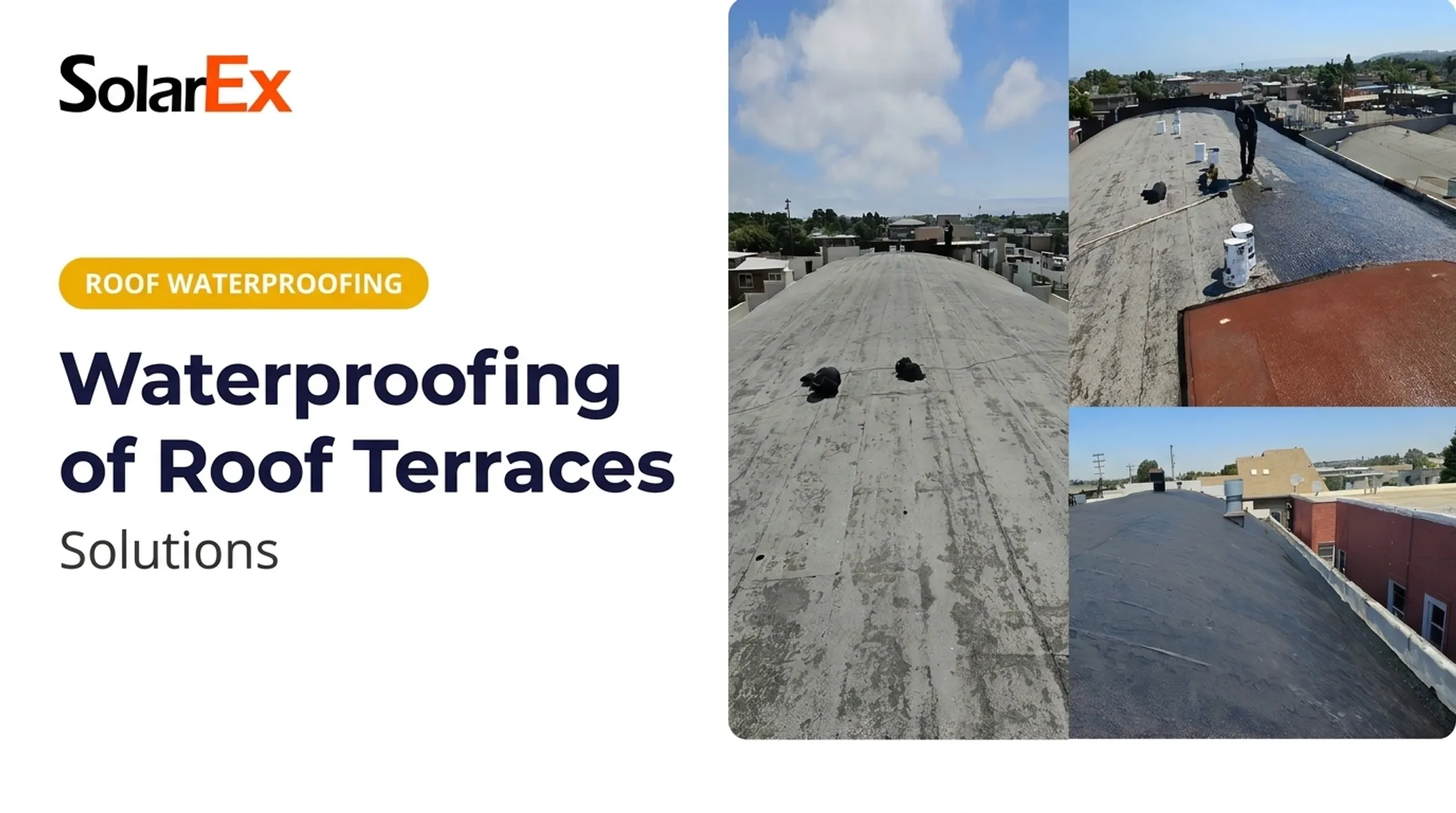
A fluid-applied roofing system starts as a liquid polymer and cures into a continuous, protective layer bonded directly to your existing roof. That bond is why owners and contractors use it to restore a serviceable roof and defer a full tear-off.
Still, buyers run into the same snags fast. Is it a coating or a full membrane? Will it stop ponding water? How long before you're recoating again?
This guide covers system types and chemistries, roof suitability, installation requirements, and what drives cost and service life—plus how fluid-applied systems differ from simple coatings and which questions to ask before you pick a product or hire a contractor.
Key Takeaways
- Fluid-applied roofing covers two categories: maintenance coatings and engineered liquid membranes.
- Long-term performance depends on prep, seam detailing, drainage, and material compatibility.
- Match materials to UV load, ponding risk, climate, foot traffic, and warranty terms.
- A roof-specific assessment beats judging suitability from a product label alone.
What Is a Fluid-Applied Roofing System?
A fluid-applied roofing system is a liquid material, applied by roller, brush, squeegee, or spray, that cures into an adhered, flexible layer over a prepared roof substrate. Once it sets, it forms a seamless or near-seamless membrane that shields the roof from water, UV rays, and general weathering.
The curing process matters. The liquid spreads across the roof surface, bonds mechanically and chemically to the substrate, and hardens into a monolithic layer. Sika defines a liquid-applied membrane as a fully bonded, rubber-like elastomeric waterproof layer, distinct from a basic surface coating.
Coating vs. Membrane: The Core Distinction
Not every fluid-applied product does the same job:
- A roof coating primarily maintains, reflects heat, and extends service life on an already-functional roof.
- A liquid-applied membrane is engineered and documented as the primary waterproofing layer, often within a re-cover or restoration assembly.
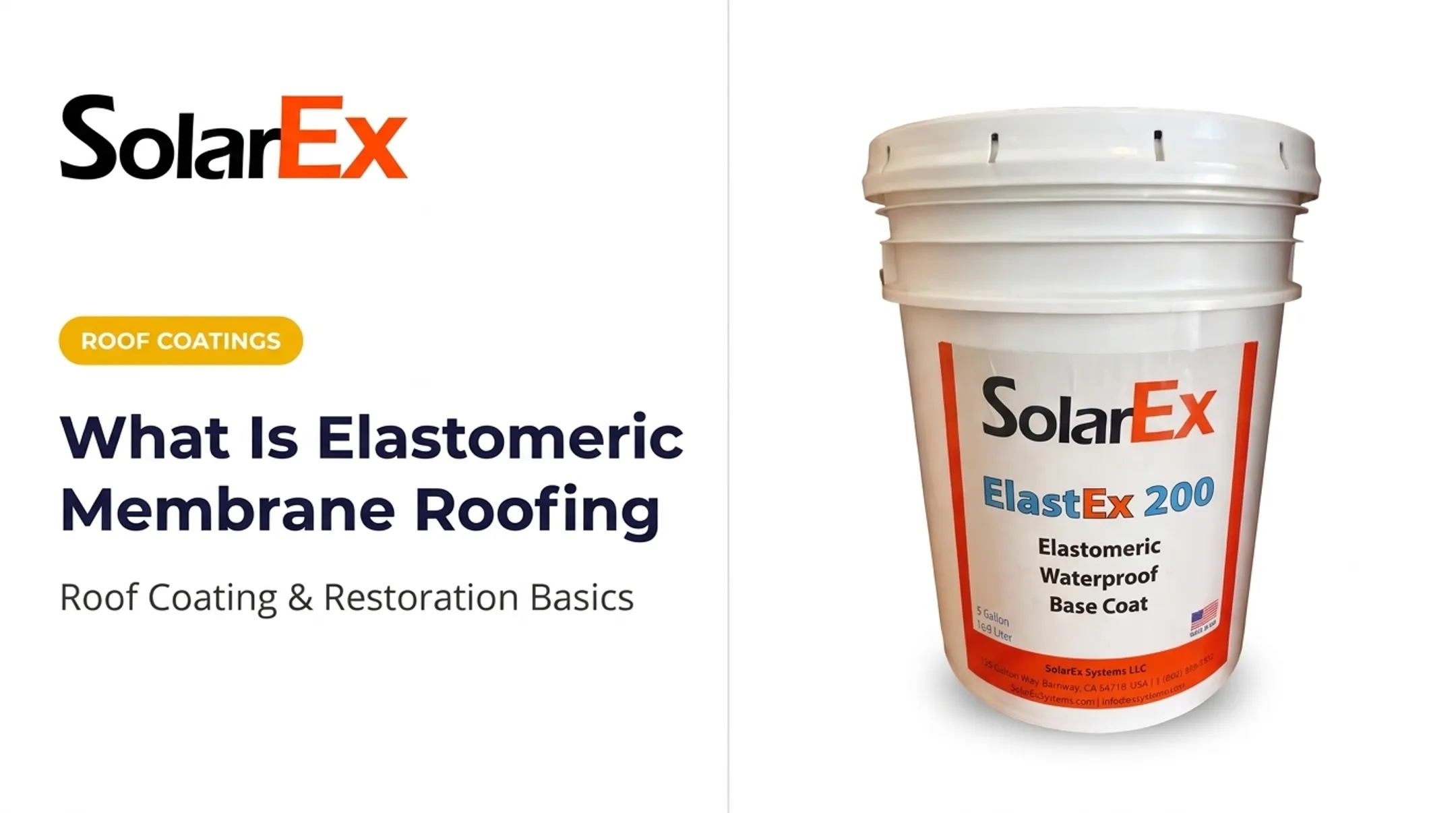
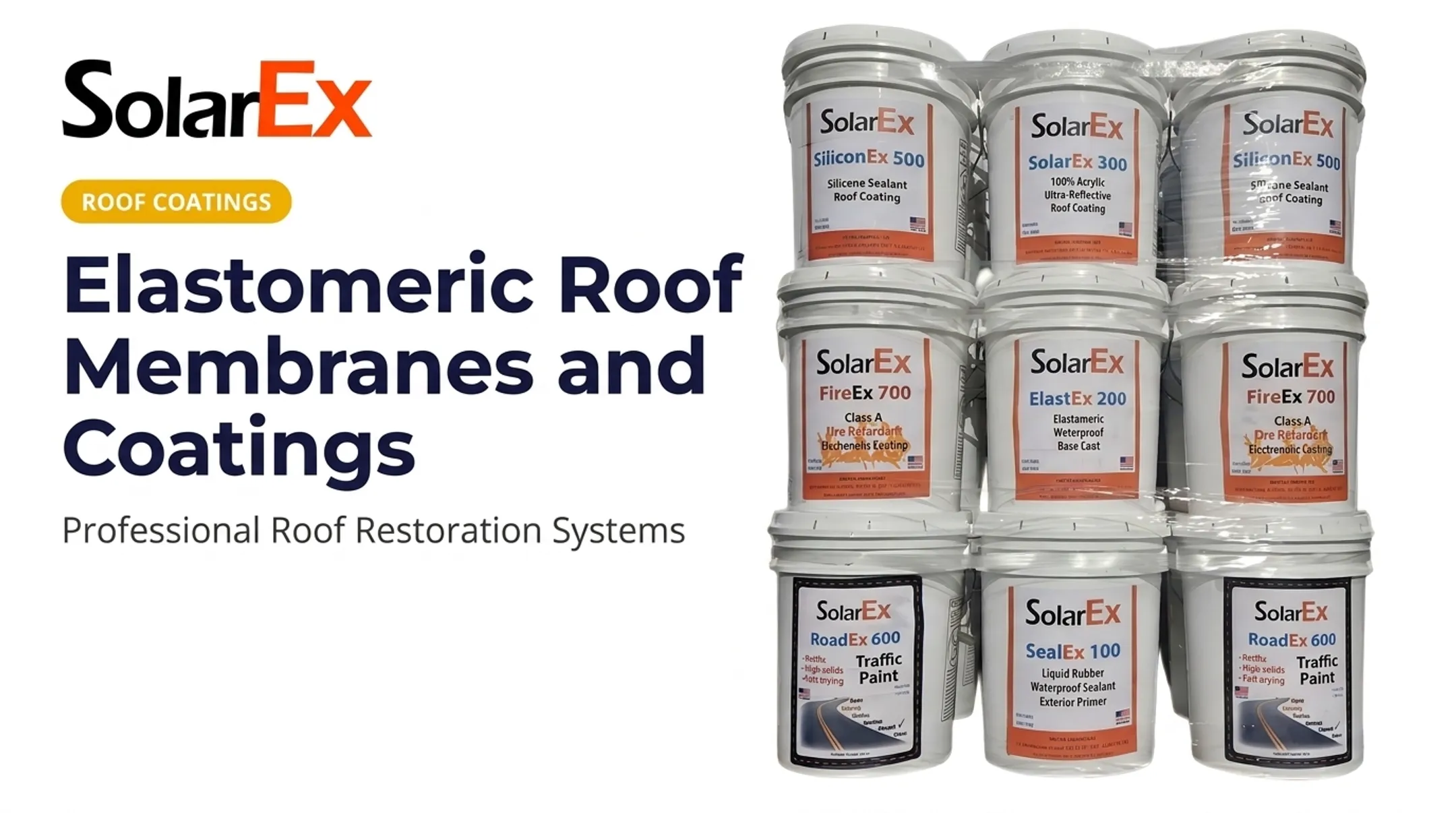
SolarEx's SiliconEx 500, for example, is a solvent-free, single-component, moisture-cured silicone that cures into an elastic, impermeable, monolithic membrane suited to flat and low-slope roofs.
System Components and Candidate Substrates
A complete installation typically includes:
- Primer (where the substrate requires it)
- Seam and penetration treatments, such as silicone mastic
- Reinforcement fabric where the spec calls for it
- Base coat and top coat, applied at manufacturer-specified thickness
Common candidate substrates include:
- Metal
- Concrete
- Modified bitumen and built-up roofing
- EPDM, TPO, and PVC
- Spray polyurethane foam
Compatibility is never automatic. Always confirm against current manufacturer technical data and applicable code requirements before assuming a product fits your roof.
These systems shine around skylights, pipes, curbs, and irregular geometry. Careful detailing still matters: a coating poured over a poorly prepped penetration will fail there first.
Fluid-Applied Membranes vs. Roof Coatings: What Is the Difference?
This distinction trips up a lot of building owners, and it's worth getting right before you spend money.
A maintenance coating protects and extends an existing roof's life. It improves reflectivity and adds a layer of UV resistance. What it cannot do is compensate for:
- Severe substrate deterioration
- Active structural problems or failed drainage
- Moisture already trapped beneath the roof
A liquid-applied membrane system is a different animal. It's designed and documented to provide weatherproofing as a roof covering or restoration assembly. These systems often use reinforcement, multiple compatible layers, and specified dry-film thickness to support a manufacturer-backed warranty.
Comparing the Two
| Factor | Maintenance Coating | Liquid-Applied Membrane |
|---|---|---|
| Primary role | Protect, reflect, extend life | Serve as primary waterproofing layer |
| Reinforcement | Design-dependent | Commonly specified |
| Testing basis | ASTM D6083 (acrylic) | ASTM C957 (elastomeric waterproofing) |
| Warranty backing | Varies by product | Typically tied to installed system |
Words to Verify, Not Assume
Terms like "waterproof," "roof restoration," and "roof coating" get used loosely in marketing. Always check them against the manufacturer's actual system definition and warranty language before you rely on them.
Code compliance, wind uplift, and fire performance ratings apply to the complete roof assembly under actual project conditions, not to a bucket of material sitting in a warehouse.
A coating should never be used as a shortcut over active leaks or damaged roofing. Repairs, seam treatment, and moisture assessment come first, every time.
Types of Fluid-Applied Roofing Materials
Most fluid-applied products fall into one of four chemistry families: acrylic, silicone, polyurethane, and PMMA. Performance depends on the full system design, not chemistry alone, but each category has recognizable strengths and trade-offs.
Acrylic Systems
Acrylic coatings are water-based, reflective, and relatively easy to apply. SolarEx's TropEx 310 reports roughly 54% volume solids and performance exceeding ASTM D6083 benchmarks. Average lifespan runs 7-12 years.
Limitations to watch:
- Standing water degrades acrylic over time
- Application requires 50°F and rising
- Cold weather slows drying and hurts adhesion
Silicone Systems
Silicone handles UV exposure and recurring ponding water better than most alternatives, which is why it's a go-to for low-slope commercial roofs. SolarEx's SiliconEx 500 reflects up to 87-88% of solar radiation and carries warranty options up to 20 years when applied per specification.
Trade-offs to watch:
- Dirt retention dulls reflectivity over time
- Surface gets slippery when wet
- Repairs and recoats need silicone-compatible materials
Standard products often won't bond reliably to cured silicone.
Polyurethane Systems
Polyurethane resists abrasion and mechanical wear well, which suits roofs with foot traffic. Some systems pair a tougher aromatic base coat with a UV-stable aliphatic topcoat for long-term color and weather stability. Average lifespan runs 10-15 years.
Common considerations:
- Odor during cure
- Higher material costs
PMMA Systems
PMMA is a fast-curing, fleece-reinforced system often chosen for heavy foot traffic, structural pavers, or projects where minimizing downtime matters.
Project trade-offs:
- Higher upfront price
- Multi-step install process
It is typically reserved for specific project needs rather than general restoration work.
Best always depends on the roof. Substrate, slope, drainage, climate, movement, VOC requirements, and warranty expectations all factor in. SolarEx's silicone technology, for instance, is documented for freeze-thaw cycles and heavy summer heat, but that doesn't make it the automatic answer for every building.

Benefits and Practical Applications
Restoring a serviceable roof with a fluid-applied system avoids the disruption, waste, and labor tied to a full tear-off.
The scale of that waste is real: NRCA cites data showing more than 11 million tons of roofing material lands in landfills annually. That figure is industry-wide, not per project, but it shows why restoration is worth considering when the deck and substrate remain sound.
Avoided tear-off cost is only part of the case. Reflective coatings also cut cooling load once the roof is back in service.
Energy and Reflectivity
Light-colored, reflective coatings reduce solar heat absorption. LBNL research estimates 13-14 kWh per square meter per year (about 1.2–1.3 kWh per square foot) in savings from applying white coating to previously uncoated commercial roofs in California. Actual results vary with insulation, HVAC efficiency, and building use, so treat this as directional, not a guarantee.
Where These Systems Get Used
- Flat and low-slope commercial roofs
- Metal roof restoration projects
- Warehouses, retail centers, and light-industrial buildings
- EPDM, TPO, and modified-bitumen membrane re-coats
Continuous Coverage, With Caveats
A continuous layer seals seams, penetrations, and curbs in one field membrane—but it does not replace detail work at transitions. SiliconEx 500 detailing still covers fasteners, flashings, HVAC penetrations, and parapet transitions individually before the full coat goes down.
Low-VOC formulations matter for occupied buildings, too. SolarEx's white silicone coatings register under 50 g/L VOC, compared to 250-400+ g/L for conventional products, which reduces fumes and disruption during application.
How to Decide Whether a Fluid-Applied System Is Right for a Roof
Start with a professional assessment, not a product brochure. A qualified inspector should check:
- Leaks and wet insulation - trapped moisture undermines any coating applied on top
- Deck condition and membrane attachment - loose or deteriorated substrates need repair first
- Seams, penetrations, and flashing - these are common failure points regardless of coating quality
- Drainage and ponding areas - persistent ponding may need correction before coating
Those findings decide whether restoration or full replacement is the smarter path.
When Restoration Makes Sense
Restoration usually fits when:
- The deck and underlying assembly remain serviceable
- Damage is localized rather than widespread
- The substrate is compatible with the intended coating
SiliconEx 500 works well on aged or weathered roofs that are still structurally sound.
When Replacement Is the Better Call
Skip restoration and consider replacement if you're seeing:
- Widespread saturated insulation
- Structural deterioration or unstable membrane attachment
- Persistent drainage failures despite repairs
- Conditions that fall outside the product's warranty scope
Preparation Sequence
Before any coating goes on:
- Clean and dry the surface
- Remove loose material
- Repair defects
- Treat seams and fasteners
- Verify substrate moisture

SolarEx guidance specifies concrete moisture below 5% and requires an adhesion test (ASTM D-903) before full application.
Request the product data sheet, safety data sheet, warranty terms, and substrate compatibility documentation before committing. If you're weighing a reflective silicone coating against a full restoration system, a project-specific evaluation from SolarEx or another qualified roofing professional beats guessing from a spec sheet alone.
Installation, Cost, Service Life, and Maintenance Considerations
Cost Depends on Scope
A single average price is rarely useful. These factors all move the number:
- Roof size and access
- Existing condition and needed repairs
- Material chemistry and reinforcement
- Warranty length
As a rough reference, professional commercial coating installation runs $1.50–$3.50 per square foot. SiliconEx 500's 20-year system is specifically priced at $1.25–$1.64 per square foot. Neither figure shows what is included on your job, so get a written, itemized estimate.
Service Life Isn't a Fixed Number
Silicone systems are commonly built around 10-, 15-, or 20-year warranty periods. Actual performance depends on:
- Installed thickness (SolarEx systems target 45 mils total across primer, base, and top coat)
- UV exposure and climate
- Ponding water frequency
- Substrate movement and workmanship
- Ongoing maintenance
Routine Maintenance Tasks
- Inspect at least annually, and after any severe storm
- Clear drains and scuppers regularly
- Check flashings and penetrations for damage
- Repair punctures or wear promptly—don't wait for the next inspection
- Recoat when the system reaches its manufacturer-specified maintenance threshold
Installation Conditions and Site Planning
Install only when conditions support cure. SolarEx recommends staying above 50°F on a dry surface, and protecting fresh coating from rain or condensation for at least 72 hours.

Spray work needs ventilation planning and buffer zones. Overspray can drift onto adjacent surfaces or people, so set exclusion areas before application starts.
Closeout Records
Before closeout, request a records package: installation dates, batch numbers, applied thickness, photos, and warranty documents. That file is what you use if a problem shows up later.
Frequently Asked Questions
How much does a liquid roof cost?
Cost depends on roof size, substrate condition, prep work, material type, reinforcement, and warranty length. Expect a range roughly between $1.25 and $3.50 per square foot, but get a project-specific inspection and written estimate before budgeting.
How long does liquid roofing last?
Service life varies by chemistry, installed thickness, climate, ponding water exposure, and maintenance quality. Most professional silicone systems carry 10-, 15-, or 20-year warranty terms, but check the specific product's tested performance data.
What is a fluid-applied roofing system?
It's a liquid material that cures into a protective, adhered roof layer. A maintenance coating protects an existing roof, while a complete liquid-applied membrane serves as the primary waterproofing layer.
Is a liquid waterproofing membrane good?
Yes—when the roof is suitable, properly prepared, and detailed to manufacturer specs. It is not a fix for major structural problems or a saturated roof deck.
What is the best liquid roof coating?
No single coating wins every job. Match the product to substrate, ponding water, UV, climate, VOC limits, and warranty needs—not brand or chemistry alone.
What is the best roofing system for a flat roof?
Choose based on roof condition, drainage, slope, climate, and budget. After a professional assessment, compare restoration, liquid membrane, and full replacement instead of locking in one system upfront.