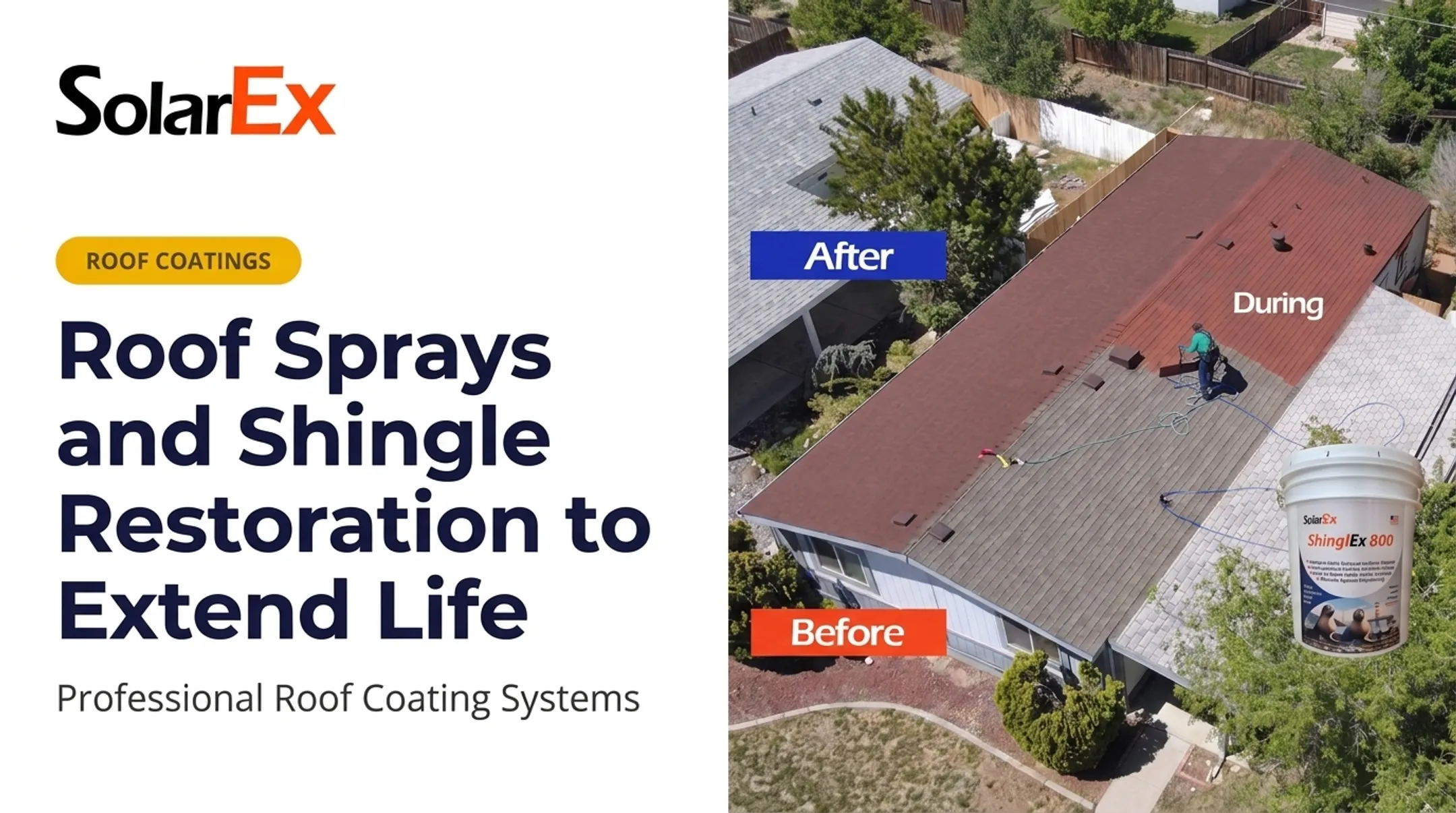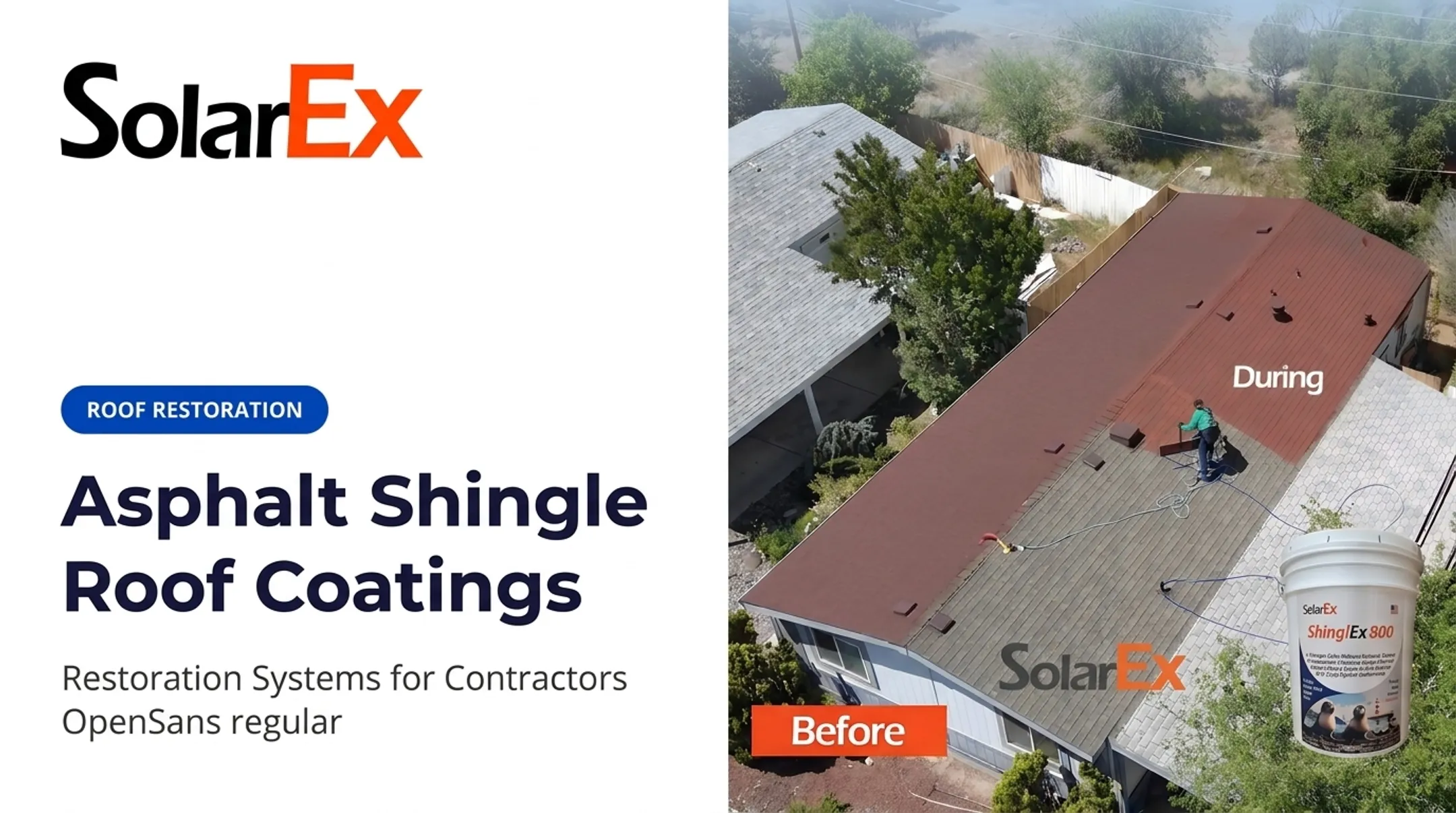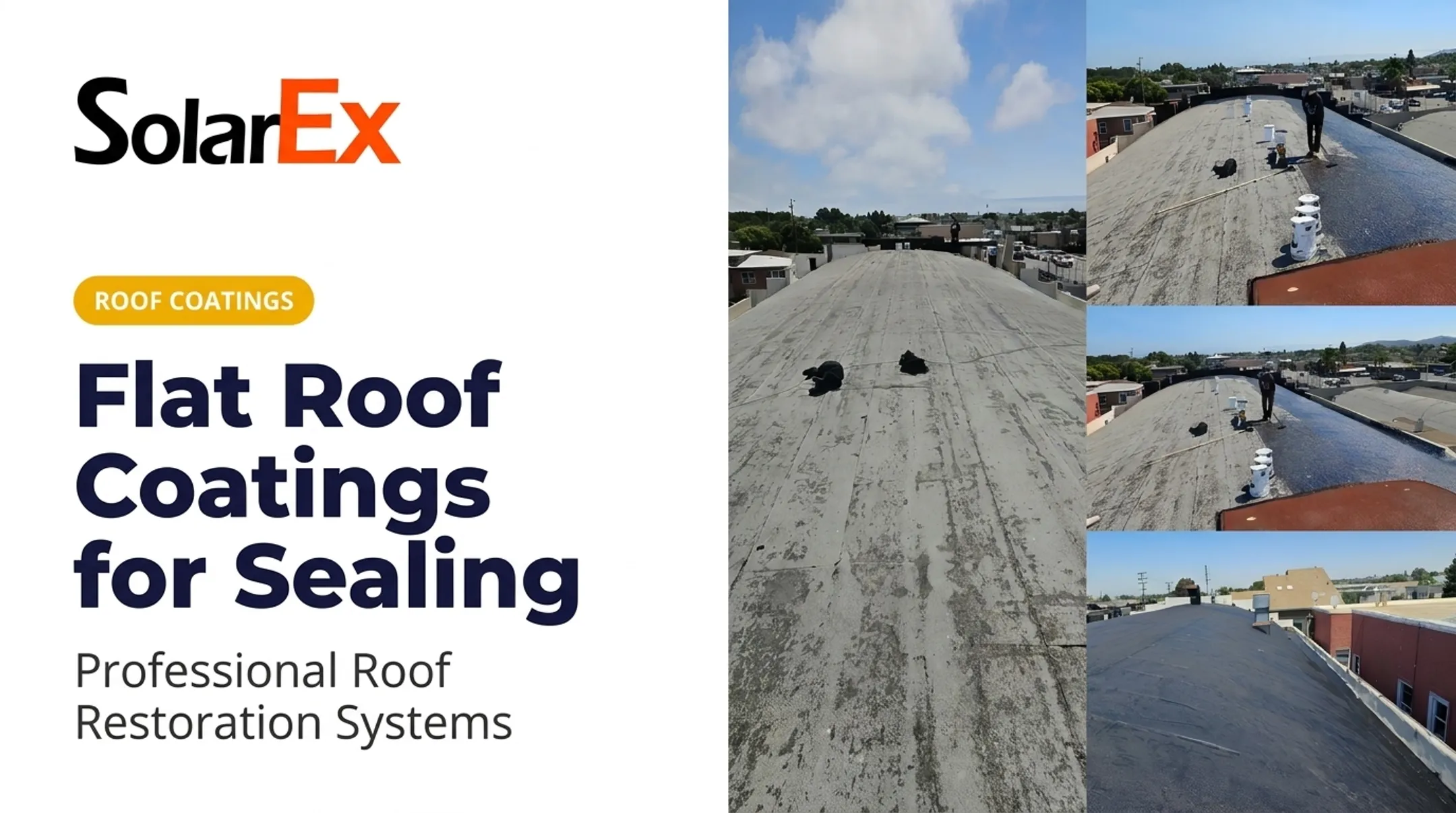

Property owners often notice cracking, fading, or rising cooling bills before they think about a fix. A tear-off feels expensive and disruptive. A coating system offers a middle path: restore protection without replacing the membrane.
This guide walks through coating types, prep work, application steps, maintenance schedules, and when to call a professional versus handling it yourself.
Key Takeaways
- Roof coatings restore weatherproofing and reflectivity on modified bitumen without a full tear-off
- Silicone handles ponding water best; acrylic wins on cost and reflectivity in dry climates
- Surface prep and repair work before coating determine how long the system lasts
- Large or complex roofs call for professional application; small touch-ups can be DIY
What Is Modified Bitumen Roofing and Why Coating It Matters
Modified bitumen is asphalt reinforced with polymers, typically SBS (Styrene-Butadiene-Styrene) or APP (Atactic Polypropylene), layered over a reinforcing mat. It's a workhorse membrane on flat and low-slope commercial roofs across the U.S.
A coating doesn't replace this membrane. It adds a seamless, reflective, weatherproof layer over the existing surface. Think of it as renewing the roof's skin rather than performing surgery.
Modified bitumen and built-up roofs absorb enormous amounts of heat, which accelerates aging and cracking over time. An acrylic or silicone coating creates a reflective barrier that reduces that heat load and locks down loose granules that would otherwise expose the membrane underneath.
Is Modified Bitumen a Good Roof, and How Long Does It Last?
Service life on modified bitumen depends heavily on installation quality, exposure, and maintenance rather than one fixed number. The National Roofing Contractors Association ties longevity to inspection frequency and timely repairs, not a calendar guarantee.
That said, documented restoration systems provide a useful benchmark:
- 6,500 sq ft commercial mod-bit roof in Bakersfield, CA — 15-year silicone restoration
- 2,000 sq ft commercial roof in San Diego — 20-year silicone system with acrylic primer
- Systems such as SiliconEx 500 — 10-, 15-, or 20-year material warranties based on film thickness and roof condition
With the right coating thickness and upkeep, many mod-bit roofs reach the 15- to 20-year restored service window instead of facing early replacement.

Signs a Roof Needs Coating
Before scheduling a coating job, check for:
- Blisters or open laps in the membrane surface
- Exposed reinforcement or wet insulation underneath
- Asphaltic oil migration causing discoloration in lighter coatings
- Splits or cracking from thermal cycling
- Standing water that doesn't drain within 48 hours
Timing matters. Coating a roof during early wear, before blisters split or insulation gets wet, costs far less than waiting until the membrane fails structurally.
Choosing the Right Coating Type for Your Modified Bitumen Roof
Not all coatings perform the same across climates and drainage conditions. This comparison shows how the three main options stack up:
| Coating Type | Best For | Key Trade-off |
|---|---|---|
| Acrylic | Warm, dry climates with good drainage | Degrades under continuous standing water |
| Silicone | Ponding water, humid or rainy regions | Higher upfront cost |
| Elastomeric | Flexibility across seams and details | Label describes behavior, not chemistry — confirm acrylic vs. silicone and ponding rating |
| Silicone's edge on ponding water comes from its moisture-cure chemistry. SolarEx's silicone coating (SiliconEx 500), for example, reflects up to 88% of solar radiation and holds that reflectivity even in permanently ponded areas, which degrades acrylic over time. | ||
| "Elastomeric" is a performance label, not a single formula. It can describe acrylic or silicone systems alike, so match the chemistry to drainage and climate—not the word on the pail. |

Matching Coating to Climate
US regions stress coatings in different ways:
- California: Intense UV, dry-season heat, and Title 24 compliance favor high-reflectivity silicone or acrylic
- Florida: Heat, humidity, and heavy rain favor silicone's ponding resistance
- New York and northern states: Freeze-thaw cycles and snow loads need flexible systems rated for rapid temperature swings
- Utah and high-altitude regions: Strong UV plus wide seasonal swings call for coatings built for both extremes
Can You Apply Elastomeric Coating to Modified Bitumen?
Yes—when the membrane is properly primed and prepped. Aged modified bitumen often needs an approved base coat before an elastomeric topcoat; skip it and adhesion suffers. Low-VOC formulations aren't optional in states like California. SolarEx's low-VOC coatings are designed to meet CARB standards and comparable rules in states like New York.
Does Bitumen Paint Need a Primer, and Does It Stop Leaks?
Primer isn't automatic. Older, weathered, or porous membranes typically need it for proper adhesion, while clean, newer surfaces may not. An adhesion test before full application settles the question either way. BleedEx 400, for instance, functions as a bleed-blocking primer specifically for bitumen surfaces prone to asphalt migration. On leaks: bitumen coatings seal minor cracks and pinholes and handle small surface defects well. They are a preventive maintenance layer—not a fix for structural damage or ongoing water intrusion. If water is actively getting in, repair that first. Coating over an active leak only hides the problem temporarily.
Surface Preparation and Application Best Practices
Skipping prep work is the fastest way to void a warranty and shorten coating life. The process breaks down into a few non-negotiable steps.
Cleaning:
- Remove debris and foreign material from the entire roof surface
- High-pressure wash at 2,500–3,000 psi
- Treat oil, grease, or animal fat contamination with tri-sodium phosphate, then rinse thoroughly
Repair before coating:
- Patch blisters, splits, and loose laps
- Reinforce seams and flashing details
- Address any ponding areas or exposed reinforcement
- Seal joints, cracks, and extrusions with a compatible mastic or sealant tape before coating
Weather Windows and Application Rates
Application timing directly affects cure quality:
- Apply only above 50°F, with a dry surface and no rain or freezing expected during cure
- Keep the roof free of moisture, condensation, or precipitation for at least 72 hours after application
- For spray application, overlap passes by 50% using a half-lap technique
- Verify thickness with a wet mil gauge: target about 32 wet mils per coat (roughly per 100 square feet of coverage), adjusted to the specific product
Multi-pass application matters more than most people realize. A single thick coat cures unevenly and cracks. Two or three thinner passes, each verified with a mil gauge, produce a more durable film.

What Sealant Works Best on Bitumen Seams and Details?
Choose sealants by detail type and coating chemistry before any topcoat goes on:
- Bitumen-based or polyurethane sealants for seams, flashing, and penetrations
- 100% silicone sealant or sealant tape for joints and extrusions under a silicone topcoat
- Always match sealant chemistry to the coating system; incompatible pairings cause adhesion failures later
Maintenance and Recoating for Long-Term Performance
A coated roof isn't a "set it and forget it" investment. Regular checks catch small problems before they become expensive ones.
Recommended schedule:
- Twice-yearly inspections (spring and fall), plus after any severe storm
- Annual cleaning to preserve reflectivity and clear debris that traps moisture
- Spot repairs for isolated blistering or cracking, addressed immediately
Whether a roof needs a touch-up or a full recoat depends on the extent of the damage:
- Patch small, isolated coating breakdown
- Full recoat when chalking, loss of reflectivity, or membrane exposure covers large areas
Professional Installation vs. DIY Considerations
Coating a modified bitumen flat roof looks simple from the ground. In practice, it involves fall-protection planning, high-pressure spray equipment, and precise thickness control that's hard to verify without the right tools.
Reasons to hire a professional:
- OSHA fall-protection rules apply to low-slope roofing work at exposed edges
- Airless spray pumps require 5,000+ psi output ratings. Misuse risks injury or fire
- Warranty compliance requires exact mil thickness across the full roof—hard to hit without training

Full coating work is a different job from light upkeep. Homeowners can reasonably handle:
- Clear debris and clean between professional recoats
- Touch up minor surface wear in ground-accessible spots
- Inspect visually to flag issues early
For full coating projects, precision matters. SolarEx calculates the exact thickness required for each roof substrate so warranty terms stay intact. That step needs experience and calibrated equipment most DIY setups don't have.
Frequently Asked Questions
How long will a modified bitumen roof last?
Service life depends on installation quality, exposure, and maintenance rather than a fixed number. Documented restoration systems in California show 15- to 20-year coating warranties extending the membrane's usable life.
How long does bitumen roof paint last?
Coating lifespan varies by product and system, ranging from several years up to 20+ with proper maintenance. Recoat timing depends on inspection findings, not a fixed calendar.
Does bitumen paint need a primer?
It depends on the membrane's age and condition. Older or porous surfaces typically need primer for adhesion, while clean, newer membranes may not. An adhesion test settles it.
Can I apply elastomeric coating to a modified bitumen roof?
Yes, with proper preparation and primer where testing shows it's needed. Compatible aged systems may require an approved base coat before the topcoat goes on.
Does bitumen paint stop leaks?
It seals minor cracks and pinholes effectively but isn't a fix for active water intrusion or structural damage. Significant leaks need repair before any coating goes on.
What sealant can be used on bitumen?
Compatible bitumen-based or polyurethane sealants work for seams, flashing, and penetrations. A 100% silicone mastic or sealant tape is common ahead of a silicone topcoat.