
Introduction
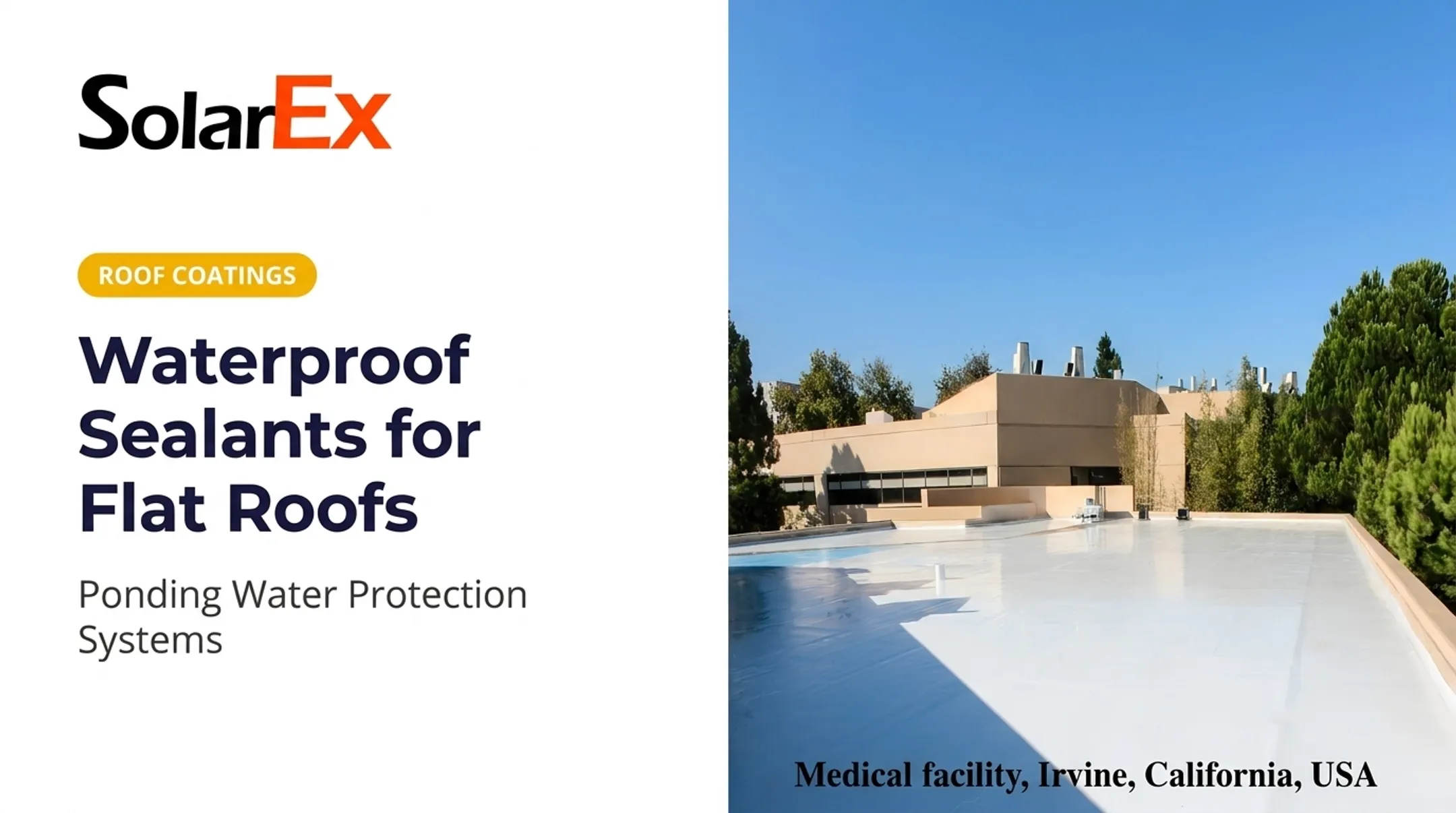
Water sits differently on a flat roof. Without steep slopes to shed rain fast, even a well-built low-slope roof can hold water in low spots for hours or days after a storm. That standing water finds every weak seam, pinhole, and flashing gap eventually.
There's no single "best" waterproofing product for every flat roof. The right system depends on a few site-specific factors:
- Existing substrate and current damage
- Drainage and local climate
- How long you need the roof to perform
- Whether you're repairing, restoring, or replacing
This guide compares silicone coatings, acrylic coatings, bitumen systems, single-ply membranes, and liquid-applied restoration systems for US residential and commercial applications, so you can match the system to your roof instead of the other way around.
Key Takeaways
- No single product wins for every flat roof; substrate, ponding, and install quality decide.
- Silicone for standing water; acrylic for drained roofs; bitumen or single-ply for restorations.
- Drainage correction, seam repair, and surface prep matter as much as the product you pick.
- SolarEx silicone coatings suit roofs needing ponding resistance and cool-roof reflectivity.
- Confirm technical data sheets, warranty terms, and installer requirements before you commit.
Overview of Waterproofing for Flat Roofs in the US Market
Flat-roof waterproofing protects the entire roof assembly from water intrusion: seams, penetrations, flashings, drains, and the surface material itself—not only the top coat.
Low-slope roofs demand extra attention for a simple reason: water drains slowly and small defects repeat themselves. A pinhole that would dry out on a steep-slope shingle roof can sit under ponded water for days on a flat roof, feeding a slow leak into the insulation or decking below.
Roof failures carry real consequences beyond the leak itself. Industry estimates cited by IIBEC suggest roof-related issues factor into 75%–80% of construction-defect disputes, and water is involved in more than 70% of construction litigation.

Those numbers mean waterproofing choices carry legal and financial weight, not just maintenance cost.
Common flat-roof waterproofing categories include:
- Liquid-applied coatings (silicone, acrylic) for restoration and moisture protection
- Reinforced coatings with embedded fabric for extra strength at seams and details
- Modified-bitumen membranes for built-up, layered waterproofing
- EPDM, TPO, or PVC single-ply membranes for full roof coverage
- Sealants and localized repair systems for spot fixes
The comparison below evaluates each option on waterproofing performance, ponding-water tolerance, substrate compatibility, reflectivity, installation demands, and long-term value.
Top Waterproofing Options for Flat Roofs
This section compares systems and product categories using the same criteria: compatible roof types, waterproofing mechanism, ponding-water performance, installation and maintenance demands, expected service life, and known limitations.
SolarEx Silicone Roof Coating System
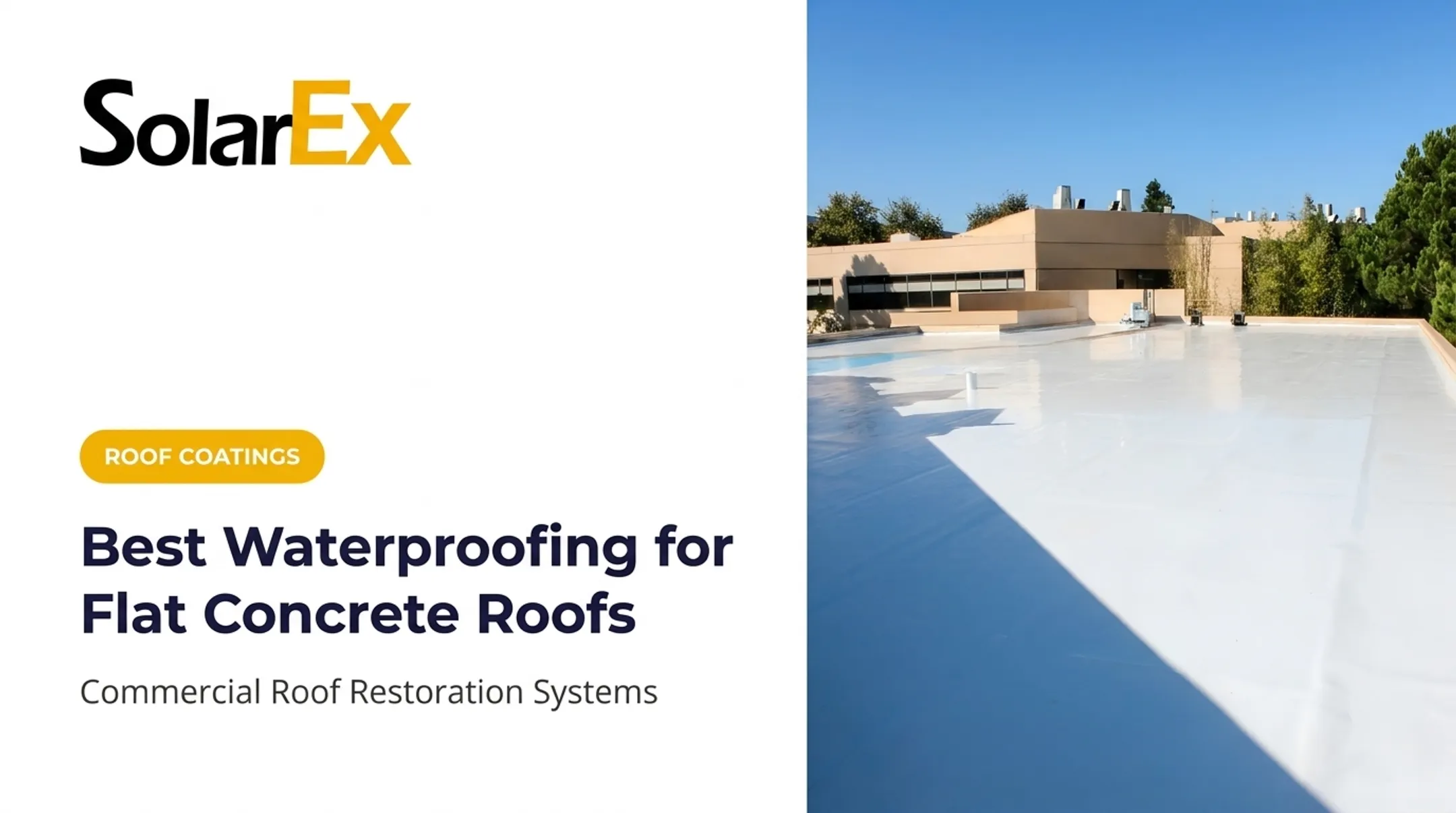
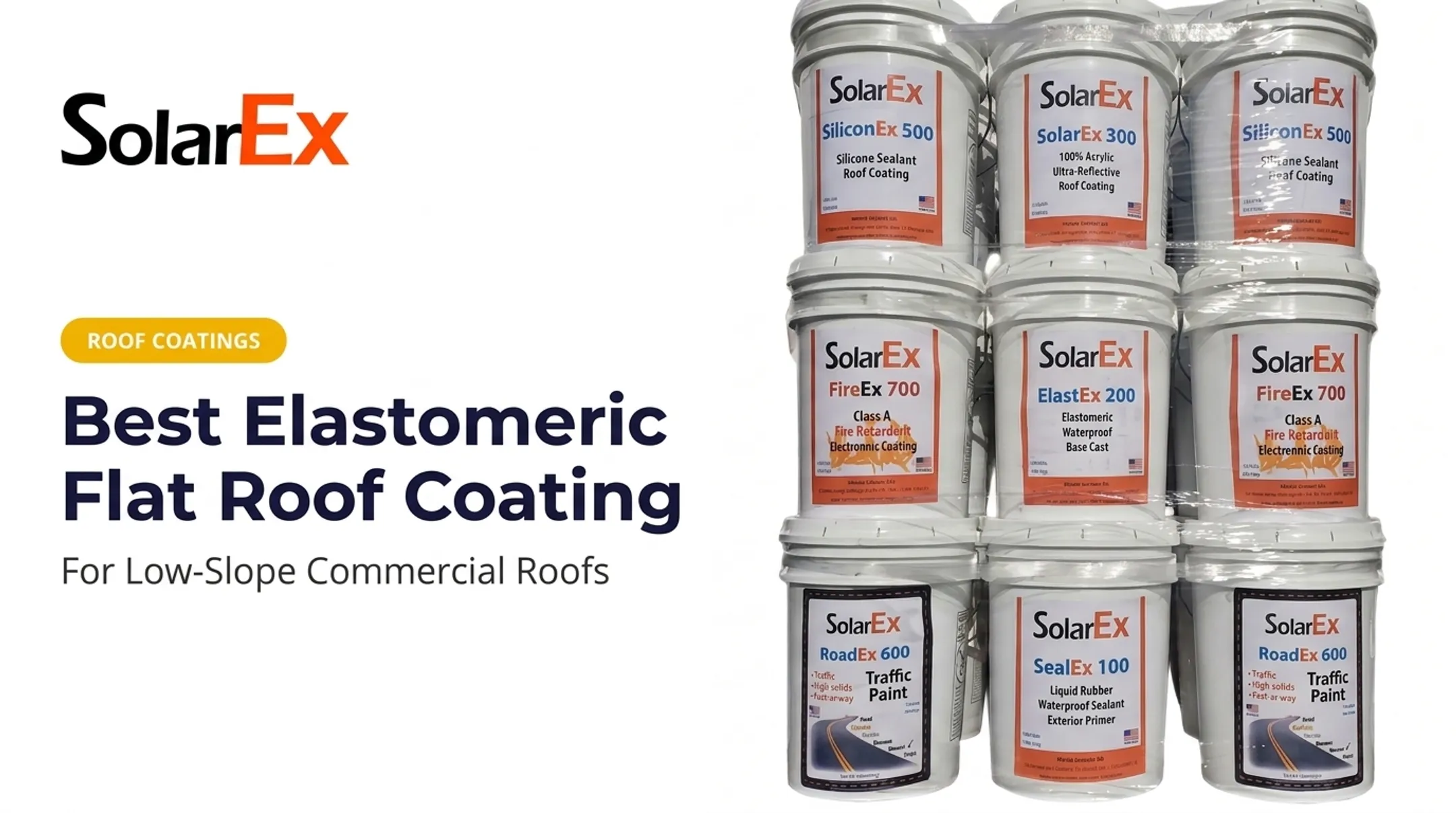
SolarEx's SiliconEx 500 is a 100% silicone, solvent-free, single-component, moisture-cured coating built for flat and low-slope roofs. It cures into a flexible, seamless, monolithic membrane, and it's rated to withstand permanent ponding water once fully cured without affecting the material's performance.
Roof compatibility:
- Applies directly to metal, concrete, wood, TPO, EPDM, single-ply, smooth, and granulated membrane substrates
- Not intended for structurally failed roofs, wet insulation, below-grade applications, or continuously submerged surfaces
Waterproofing and application details:
- Joints, cracks, and extrusions get sealed with SealEx 510 silicone sealant or SealEx tape before coating
- An adhesion test determines whether a primer is needed; BleedEx 400 is used over bitumen, Anti-Rust primer over rusted metal
- Coverage runs roughly 1.5 gallons per 100 square feet at 16 mils per coat across primer, base, and top coats
- Material warranties are available at 10, 15, and 20 years depending on the specified system
The coating reflects up to 88% of solar radiation, tying into SolarEx's broader cool-roof and solar-ready approach. Reducing heat absorbed by the roof surface can support energy-efficiency planning, though results vary by building and climate.
Silicone Roof Coatings (General)
Silicone forms a seamless, flexible waterproofing layer that cures on contact with moisture in the air, which is exactly why it holds up where water lingers. Roofs with recurring low spots or poor drainage are the classic use case.
Strengths:
- Strong resistance to ponding water and UV exposure
- Restores an aging but structurally sound roof without a full tear-off
- Bonds to multiple substrate types
Limitations:
- Surface prep is non-negotiable; skipping it undermines adhesion
- Collects dirt over time and can get slippery when wet
- Future recoats generally need silicone-compatible products, since many other coatings won't bond reliably over cured silicone
Before assuming any silicone product fits your roof, check the manufacturer's application checklist:
- Inspect for structural soundness and active leaks
- Clean the surface, typically with high-pressure washing at 2,500-3,000 psi
- Test moisture in the substrate (concrete should generally sit below 5%)
- Repair seams, punctures, and penetrations, sealing them watertight
- Prime if the adhesion test calls for it
- Apply at the specified wet-film or dry-film thickness and let it cure under the recommended temperature range

Not every silicone product is compatible with every membrane, adhesive, or existing coating. Verify manufacturer-approved substrates before ordering material.
Acrylic Roof Coatings
Acrylic coatings are water-based, reflective systems favored for cool-roof performance and relatively simple application. GAF's Premium Acrylic HydroStop Top Coat, for example, requires at least 50% volume solids and reports 0.83 initial solar reflectance on smooth white surfaces, per its technical data sheet.
Where acrylic works well:
- Roofs with positive drainage and no standing water
- Projects prioritizing reflectivity and cooling-cost reduction
- Sound substrates that don't need heavy restoration
Where it falls short:
- Prolonged ponding water degrades acrylic faster than silicone
- Application requires specific temperature windows (many products need 50°F and rising)
- Rain or heavy dew during curing can compromise the coating
Product comparison checklist:
- Solids content (by weight and volume)
- Required number of coats and maximum coverage per coat
- Reflectance and emittance values
- Warranty length and maintenance obligations
Surface prep and coating thickness aren't optional extras here either. Skipping either one risks adhesion failure and voids most manufacturer warranties.
Reinforced Bitumen and Modified-Bitumen Membranes
Modified-bitumen systems layer asphalt-based membranes with reinforcing fabric, installed through hot-mopped asphalt, torch application, or self-adhered sheets. NRCA notes these systems can exceed 30 years of service life when properly designed and installed, though older coated and non-coated systems in its historical data ranged from 15 to 25 years.
Strengths:
- Strong puncture resistance
- Established track record on commercial low-slope roofs
- Reinforced seams handle movement well
Limitations:
- Torch-applied methods carry fire risk and require trained installers
- Odor during hot-mopped installation can be a tenant concern
- Detailing around penetrations takes skill; poor detailing is a common failure point
Inspection checklist for existing modified-bitumen roofs:
- Membrane laps and seams
- Flashing at walls, curbs, and drains
- Blisters or splits in the membrane
- Areas where moisture may be trapped underneath
EPDM, TPO, and PVC Single-Ply Membranes
These membrane categories cover a large share of commercial flat roofs, and they differ more than people assume:
| Membrane | Typical thickness | Seam method | Reflectivity | Warranty range |
|---|---|---|---|---|
| TPO | 45, 60, 80 mil | Heat-welded | White, high-SRI | 25-35 years |
| PVC | 50, 60, 80 mil | Heat-welded | Reflective options | Up to 30 years |
| EPDM | 45-90 mil | Glued or taped | Black, absorbs heat | ~20 years |
Figures from GAF's single-ply membrane comparison; treat as manufacturer benchmarks, not universal minimums.
Selection considerations:
- Roof size and rooftop equipment layout
- Chemical exposure (kitchen exhaust, industrial vents)
- Whether reflectivity matters for cooling costs
- Local installer availability for the specific membrane type
Replacement or a full overlay often beats coating when the existing roof is saturated, structurally compromised, or chemically incompatible with a restoration system. Field seams, edge securement, and equipment detailing should always go through a qualified roofing professional, not a DIY crew.
How We Chose the Best Waterproofing for Flat Roofs
This comparison prioritizes waterproofing reliability and whole-roof compatibility over marketing claims, the lowest sticker price, or reflectivity numbers in isolation.
Each option was scored against roof condition, product proof, install discipline, and failure modes that commonly void warranties.
Selection factors considered:
- Existing roof material and its age or condition
- Frequency and location of ponding water
- Drainage design and climate exposure
- Foot traffic, rooftop equipment, and access constraints
- Maintenance capacity and desired service life
Product evidence required:
- Current technical data sheets and installation instructions
- Testing documentation and code compliance information
- Written warranty conditions, including exclusions
Installation quality checks:
- Surface prep and moisture testing completed before any coating goes down
- Seam and flashing repairs finished first
- Application thickness verified against the spec sheet
- Curing handled under the manufacturer's stated conditions

Common mistakes that void warranties and cause failures:
- Coating over wet insulation or an active structural leak
- Ignoring drainage problems instead of fixing them
- Mixing incompatible products from different manufacturers
- Skipping the adhesion test before applying a new coating
- Failing to reinforce movement joints and penetrations
- Treating a large or unsafe roof as a DIY weekend project
Conclusion
The best waterproofing for your flat roof is the one that matches your existing assembly, water exposure, drainage, climate, and budget, not whichever product ranks highest on a generic list.
Before applying anything, lock down the fundamentals:
- Correct drainage issues and repair substrate defects
- Verify product compatibility with the existing assembly
- Confirm technical specs, warranty terms, and maintenance requirements in writing
If your roof is a candidate for restoration and you also want heat reduction or energy savings, SolarEx can evaluate whether a cool-roof, solar-ready coating fits the project. Commercial property owners, facility managers, and roofing contractors with a sound but weathered flat roof should weigh that path before jumping to full replacement.
Frequently Asked Questions
What is the best waterproofing coating for a flat roof?
It depends on your substrate, drainage, and ponding-water exposure. Silicone generally handles standing water better; acrylic works well on well-drained, sound roofs at a lower material cost.
What are the best ways to waterproof a flat roof?
Liquid-applied silicone or acrylic coatings, reinforced bitumen membranes, single-ply membranes, and localized sealants are the main approaches. Inspection, drainage correction, and proper detailing matter more than which product you pick.
Is silicone or acrylic coating better for a flat roof?
Silicone typically outperforms acrylic where water pools regularly, while acrylic offers strong reflectivity on roofs with good drainage. Check substrate compatibility and warranty terms before deciding.
Can you waterproof a flat roof with ponding water?
Some systems, like properly cured silicone, can resist standing water. However, persistent ponding usually points to a drainage or slope problem that should be fixed before any coating goes down.
Should I coat or replace my flat roof?
Coating suits a sound, dry roof needing restoration. Replacement makes more sense when there's widespread deterioration, saturated insulation, structural damage, or repeated failures despite past repairs.