
Introduction
An aging asphalt-shingle roof puts homeowners in a tough spot. Replacement is expensive and disruptive, but a leaking roof can't wait forever either. Roof sprays and shingle restoration have become popular middle-ground options. Marketed correctly, they can extend the service life of a roof that's still structurally sound. Marketed poorly, they get treated as a universal fix. That's a problem. Hidden moisture, failed flashing, or a deteriorated deck won't disappear because a coating was applied over them. According to InterNACHI's estimated life expectancy chart, 3-tab shingles typically last 20 years and architectural shingles around 30 years. Those figures are guidelines, not guarantees. A roof past its prime needs an honest evaluation before any product goes on. This guide covers the actual types of roof sprays available, when restoration works and when it doesn't, how to inspect a roof properly, realistic maintenance schedules, and how to weigh restoration against repair or full replacement.
Key Takeaways
- Roof sprays aren't interchangeable: rejuvenators, reflective coatings, and sealants need separate compatibility checks
- Use restoration only on weathered, structurally sound roofs — not roofs with active leaks, missing shingles, or deck damage
- Inspect shingles, flashing, ventilation, drainage, and warranty terms before any treatment
- Compare restoration costs and warranty terms against repair and replacement quotes before committing
Why Maintenance of an Aging Roof Is Important
Asphalt shingles don't fail all at once. They lose flexibility, shed protective granules, and gradually lose their resistance to UV exposure and thermal cycling. Coatings and membranes also wear down from sun exposure, thermal movement, and standing water.
South-facing slopes, dark roofs, and poor attic ventilation all speed this process up. A roof baking under direct sun for years ages faster than one with better airflow underneath it.
Timely maintenance matters because it:
- Preserves the water-shedding surface before granule loss exposes the asphalt mat
- Seals vulnerable details like flashing and penetrations before small gaps become leaks
- Supports proper drainage, which prevents ponding and premature wear
- Reduces heat absorption when a compatible reflective coating is used on an eligible roof
The Cost Trade-Off
Reactive leak repairs almost always cost more than planned maintenance. A roof inspection typically runs a few hundred dollars, while asphalt-shingle repairs and full replacements run into the thousands. Get current local pricing before deciding — costs vary a lot by region and roof size.
Code, Warranty, and Insurance Considerations
Before spraying or coating anything, verify:
- Whether the treatment affects your existing shingle manufacturer's warranty
- Local permitting requirements for roof coatings (these vary by jurisdiction)
- Fire classification changes from certain coating systems
- Insurance documentation requirements, since natural granule loss is often treated differently than storm damage
Restoration is a maintenance strategy for eligible roofs. It's not proof that every aging roof can skip replacement.
Types of Maintenance for an Aging Roof
Not every "roof spray" does the same job. The right treatment depends on the shingle condition, slope, drainage, and what the manufacturer actually approves for that substrate.
Routine and Preventive Roof Maintenance
This is the baseline every roof needs, regardless of age:
- Scheduled visual inspections from the ground or a ladder
- Clearing gutters, downspouts, and roof debris
- Checking flashing and penetrations for gaps or lifting
- Trimming overhanging branches
- Photographing conditions over time to track changes
Routine care is enough when the roof still sheds water properly, shingles remain intact, and there's no sign of active leaking. Skip pressure washing, though — aggressive cleaning methods strip granules and speed up deterioration rather than preventing it.
Shingle Rejuvenation Sprays
Penetrating rejuvenators work differently than surface coatings. Rather than forming a protective layer on top, they're designed to condition the aging asphalt itself.
ShinglEx 800, for example, is a waterborne acrylic sealer built for shingles roughly 5 to 15 years old that are showing granule loosening and early color fading — while the shingles are still structurally sound. It's applied by spray, roll, or brush, and independent testing by PRI Asphalt Technologies reported 88% less granule loss compared to untreated shingles.

Rejuvenators still have clear limits. They're not appropriate for:
- Widespread curling or brittle shingles
- Missing shingles or exposed underlayment
- Active leaks or saturated decking
- Structural or deck damage
Before applying any rejuvenator, get a written scope covering preparation, any needed repairs, application rate, weather requirements, and who's responsible if the roof leaks afterward.
Reflective Roof Coatings and Restoration Systems
Reflective coatings work on a different principle. Compatible acrylic or silicone products form a continuous protective layer across the roof surface, reflecting solar radiation instead of penetrating the shingle material.
SolarEx 300, an acrylic coating designed for masonry, metal, and asphalt shingle substrates, reflects the majority of UV and infrared radiation while forming an abrasion-resistant film.
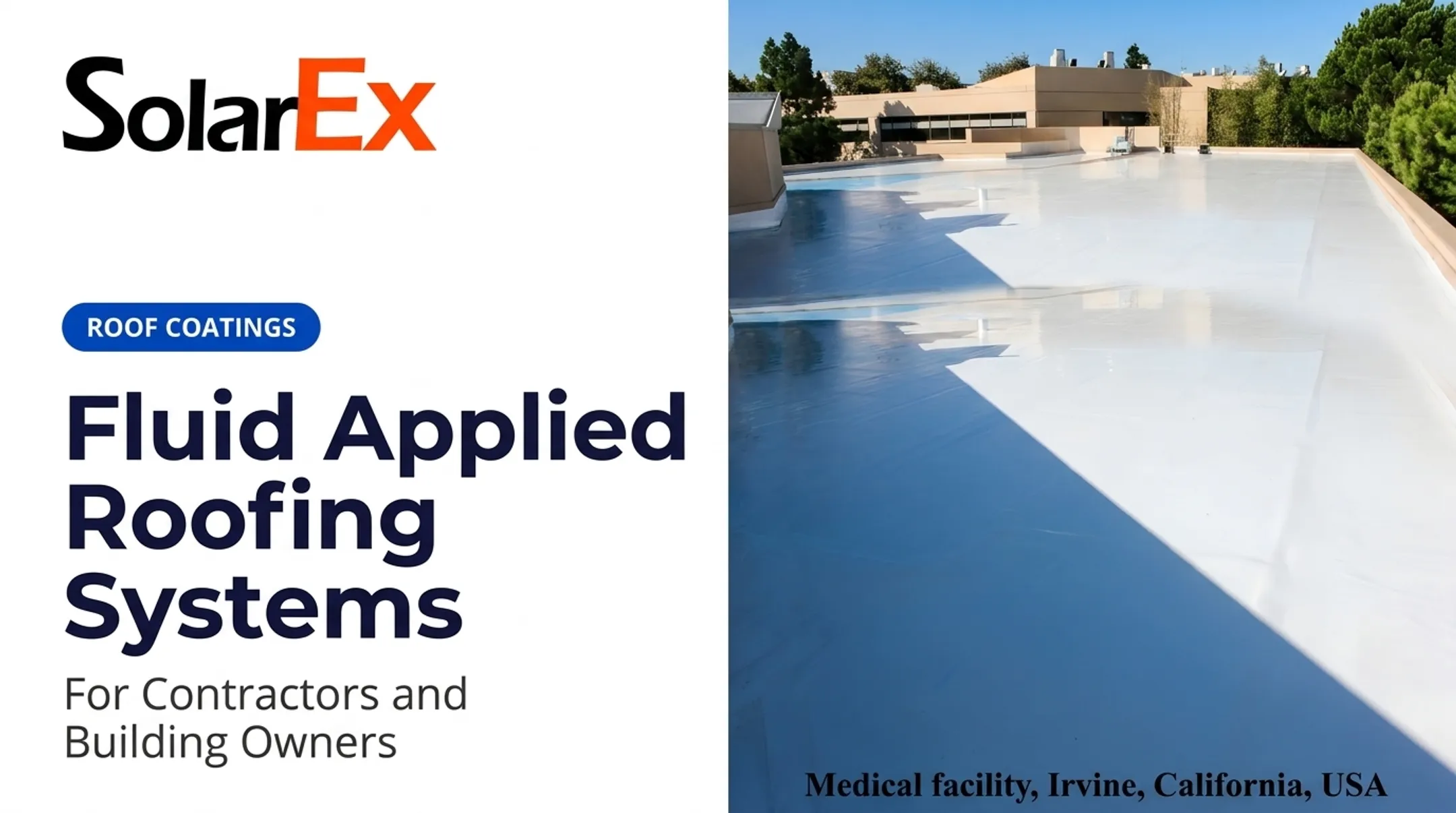
For flat or low-slope commercial roofs dealing with ponding water, SiliconEx 500 is a moisture-cured silicone membrane built for permanent ponding resistance. It is often paired with ElastEx 200 as a flexible primer beneath it.
Before any coating goes down, the substrate needs:
- Thorough cleaning and drying
- Repair of seams, cracks, and penetrations
- Correction of areas holding excessive ponding water
- Adhesion testing and application at the specified dry-film thickness
Not every coating suits every asphalt-shingle roof. Always confirm compatibility with the manufacturer's documentation, including low-temperature limits and applicator qualification requirements.
Corrective Repairs and Major Restoration
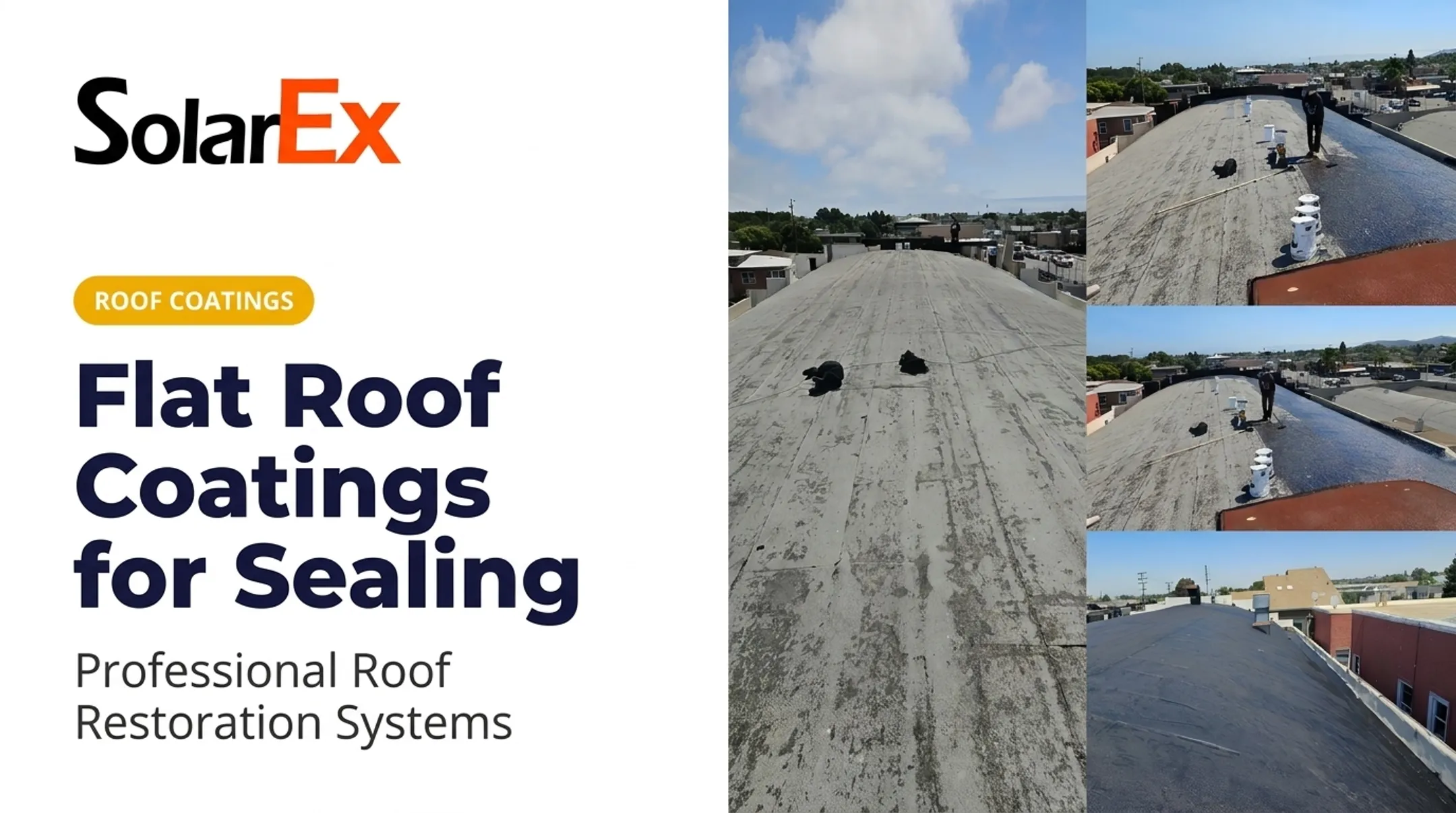
Localized fixes often need to happen before any spray touches the roof: damaged shingle replacement, flashing repair, or underlayment work. Major restoration goes further, combining broader repairs with a full coating system across the roof.
Replacement is the better option when there is structural deterioration, widespread failure, repeated leaks after storms, or a roof that cannot meet a coating system's substrate requirements.
| Factor | Restoration | Replacement |
|---|---|---|
| Best for | Aging, weathered, but sound roofs | Structural damage, widespread failure |
| Typical cost | Lower upfront investment | Higher upfront investment |
| Disruption | Minimal, no tear-off | Significant, full tear-off |
| Waste generated | Low | High |
| Added service life | Often 5-20 years, product dependent | Full new roof lifecycle |
How to Check If a Roof Needs Maintenance
This is a restore-versus-repair-versus-replace assessment, not a simple checklist. Safety first: don't climb onto a roof that's steep, wet, mossy, or showing visible damage. Ground-level observation or a professional inspection is safer and often more accurate.
Performance and Water-Shedding Changes
Watch for interior stains, damp insulation, musty odors, or recurring leaks, especially after heavy rain, wind, hail, or freeze-thaw cycles. The visible stain isn't always directly below the actual entry point, since water travels along framing before it shows up inside.
Document dates, weather conditions, and any temporary fixes. Patterns matter more than a single incident when an inspector is trying to trace the source.
Visible Shingle Wear and Material Loss
Look for:
- Cracked, curled, or blistered shingles
- Loose, sliding, or missing shingles
- Exposed fasteners or bare spots
- Heavy granule buildup in gutters
- Damaged ridge or hip components
Normal color fading is cosmetic. Granule loss that exposes the asphalt mat is not. That signals the shingle's protective layer is compromised, and it changes whether rejuvenation is still a viable option.
Flashing, Penetrations, Drainage, and Structural Indicators
Check chimney and wall flashing, pipe boots, skylights, valleys, vents, gutters, and any areas prone to ponding. Sagging roof planes and damaged fascia are red flags too.
No coating can compensate for blocked drainage, failed flashing, structural movement, or a deteriorated deck. Where safe, an attic inspection helps. Look for daylight through the roof deck, wet insulation, mold-like growth, or damaged framing.

Contractor, Warranty, and Product Checks
Before hiring anyone, ask:
- Do they offer an unbiased restore-or-replace assessment, not just a sales pitch?
- Can they provide references and proof of insurance?
- Will they document existing roof conditions before starting work?
Require a written proposal that covers:
- Product name and substrate compatibility
- Prep work and application thickness
- Weather requirements
- Warranty terms and exclusions
Compare that warranty against your existing shingle warranty and any homeowners insurance requirements before signing off.
Roof Maintenance Schedule (General Guidelines)
Schedules shift based on roof age, material, tree cover, storm exposure, and climate. These are general starting points, not fixed rules.
Daily / after severe weather: Check accessible interior areas for new stains or odors after major storms. Skip the roof climb; ground-level checks are safer for routine monitoring.
Seasonal or periodic tasks:
- Clear gutters and downspouts
- Remove debris where it's safe to do so
- Inspect visible flashing
- Review past photos to spot recurring problem areas
Monthly / quarterly inspections: Roofs that are aging, under tree cover, or in storm-prone regions benefit from a professional check-in. Recheck drainage, ventilation, and previous repair areas before considering a spray or coating.
Annual or long-term servicing: Get a documented assessment before applying any restoration treatment, and follow the manufacturer's reapplication interval afterward. Low-use buildings and roofs with limited access still need this. Concealed moisture problems progress whether or not anyone's watching.

Conclusion
Roof sprays and shingle restoration work when the roof is compatible, intact, and properly prepared. They don't repair every leak, and they don't reverse structural failure.
The path to a longer-lasting roof runs through a documented inspection, a detailed written scope, and an honest comparison between restoration and replacement. Weigh cost, durability, and warranty protection—not a single upfront price.
Professional evaluation and correctly specified materials are what make restoration work. Marketing claims alone won't hold up a roof.
Frequently Asked Questions
How long does a roof spray last?
Service life depends on product chemistry, roof condition, prep quality, and climate. A warranty interval—such as ShinglEx 800’s 7-year material warranty on qualifying two-coat systems—is not the same as total added roof life.
How much does roof rejuvenation spray typically cost?
Pricing depends on roof size, access, prep work, and product: ShinglEx 800 typically runs $0.30 to $0.60 per square foot, often 50–80% less than full replacement. Always compare a written restoration estimate against repair and replacement quotes.
What is a roof extender?
A roof extender is a treatment or restoration approach meant to prolong the serviceable life of an eligible roof. It's not a substitute for fixing structural damage or replacing a roof that's already failed.
How can I extend my roof's life?
Schedule regular inspections, address repairs promptly, keep drainage clear, and check ventilation and flashing routinely. Use compatible restoration products where the roof qualifies, and replace it when it's genuinely beyond restoration.